Education under siege: Oppression, war, and the dream of freedom
Sign up
Sign up for the Worlds of Education newsletter.
Sign up
Sign up for the Worlds of Education newsletter.
Thank you for subscribing
Something went wrong
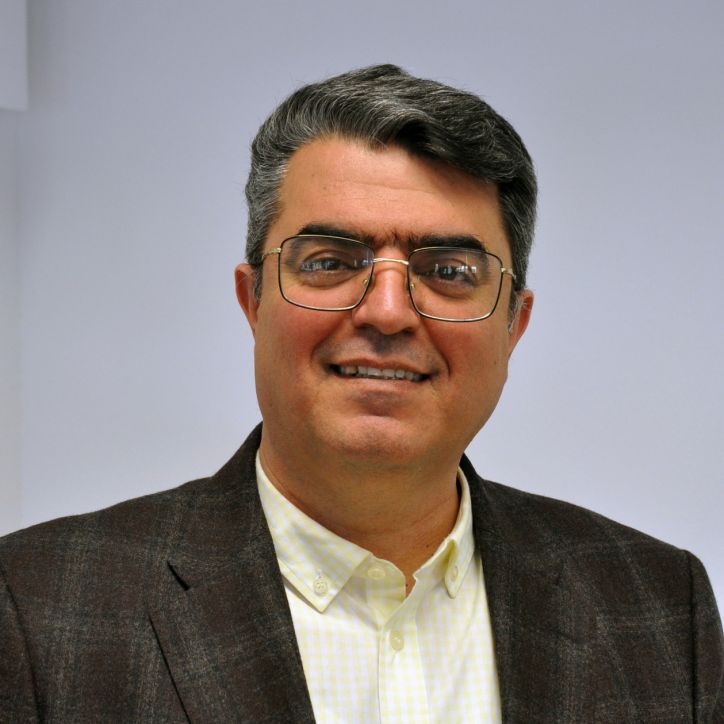
A safe classroom, enough chairs for students to sit on, safe drinking water. A living wage, free and fair education for all. Not a lot to ask. But these are exactly the things Iranian teachers and students are denied. I am Esmail Abdi—a teacher, a father, and a former political prisoner, and I write today about a country of childhoods lost to oppression, discrimination, and foreign aggression. About the dreams of a nation for liberty and democracy. I would like to describe what Iranian teachers feel. Many of you may find it familiar since, unfortunately, nothing I say here is unique to Iran. The attack on education and on our freedoms is global.
Iranian teachers are crushed under multiple layers of injustice. The right to assembly is being trampled upon, associations and unions are restricted, and activists are persecuted. After the Woman, Life, Freedom uprising and the murder of Mahsa-Jina Amini, more than 400 teachers were arrested simply because of their union activities. The arrests and persecution of teachers have continued ever since and have gotten worse since the war between Iran and Israel and now during the recent bombing campaign. The treatment imprisoned teachers receive is inhumane and undignified, defying the Charter of Human Rights.
The regime has continued to execute people arrested during the January 2026 uprising without proper trial and representation. Some of those executed are as young as 18 years old. And, at the moment, there are many students at risk of execution. Iranian people have suffered 40 years of total digital darkness which has allowed the regime to commit atrocities.
In fact the repression has other victims than teachers or activists: children.
More than 230 children were murdered by the Iranian regime in the two days of unrest in January 2026.
230 empty chairs. 230 lights that no longer shine.
The Coordinating Council of Iranian Teachers Trade Associations (CCITTA) created a campaign showcasing empty chairs and classrooms without teachers to keep the memories of these children alive. This is a brave and difficult campaign as both teachers and the families of the victims are threatened constantly by the regime.
In addition to this suffering, the recent bombing campaign by Israel and the US—the possibility of a prolonged war—is destroying the already weak educational infrastructure of Iran and any gains made in the past three years by unions in the Woman, Life, Freedom uprising.
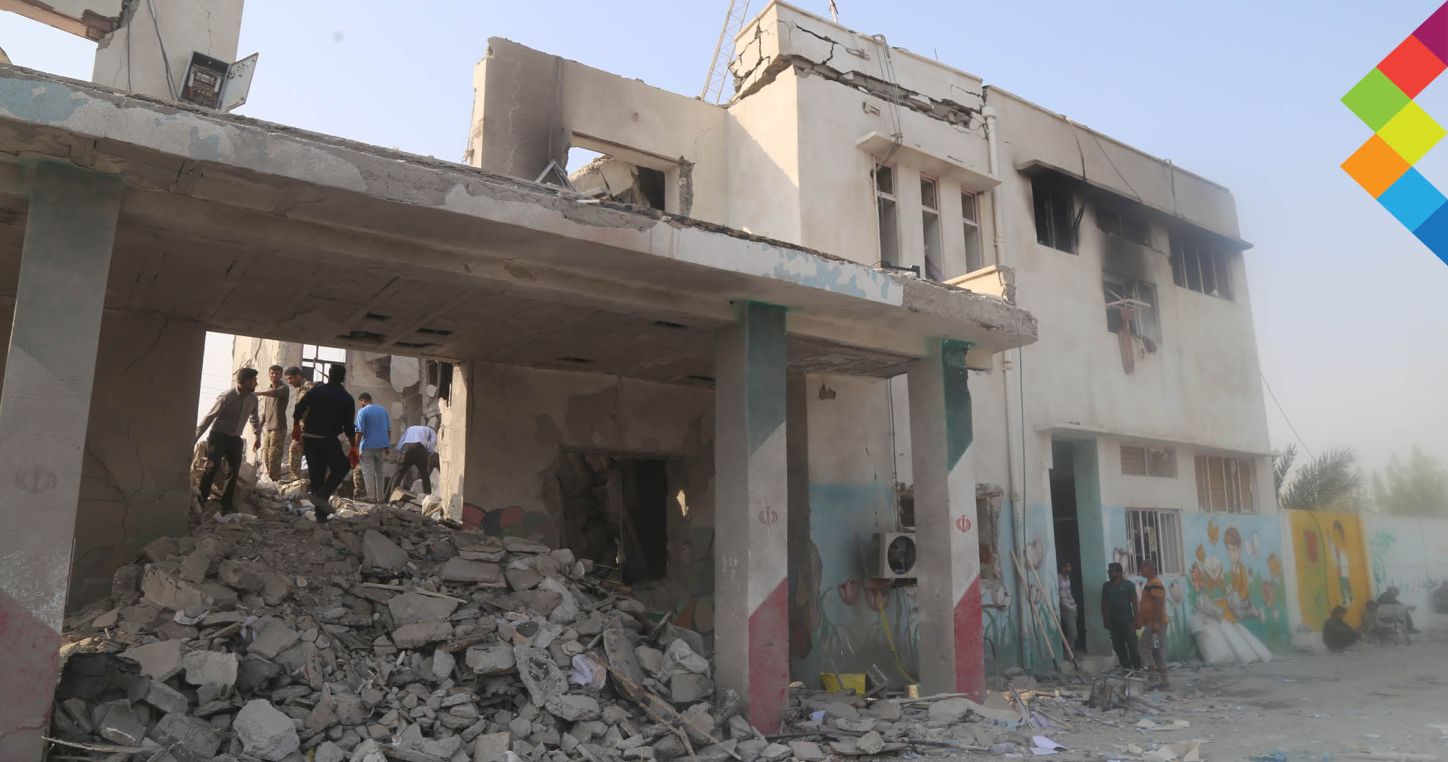
Despite the Safe Schools Declaration, in Minab more than 100 students and 14 teachers lost their lives when a bomb destroyed their school. CCITTA has built a memorial of this loss on social media with the #AbandonedBackpacks campaign.
Further attacks on schools and hospitals have created more victims in school communities—more than 270 students and 60 teachers were killed by American and Israeli bombs.
Official sources say that more than 20 universities have been attacked since the beginning of the war. Although a fragile ceasefire has been announced, the President of the United States threatening to annihilate a whole culture leaves Iranian children unsafe.
Meanwhile, reports from prisons bring worrying news about the lack of food and medication for prisoners.
Unfortunately, as we all have witnessed in the past years, this crisis is not limited to my country. Ukraine, Gaza, and Lebanon are also part of a wave of global systematic violence against education and children. From Iran to Ukraine, from Lebanon to Palestine, the sound of the empty chairs is the same—absence.
The absence of the sound, the absence of the children who should have stayed with us to build the future. Today more than ever, we need solidarity between education unions and education activists around the world.
We, as educators, have the duty to stand against this vicious cycle of violence and oppression.
We must stand for freedom, democracy, and human rights.
Many unions from around the world, as well as Education International, have expressed their solidarity with Iranian teachers and students. Iranian teachers are thankful for this solidarity, but our job is not done.
To fight this ongoing crisis, we must strengthen the campaign of international solidarity and let the world hear the voice of victimised teachers and students. We need to create political pressure and international diplomacy to defend the right to education and the right to association.
We can build networks of global solidarity so that educators and students in crisis-affected areas have access to safe education and educational resources.
By joining forces and coming together in global solidarity, we can safeguard the rights of children and educators alike and raise education to its rightful, respected, free, and safe place.
But first we must stop the bombs falling on children, schools, and hospitals. For democracy to happen in Iran, and indeed anywhere in the world, the reign of terror, the consistent breaking of international law must stop.
Our solidarity is our strength.
The opinions expressed in this blog are those of the author and do not necessarily reflect any official policies or positions of Education International.