Why climate-resilient education systems start with educators





Sign up
Sign up for the Worlds of Education newsletter.
Sign up
Sign up for the Worlds of Education newsletter.
Thank you for subscribing
Something went wrong
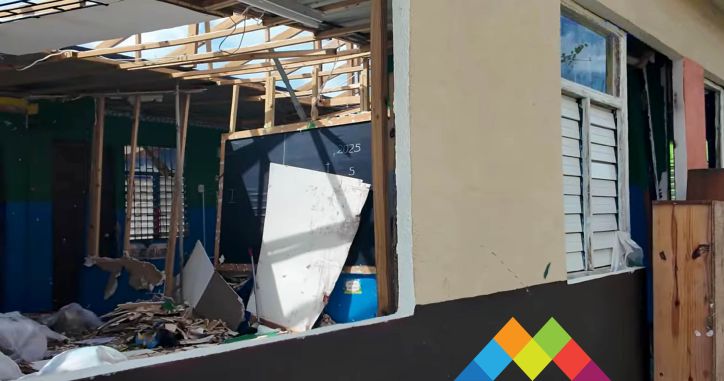
Across the world, climate change is already disrupting education. Heatwaves force school closures. Floods damage classrooms and learning materials. Storms and droughts displace communities and interrupt schooling, often repeatedly.
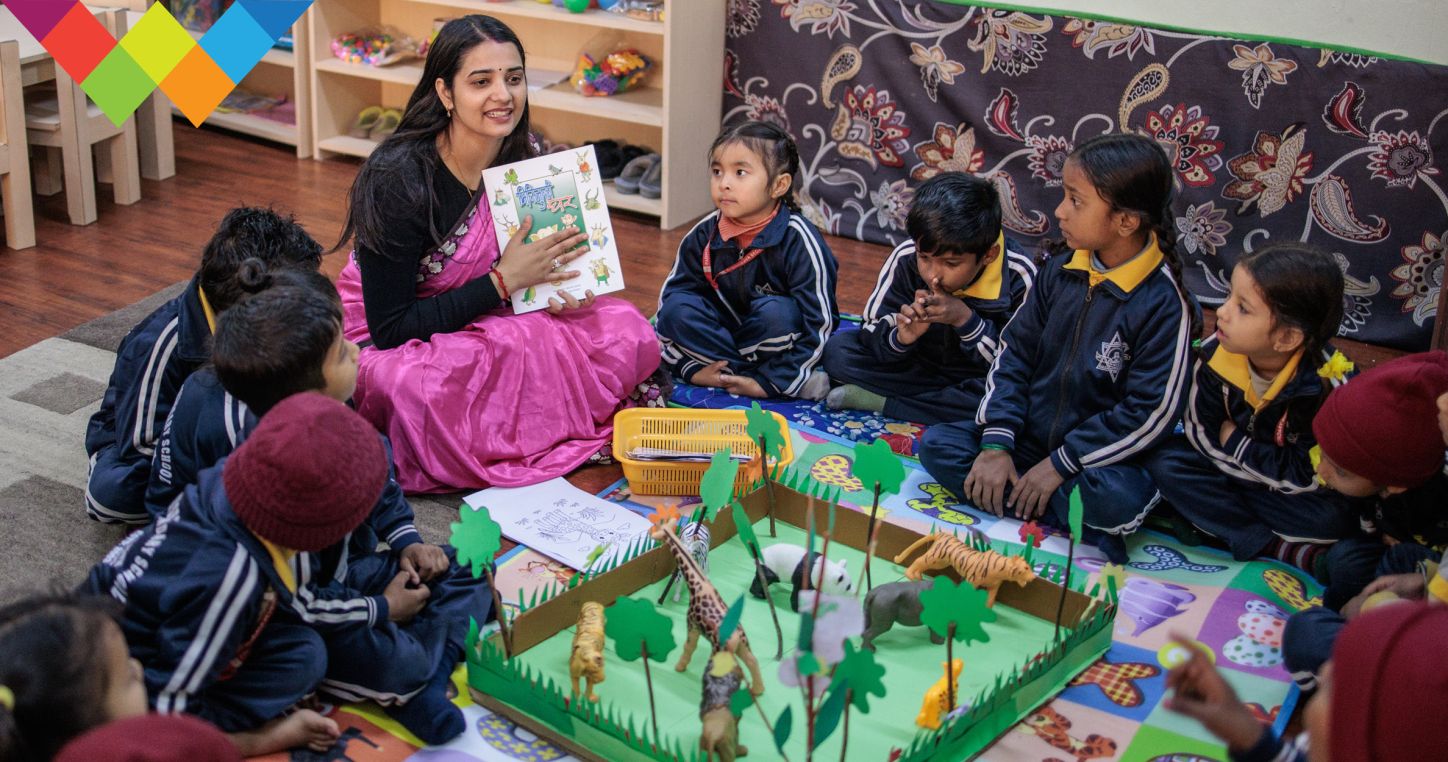
In the midst of these disruptions, educators are expected to hold education systems together—keeping learning and skills development going, protecting students’ well-being, adapting their teaching and responding to crises, often with limited guidance or support. Yet too often, climate responses in education focus narrowly on infrastructure or curriculum reform without adequately considering the people who make education possible in classrooms.
It is from this reality that Educators at the Heart of Greening Education: A Climate Resilience Toolkit for Policymakers has been developed by GPE, UNICEF and Education International under Pillar 3 of the UNESCO-hosted Greening Education Partnership focused on greening teacher training and education system capacities. It complements existing guidance under the 3 other pillars, reinforcing a system-level approach to climate action in education—one that recognizes that infrastructure, curricula and communities can only deliver results if educators are supported to lead and sustain change.
The toolkit was informed by sustained collaboration with a global reference group consisting of representatives from ministries of education, teacher unions, and education partners to ensure guidance reflects diverse country contexts and lived realities, including settings experiencing fragility, that are affected by conflict and at high risk for climate shocks.
Crucially, the toolkit emphasises the importance of meaningful dialogue. Effective climate action in education does not happen through policy design alone. It depends on continuous discussions between governments, educators, children and youth, and other sectors such as climate, finance and disaster risk management.
Educators at the center of climate resilience
Education systems cannot become climate resilient without addressing the conditions under which teachers, school leaders and education support personnel work in schools. When educators are unprepared to respond to climate crises, unsafe or overstretched, learning continuity and equity in education suffer, especially for children and communities already facing the greatest climate risks.
The new toolkit places a simple but often overlooked truth at the centre of climate-resilient education systems: supporting educators is fundamental to sustaining quality, equitable and inclusive learning in a changing climate.
Rather than treating educators only as actors to provide climate change education, the toolkit recognizes them as a core asset of system resilience that is central to preparedness, response and recovery.
A practical tool for policy makers
Designed primarily for ministries of education and their sector partners, the toolkit is a policy reflection and dialogue tool. It does not prescribe solutions or rank countries. Instead, it supports governments to reflect on how climate change is affecting their education workforce and education delivery, and identify policy priorities that fit within their national contexts.
The toolkit also encourages governments to involve educators in policy decision making related to climate-resilient education systems, recognizing the importance of policies being informed by their experience and expertise.
The toolkit is structured around 5 interconnected objectives that span the full spectrum of educators’ roles and needs:
- Enabling educators to deliver quality climate change education
- Strengthening educators’ capacity to maintain learning during climate-related disruptions
- Ensuring educator and student safety and well-being
- Ensuring quality working conditions before, during and after climate-related crises
- Strengthening educator participation in climate-related social and policy dialogue
Together, these objectives invite ministries and sector partners to look beyond single interventions and consider how policies across teacher training, workforce management, emergency preparedness and stakeholder engagement can work together to strengthen education system resilience to climate events.
Looking ahead
As climate risks intensify, education systems will face more frequent and compounding shocks.
Strengthening education systems’ resilience is not only about preparing learners for the future. It is about ensuring that education can continue during crises, protecting equity and supporting recovery.
By placing educators at the center of climate policy dialogue, Educators at the Heart of Greening Education offers governments and partners a practical starting point to advance climate‑resilient education systems that can withstand disruptions while continuing to deliver inclusive and quality education for all learners and communities.
This blog was originally published on the Global Partnership for Education (GPE) Education for All blog on 30 April 2026.
The opinions expressed in this blog are those of the author and do not necessarily reflect any official policies or positions of Education International.