Embedding gender equality, women’s leadership and well-being in education unions across the Arab region
While women represent a significant share of the education workforce across the Arab region, this reality is not reflected in union leadership structures. The Arab Women in Education Network (ArWEN) was designed to respond to this imbalance by placing gender justice at the centre of union capacity building. It recognises that leadership is shaped not only by individual skills, but by institutional cultures and power relations.
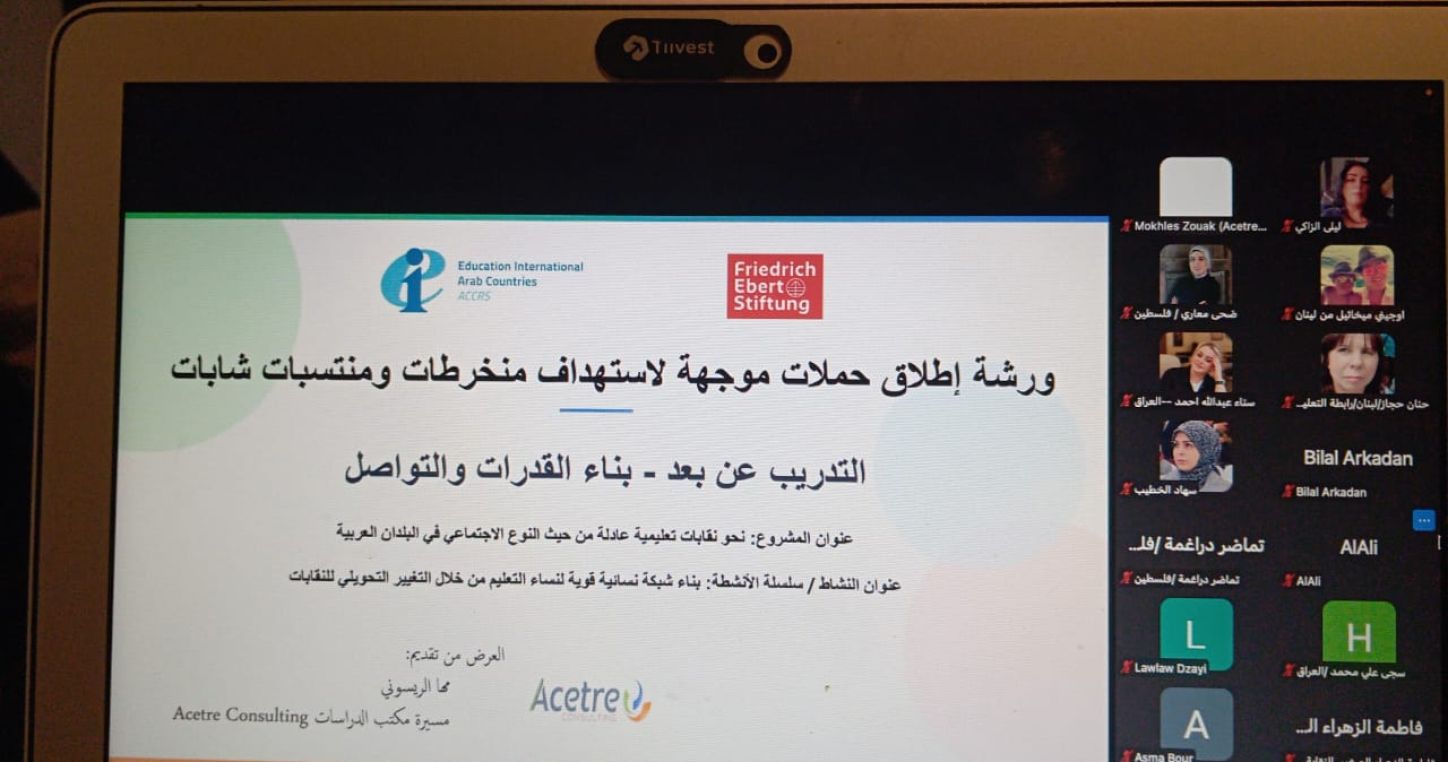
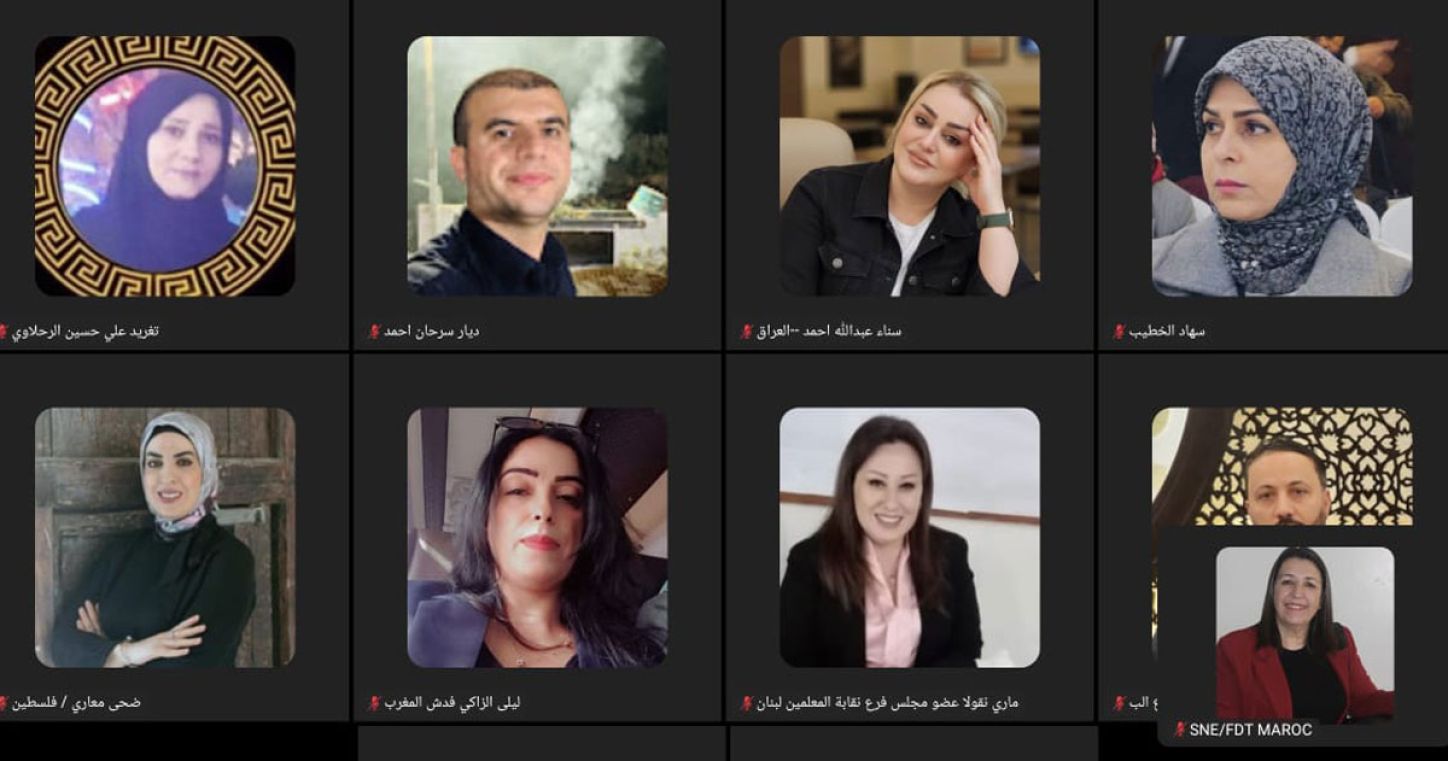
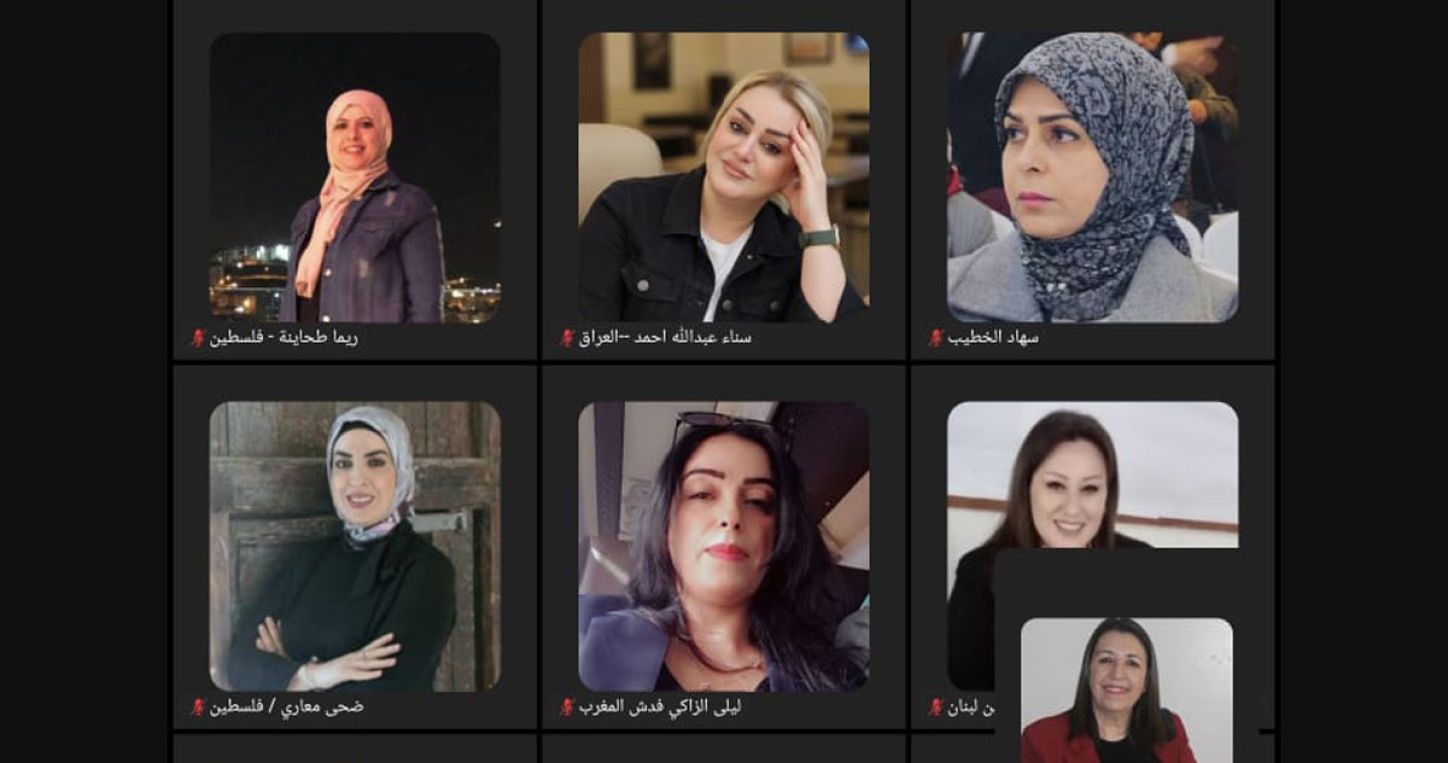
Between November 2025 and February 2026, education unions across the Arab region participated in a virtual capacity building and communication training cycle coordinated through the ArWEN. Bringing together 116 participants from ten education unions in seven countries - Egypt, Iraq, Jordan, Lebanon, Morocco, Palestine and Tunisia -, the initiative offered a critical space to assess both the barriers that continue to constrain women’s leadership and the collective strategies needed to overcome them.
As Najat Ganay, Chairperson of the Women’s structure of the Education International (EI) Arab Cross-Country Regional Structure (ACCRS), highlighted: “Strengthening women’s leadership is not only a matter of fairness. It is essential for building democratic, resilient unions capable of defending public education and workers’ rights in increasingly challenging social and political contexts.”
Training as a response to structural inequality
The ArWEN training cycle was designed to address these intersecting challenges through ten online workshops. Topics included communication, digital facilitation, gender equality campaigning, inclusive policy development, monitoring and evaluation, and stress management. The virtual format itself responded to structural inequalities by reducing barriers related to travel, time, and cost—factors that disproportionately exclude women.
More than 70 per cent of participants were women, and in some unions women made up all participants. This reflected both the demand for such spaces and the importance of adapting union education models to women’s realities. The participation of men in the programme also reinforced the principle that advancing gender equality is a collective responsibility, not a women only agenda.
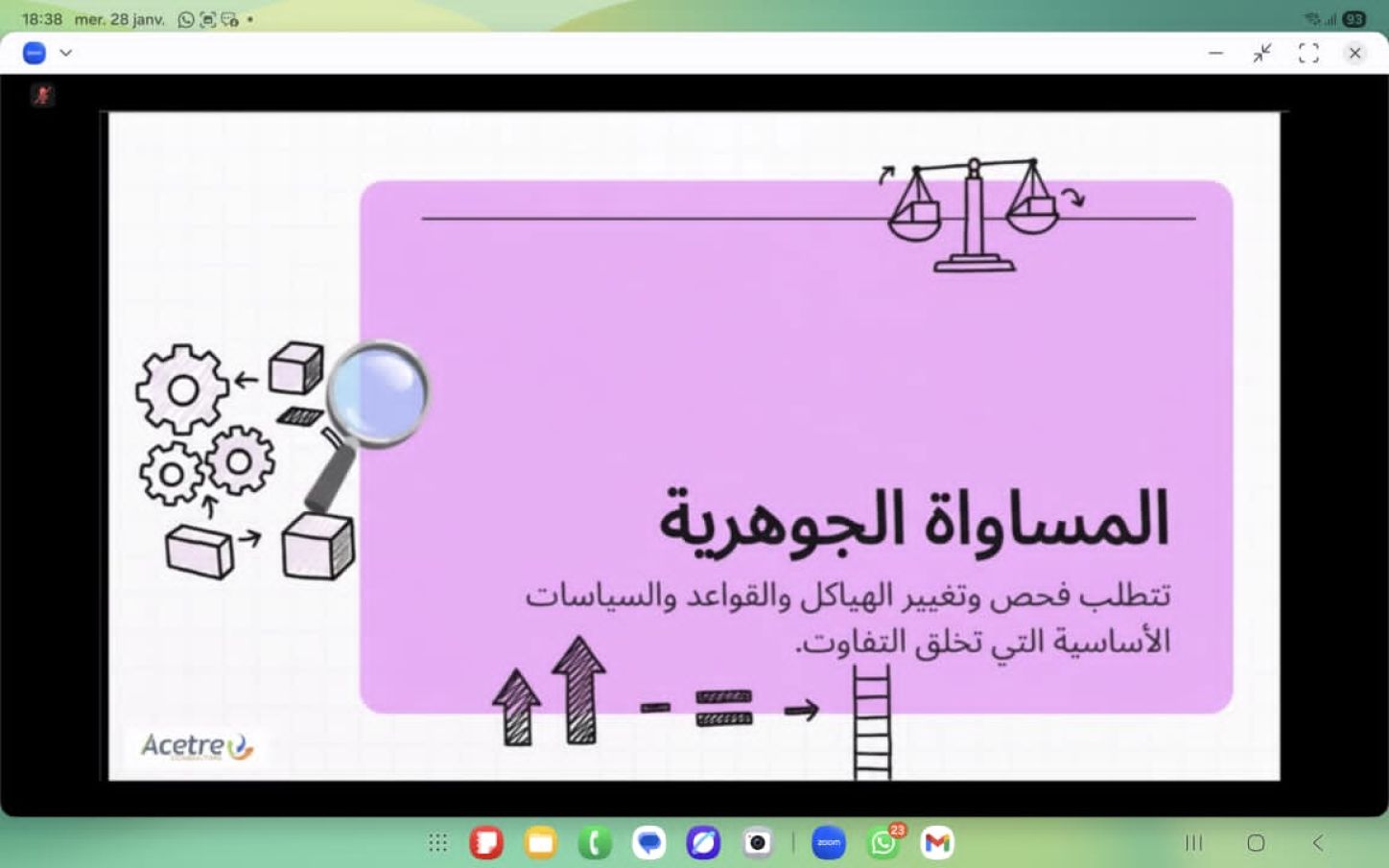
Representation does not always translate into power
Participants highlighted that women are numerous in the education sector, active in union life, and essential to the functioning of their organisations, yet remain under-represented in decision making bodies. This gap is rooted in persistent social norms that assign women a disproportionate share of unpaid care work, limiting their time and flexibility to engage in leadership roles.
Within unions themselves, support structures for women’s participation are often incomplete or weak, participants noted. When gender equality policies exist, they are frequently inconsistently applied, insufficiently monitored, or do not answer to any accountability mechanism. In practice, this means that commitments to equality do not always result in changes to how power is shared.
Discussions during the training cycle confronted the limits of symbolic measures. Quotas, where they are in place, can increase visibility without guaranteeing influence. Participants debated how women can be present in leadership bodies and yet excluded from real decision-making processes or strategic agenda setting.
The cost of leadership: stress, burnout, and sustainability
The challenges faced by women union leaders are not only political but also personal and structural. Many participants mentioned chronic stress caused by excessive workloads, under resourced education systems, and the pressure to navigate union responsibilities alongside professional and family obligations.
Without supportive cultures, mentoring, or shared leadership models, these pressures risk pushing women out of sustained union engagement. The training therefore treated work life balance and wellbeing not as individual resilience issues, but as collective union responsibilities linked directly to long term participation and leadership sustainability.
Building power through South–South cooperation
A distinctive feature of the cycle was its reliance on South–South cooperation. Trainers from Palestine, previously trained through Education International initiatives, facilitated workshops on digital learning and communication tools. This approach strengthened regional ownership, reduced financial barriers, and challenged the assumption that expertise must always come from outside the region.
By mobilising internal union expertise, the programme reinforced solidarity across borders and demonstrated how collective knowledge can circulate within the region to build sustainable capacity.
Accountability, data, and the challenge of measuring change
Participants repeatedly stressed the difficulty of measuring progress on gender equality within unions. Weak data collection systems and a lack of shared indicators often make it hard to assess whether policies are producing real change. Without monitoring and evaluation, equality commitments risk remaining rhetorical.
In response, the training introduced shared tools, templates, and evaluation frameworks designed to support longer term accountability. These instruments aim to help unions track progress, identify obstacles, and adjust strategies collectively.
From training to transformation
By the end of the cycle, participants reported stronger confidence, improved communication skills, and a clearer understanding of gender responsive union governance. At the institutional level, unions will begin revising internal policies, strengthening monitoring practices, and recognising wellbeing as a structural issue rather than an individual one.
The next phase of the ArWEN process will focus on consolidating these gains by helping unions put the training into practice. It will include structured support, regular follow‑up, and the integration of the new approaches/policies into everyday union operations.
The plan is also to continue prioritising the development of stronger mentoring programs, expanding digital advocacy and youth-focused outreach, standardising monitoring and data collection tools, and deepening cooperation across unions to support peer-learning and comparative evaluation.