Articles from Zimbabwe
-
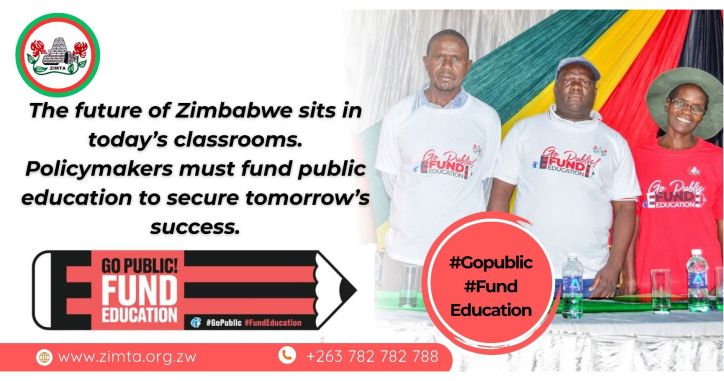
Achieving Sustainable Development Goal 4 7 September 2026 Zimbabwe: Urgent need for fair wages, collective bargaining rights, and sustainable education financing
Despite signs of economic stabilisation in Zimbabwe, many educators say they are still struggling to make ends meet. While inflation has slowed and growth indicators have improved, teachers' salaries continue to lag far behind the cost of living, leaving education workers caught between government claims of fiscal constraints and the...
Zimbabwe: Urgent need for fair wages, collective bargaining rights, and sustainable education financing -
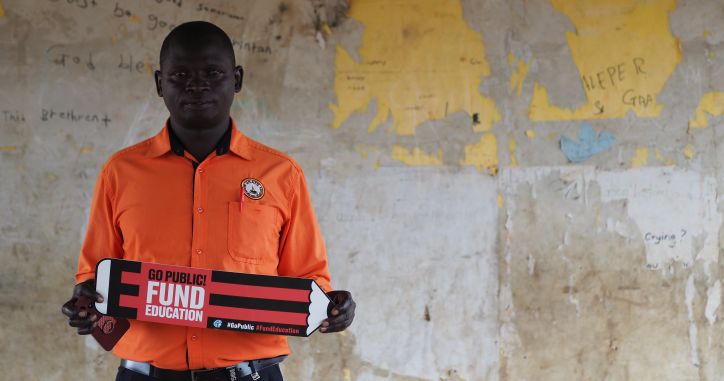
Achieving Sustainable Development Goal 4 30 June 2026 Still cooking with a failed recipe: New report reveals the IMF’s staggering double standards and harmful policies
The new report from ActionAid International, Education International, and partners exposes how the International Monetary Fund (IMF) has continued to push low-income countries to prioritise debt repayments over public services, despite claiming to support better education outcomes.
Still cooking with a failed recipe: New report reveals the IMF’s staggering double standards and harmful policies -
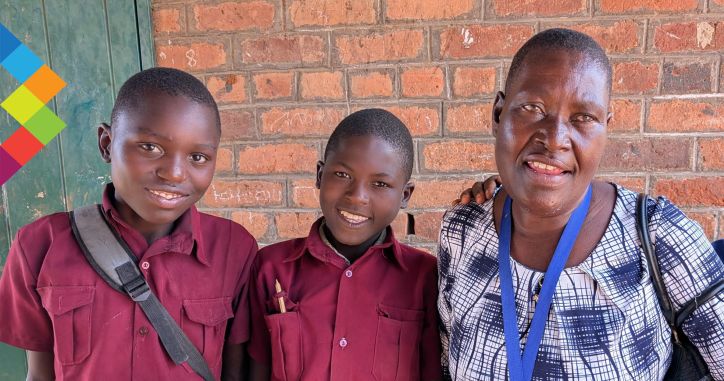
Equity and inclusion 11 June 2026 Education voices | Changing hearts and minds to end child labour and keep girls in school
Ndakaziva Masinire
To mark World Day against Child Labour, we are featuring the story of Ms Ndakaziva Masinire, Deputy Head of Goromokwa Primary School in Zimbabwe. She works to end child labour in her community and ensure girls are not deprived of their fundamental right to education, as part of a project...
Education voices | Changing hearts and minds to end child labour and keep girls in school -
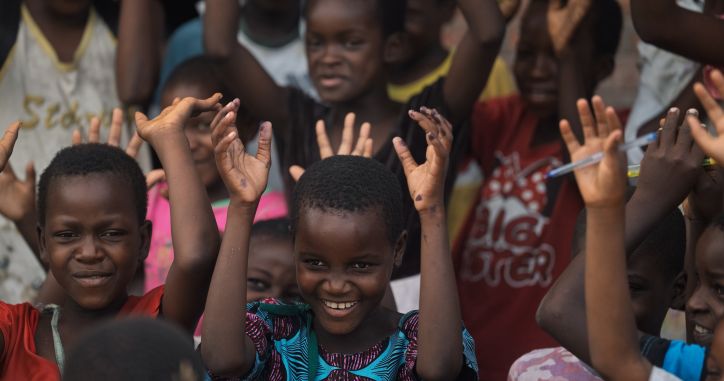
Equity and inclusion 11 June 2026 Education International and its members bring over 5,700 children out of child labour and into school
Education International and its members are part of a program that empowers teachers and mobilises communities against child labour. The approach which involves capacity building, union partnership, and community engagement is delivering outstanding results and effecting enduring change.
Education International and its members bring over 5,700 children out of child labour and into school -
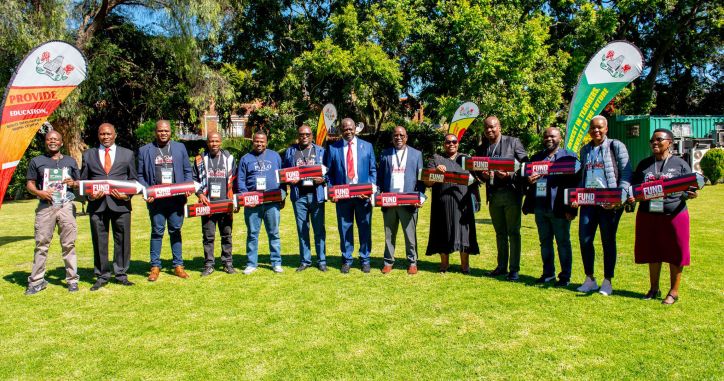
Achieving Sustainable Development Goal 4 20 June 2025 Go Public: Zimbabwe's education union’s successful push towards education quality and funding
Awareness raising activities in all regions of the country, continued dialogue between educators and policymakers, enhanced teacher professional training and certification. These are some of the achievements of the Zimbabwe Teacher’s Association (ZIMTA) since the national launch of the Education International (EI) Go Public! Fund Education campaign.
Go Public: Zimbabwe's education union’s successful push towards education quality and funding -
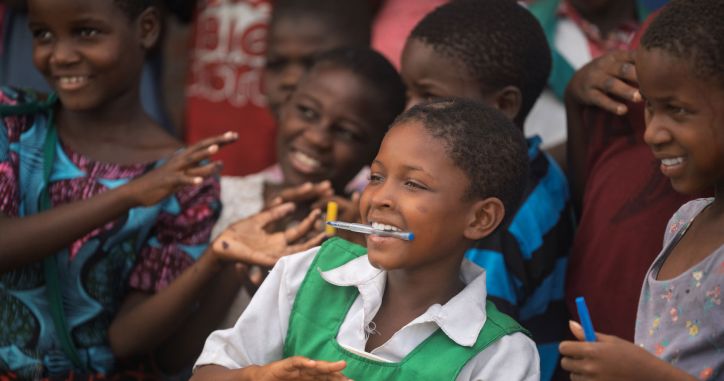
Achieving Sustainable Development Goal 4 12 June 2025 Over 1,880 children brought back to school thanks to education unions working to end child labour
Across 6 countries in Africa, education union programmes against child labour are delivering life-changing results. In 2024 alone, over 1,880 former child labourers have been returned to classrooms in project areas in Burundi, Malawi, Mali, Togo, Uganda, and Zimbabwe.
Over 1,880 children brought back to school thanks to education unions working to end child labour -
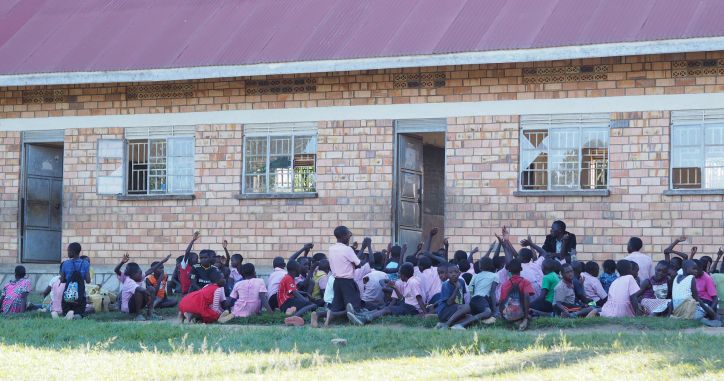
Leading the profession 23 April 2025 Education International brings hope and effective strategies to curb child labour
Thanks to an Education International project on child labour, working with union members and their local communities, 1,880 children were brought back to school last year in six participating countries: Burundi, Malawi, Mali, Togo, Uganda, and Zimbabwe.
Education International brings hope and effective strategies to curb child labour -
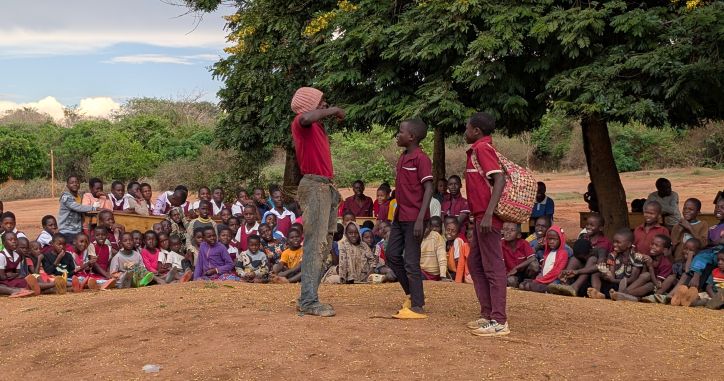
Equity and inclusion 10 December 2024 Malawi: Coming together across borders to eradicate child labour
Education unionists from Burundi, Mali, Senegal, Togo, Uganda, and Zimbabwe came together in Malawi to learn about successful local efforts to end child labour. From 1 to 6 December 2024, coordinators and project leaders spearheading the unions’ work against child labour had the opportunity to exchange know-how and good practice...
Malawi: Coming together across borders to eradicate child labour -
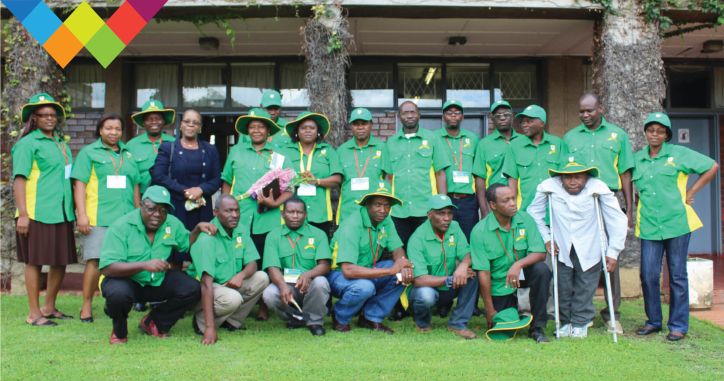
Leading the profession 12 July 2024 Against all odds: the union’s victory to elevate the status of college lecturers in Zimbabwe
David Dzatsunga
How does a lecturers’ union influence legislative change and restore the status of its members in a toxic, polarized, and polarising political environment? Through commitment, resilience and indomitable will. This article chronicles the unlikely victory of the College Lecturers Association of Zimbabwe (COLAZ) that saw the Government of Zimbabwe enact...
Against all odds: the union’s victory to elevate the status of college lecturers in Zimbabwe -

Fighting the commercialisation of education 12 June 2023 ComNet: Communicators working together to change the narrative around public education
Around 100 communicators working in education unions gathered online on June 1st as part of Education International (EI) Communicators’ Network (ComNet). They reconnected, exchanged experiences and ideas, and got ready to bring the EI “Go Public! Fund Education” campaign forward.
ComNet: Communicators working together to change the narrative around public education -
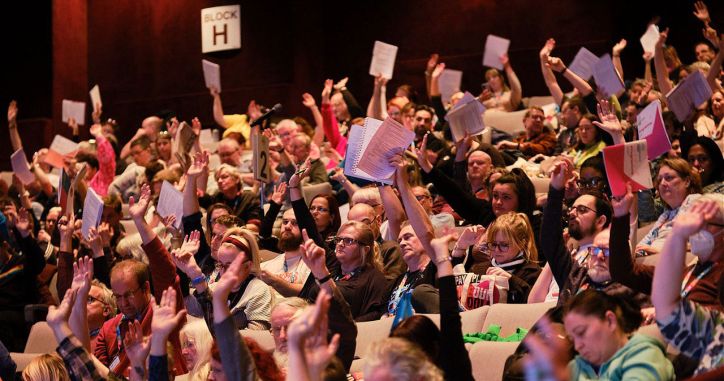
Climate action and literacy 17 May 2023 United Kingdom: National Education Union ramps up mobilisation for climate justice
Climate justice, climate education, and a just transition to a green economy all featured heavily on the agenda of the 2023 annual Conference of the National Education Union in the United Kingdom.
United Kingdom: National Education Union ramps up mobilisation for climate justice -
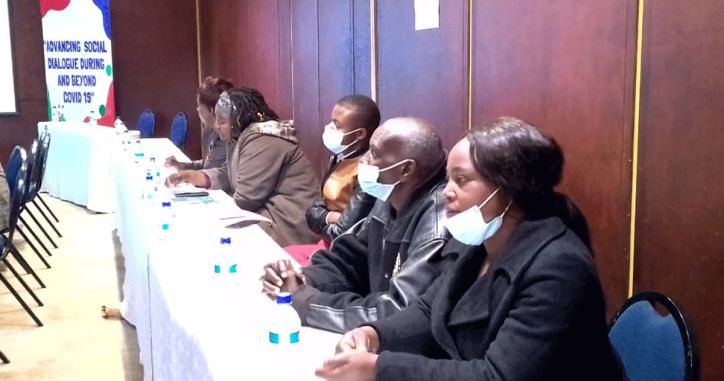
Standards and working conditions 4 August 2022 Zimbabwe: Education unions commit to unite to advance social dialogue and quality education
Education unions in Zimbabwe affiliated to Education International have vowed to unite and work together in the social dialogue processes taking place in their country, aiming to achieve improved outcomes for workers in the education sector.
Zimbabwe: Education unions commit to unite to advance social dialogue and quality education -
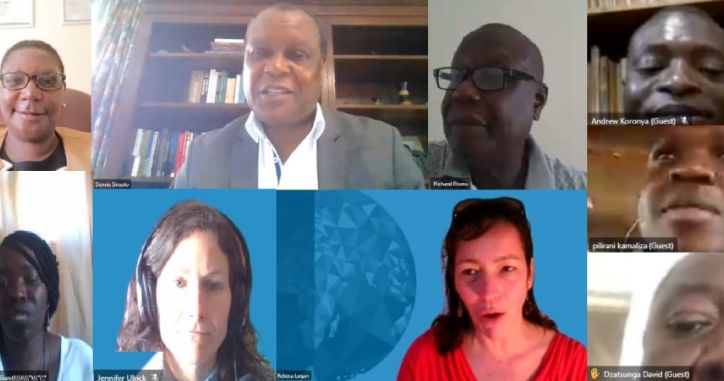
Climate action and literacy 1 April 2021 EIRAF Launches Climate Change Network in Southern Africa
EIRAF Launches Climate Change Network in Southern Africa
EIRAF Launches Climate Change Network in Southern Africa -
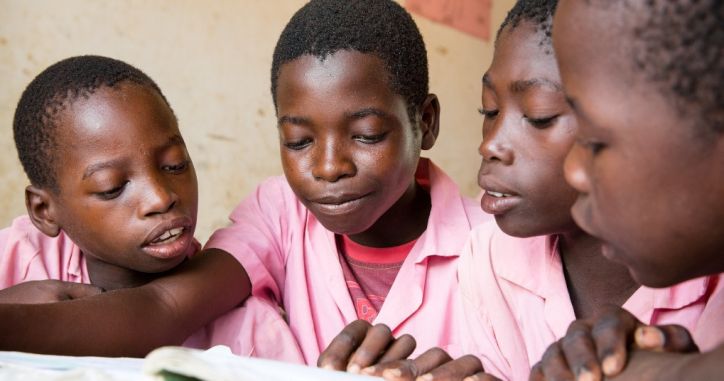
Union growth 21 October 2020 “Africa: Collaboration between Unions and Governments for a Better Future in Education”, by Cherine Sabry.
Cherine Sabry
Unions and governments have been in conflict since the dawn of time. The mere existence of unions as a force to defend workers’ rights where governments fail to do so in and of itself leads to this conflictual relationship. In Africa, unions have rarely been consulted during the COVID-19 crisis...
“Africa: Collaboration between Unions and Governments for a Better Future in Education”, by Cherine Sabry. -
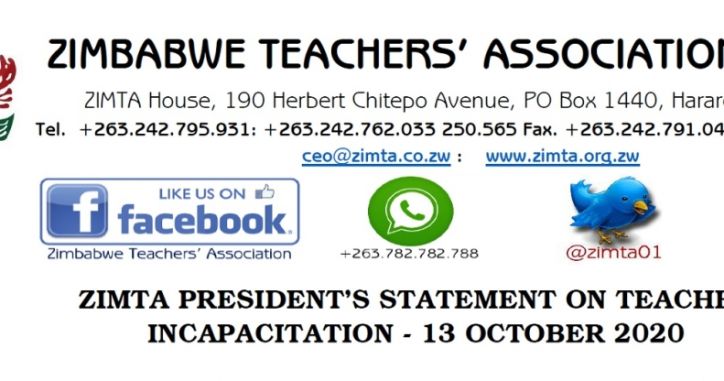
Standards and working conditions 21 October 2020 Zimbabwe: Government must pay teachers decent salaries for them to resume work
The Zimbabwe Teachers’ Association (ZIMTA) and the Progressive Teachers' Union of Zimbabwe (PTUZ) find themselves in confrontation with the government over teachers’ salaries and ‘incapacitation’, as teachers remain out of the classroom. They have urged the Government to improve its financial offer to teachers in order to get them to...
Zimbabwe: Government must pay teachers decent salaries for them to resume work -
Union renewal and development 14 October 2020 Member organisations celebrate World Teachers’ Day
Member organisations celebrate World Teachers’ Day
Member organisations celebrate World Teachers’ Day -
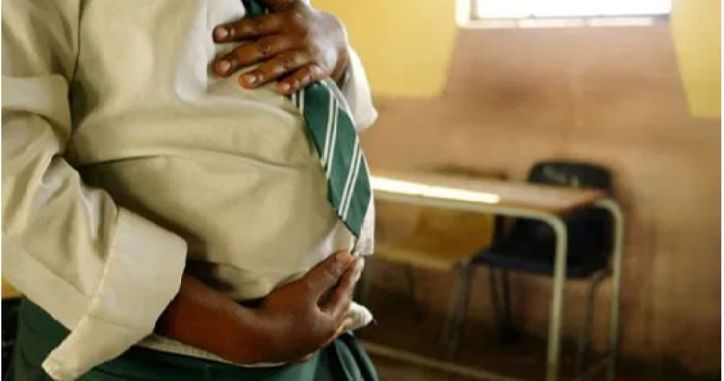
Standards and working conditions 28 August 2020 New Zimbabwean law allows pregnant girls to continue with their education
A new law in Zimbabwe
New Zimbabwean law allows pregnant girls to continue with their education -
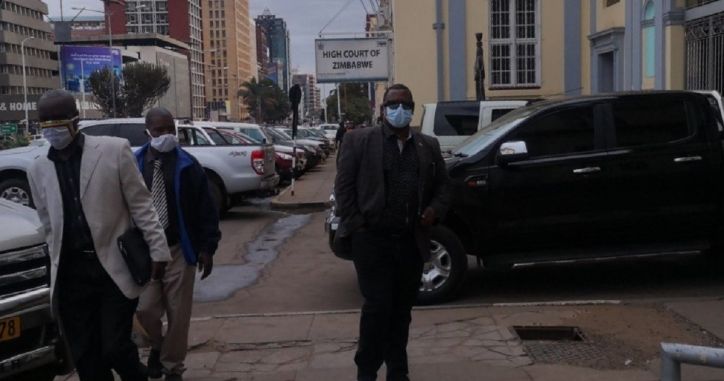
Trade union rights are human rights 29 June 2020 Zimbabwe: Trade unions win court battle on school re-opening
The Government of Zimbabwe announced that schools would reopen, already for examinations in late June and move forward in steps in the following weeks to re-open schools despite risks of an intensification of COVID-19 infections. Education trade unions challenged the re-openings as unsafe and premature and called for social dialogue...
Zimbabwe: Trade unions win court battle on school re-opening