Solidarity with Ukraine: Voices from the frontline of a struggle for freedom and democracy
Four years since the start of Russia’s full-scale invasion of Ukraine, the global education union movement stands in unwavering solidarity with our colleagues, their students, and all people of Ukraine.
The war continues to have a devastating impact on education communities across the country. Despite the relentless attacks on civilian infrastructure, Ukraine’s education system still endures thanks to the dedication and unbreakable commitment of its teachers.
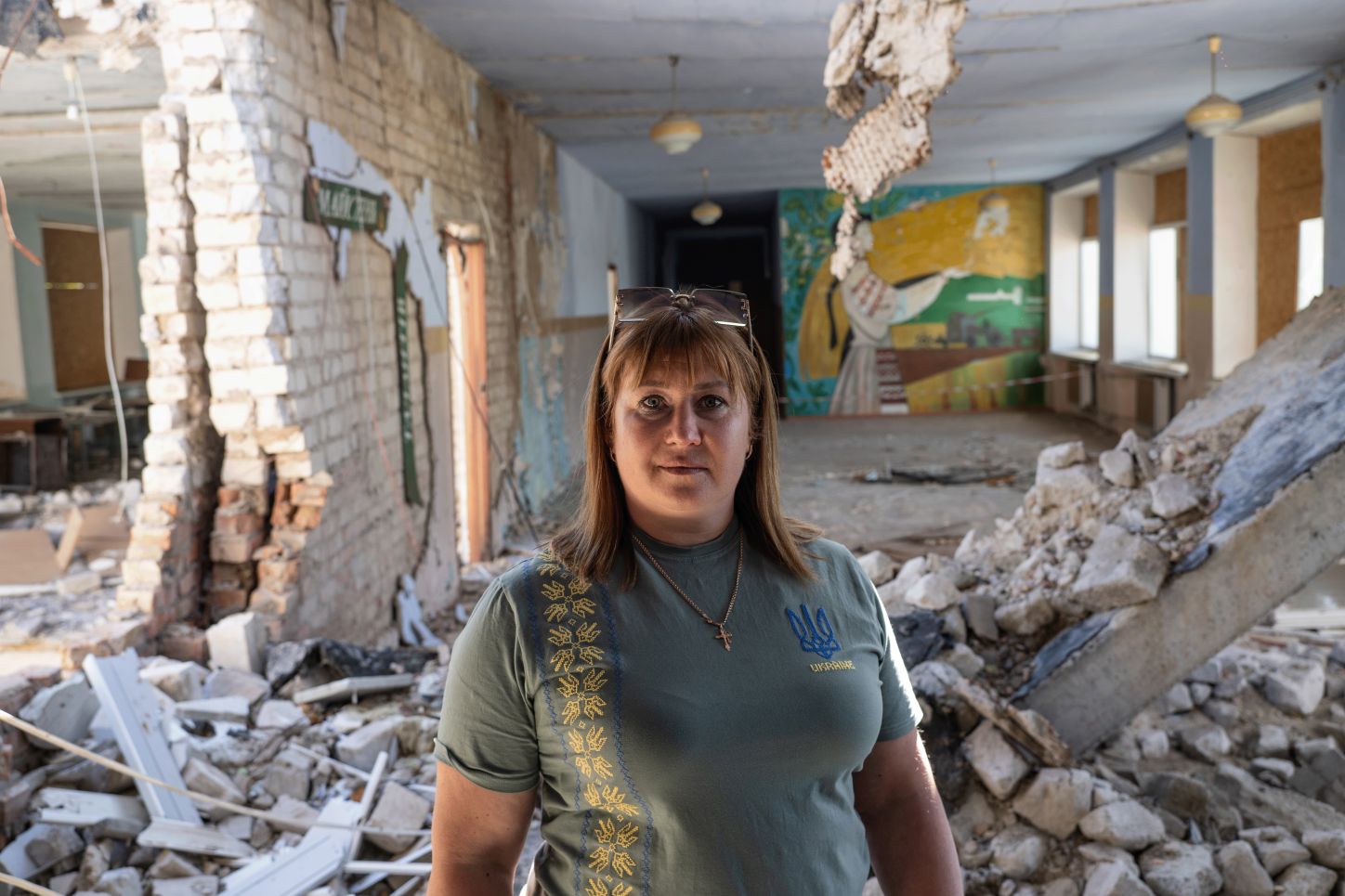
Olha Chabaniuk, member of the Education International Executive Board and Vice President of the Trade Union of Education and Science Workers of Ukraine (TUESWU), and Olesia Briazgunova of the Free Trade Union of Education and Science of Ukraine (VPONU) share the difficult reality on the ground and the human cost of defending freedom and democracy.
Olha Chabaniuk: An exhausted but determined workforce defends the right to education in wartime
"Four years of full-scale war have been a test of endurance for Ukrainian education — not only for the system, but above all for the people.
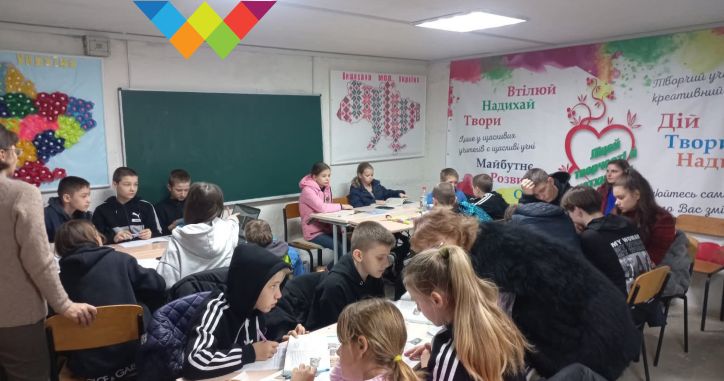
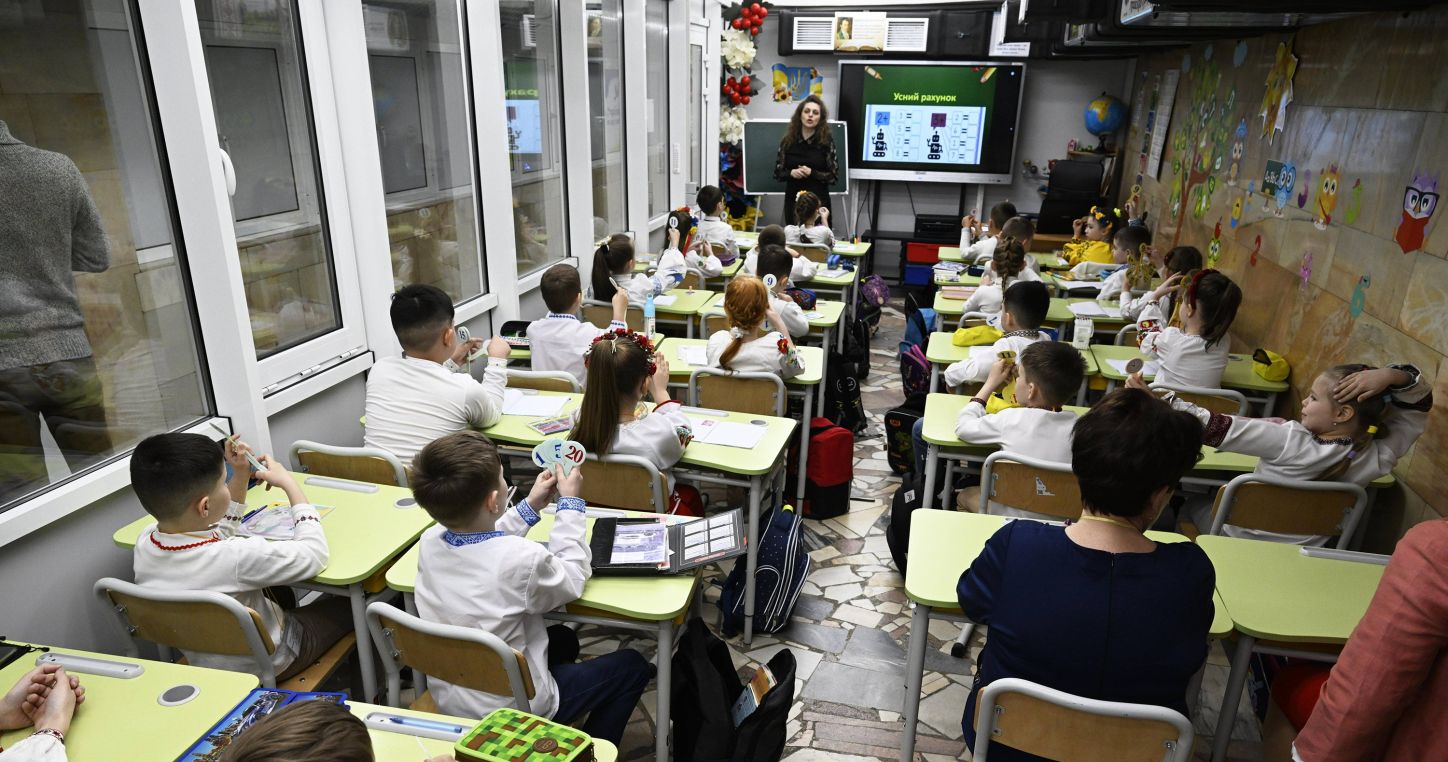
During this time, thousands of schools have been damaged or destroyed. According to official data, 4,456 educational institutions have been affected by bombing and shelling. 408 of them have been completely destroyed. For many children, school is no longer a stable and safe place. All these years, classes have been held between air raid sirens, in bomb shelters, basements, and sometimes in the subway. Some children study only online due to danger or lack of light and heat.
Millions of Ukrainian children have been forced to leave their homes. Some have moved within the country, others abroad. For them, learning means adapting to a new language, a new curriculum, new classmates — and, at the same time, trying not to lose ties with their country. Life has changed dramatically and irrevocably, because for some children, four years is their entire life.
But now one of the biggest challenges for us Ukrainians has become exhaustion. Due to rocket attacks, news of friends and relatives who have died at the front, darkness caused by destroyed energy infrastructure, and a life where even planning a month ahead seems impossible — we all live in a state of constant psychological terror.
Teachers work in the same difficult and dangerous conditions as their students. They teach after sleepless nights, take children down to bomb shelters, calm them during explosions, and try to complete the curriculum, all while attempting to preserve their own mental health.
Parents work to support their families in unstable conditions, and in the evenings, they help their children catch up on missed schoolwork — sometimes by flashlight or according to the power outage schedule. They explain math and why the siren is going off again. They try to remain calm, even though they themselves are under constant stress.
Children are learning to live in a reality where lessons interrupted by air raid sirens are the norm. Where lesson planning, daily planning, and life in general depend on the alarm signal. Where resilience becomes part of the school curriculum, even if it is not in the textbooks.
During the four years of war, Ukrainian education continued to develop, albeit in a different format due to the circumstances. It has adapted, gone digital, created thousands of shelters and underground schools, and promoted distance learning formats. But these achievements come at a human cost — constant emotional and psychological exhaustion.
We have all been learning resilience for four years. But resilience cannot be pushed beyond human limits. Both the people of Ukraine and our education system need international support — to rebuild schools, provide psychological assistance, digital resources, and, most importantly, to protect the children’s right to learn without fear.
We are extremely grateful to Education International and to colleagues around the world for the unwavering support for our educators, our organization, and our country during these four years in which we have been defending our right to be a sovereign and independent state!"
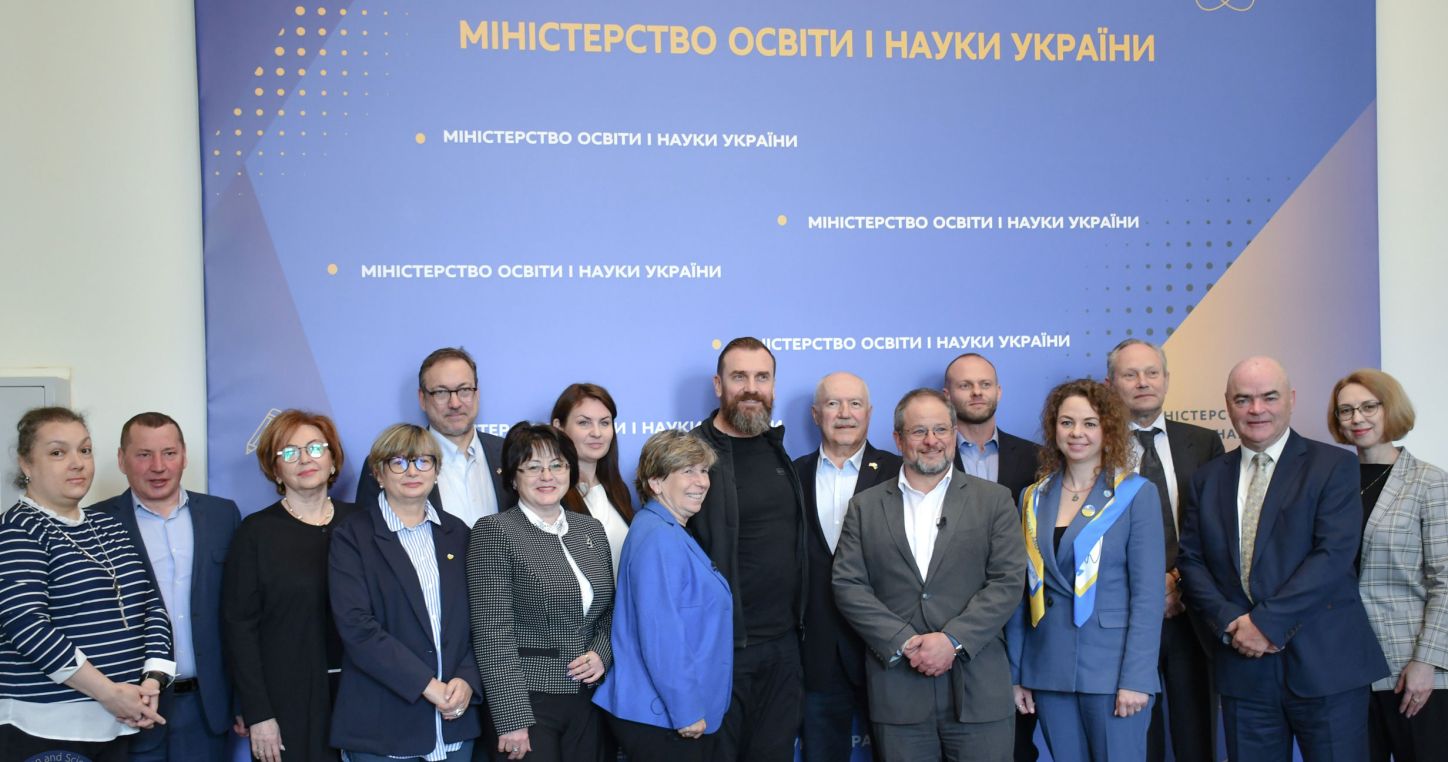
Olesia Briazgunova: Resistance and commitment to a free and peaceful future
"Ukrainian educators and trade unions are working under extraordinarily harsh conditions. As we enter the fifth year of the full-scale Russian invasion, and 12th year of the Russian war against Ukraine, every third child in Ukraine is unable to attend classes in person, according to UNICEF.
Repeated Russian attacks on energy infrastructure have left millions of children, families, and education workers without heating, electricity, or water during extreme winter cold. There are no guarantees of safety for students or teachers, as strikes on civilian areas continue across the country at any time.
Yet despite all this, educators and union members continue to work, resist, and build the future of Ukraine. Many members of the Free Trade Union of Education and Science of Ukraine have also taken up arms to defend our country, protecting their families, their students, and peace in Europe. Despite all the pain, destroyed cities, stolen lives, we resist and fight for peaceful and free future. We are grateful to all who support us today."
The global education union movement stands with Ukraine
“Education International stands with every Ukrainian teacher and with their unions. We stand with Ukrainian students who deserve a future free of fear. We stand with the parents supporting their children through darkness and disruption. And we call on the international community to match the determination of Ukraine’s educators with sustained solidarity and support. The global education union movement will continue to do our outmost in support of our colleagues in their struggle for a free and peaceful Ukraine”, stated David Edwards, Education International General Secretary.
"We call on European institutions and governments to sustain political, financial, and humanitarian support to allow the Ukrainian people to determine their own independent and democratic future, and to rebuild education systems, protect working conditions, and ensure that every child in Ukraine can learn in safety and dignity”, stressed Jelmer Evers, Director of the European Trade Union Committee for Education, Education International’s structure in Europe.