ISTP 2026: Reflections with Estonia in the mirror

Sign up
Sign up for the Worlds of Education newsletter.
Sign up
Sign up for the Worlds of Education newsletter.
Thank you for subscribing
Something went wrong
As my flight lifted off from Tallinn after three extraordinary days at the International Summit on the Teaching Profession (ISTP) 2026, I closed my eyes, put in my earbuds, and pressed play on the work of Estonia’s beloved composer Arvo Pärt. Spiegel im Spiegel—“mirror in the mirror”—offered the perfect soundscape. Its meditative triads create an unfolding sense of infinity, a musical metaphor for the three themes that shaped our shared discussions. The minimalist arpeggio also reminded me how deeply nature is woven into Estonia’s national psyche.
“Welcome to our woods,” Minister Callas told us on the opening morning. It was an invitation that lingered with me, especially as I contrasted Estonia’s reputation for innovation, digitalization, and technological ambition with my visit to the Vosukese Kindergarten. There, a small group of four-year-olds spent their Tuesday exploring outdoors in the most Nordic of ways—taking risks, climbing, discovering. No one referenced the compelling research on low student–teacher ratios that was so visibly on display, yet the value was unmistakable. The whole school cohered around what I came to think of as the “Estonian triad”: building trusting relationships, encouraging autonomy, and nurturing curiosity through inquiry.
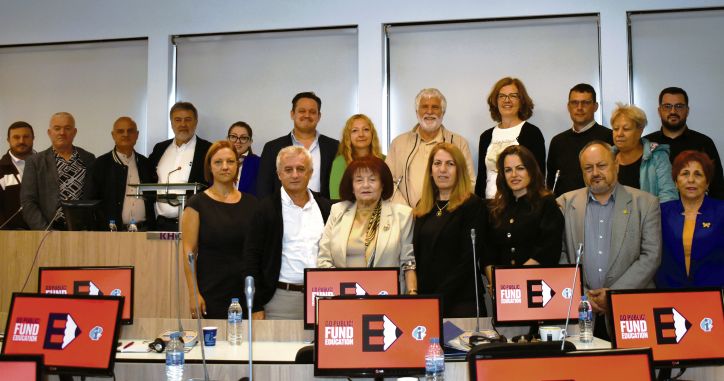
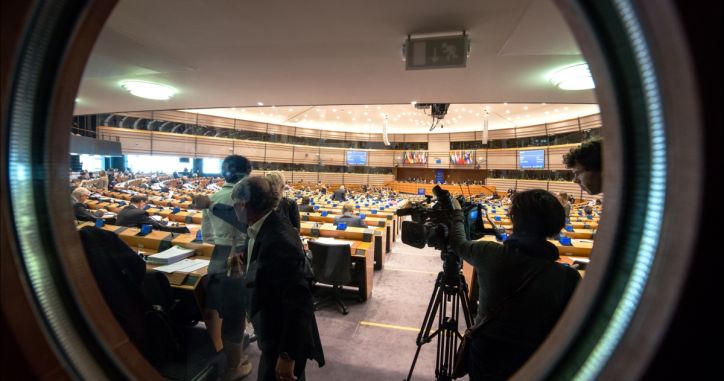
For those who have never attended an ISTP, its structure is deceptively simple: Ministers of Education and teacher union leaders sit together as national delegations, behind a shared flag. From that starting point, they step away from the heat of public debate and into a space of candid, evidence informed dialogue. Freed from soundbite politics, they speak to challenges, share strategies, and cocreate commitments for the road ahead. And, crucially, a delegation can only participate if both ministry and union agree to attend together—a powerful statement in itself.

This year’s theme and three subthemes offered a tightly interwoven braid: the dynamic nature of teaching (pedagogy), the freedom to teach (autonomy), and the risks and opportunities posed by artificial intelligence (technology). Each day began with a school visit that grounded our conversations in lived practice. Estonia, as host, excelled not just in logistics but in creating thoughtful spaces—formal and informal—for reflection, collaboration, and connection.
Across the three days, a shared concern surfaced repeatedly: the pace of disruption in education demands leadership that champions transformation anchored in the centrality of the student–teacher relationship. Time and again, delegations affirmed that education is relational, not transactional—that trust and human connection are the backbone of high performing systems.
Our discussions on autonomy highlighted how slippery the term has become. Too often, professional autonomy and school autonomy are conflated, and history is littered with reforms that collapsed under that design flaw. Those missteps have left many teachers isolated in fragmented, incoherent systems. Delegations agreed that genuine professional autonomy requires purposeful mentoring, adequate and equitable funding, collaborative professionalism, and sustained social dialogue. These are not peripheral supports—they are the infrastructure of trust.
On AI, Estonia pushed us to “shift gears,” a metaphor that resonated. Many participants noted that progress sometimes requires shifting down, not up—adjusting to terrain, evidence, safety, and pedagogical wisdom. The Organization for Economic Co-operation and Development (OECD), Education International, and others pointed to emerging evidence that systems may be creating conditions for cognitive offloading at the expense of patience and mastery. With commercial pressures driving rapid adoption, delegations emphasised the need for strong, independent partnerships among governments, academia, and unions—to research impacts, set guardrails, and ensure technology strengthens rather than supplants teachers’ professional judgment and students’ cognitive and emotional development. The risks are not borne by students alone; teachers, facing mounting workloads, may feel tempted to offload planning or assessment in ways that ultimately erode their own pedagogical expertise.
The final public session brought national commitments and the announcement of next year’s host—the United Kingdom for ISTP 2027. Of all the commitments shared, Ukraine’s moved me most. Invited each year since the invasion, its Minister of Education and the leadership of the Trade Union of Education and Science Workers of Ukraine jointly reaffirmed their commitment to working together on enduring reforms and challenges. They invited delegations to join them on World Teachers’ Day at ISTP4Ukraine, dedicated to elevating teachers as the nationbuilders they are. Their message was unmistakable: if collaboration is possible amid war, it is certainly possible everywhere else.

As I listened again to Pärt on the flight home, those parallel mirrors came back into focus. Estonia offered us a reflection not only of its own journey but of the choices facing every education system today. Trust, professionalism, and human connection remain the triad on which our collective future depends.
The opinions expressed in this blog are those of the author and do not necessarily reflect any official policies or positions of Education International.