Building a climate resilient education system through union solidarity
Interview with Lucas Amadeu Impuane, National Secretary for International Relationships and Projects, ONP - National Teachers Union of Mozambique

Sign up
Sign up for the Worlds of Education newsletter.
Sign up
Sign up for the Worlds of Education newsletter.
Thank you for subscribing
Something went wrong
Worlds of Education: How have teachers been impacted by the recent floods in Mozambique?
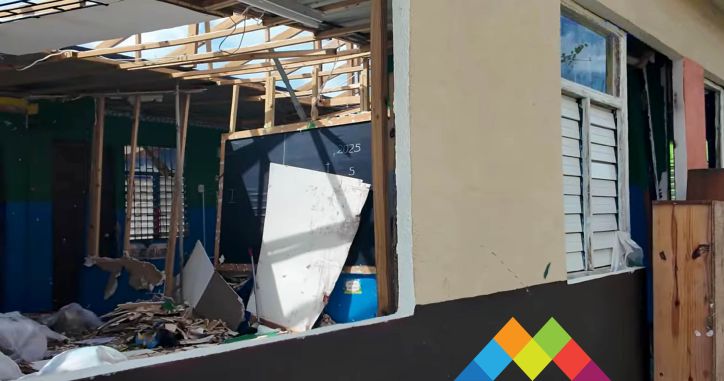
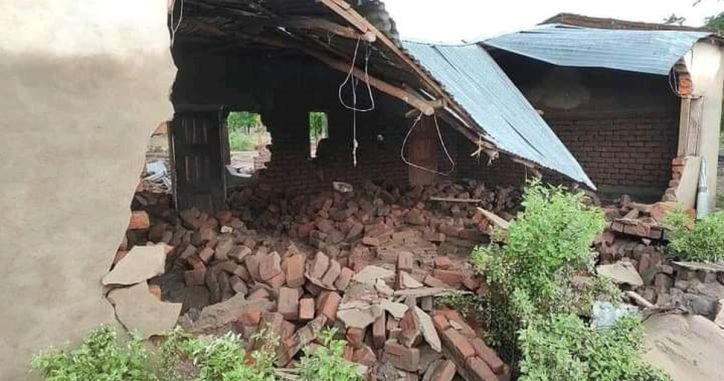
The intense rains that occurred in December 2025 and January 2026 triggered widespread flooding. Overflowing rivers destroyed homes, damaged infrastructure, and massively displaced people.
According to the latest estimates, until January 22, more than 723,532 people were affected, the equivalent of 154,472 families. 124 people lost their lives, 99 were injured, and 6 are missing. This has been the impact in the provinces of Gaza, Sofala, Maputo (both Maputo City and Province) —the most affected areas.
Of those affected, approximately 370,000 people have been displaced from their homes, taking shelter in transit centers, with family members, or with people of good faith in semi-safe zones. More than 72,000 homes have been flooded or damaged by rising water levels in the Central and Southern Regions of Mozambique.
The impact goes beyond rural areas, also reaching densely populated towns and urban centers.
Education communities have felt the impact. The floods affected over 135,000 students and more than 2,600 teachers, including 1,075 members of our union. Nearly 2,000 teachers have had their houses partially destroyed and 522 have lost their homes entirely. 189 ONP members have seen their homes completely destroyed. Over 18,600 teachers, including 1,798 ONP members, have had their homes flooded.
Worlds of Education: What actions does the union plan to take to support the safety and well-being of its members?
Mozambique is located in a region that is particularly vulnerable to climate impacts. Extreme weather events, political conflicts, and terrorism in the northern provinces create recurrent crises for our country.
Since 2020, the ONP has been taking up an active role in implementing humanitarian interventions. In 2021, with the support of the Education International Africa Regional Office, we mobilized 40,000 USD to support nearly 1,172 teachers deeply affected by terrorism in the Cabo Delgado Province. In 2022, we mobilized nearly 31,000 EUR to assist more than 957 teachers affected by Cyclone Ana across 5 provinces. In 2023 we raised 5,000 EUR to assist 50 teachers affected by floods in Maputo province.
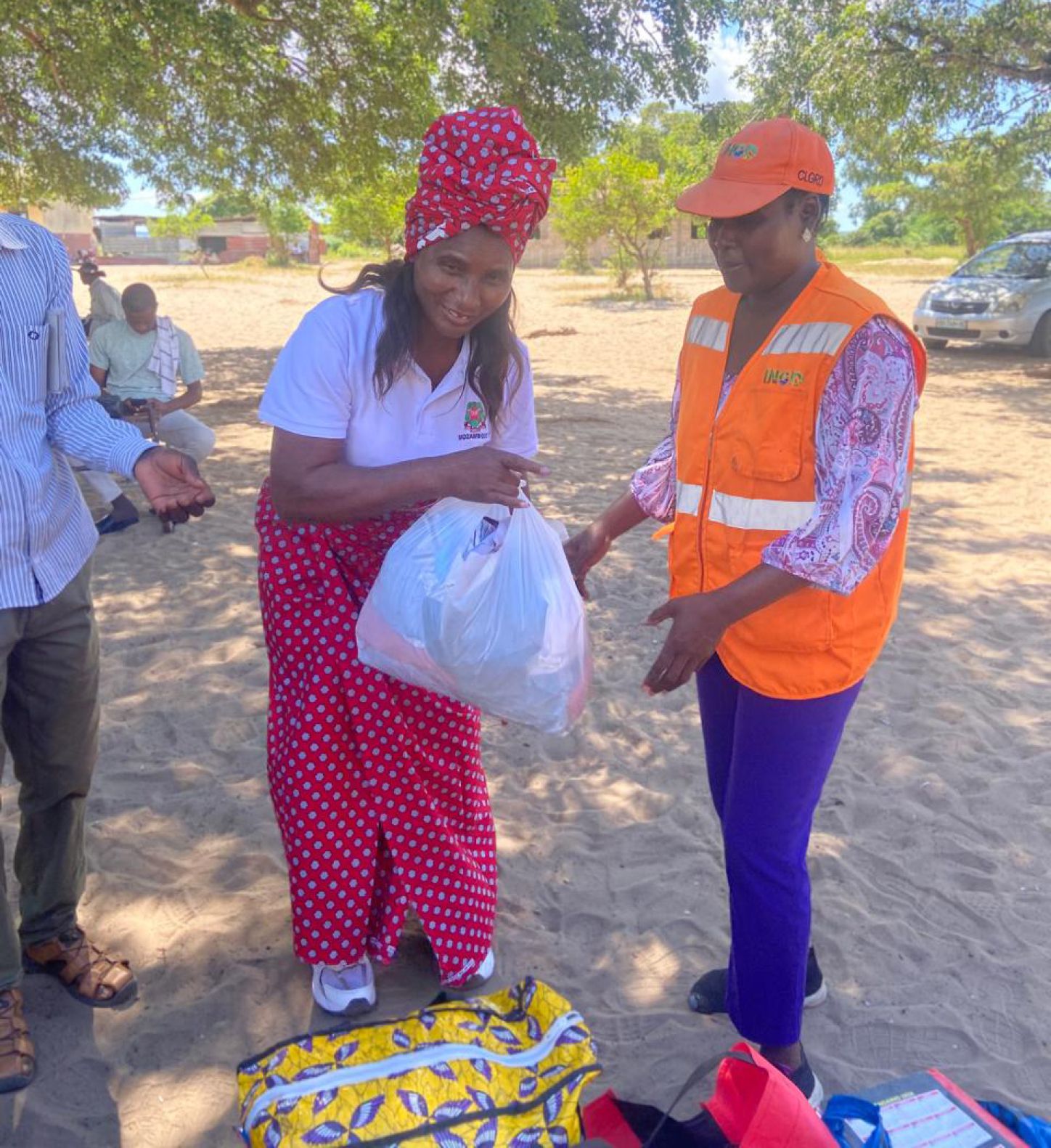
In 2026, we are launching three campaigns along two distinct strategic directions. First, we aim to mobilize humanitarian aid for ONP members affected by the floods. There are approximately 1,075 teachers we want to reach with this aid.
Second, we plan to launch an advocacy campaign for the government to include teachers in national and provincial risk management and disaster response plans. We have secured 6,000 EUR in funding from Education International for this campaign.
Third, we are running an internal campaign to collect clothes, food, blankets, bedsheets, school kits, and kitchen kits for our affected colleagues. This campaign is led by ONP leadership and implemented through our branches across the country.
Worlds of Education: In your opinion, what are the priority policy reforms to make your education system more resilient to climate change?
Building a resilient education system requires structural reforms and evidence-based public policies. We envision several key priorities. Climate adaptation must be integrated into national education plans. The government should increase investment in school infrastructure so that it is resilient to extreme climate events. National curricula must be developed and adapted to include environmental education and risk management. The expansion of digitized alert mechanisms and the adoption of hybrid teaching solutions in times of crisis are also essential. Finally, we are advocating for the decentralization of power and response mechanisms in times of crisis, with a view to providing more agile and effective local responses.
Our advocacy strategy focuses on four main pillars:
- Lobby decision makers to formally include teachers in national and provincial risk management and disaster response plans;
- Advocate for the creation of a specific emergency fund for affected teachers;
- Advocate for subsidized housing insurance mechanisms for public employees in at-risk areas;
- Strengthen the integration of the education sector into national disaster risk reduction strategies.
Worlds of Education: Do teachers and their unions participate in decision-making related to education and climate policies?
Social and policy dialogue on these topics is not common in our context, but we intend to change that. We want to establish our union as a strong partner that the government can work with to protect our education system from the impact of the climate crisis.
Worlds of Education: How is the experience of your colleagues from the Zimbabwe Teachers' Association (ZIMTA) contributing to your project? What is the value of international cooperation?
Sharing good practice and ideas with other unions in the region, who face many of the same challenges we do, is immensely inspiring and helpful when it comes to developing our own action plans and strategies. We are now in the process of formalizing this valuable exchange with colleagues in ZIMTA on teacher resilience in the face of the climate crisis and we look forward to effecting real change for our members and students.
International cooperation both in our region and at the global level through Education International plays a great role in empowering our union and our members to address the impacts of the climate emergency in our context and protect our education system from disruptions.
The opinions expressed in this blog are those of the author and do not necessarily reflect any official policies or positions of Education International.