Syria: Union calls for mother-tongue education as a cornerstone of inclusive and democratic societies
On the occasion of Kurdish Language Day, the Union of Teachers in North and East Syria (UTNES), an affiliate of Education International (EI), has renewed its call for the official recognition of the Kurdish language in Syria, stressing that mother-tongue education is a fundamental human right and a cornerstone of inclusive and democratic societies.
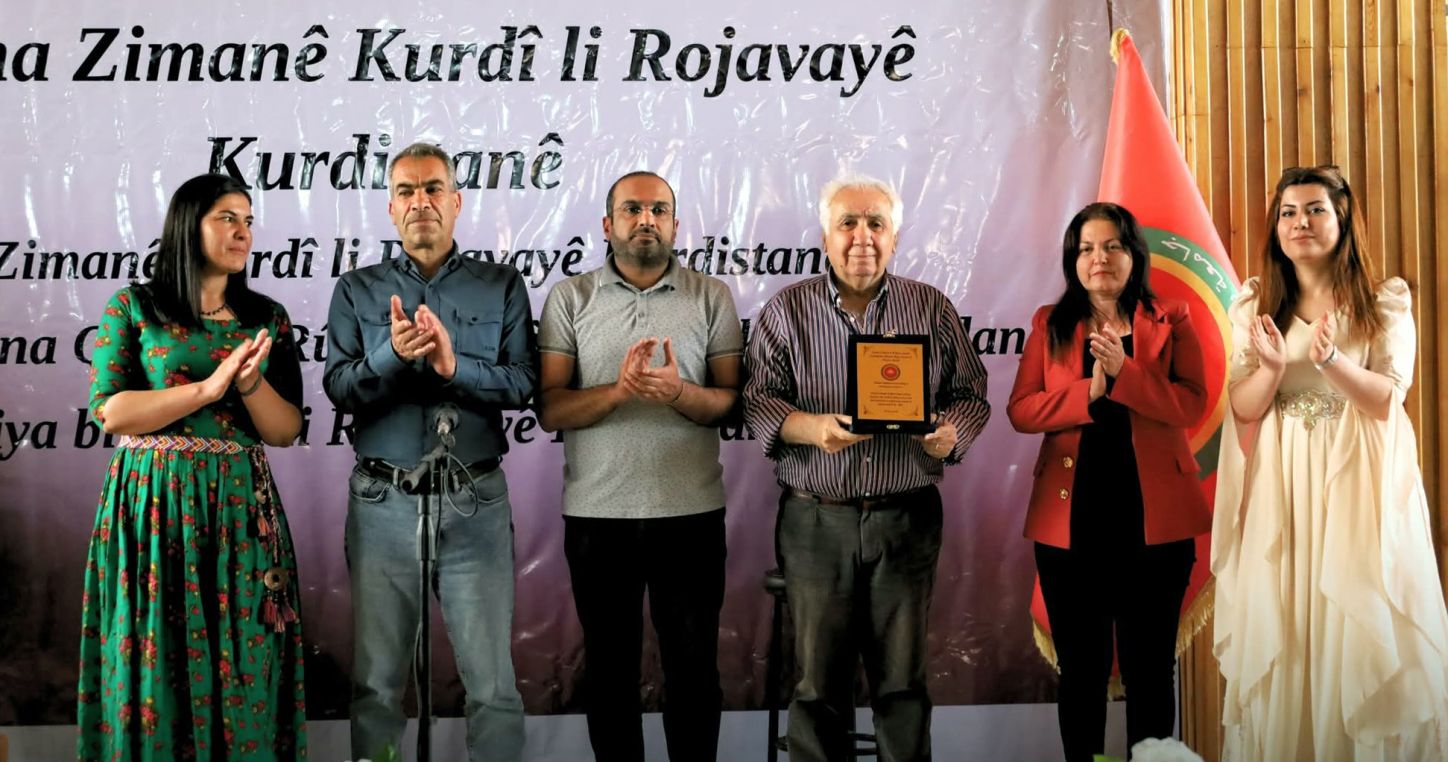
Across North and East Syria, UTNES organised a series of educational, cultural, and public events, including marches, seminars, lectures, and community discussions. These brought together teachers, students, academics, and civil society representatives to highlight the importance of the Kurdish language as an essential part of cultural identity and social cohesion.
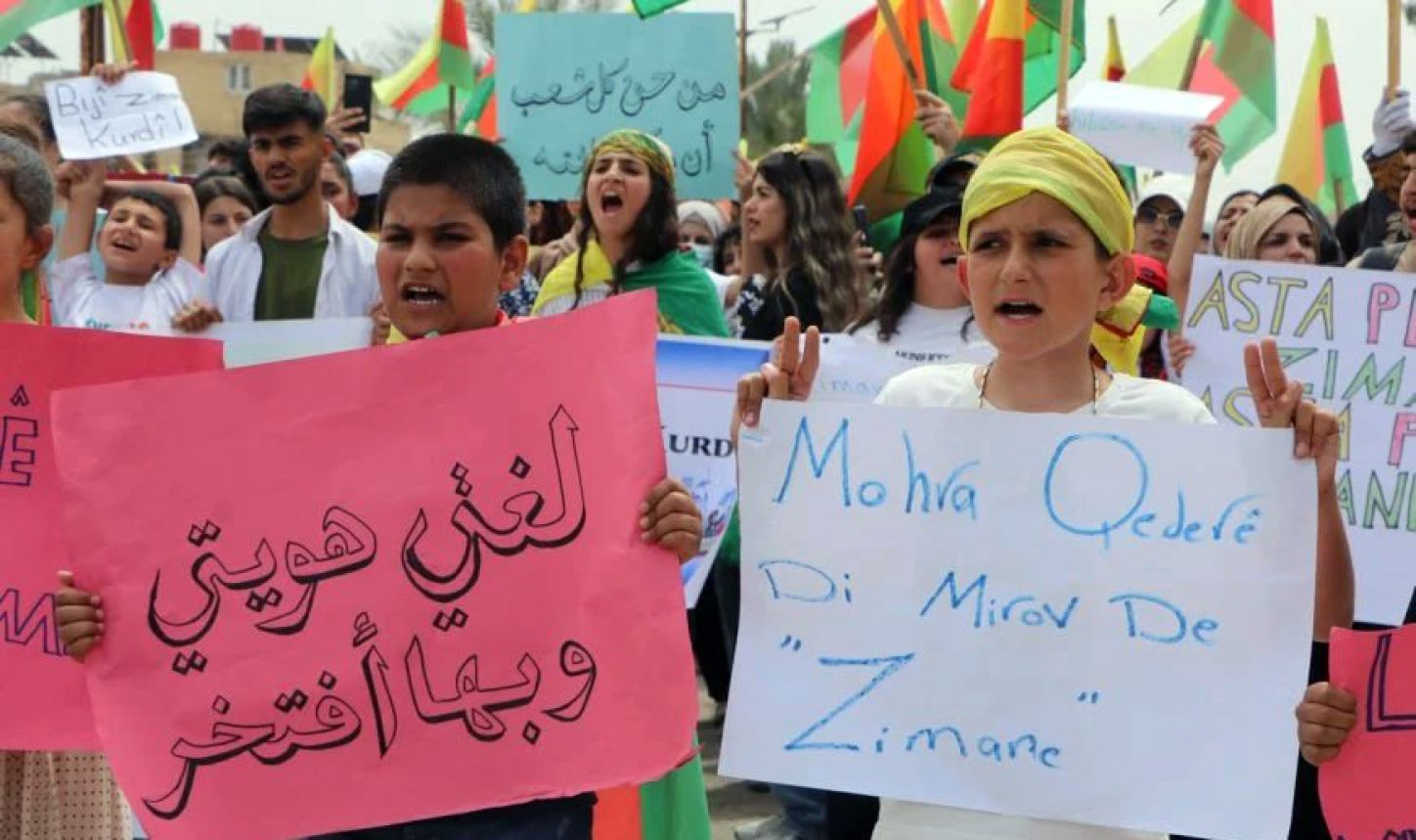
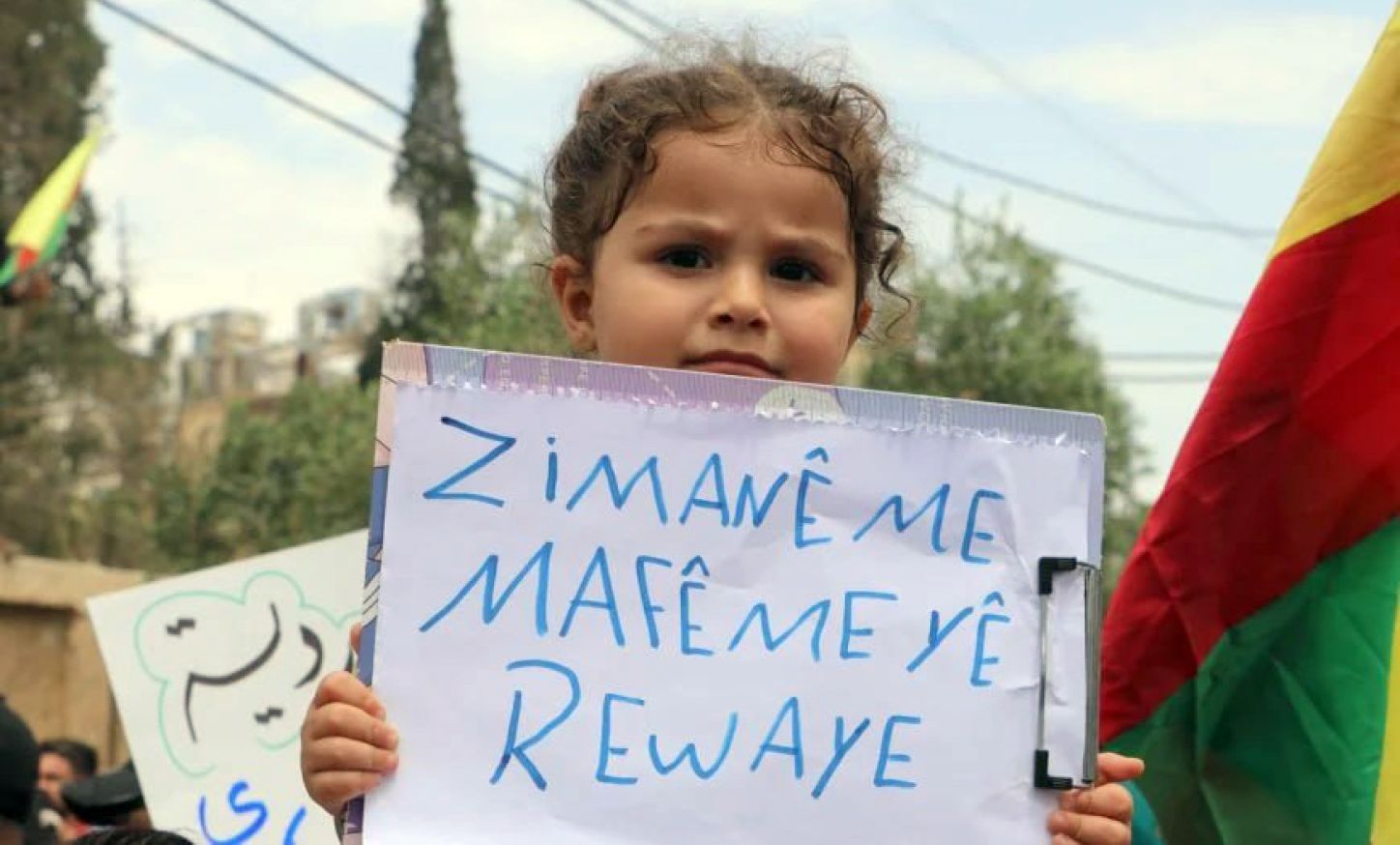
Participants emphasised that access to education in one’s mother tongue is essential for quality education and meaningful participation in society. They underlined that respecting linguistic diversity is key to building a democratic, inclusive, and pluralistic Syria.
“Education in the mother tongue is a fundamental right recognised by international human rights standards,” UTNES representatives stressed. “Without it, equality, inclusion, and quality education cannot be fully realised.”
Advancing linguistic rights and democratic education
UTNES reiterated the urgent need for the Kurdish language to be officially recognised within Syria’s education system and public institutions, and called for its explicit inclusion in the country’s future constitution. The union highlighted that safeguarding linguistic and cultural rights is fundamental to ensuring justice, equality, and peaceful coexistence among Syria’s diverse communities. According to educators involved in the initiative, meaningful democratic transformation in Syria must include recognition of all languages and identities.
The union also paid tribute to the efforts of teachers and education workers who have worked for years to develop and sustain Kurdish-language education, often in the face of marginalisation and systemic exclusion. Their commitment, UTNES noted, reflects the vital role of educators in defending both the right to education and cultural rights, even in challenging contexts.
International solidarity for mother-tongue education
Education International supports its affiliate’s call and reiterates that governments have an obligation to guarantee the right to learn in one’s mother tongue. This is essential not only for improving learning outcomes but also for fostering mutual respect, social cohesion, and democratic participation.
UTNES has called on the international community, global education unions, and education stakeholders to stand in solidarity with teachers and communities in Syria and to support efforts to protect and promote mother-tongue education rights.