From Afghanistan to the world: Solidarity is hope

Sign up
Sign up for the Worlds of Education newsletter.
Sign up
Sign up for the Worlds of Education newsletter.
Thank you for subscribing
Something went wrong
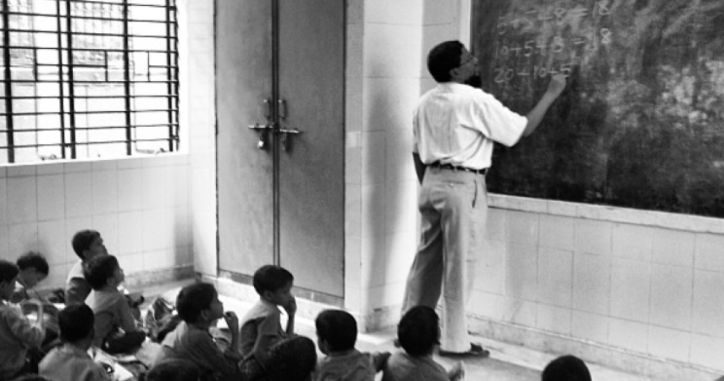
I am 44 years old and I hold a bachelor’s degree in chemistry. I teach at a high school in Kabul, and I have been working as a teacher for 20 years.
Teachers in my country are among the poorest groups in society, and that alone is enough to start the day feeling depressed. But it is not all. When you cannot raise your voice to demand your human rights, when you cannot address your financial struggles or claim your civil rights, life naturally becomes a heavy burden on your shoulders.
Our wages do not cover the cost of a decent life for ourselves and our families. I often worry if I can afford basic expenses like food and transportation, let alone emergency expenses. Worse still, in an authoritarian regime, we have no recourse and nowhere to turn to improve the situation. We have no access to basic social and civil rights and demanding them puts us and our families at risk. The stress and pressure are unrelenting with no end in sight.
As a teacher, it breaks my heart to see the impact of the current situation on my students. In high school they should be brimming with optimism and plans for the future. However, what I see every day is a generation that lacks motivation because they have a hard time imagining a future they can look forward to. Deprivation and lack of freedom is all they see and I wish I could confidently paint them a different picture. Education is an act of hope but when you’re standing in front of a classroom full of disheartened young people, it’s almost impossible to find the optimism. It does not help that our schools are inadequate and we lack basic educational materials.
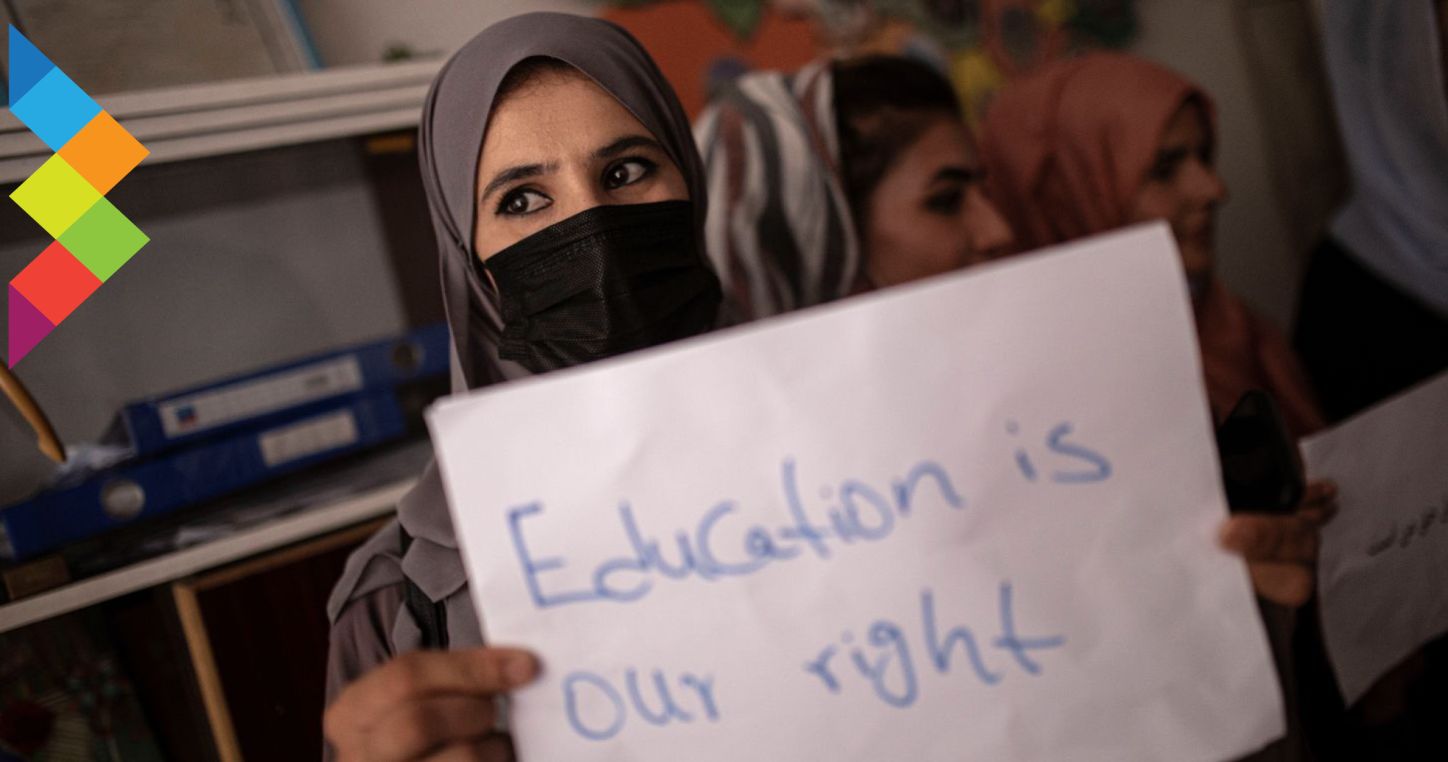
If my students are despondent, at least they are in school. Across the country, girls are being denied their right to education as well as most of their human rights.
We all feel stuck in a bad dream.
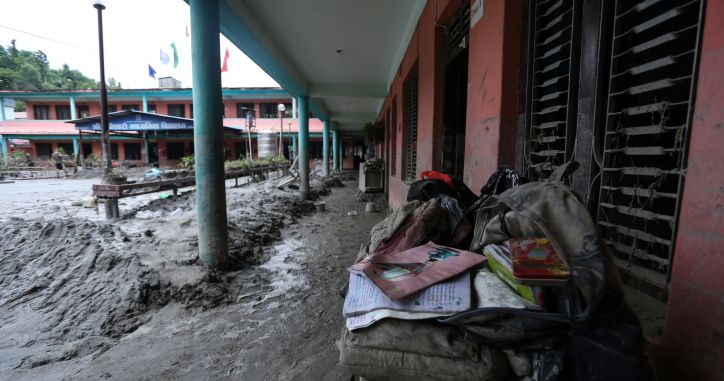
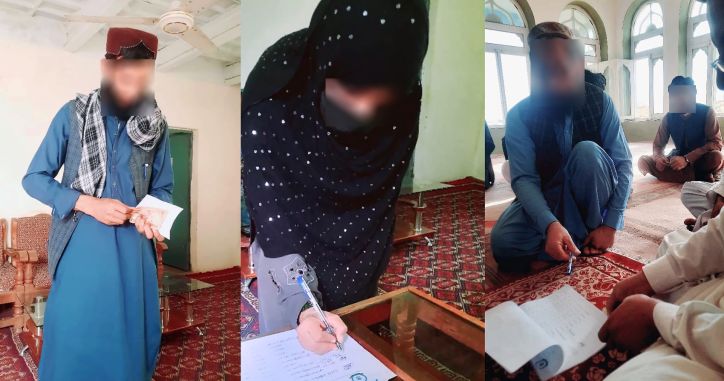
Since the current regime came to power, the role of all civil and social organisations has become very limited, especially for government employees, and supporting teachers and students has become increasingly difficult. But we’re not giving up. Our union is still working, despite the risks and against the odds. The union has done its best to address the personal and professional problems of teachers by maintaining contact with local authorities. One of the best examples of this was coordinating aid from international colleagues for the victims of the recent earthquake in Kunar Province. This action not only showed us that solidarity among teachers in Afghanistan was still strong and effective, it showed us that colleagues beyond our borders did not forget us.
This global solidarity is extremely valuable and important to us. It’s a breath of fresh air. It keeps hope alive. Hope that our girls will be able to return to school. Hope that women teachers will come back to their students and their classrooms. Hope that our country will change for the better.
My message to colleagues around the world is simple: be our voice, stand with the students and the teachers of Afghanistan, help us defend girls’ right to education, teachers’ right to dignity, freedom for our people. Help us believe in a better future for all.
The opinions expressed in this blog are those of the author and do not necessarily reflect any official policies or positions of Education International.