Albania: Education unions’ collective power leads to landmark legal change improving teacher conditions
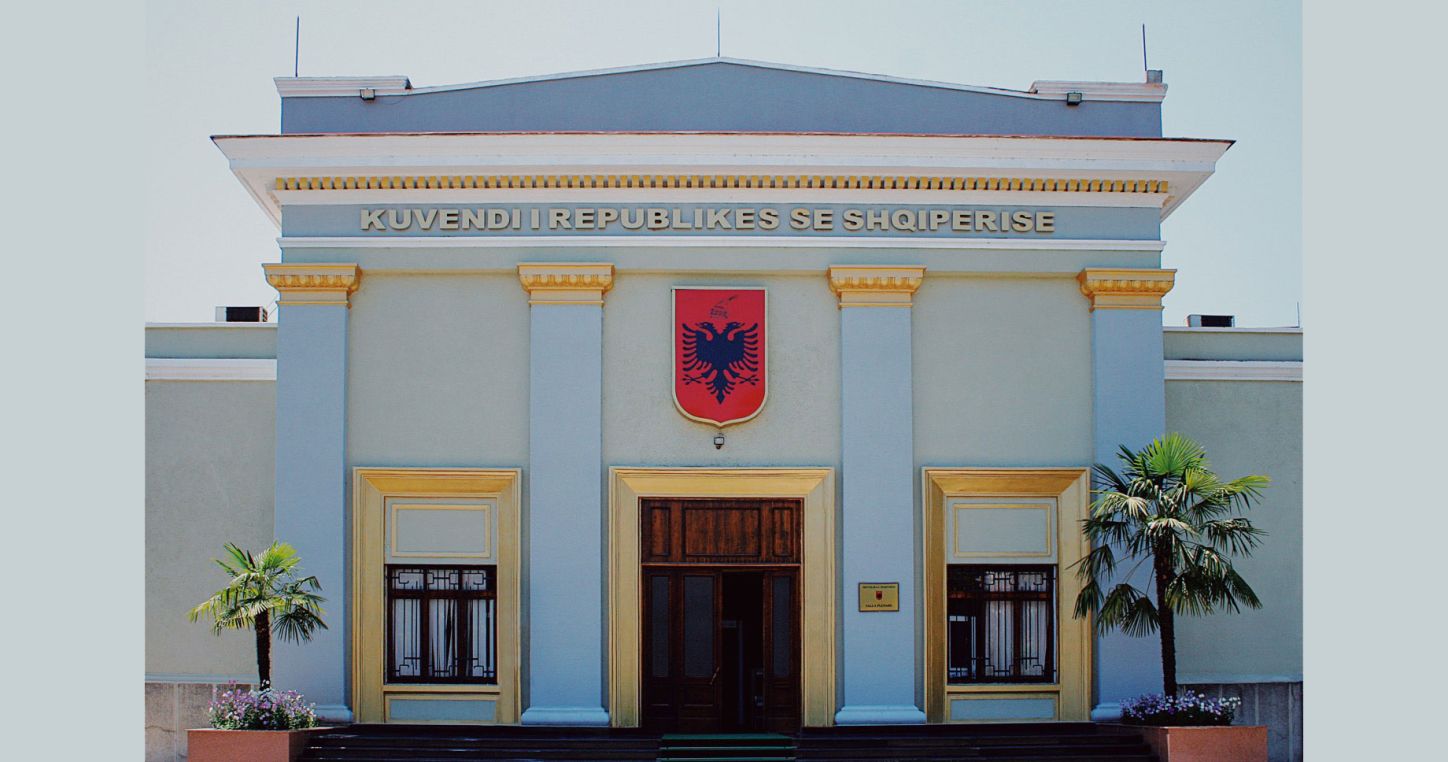
Education unions in Albania have won a major legislative victory for teachers and education workers after a sustained national campaign for fairer salaries, stronger public education, and increased investment in education. The amendments to Law No. 69/2012 on Pre-University Education, approved by the Parliament of Albania on 5 March 2026, are the most significant achievement of the joint campaign led by the Trade Union Federation of Education and Science of Albania (FSASH) and the Independent Trade Union of Education of Albania (SPASH). Both are Education International (EI) member organisations.
The legislative amendments resolved a long-standing inequality affecting 6,761 teachers and education employees, ensuring equal treatment for those employed before the Bologna system. The reform also extended the age limit for students with disabilities in specialised schools from 19 to 21 years old and included the “After School” programme, providing additional support to students and helping reduce financial pressure on families.
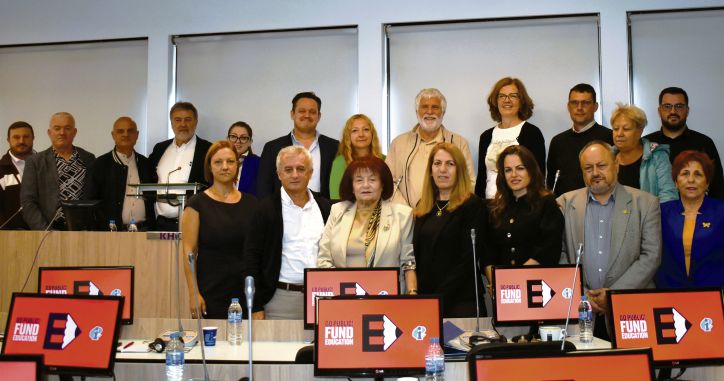
This victory followed months of organising, policy analysis, public mobilisation, media work, and institutional pressure through the EI Go Public! Fund Education campaign, implemented jointly by FSASH and SPASH with support from Education International. This global campaign is an urgent call for governments to invest in public education, a fundamental human right and public good, and to invest more in teachers, the single most important factor in achieving quality education.
A union campaign rooted in teachers’ fair treatment
The campaign began with a clear diagnosis: Albania’s public education system was being undermined by chronic underfunding, salary inequalities, implementation gaps, and insufficient support for teachers and students. Through Go Public!, FSASH and SPASH put education financing, teachers’ working conditions, school infrastructure, and equity at the centre of public debate.
A key demand running throughout the campaign was the need to increase public investment in education towards at least 5% of GDP, in line with international recommendations. The unions constantly linked underfunding to challenges in teacher salaries, school infrastructure, learning materials, staffing, support services, and inclusive education.
They also identified a specific salary injustice affecting teachers who completed their studies before the Bologna system. Under Decision No. 425/2024 on teachers’ salaries, some pre-Bologna qualifications were reclassified under newer standards, reducing the qualification-based salary component for affected teachers. FSASH and SPASH argued that these qualifications represented the highest required level at the time they were obtained and should be fully recognised.
From evidence to legal change
The campaign then moved from awareness raising to concrete policy proposals. Regional union leaders participated in advocacy workshops, policy analysis sessions, social media trainings, and strategic planning meetings. These activities strengthened the unions’ ability to research policy, draft demands, communicate with members, engage in lobbying activities towards policymakers, and build public support.
At a Community Forum on Education held on December 19th, 2025, in Tirana, the education unions discussed salary inequalities, transport compensation, the 2026 education budget, and the need for legal guarantees to protect teachers affected by the Bologna-related reclassification. Participants agreed that a sustainable solution required amendments to Law No. 69/2012 on Pre-University Education, giving stronger legal force to the recognition of pre-Bologna qualifications.
The presidents of SPASH and FSASH, Nevrus Kaptelli and Shpetim Brahaj, presented the unions’ position on the 2026 draft education budget before the Parliamentary Committee on Education. Their intervention stressed that public investment in education remained far below European and regional benchmarks and could not meet the sector’s needs without a progressive increase in funding.
The unions’ legal proposal focused on amending Law No. 69/2012, so that teachers who completed their studies before the Bologna system would be explicitly protected by law, ensuring full recognition of their qualifications and proper remuneration group classification. This proposal is part of a legal strategy seen as a long-term solution designed to prevent similar inequalities in the future.
Teachers mobilised, unions organised
The legislative win was preceded and backed by strong teacher mobilisation. On May 1st, 2024, more than 2,000 teachers from across Albania joined a protest in front of the Ministry of Education in Tirana. The report describes the action as one of the largest education-related protests in recent years and a powerful display of unity around demands for increased education funding, better working conditions, adequate infrastructure, learning materials, investment in teachers’ salaries and training, and inclusive education for all children.
The mobilisation helped raise the political cost of overlooking teachers’ demands. Campaign materials, banners, social media graphics, videos, media appearances, and union visibility at public events helped bring the education funding debate to a wider audience. SPASH representatives appeared in national media to explain the consequences of underfunding and advocate for reform.
The campaign was also reinforced through the 2024 FSASH Congress, whose central theme was “Public Funding for Education – A National Priority.” The congress strengthened alignment between FSASH and SPASH, supported coordinated advocacy, and kept public education funding high on the union agenda.
Building alliances beyond the union movement
FSASH and SPASH then expanded the campaign beyond union membership by involving parents, students, civil society organisations, educators, school staff, and public institutions. Community forums and webinars created spaces for teachers, families, students, and civil society to speak about the impact of underfunding on schools and communities.
A victory for teachers and students
FSASH and SPASH concluded their campaign activities in April 2026 after achieving one of their central objectives: contributing to policy change and improvements in Albania’s education system. Through the Go Public! Fund Education campaign, they turned capacity building into collective power, and collective power into legislative change. They demonstrated that legal victories are won when workers organise collectively, build alliances, document injustice, sustain pressure, and refuse to accept underfunding as inevitable.