Bulgaria: Teachers’ unions unite behind call to fund public education and strengthen the teaching profession
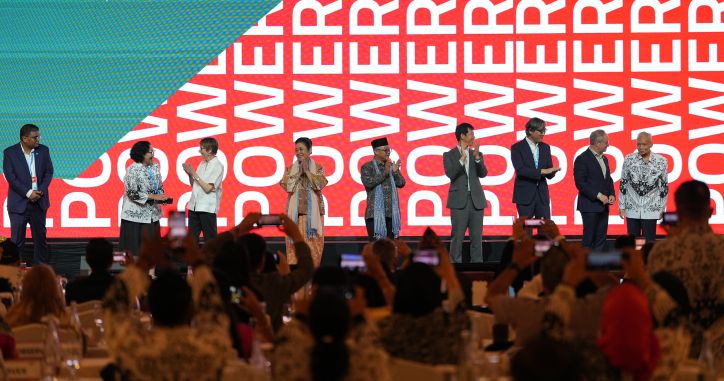
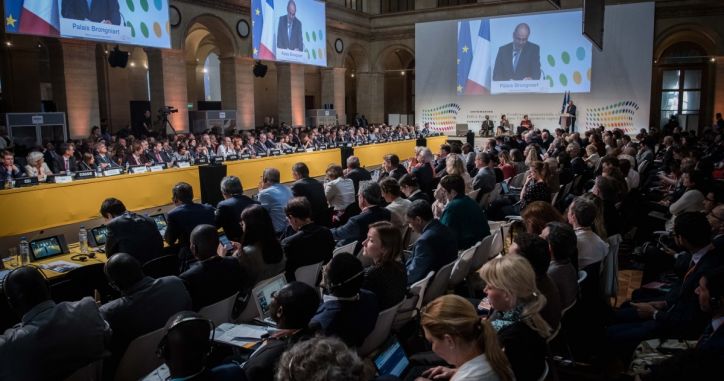
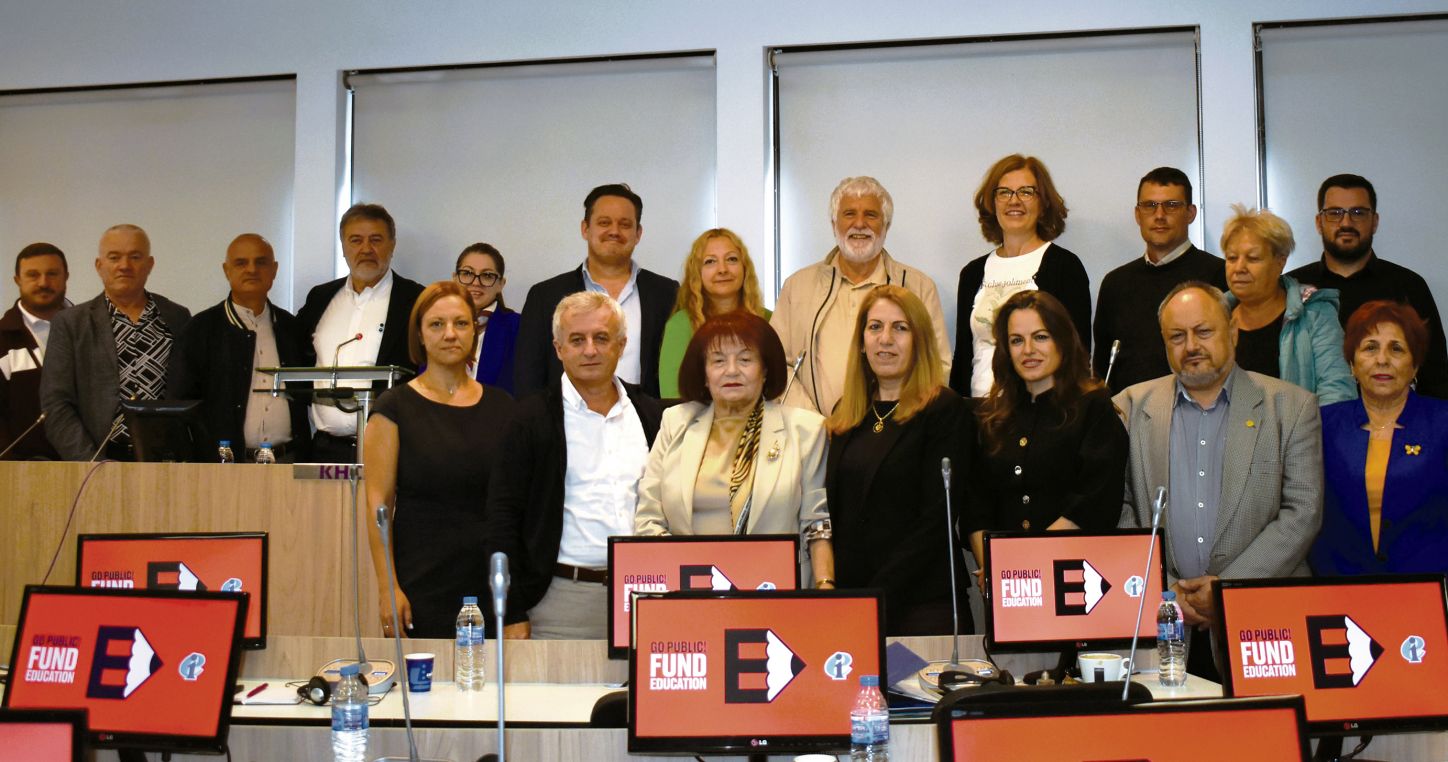
Education union leaders from across Southeast Europe gathered in Sofia, Bulgaria, for a three-day strategic forum under Education International’s (EI) Go Public! Fund Education campaign. The meeting focused on one of the most pressing challenges facing education systems worldwide: ensuring sustainable investment in public education and rebuilding the attractiveness of the teaching profession.
Hosted by the Bulgarian Teachers’ Union (SEB), the meeting brought together union representatives from Albania, Bosnia and Herzegovina, Bulgaria, Kosovo, and Slovenia, alongside national education authorities and representatives from Education International and the European Trade Union Committee for Education (ETUCE). The forum provided an opportunity for participants to exchange experiences and develop common strategies to address the growing teacher shortage crisis, improve working conditions, strengthen social dialogue, and secure adequate funding for education.
Investing in teachers is investing in the future
Opening the forum, Yanka Takeva, SEB President, stressed the importance of recognising education as a strategic investment rather than a budgetary cost. She highlighted the need for policies that respond to changing social realities, technological transformation, demographic challenges, and evolving expectations of education systems.
Throughout the meeting, participants examined the implementation of the recommendations of the United Nations High-Level Panel on the Teaching Profession and discussed how governments can create the conditions required to attract and retain qualified teachers.
The forum also underscored the crucial role of social dialogue in shaping effective education policies. Bulgarian education authorities, and members of parliament joined discussions alongside union representatives, reflecting a collaborative approach that participants identified as a key factor in improving education systems and supporting education workers.
A regional response to shared challenges
While national contexts differ, delegates agreed that education systems throughout the region face many common challenges. These include teacher shortages, excessive workloads, difficulties recruiting young teachers, insufficient funding, and concerns about job security and working conditions.
Participants shared experiences of how these issues are affecting schools and education workers in their respective countries. Discussions also highlighted the growing pressure on education systems to adapt to technological change while ensuring that students continue to receive inclusive quality public education.
The Bulgarian experience attracted particular attention. The country's long-standing commitment to collective bargaining and social dialogue has contributed to significant progress in teacher pay, professional development opportunities, and employment security. Delegates explored how some of these practices could inform advocacy efforts elsewhere in the region.
Despite these achievements, Bulgarian education continues to face challenges. Union leaders pointed to an ageing workforce and difficulties attracting enough young teachers, particularly in science subjects. Addressing these shortages will require continued investment in teacher preparation, professional support, and working conditions.
Education unions leading the way
For Jelmer Evers, European Director of ETUCE, the Sofia gathering demonstrated the importance of strategic union organising and international cooperation.
“The strongest unions stand out precisely because they plan well and work to a clear strategic vision, he said." Evers noted that bringing together unions facing similar challenges allows them to exchange practical solutions and strengthen their ability to achieve long-term goals.
Reflecting on the outcomes of the forum, he described the meeting as a success and welcomed the strong engagement of participating organisations.
Evers also highlighted the achievements of the Bulgarian Teachers’ Union in building a strong membership base and maintaining productive social dialogue with the government. "What the Bulgarian Teachers’ Union has achieved is a truly excellent example."
Building union power to address the teacher shortage crisis
Angelo Gavrielatos, manager of the Go Public! Fund Education campaign, placed the regional discussions within the context of a worldwide education staffing crisis. According to figures presented during the forum, education systems around the globe face a shortfall of 44 million teachers – including 4.8 million across Europe and North America, threatening the right to quality education for millions of students.
The Sofia meeting was one of a series of strategic gatherings organised by EI around the world, bringing together education unions facing similar circumstances and challenges.
For Gavrielatos, addressing this crisis requires sustained advocacy and stronger unions capable of influencing public policy. "The purpose of these meetings is to build strength and learn from one another, as we continue to fight and campaign for greater investment in teachers and in education," he said.
Putting teachers at the centre of education policy
A central theme running throughout the meeting was the need to place teachers at the heart of education reform. Gavrielatos emphasised that investing in teachers is essential to guaranteeing quality education for all learners.
"Go Public! Fund Education is an urgent call for governments to invest in public education, which is a fundamental human right and public good, and to invest more in teachers - the most important factor in achieving quality education," he said.
He stressed that meaningful investment in education must include fair salaries, manageable workloads, secure employment, strong labour rights, and genuine respect for the professional expertise of teachers and education support personnel.
The forum also examined priority recommendations emerging from the United Nations' work on transforming the teaching profession. Participants discussed how unions can advocate for stronger implementation of these recommendations at national level and ensure educators are involved in shaping the future of education.
Strengthening solidarity across borders
The Sofia meeting concluded with a shared commitment to deepen cooperation among education unions in Southeast Europe and continue building collective power to advance public education. Participants reaffirmed that international solidarity remains one of the most effective tools available to education unions confronting increasingly global challenges.