The denial of education is a crime against humanity: The International Criminal Court landmark decision on Afghanistan
In October 2026, the International Criminal Court (ICC) took an unprecedented step by issuing arrest warrants against former Taliban education officials Habibullah Agha, former Minister of Education, and Neda Mohammad Nadim, former Minister of Higher Education. The Court states that these officials helped implement policies that deprived women and girls of fundamental rights, including access to education, as part of a broader campaign of gender-based persecution.
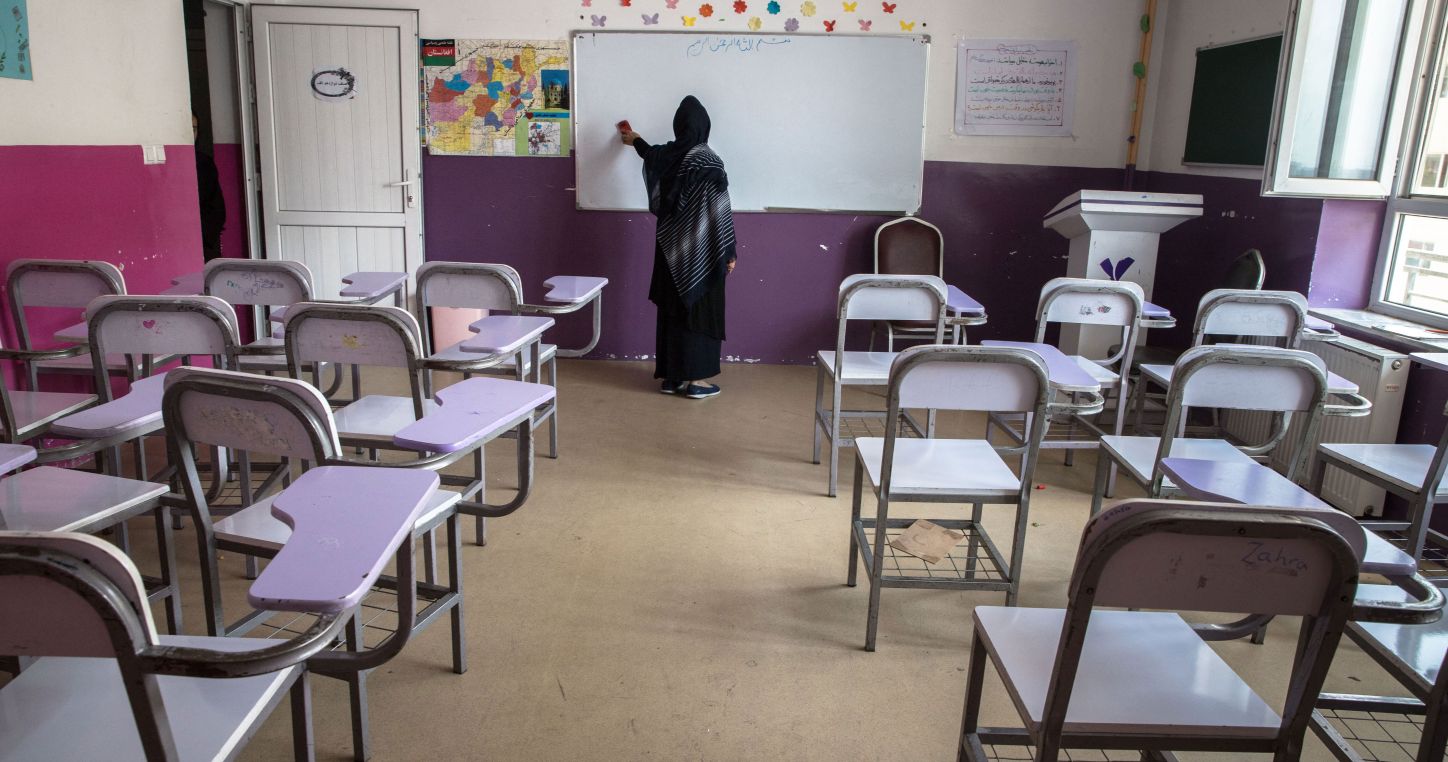
For teachers and education unionists around the world, the significance of this decision extends far beyond Afghanistan. It is one of the clearest acknowledgements by an international tribunal that denying girls and women access to education is not merely a policy choice or a human rights violation but may constitute a crime against humanity when carried out systematically as part of state policy. The case also highlights the impact of Taliban restrictions on female teachers and education personnel, whose exclusion from public life has further undermined the right to education for millions of learners.
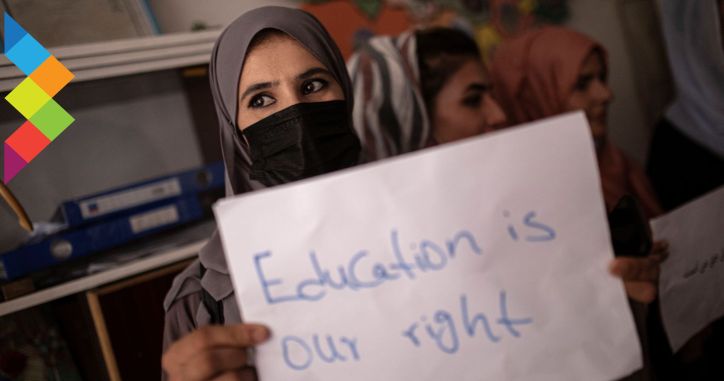
Five years after the Taliban’s return to power, Afghanistan remains the only country in the world where girls and women are officially barred from secondary and higher education. More than 2 million girls have been denied access to education beyond primary school since 2021.
This exclusion forms part of a much broader system of restrictions targeting women and girls, including limitations on access to employment, public spaces, freedom of movement without a male guardian, and participation in public life. The consequences extend far beyond education itself. The closure of schools and universities has increased the risks of child marriage, child labour, gender-based violence, and long-term economic exclusion. Therefore, Afghanistan could lose thousands of women teachers and health professionals in the coming years, further undermining the country’s development and women’s and girls’ access to essential services.
The Afghanistan case forms part of a broader ICC investigation that has already resulted in arrest warrants against senior Taliban leaders, including Supreme Leader Haibatullah Akhundzada and Chief Justice Abdul Hakim Haqqani, for the alleged crime against humanity of persecution on gender and political grounds.
The ICC under pressure
The Court's work has increasingly come under pressure from states and political actors affected by its investigations. ICC judges, prosecutors, and staff have faced sanctions, travel restrictions, intimidation, and public attacks, particularly in relation to investigations and arrest warrants concerning Palestine and Ukraine.
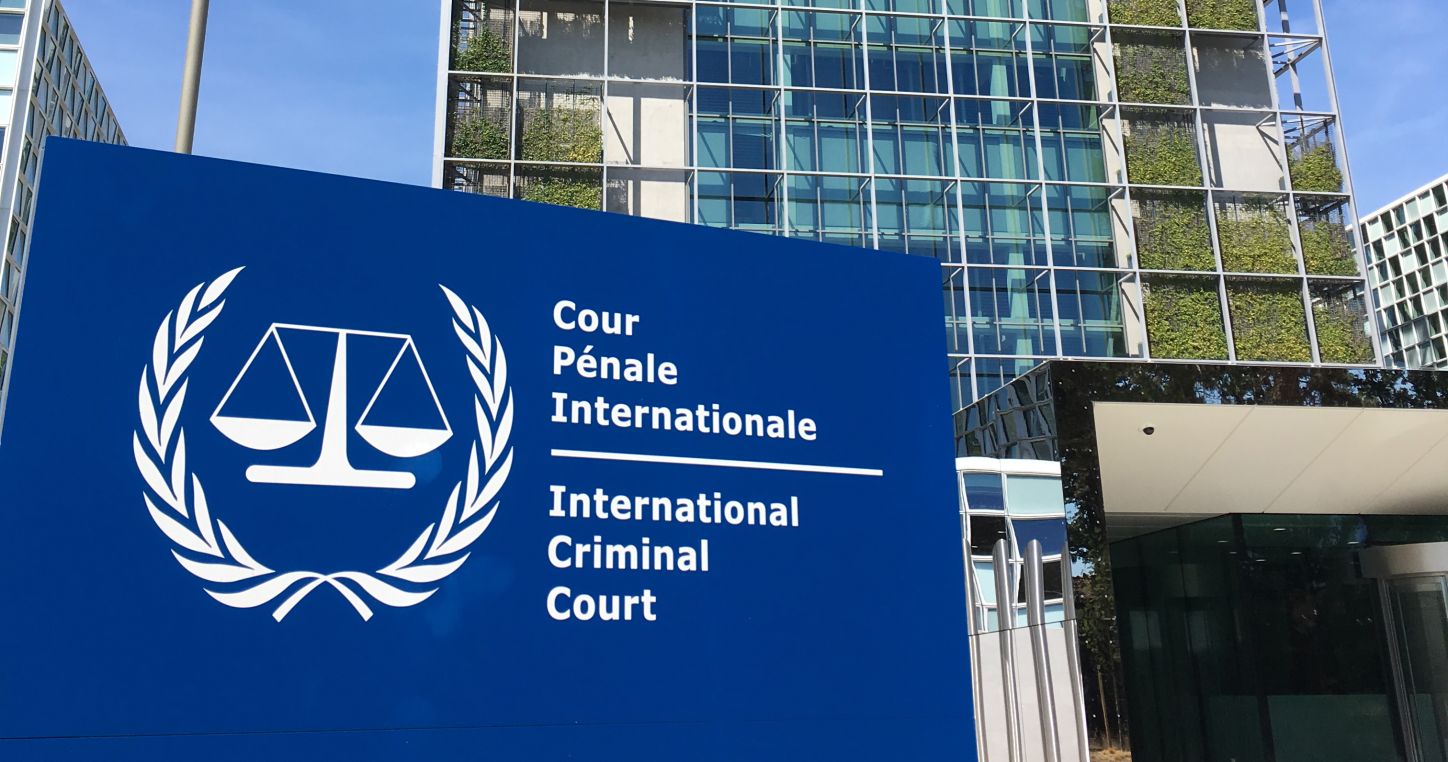
The United States has imposed sanctions on ICC officials triggered by the Court's investigations and arrest warrants concerning Israeli officials in relation to the military tactics in Gaza. The governments of Israel and Russia have also rejected the Court's jurisdiction or challenged its decisions in cases affecting their nationals and officials. These developments have raised concerns about the ability of international judicial institutions to operate independently and without political interference.
In response, the European Union and many of its member states have reaffirmed their support for the ICC. One of the most visible expressions of this support came on the 22 October 2026, when the European Parliament awarded the Sakharov Prize for Freedom of Thought to the ICC and its officials. Describing the Court as a cornerstone of international justice, the European Parliament called for greater protection of judges, prosecutors and staff against sanctions, intimidation, and political pressure.
The Sakharov Prize has a long history of recognising individuals and movements defending human rights and fundamental freedoms. Previous laureates include Malala Yousafzai, who received the prize in 2013 for her advocacy for girls' right to education and went on to share the Nobel Peace Prize in 2014 with Indian children's rights activist Kailash Satyarthi. In 2019, the Sakharov Prize was awarded to Ilham Tohti, a Uyghur university professor advocating for academic freedom and open research on ethnic relations, who was sentenced to life imprisonment in China because of his writings, teaching, and efforts to promote dialogue between Uyghurs and Han Chinese. More recently, the prize was awarded to the democratic opposition in Belarus (2020), the people of Ukraine (2022), Jina Mahsa Amini and the Women, Life, Freedom movement in Iran (2023), and again the Women, Life, Freedom movement in Iran (2025).
Other landmark ICC cases
The Afghanistan proceedings are part of a broader effort by the ICC to address serious violations of international law.
In the context of Ukraine, the Court issued arrest warrants for Vladimir Putin and Maria Lvova-Belova on allegations relating to the unlawful deportation and transfer of Ukrainian children from occupied territories to the Russian Federation. The investigation was supported by referrals from more than 40 ICC member states.
As mentioned earlier, the Court has also examined allegations arising from the genocide in Gaza and the broader conflict in Palestine. In 2024, ICC prosecutors sought arrest warrants against senior leaders of both Hamas and the State of Israel, alleging serious violations of international law, including hostage-taking, attacks against civilians, and the use of starvation of civilians as a method of warfare. These proceedings have generated intense international debate and further highlighted the political pressures faced by the Court.
Why not Iran?
The Afghanistan case has led many observers to ask whether similar proceedings could be launched concerning violations of rights in the Islamic Republic of Iran. One major legal obstacle is that Iran is not a State Party to the Rome Statute, the treaty that established the ICC. As a result, the Court does not automatically have jurisdiction over crimes allegedly committed in Iran. Unless Iran accepts the Court's jurisdiction or the United Nations Security Council refers the situation, the ICC cannot pursue a case regarding Iran in the same manner as it has in Afghanistan. This has led many advocates to seek accountability through other mechanisms, including UN investigations and national courts exercising universal jurisdiction.
The denial of education is a crime
For educators worldwide, the ICC's Afghanistan decision sends a powerful message: the denial of education is not only an attack on learners, teachers, and communities, but may also lead to international criminal responsibility. At a time when education is increasingly targeted during conflicts and crises, the Court's action reinforces the principle that access to education, including for girls and women, is a fundamental right that the international community cannot ignore.