Gabon: teachers resume strike to secure career regularisation
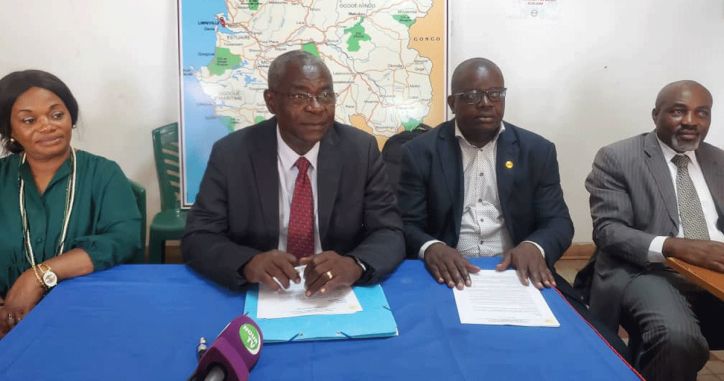
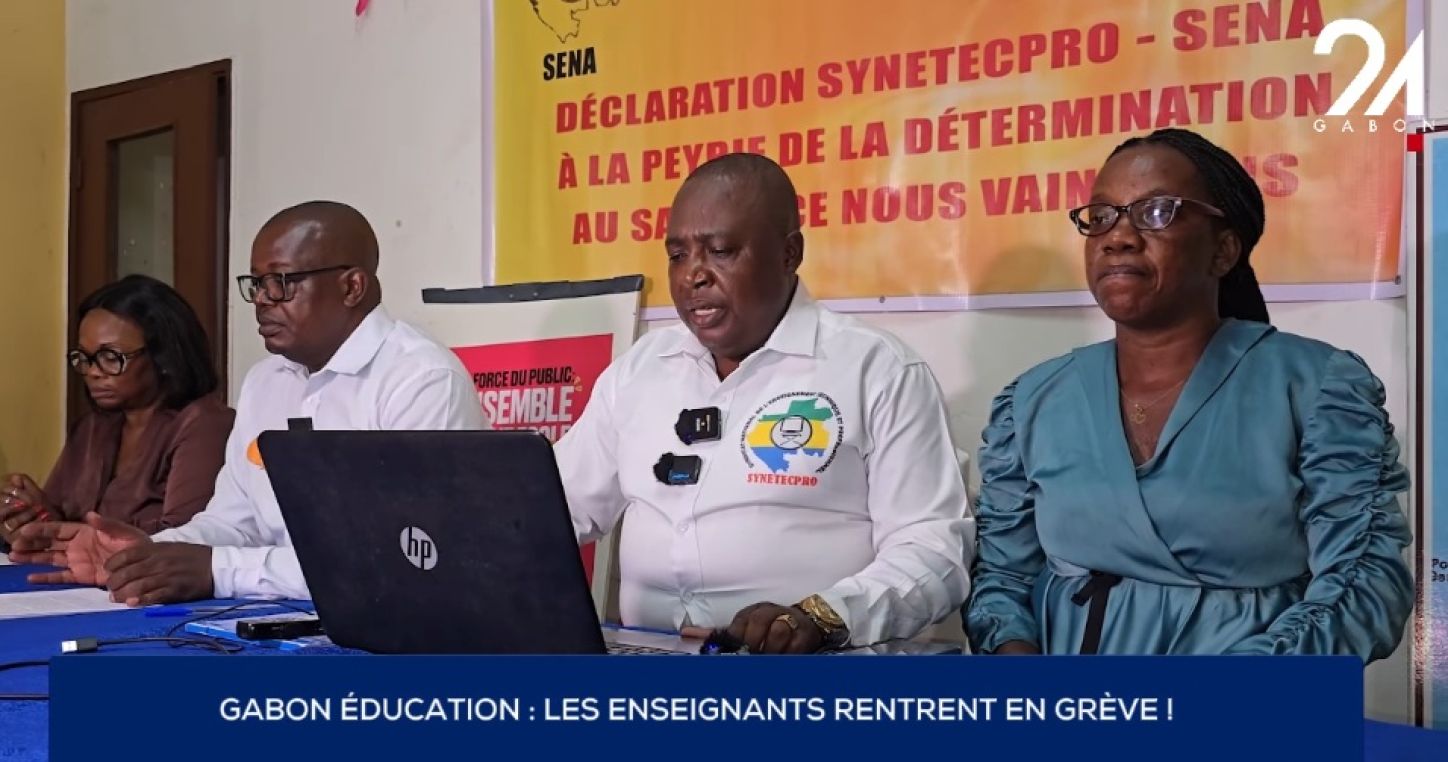
The widely-followed teachers’ strike launched in Gabon in December is set to continue in the absence of a response from the new government. The SENA (National Education Union) and SYNETECPRO (National Union for Technical and Vocational Education) are calling for the urgent regularisation of teachers’ careers and warn that the education system is at breaking point.
Unprecedented and determined action
Public education institutions in Gabon did not reopen as scheduled, on 5 January, following the decision to extend the strike launched on 10 December 2025 by the SENA, SYNETECPRO and SOS Éducation collective. According to these organisations, the strike has secured a “very strong following, of over 90%”, a level rarely achieved in recent years.
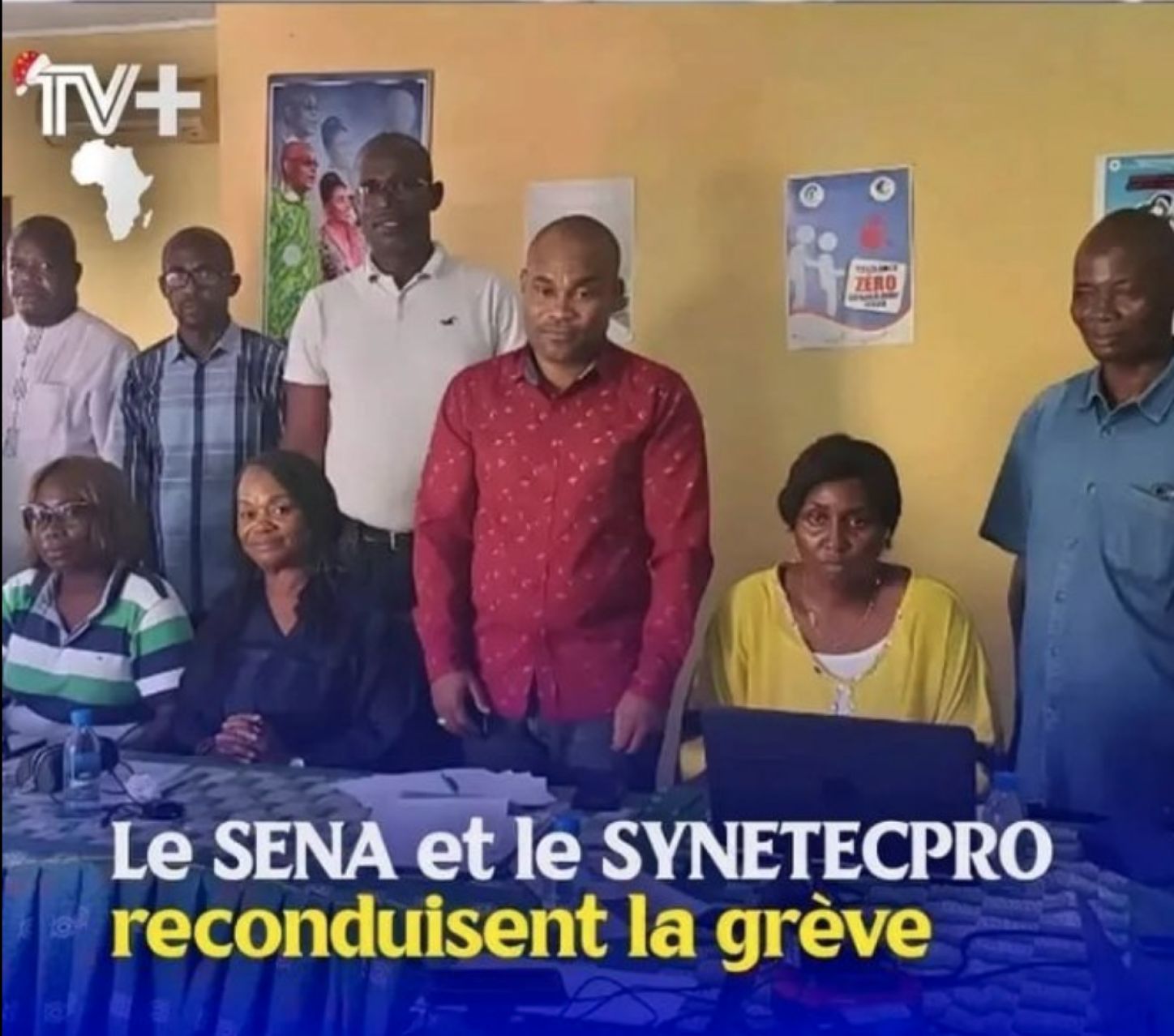
SENA’s General Secretary Fridolin Mve Messa stressed the patience exercised by the unions before reaching this point: “We have allowed time for the new authorities to establish a new policy and a new dynamic in the management of national education.”
But the lack of progress since 5 January, when school was due to restart, has heightened the sense of exasperation. “We contacted the Ministry to ask for negotiations to be resumed, but they have not,” the union leader said.
Careers frozen since 2015
The reason for the strike is the regularisation of teachers’ administrative status. “There is a problem that has been going on for years, that of public service career status. The previous government froze public service positions in 2015,” notes Fridolin Mve Messa.
Under the Gabonese system, a teachers’ position should be confirmed after an 18-month trial period, after which their status should be regularly upgraded in terms of rank and grade. “After two years, they should be automatically upgraded. But this upgrade has been frozen since 2015.”
This lack of career progress has serious consequences, both financial and professional.
The leader of the SENA points to a striking contrast: “The government spends money on security and defence forces, but it does not support those who are developing our country: our teachers.”
Structured demands and a proposed solution to the crisis
Trade unions are calling for:
- The resolution of regularisation cases pending: recruitment, integration, tenure, reclassification, promotion;
- A comprehensive inventory of all administrative situations still blocked;
- The establishment of a single point of contact, in the form of an interministerial committee bringing together the National Education, Public Service, Finance and Budget Ministries;
- Monthly publication of the cases processed, to provide greater transparency.
General Secretary Mve Messa nevertheless issues a warning: “We fear that the commission may be established to ‘bury’ teachers’ demands. We are used to commissions where problems are dragged on forever.”
He nonetheless insists that the SENA wants to be fully involved: “Anything about us, without us, is against us.”
Between hierarchical pressure and media support
On the ground, teachers report tensions in certain schools. “When a strike is called, intimidation attempts are made by directors. We ask our colleagues to remain vigilant and not to give in to pressure.”
However, the strike benefits from growing visibility. “There is a degree of media support. The press invites us to programmes and asks us to clarify our positions,” says the general secretary.
The national media is, moreover, urging the government to move quickly “to avoid a month of classes being lost unnecessarily”, he notes.

A political test for the transitional government
The dispute has gone beyond the administrative realm, becoming a barometer of the new authorities’ action. “This is the first test facing the new authorities, a truly major crisis,” says Mve Messa.
He explains that all eyes are on how the authorities deal with the crisis: “We will compare the reactions, the reaction of the former government and that of the new government.”
For him, the stakes involved go far beyond the teachers’ interests alone: “Now we are going to see whether the new authorities are committed to making the education system efficient and effective. Are they committed to tackling the problems facing the Gabonese education system?”
EI fully supports the demands of its member organisation in Gabon and salutes this display of unity among trade unions.