Iraq: Union takes stock of obstacles in the Kurdistan region
To tackle issues facing educators and the education system, the Kurdistan Teachers’ Union (KTU) organised a seminar entitled “The Obstacles Facing the Educational Process in the Kurdistan Region”.
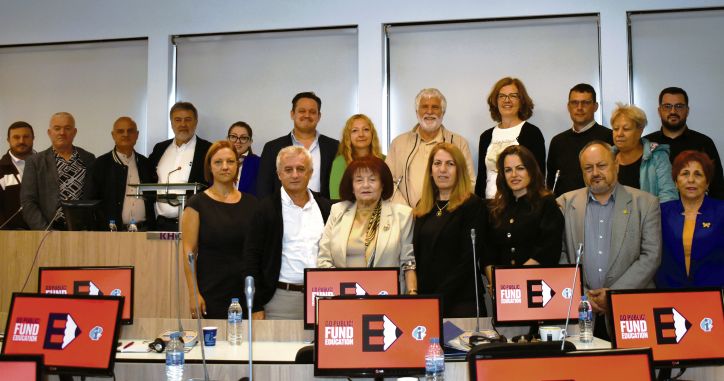
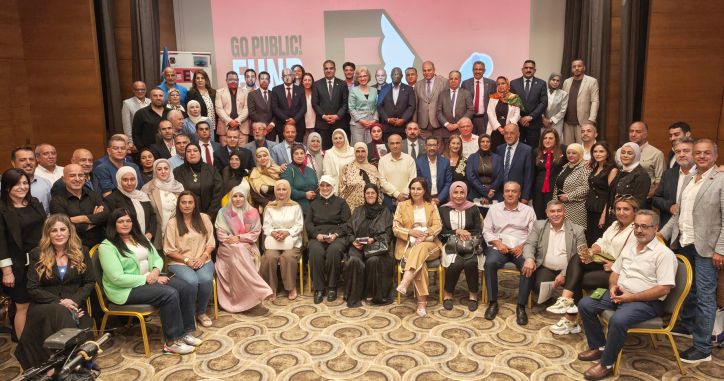
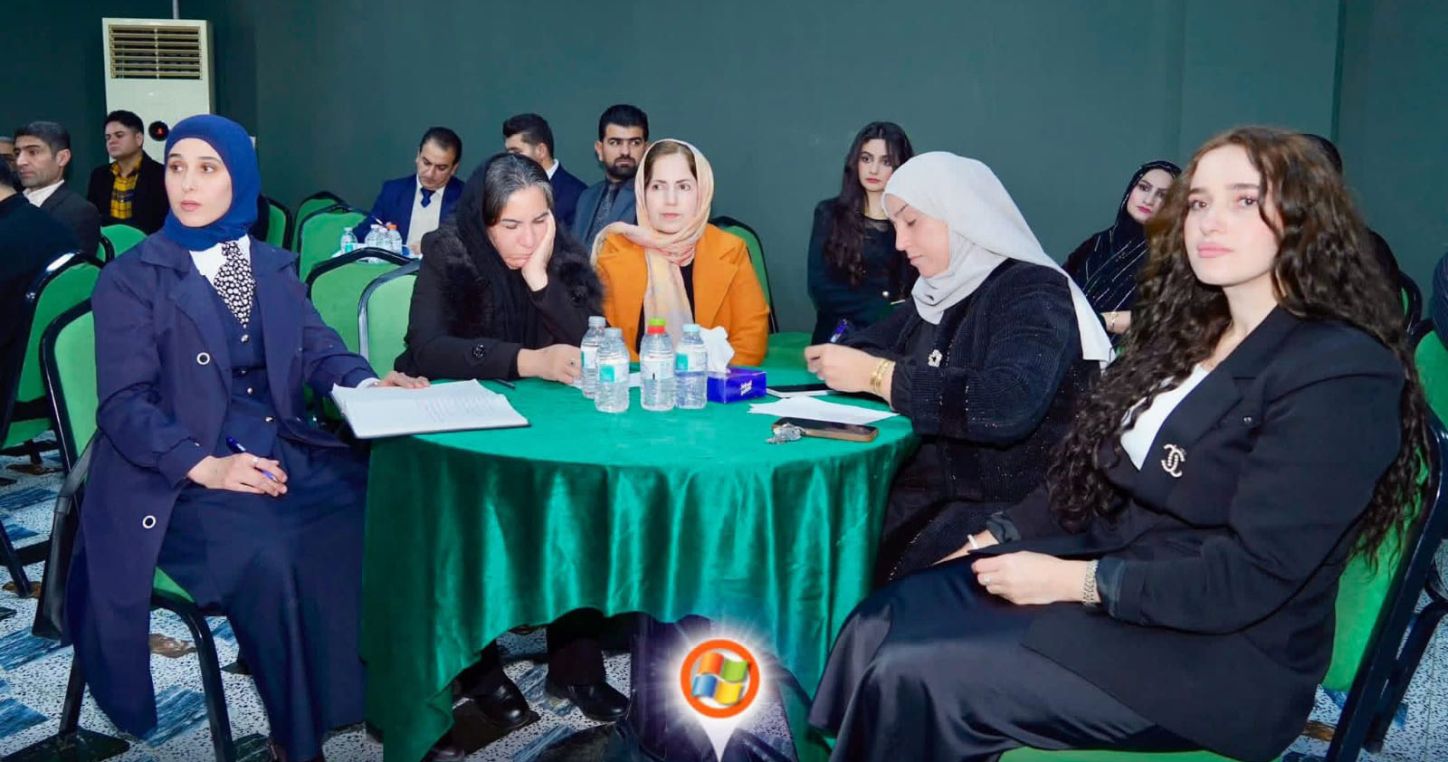
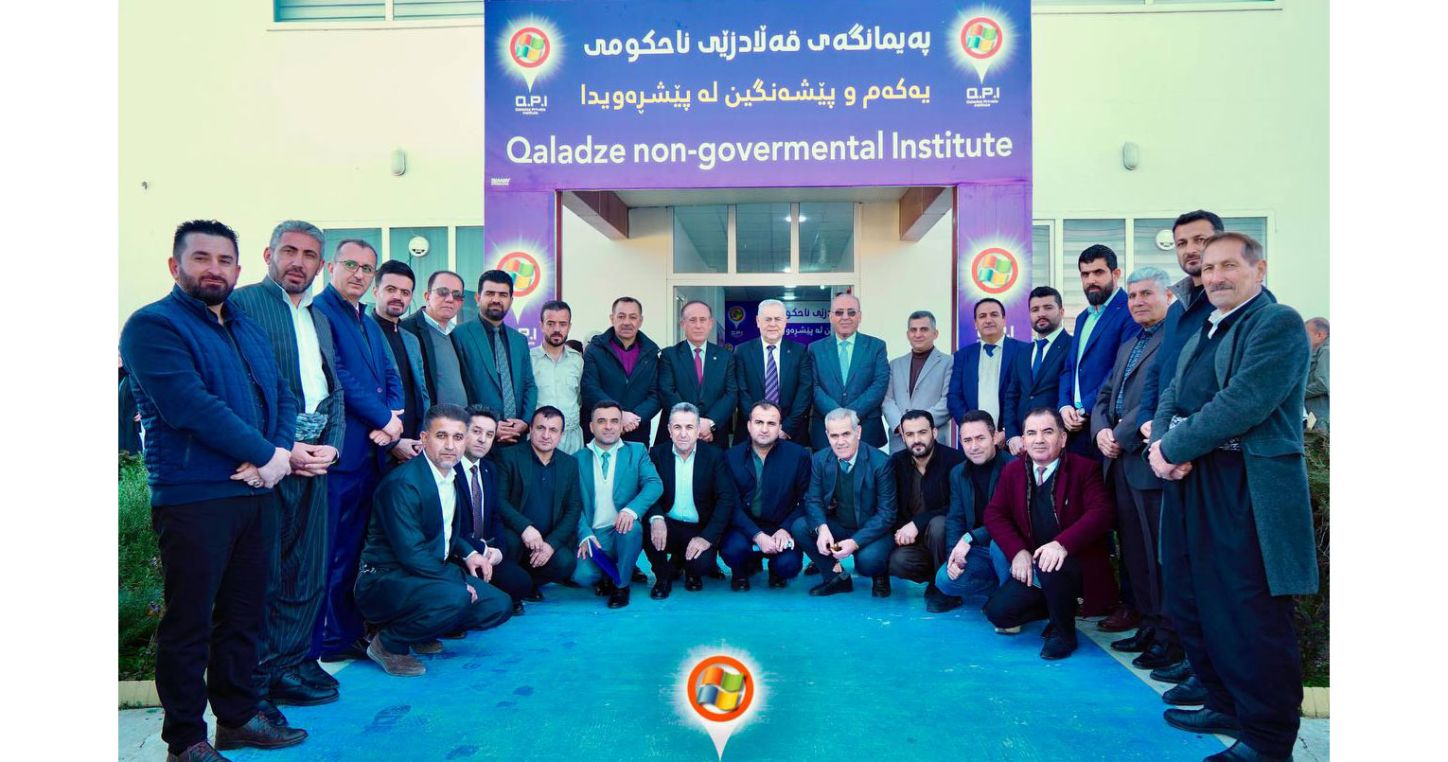
The seminar, organised at the Qaladze Institute, was attended by members of the KTU Executive and tof he KTU Raparin Branch, the General Director of Education in Raparin, the Directors of Education in Rania and Qaladze, as well as supervisors and teachers.
Education, the foundation of a healthy society and a better future
Opening the seminar, KTU president Abdulwahed Mohammed Haje, explained that “education is the foundation of a healthy society and a better future,” “essential for life, progress, and creativity.” “Therefore, it deserves full financial and moral support,” he said.
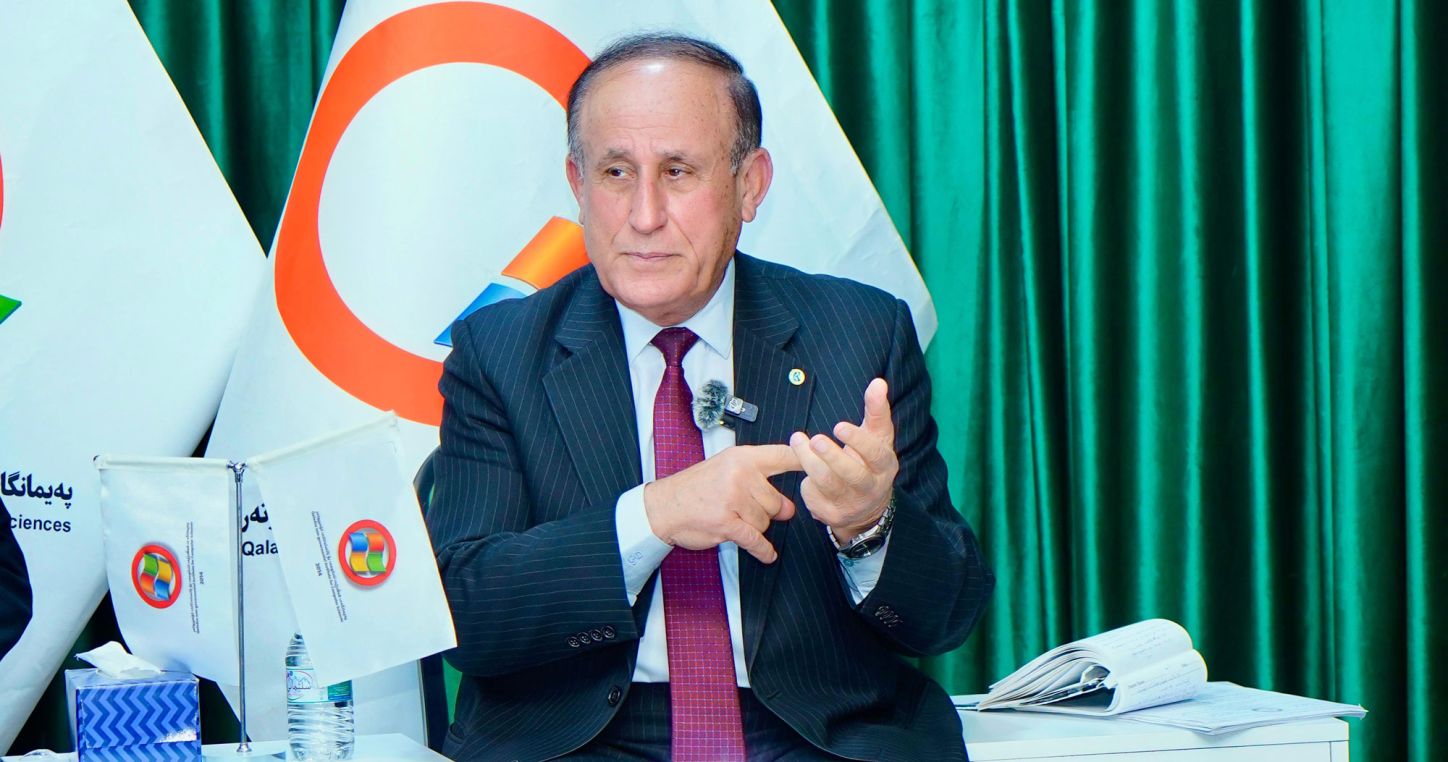
Mr. Haje went on comparing international goals, such as the Sustainable Development Goal 4, with the current Kurdistan’s education system, pointing out this system’s “serious weaknesses” and that the UN program for quality education has not been properly applied.
Key barriers to quality education for all in Kurdistan
He further identified six major obstacles to quality education in his Iraqi region:
- For the past 14 years, the Kurdistan’s Regional Government has not allocated proper budget for education.
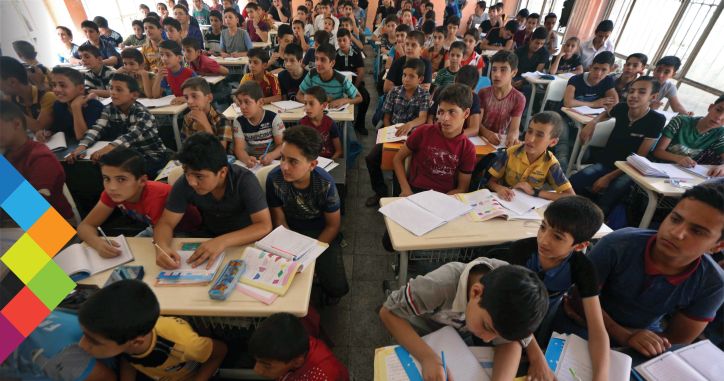
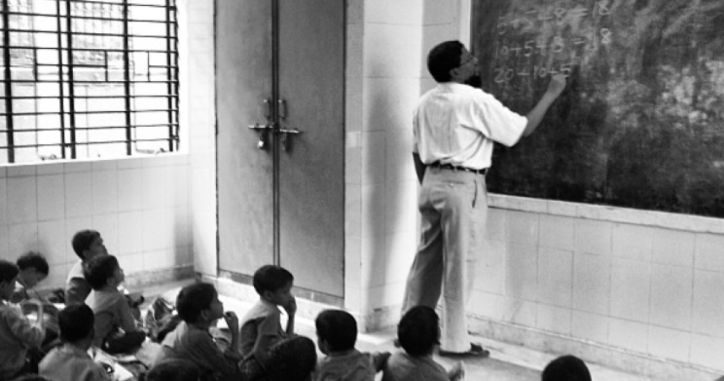
- The school curriculum is long and expensive, requiring 200 school days (900 hours of classes). However, because of poor planning, many holidays, and reduced school time, students receive less than 130 days (about 500 hours) of education each year. As a result, lessons are incomplete, and practical learning is mostly ignored, he said.
- Most school buildings are old and in need of renovation. Around 80% of schools do not have playgrounds, sports halls, laboratories, art rooms, or activity spaces, he explained, which “makes schools uncomfortable and causes students to feel as if they are in prison.” Despite blatant urgent need, due to limited budget, only a small number of new schools and classrooms are built each year, he stressed.
- Serious education staffing problems result from budget shortages. Qualified teachers are not hired in sufficient numbers and payments of teachers’ salaries are often delayed. He added that, since February 2016, salary increases have been halted, which negatively affects teachers’ performances, he noted.
- Teacher training is very limited. Over the past 15 years, few training programs have been offered. Although some organizations provided such courses, they reached only a small number of teachers. This created a growing gap between teachers and students, leading to weak communication and understanding between them, he said.
- The government has strongly supported private education. There are now more than 800 private schools, making up about 10% of all schools, and the number continues to rise, he reported. For him, many of these schools focus on high grades to satisfy parents instead of providing substantial learning and education.
“Because of these issues, the education system does not meet the needs of the modern world, and many goals of the UN Post-2015 education program have not been achieved,” the KTU leader warned.
Aligning with Education International’s Go Public! Fund Education campaign
Mr. Haje concluded the seminar by calling on “everyone to work together to convince the government to make education a top priority, respect teachers as an important component of society, and provide adequate funding for education.”
This echoes the Education International’s Go Public! Fund Education campaign launched three years ago. The latter represents an urgent call for governments to invest in public education, a fundamental human right and public good, and to invest more in teachers, the single most important factor in achieving quality education.