Teacher unions reaffirm the power of early childhood education and demand increased funding
Persistently highlighting the crucial importance of early childhood education (ECE) for inclusive quality public education, Education International (EI) and its member organisations are pushing for increased funding in this educational sector.
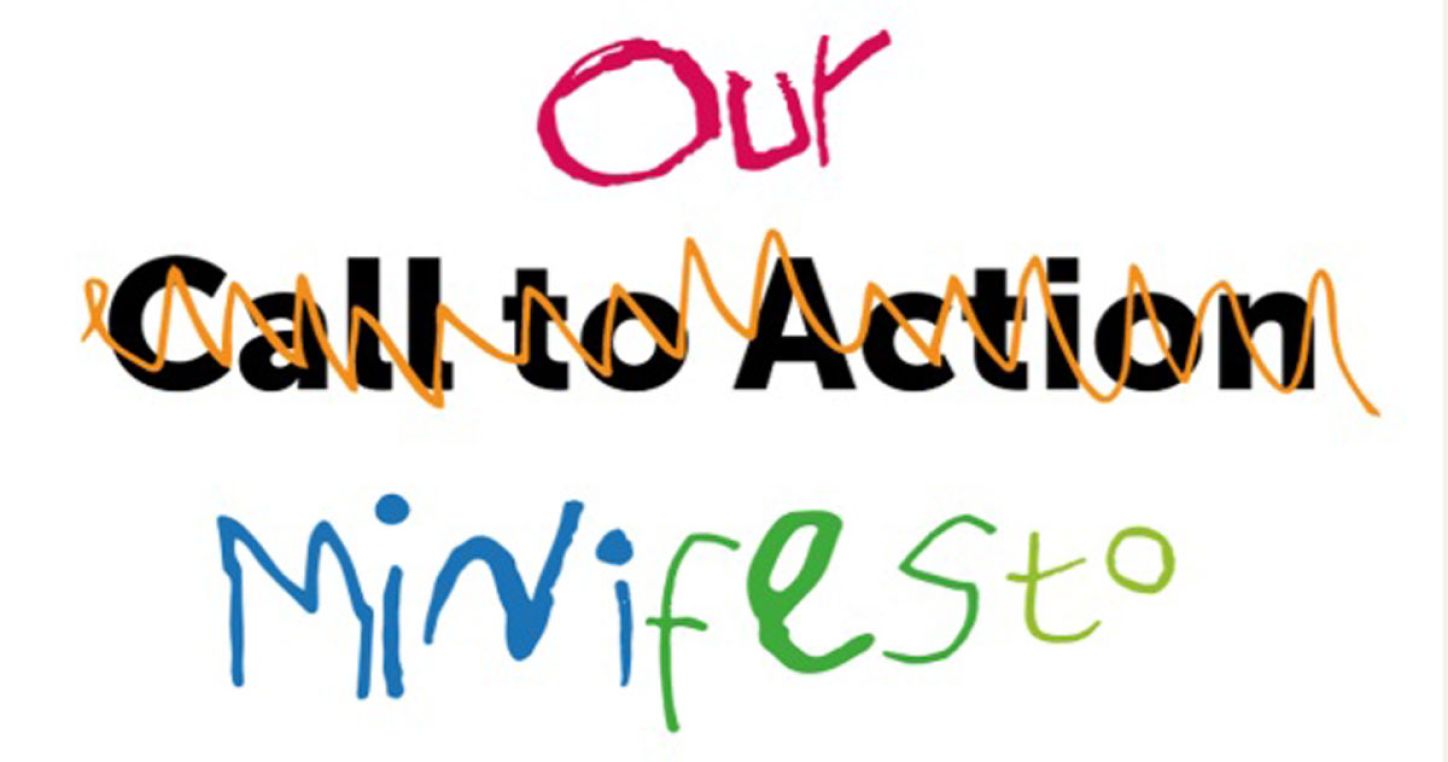
Signing the Minifesto for quality early childhood education
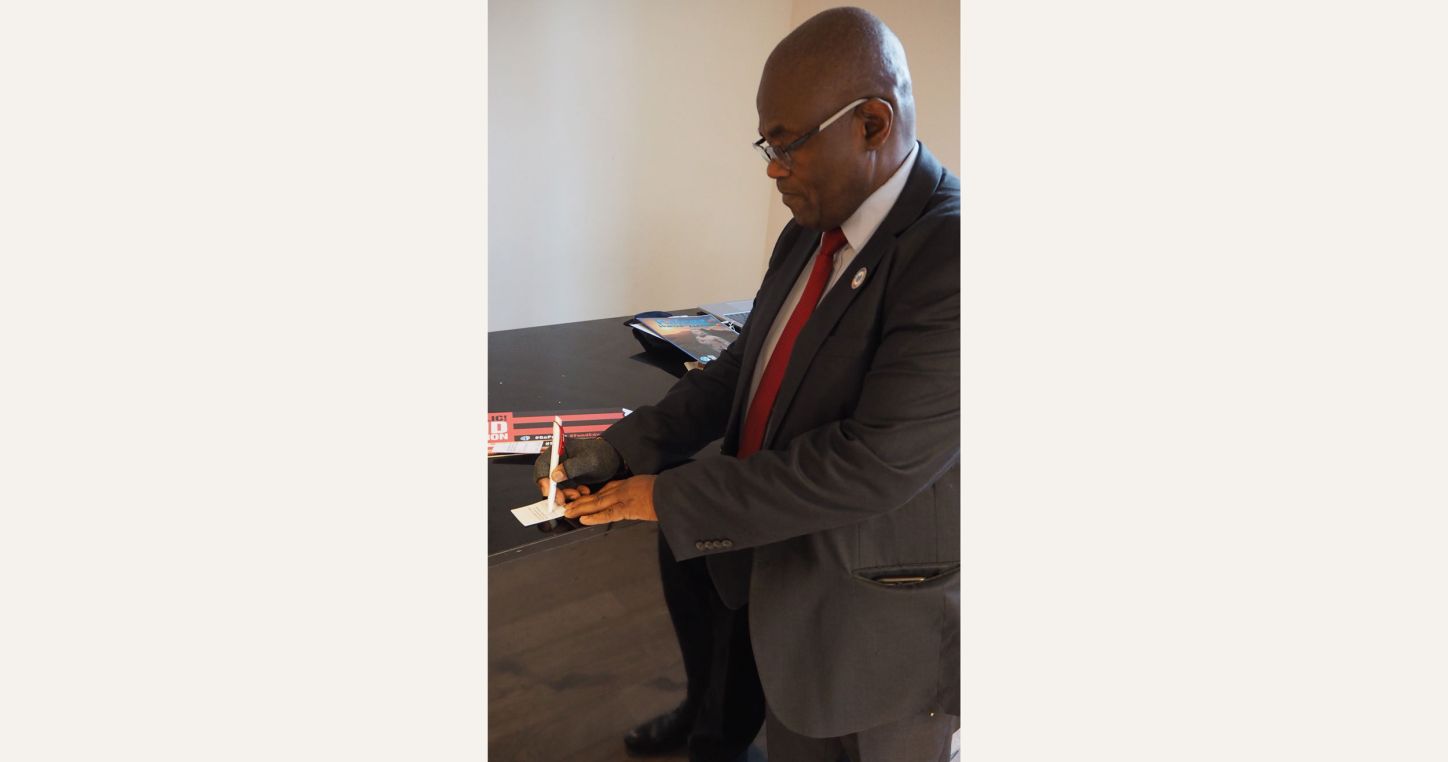
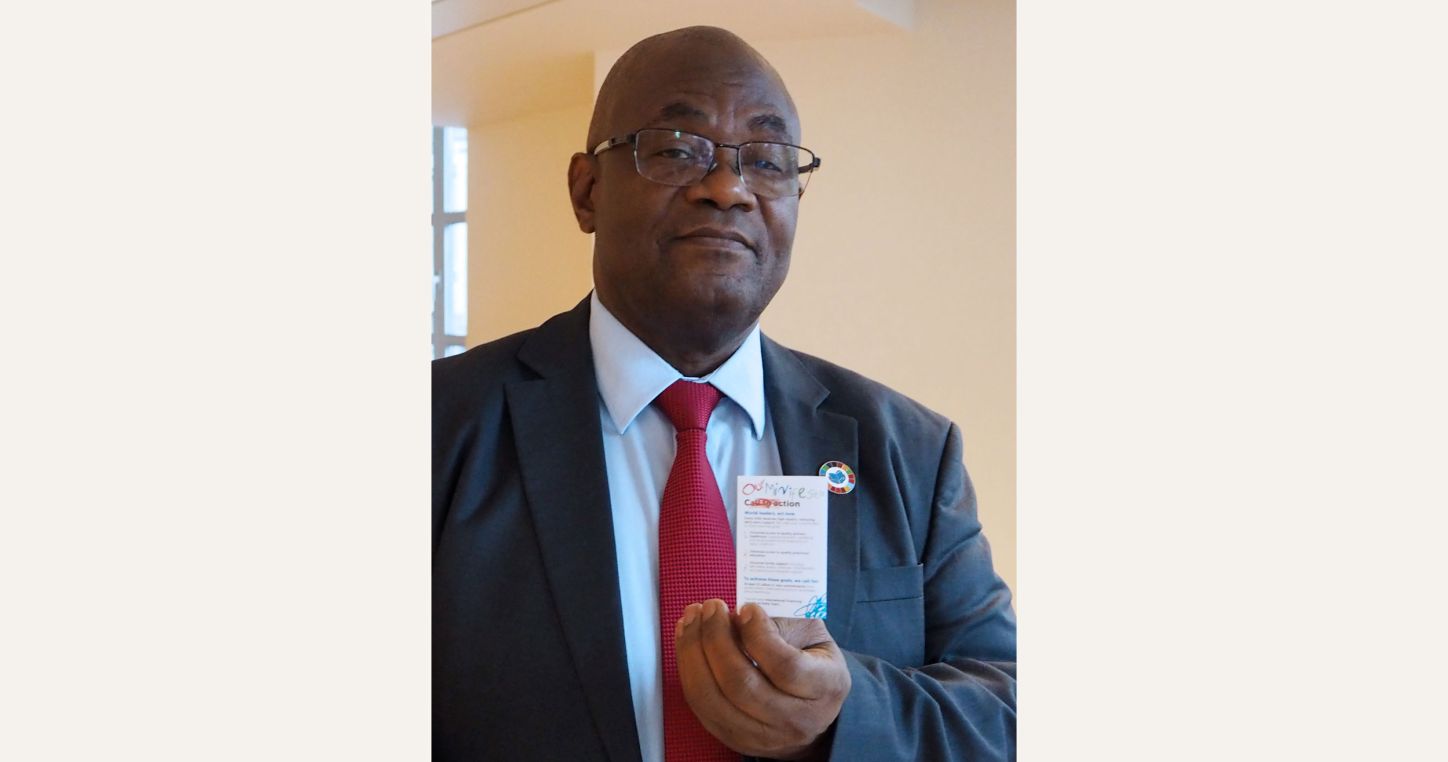
President Mugwena Maluleke recently signed on behalf of EI the Minifesto, a “a child-sized manifesto urging leaders to make big investments in the littlest children” by Act For Early Years, a global campaign dedicated to ensuring that all girls and boys have access to quality early childhood development, care, and preschool education.

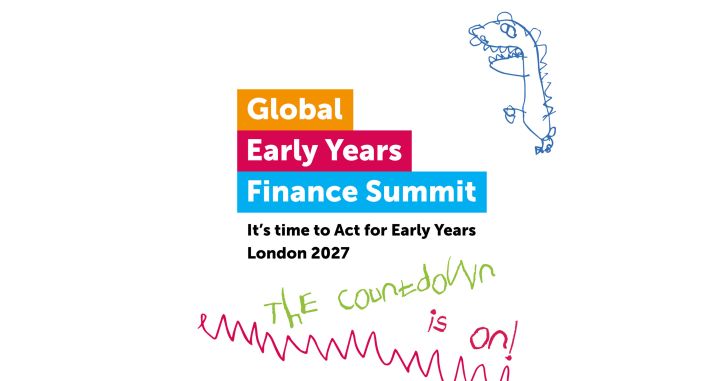
The Act For Early Years campaign aims to mobilise at least $1 billion in new funding commitments for the sector and ensure that the early years are prioritised across domestic, regional and global political agendas. The early years must also be highlighted in the future global development agenda. This campaign is building momentum towards the first-ever International Finance Summit for Early Childhood. Building on the commitment of the 2022 Tashkent Declaration and Commitments to Action for Transforming Early Childhood Care and Education, the Summit, to be held in 2027, is a critical opportunity to mobilise funding to deliver on the promise of quality ECE accessible to all.
Relying on national consultations, evidence-building, measurable commitments, and post-Summit accountability through 2030, this Summit’s key goal is to drive political will and fully fund quality early childhood education.
“Millions of children are denied access to quality early learning, and too many early childhood educators work without the proper support, pay or recognition. By signing the Minifesto and joining the global advocacy towards the first International Finance Summit for Early Childhood, Education International is adding the voice of the teaching profession to the clear call for collective action for investment in Early Childhood Education — an integral part of the right to education, a fundamental human right and a public good that must be publicly funded and protected,” M. Maluleke highlighted.
The EI President added that “we must stand up for the early childhood workforce, whose expertise and commitment make quality early childhood education possible. A valued, professional, well-supported and fairly paid workforce is not optional. It is the cornerstone of quality ECE. As education unions, we will continue to organise and mobilise to ensure political commitments are matched with meaningful public investment in ECE personnel and the systems they strengthen.”
Aligning with the Go Public campaign
The Minifesto aligns with EI’s Go Public! Fund Education campaign, a direct call for governments to increase investment in public education, and resist austerity, budget cuts, and privatisation.
Despite being an integral part of the right to education and its critical impact on the health, economic and social outcomes of children, ECE remains drastically underfunded and fragmented in many countries. This threatens children’s right to quality, equitable education and undermining progress toward Sustainable Development Goal (SDG) 4.2 - equal access to quality pre-primary education: “By 2030, ensure that all girls and boys have access to quality early childhood development, care and pre-primary education so that they are ready for primary education.”
The chronic underfunding of ECE has left the sector vulnerable to marketisation and increasing privatisation, which can dilute and undermine quality education and deepen existing inequalities, and leave children from lower-income and marginalized communities behind. Financing ECE must therefore be sustainable, predictable, and equitable, and support not only access but quality.
The ECE sector faces a shortage of 6 million teachers, and a global crisis of recruitment and retention. To support the committed workforce in the sector, ECE personnel must have competitive and professional salaries. It is crucial to ensure commensurate fairness between the salaries of teachers at the ECE and primary education levels and to secure employment. Decent working conditions prioritising staff wellbeing, adequate work-life balance, free and accessible continuous professional development, ample career progression opportunities and safe and inclusive working environments are also needed.
Commitments to quality and access in ECE cannot be realised without the support of well-supported, trained, qualified and fairly remunerated ECE personnel and their unions. With the 2030 Sustainable Development Goals deadline fast approaching, it is imperative to move beyond advocacy and towards action.
UN recommendations supporting the advancement of ECE
The first-ever International Finance Summit for Early Childhood is a great step to implementing the recommendations in implementing the United Nations (UN) Recommendations on the Teaching Profession.
In Recommendation 7, the UN calls for international benchmarks on education financing to be met by every country, funded by tax mobilisation and protected from austerity.
“Quality education is not possible without adequate financing. Funding for public education should be guaranteed at a level of at least 6 per cent of gross domestic product and 20 per cent of total government expenditure, as set out in the Education 2030 Framework for Action, and should allow for increasing investment per capita in education. Such spending should be transparent and shielded from austerity measures, including policies promoted by international financial institutions. Tax revenue should allow for sustainable education financing.”
In Recommendation 36, the UN underlines the need for commensurate fairness between the salaries of teachers at different levels of education and for gender pay equity. This is particularly relevant for the sector as over 90% of teachers working in early childhood education are women and the salaries, working and employment conditions in the sector tend to be poorer and more precarious compared to primary and secondary education.
“Teachers should receive salaries and benefits at the same level as compared to other professions with similar educational requirements. Gender pay equity should be ensured, and there should be commensurate fairness between salaries at different levels of education, including early childhood education and technical and vocational education and training.”
The EI toolkit detailing the most relevant UN recommendations on ECE is available here.
For more information about the Summit, please also read From vision to investment: Why the world needs the first-ever international finance summit for early childhood, a blog by Justin W. van Fleet, President of Theirworld and Chief Executive Officer of the Global Business Coalition for Education, here.