From vision to investment: Why the world needs the first-ever international finance summit for early childhood
Sign up
Sign up for the Worlds of Education newsletter.
Sign up
Sign up for the Worlds of Education newsletter.
Thank you for subscribing
Something went wrong
In November 2022, more than 150 governments and global stakeholders gathered in Tashkent, Uzbekistan, for the World Conference on Early Childhood Care and Education. The outcome—the Tashkent Declaration and Commitments to Action for Transforming Early Childhood Care and Education—was a landmark moment. It reaffirmed a shared global truth: early childhood care and education is not optional social policy, but foundational infrastructure for human development, economic resilience, and social cohesion.
In November last year world leaders gathered at the G20 under South Africa’s leadership and made a historic commitment to young children at the G20 summit – agreeing to increase investment in the early years.
By putting the early years at the centre, leaders recognise that childcare, development and early childhood education are critical for every child to thrive and that investing in them is one of the smartest moves any country can make.
The challenge now is not a lack of vision, but a lack of financing, coordination, and accountability to turn these commitments into universal, high-quality provision.
With the 2030 Sustainable Development Goals deadline fast approaching, the proposal for the first-ever International Finance Summit for Early Childhood in 2027 is not just timely—it is essential.
Why a finance summit—and why now?
The International Finance Summit for Early Childhood is designed to do what no previous global forum has done: put finance, planning and economic decision-making at the centre of the early years agenda.
The Summit reframes early childhood as what it truly is—one of the smartest, most cost-effective investments a country can make. Evidence shows that investments in the earliest years deliver lifelong returns: improved school readiness, better health outcomes, increased female labour force participation, higher productivity, and more resilient societies.
The Summit offers a structured moment for governments to move from principle to practice—mobilising new domestic financing, redirecting existing spending toward what works, and building innovative partnerships that unlock private and philanthropic capital for the early years.
Act For Early Years: a global movement powering the Summit
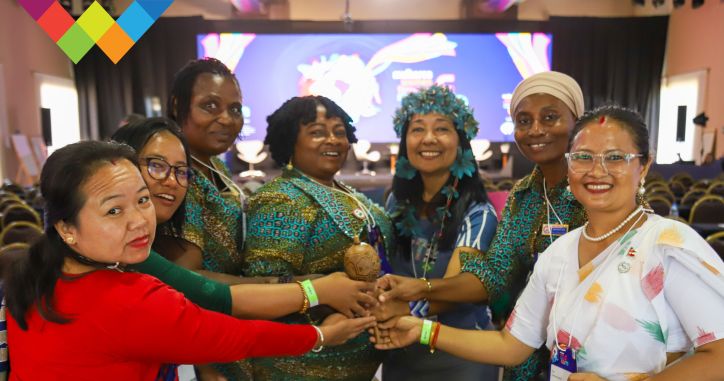
Central to the success of the International Finance Summit for Early Childhood is the Act For Early Years campaign—a global movement bringing together teachers, early childhood professionals, unions, civil society, researchers, parents, and champions across regions to drive political will and concrete commitments.
Act For Early Years exists to ensure that early childhood is no longer treated as a marginal or fragmented issue, but as a top-tier political and economic priority. It provides the connective tissue between global ambition and national action—mobilising coalitions in countries, supporting evidence-based planning, and building pressure for investment where it matters most.
Crucially, the campaign is firmly grounded in the early years workforce. With the backing of Education International and in alignment with EI’s Go Public! Fund Education campaign, Act For Early Years aims to elevate the voices of teachers, caregivers, and early childhood professionals who are essential to delivering quality early years care and education. This workforce perspective is not symbolic—it is structural. Without a well-trained, fairly paid, and professionally recognised workforce, commitments on access and quality cannot be realised.
Through national coalitions and regional networks, Act For Early Years is supporting governments to prepare for the Summit by:
- Convening inclusive national consultations that bring together ministries of finance, education, health, and social protection.
- Ensuring early childhood professionals and unions are part of commitment design, not an afterthought.
- Aligning national priorities with global evidence on what works, including workforce investment and family-friendly policies.
- Building public and political momentum so that commitments announced at the Summit are ambitious, additional, and deliverable.
In this way, Act For Early Years transforms the Summit from a one-off event into the peak moment of a multi-year, country-led process. It helps ensure that commitments announced in 2027 are rooted in real system reform—strengthening the workforce, improving conditions for teachers and caregivers, and delivering quality services for children and families.
At a time when educators and early childhood professionals face chronic underinvestment, high attrition, and growing demand, Act For Early Years sends a clear message: investing in the early years means investing in the people who make them possible. By uniting workforce leadership with political advocacy and financing reform, the campaign is helping to turn global consensus into national action—and ensuring that the Summit delivers lasting change beyond the headlines.
From workforce to families: financing what matters most
The priorities outlined in the Tashkent Declaration point directly to where financing must flow.
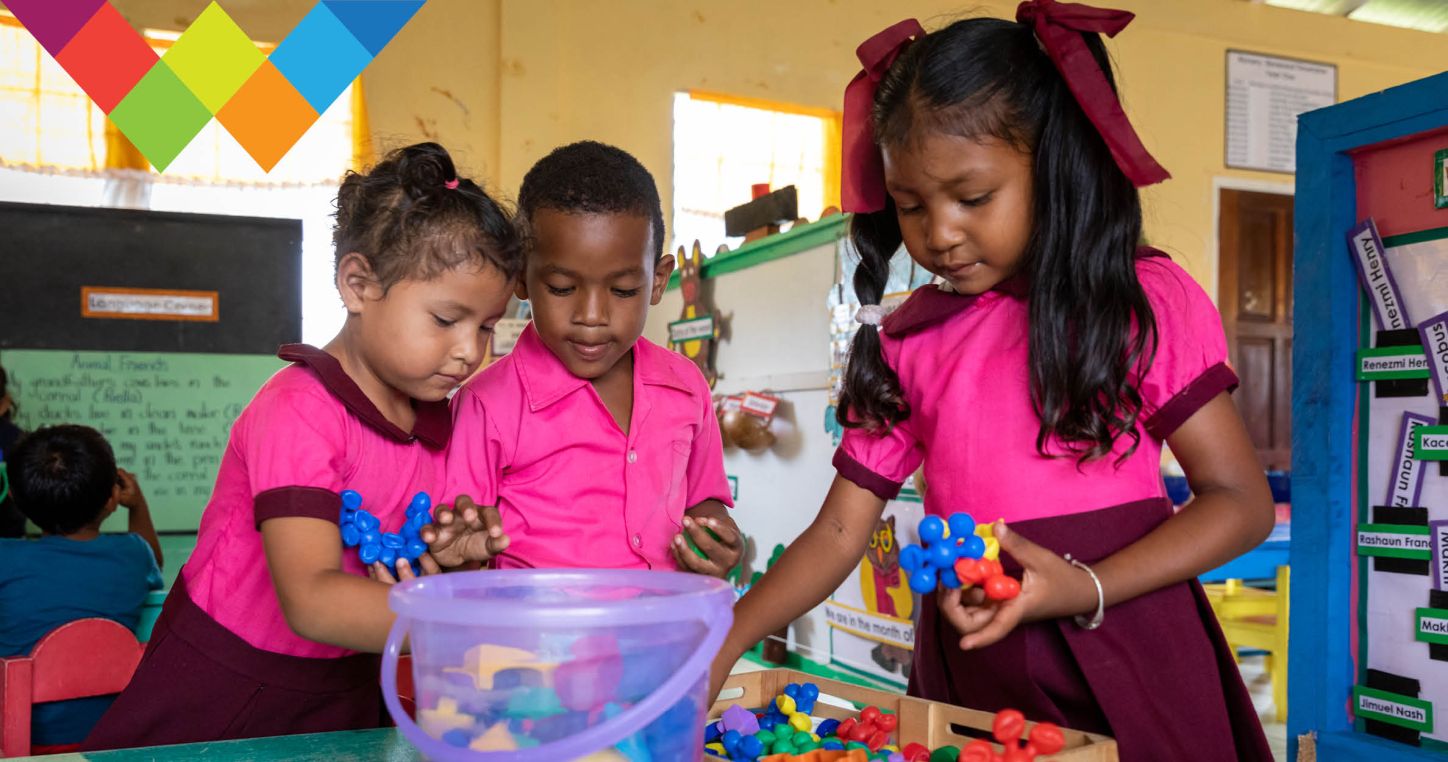
First, early childhood care and education personnel. Quality services depend on skilled, motivated professionals. This requires sustained investment in education and training systems, continuous professional development, fair wages, stable contracts, and clear career pathways. Aligning working conditions with those of primary education teachers is not just an equity issue—it is a quality imperative. The Summit creates space for countries to commit financing to professionalising the workforce, including in under-regulated non-state sectors where many of the youngest children are served.
Second, families and caregivers. The Declaration recognises that learning begins at home and in the community. Parenting support programmes, child benefits, paid family leave, affordable childcare, and work–family reconciliation policies are proven tools that strengthen outcomes for children while supporting parents—especially mothers—to participate in the workforce. Financing these family-friendly policies is both sound social policy and smart economics.
Third, quality and inclusion. The Summit elevates investment in inclusive, culturally relevant, and evidence-based services, ensuring that children with disabilities, those affected by poverty or conflict, and other marginalised groups are not left behind. Embedding early childhood into humanitarian response and crisis financing is a critical shift that the Summit can catalyse.
Smart Buys, real returns
A core contribution of the Summit process is the emerging Smart Buys for Early Childhood research—proven, cost-effective interventions that maximise impact. These include early health and nutrition programmes, early stimulation and parenting support, quality childcare and preschool, and family-friendly social protection policies.
What makes this moment powerful is not just the strength of the evidence, but its accessibility to finance ministries. The question is no longer whether early childhood investment works, but how quickly governments can scale what works—and how well they can coordinate across sectors to do so.
A once-in-a-generation opportunity
The International Finance Summit for Early Childhood represents a turning point. It builds on the political momentum of the Tashkent Declaration and the G20 and channels it into a concrete, time-bound process: national consultations, evidence-building, measurable commitments, and post-Summit accountability through to 2030.
In a world facing rapid technological change, climate shocks, demographic shifts, and widening inequality, investing in the earliest years is how societies future-proof themselves. The Summit is not about new promises—it is about delivering on existing ones.
The opportunity is clear. The evidence is compelling. The cost of inaction is too high. The first-ever International Finance Summit for Early Childhood can be the moment the world finally matches its commitments to children with the capital required to transform their futures.
The opinions expressed in this blog are those of the author and do not necessarily reflect any official policies or positions of Education International.