EI Welcomes the Marrakech Global Framework for Action on Child Labour and Calls for Quality Education, Social Dialogue, and Peace
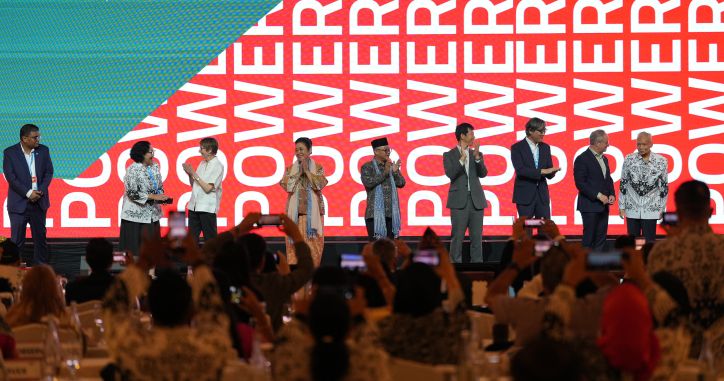
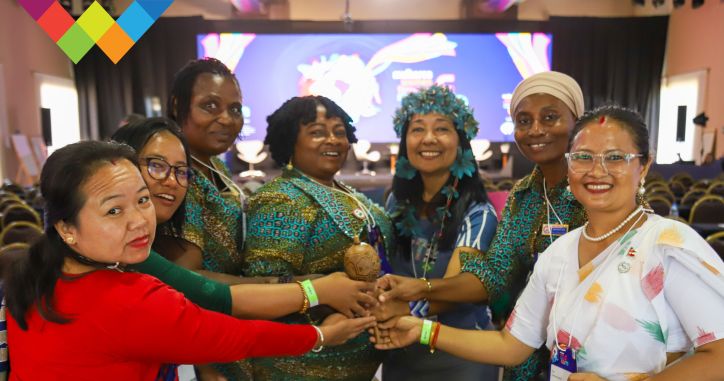
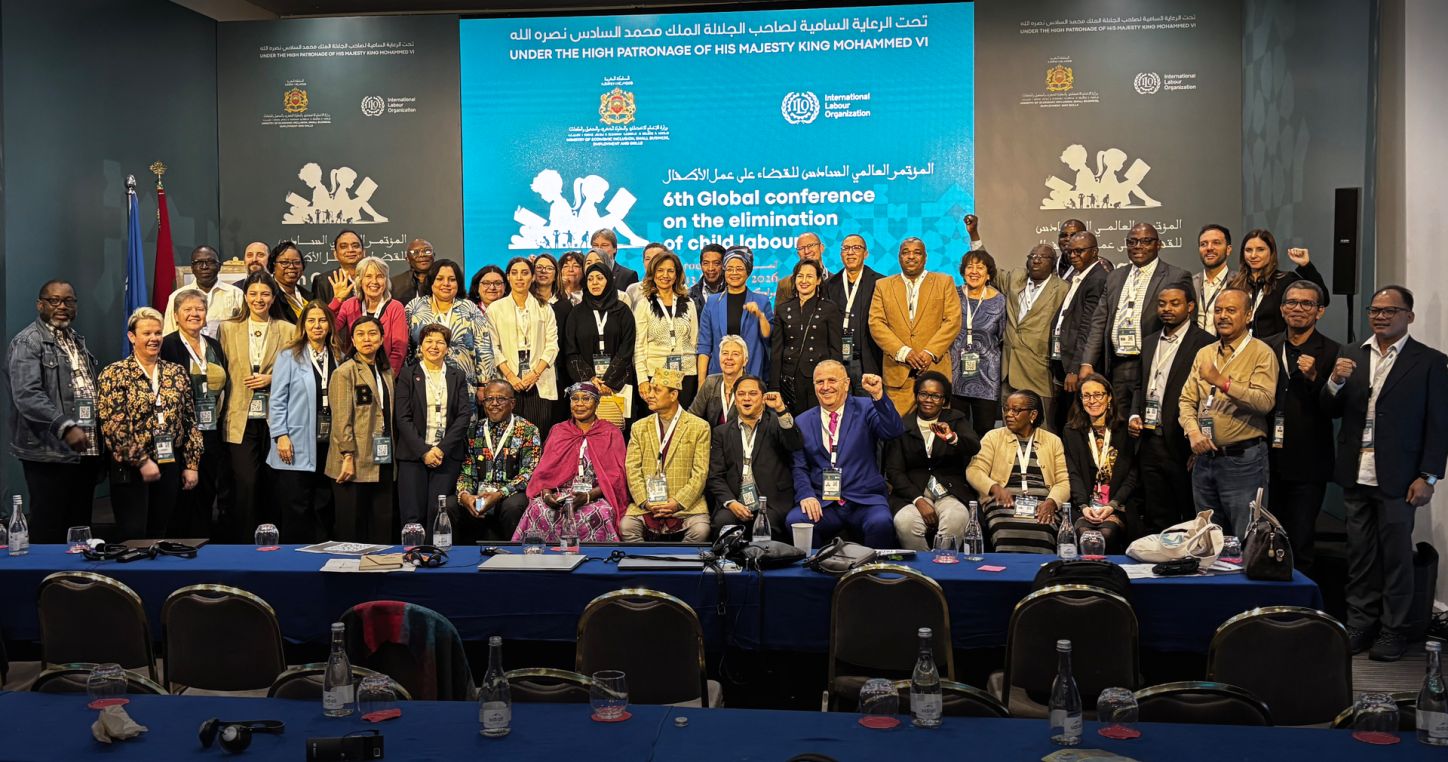
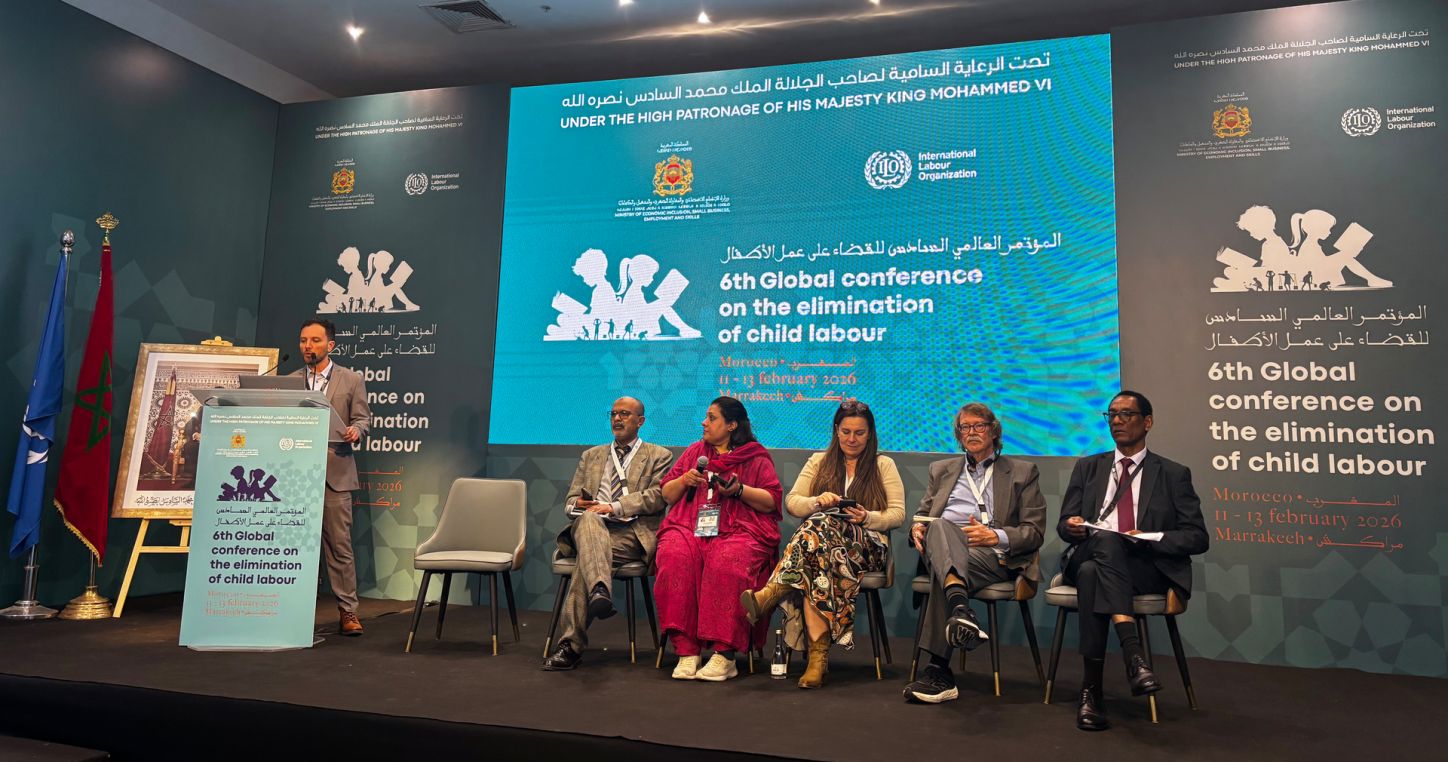
Education International (EI) joined governments, employers, other unionists and civil society representatives at the 6th Global Conference on the Elimination of Child Labour in Marrakech on 11-13 February 2026, where the newly adopted Marrakech Global Framework for Action reaffirmed what educators worldwide know: universal access to free, compulsory, and quality education is indispensable to ending child labour. And that involving teacher unions is key to developing and implementing specific strategies.
With 138 million children still engaged in child labour, including 54 million in hazardous work, EI stressed that the crisis is fundamentally an education crisis, rooted in underfunded schools, teacher shortages, rural exclusion, limited social protection, and increasingly, the devastating impact of armed conflict on children’s access to learning.
Education at the Heart of Prevention
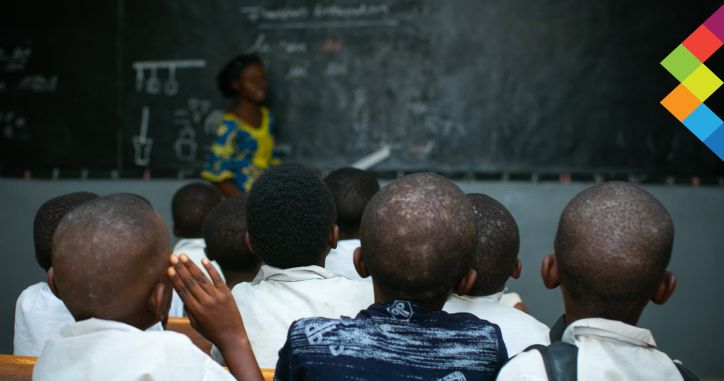
EI welcomed the Framework’s strong emphasis on prevention, particularly for children aged 5-11 and those in rural and agricultural areas. The call to expand access to free and compulsory basic education echoes EI’s long-standing advocacy that children belong in classrooms, not workplaces.
The EI delegation underlined that quality education depends on:
- Equitable public financing, in line with UNESCO Education 2030 Framework targets.
- Recruitment and retention of trained, fairly paid, and well-supported teachers.
- Safe and inclusive learning environments, including for girls and children with disabilities.
- Universal social protection, so poverty does not force families to turn to child labour.
“Every child removed from labour must have a seat in a well-resourced public school, taught by a qualified teacher,” EI representatives affirmed.
Social Dialogue: A Cornerstone of Implementation
EI strongly welcomed the Framework’s call for strengthened institutions, better enforcement, and robust social dialogue. For educators, social dialogue is indispensable to designing and implementing policies that work:
- It ensures teachers’ unions have a voice in shaping education strategies that prevent child labour.
- It allows for coordinated action between governments, employers, and workers in sectors where child labour is most prevalent, such as agriculture.
- It builds the trust and governance structures necessary to deliver sustainable change.
EI reiterated that without meaningful social dialogue, commitments risk remaining unimplemented, just as the 2022 Durban Call to Action was only partially realized. The new Marrakech Framework must therefore be followed by ongoing, structured, and transparent engagement with teachers’ unions at national and regional levels.
This call is echoed in the recommendations of the High-Level Panel on the Teaching Profession:
- “Governments should also ensure that teachers and their organizations can engage in social dialogue, including collective bargaining, and policy dialogue on all matters affecting the profession.” (Recommendation 15)
- “Coordinated and institutionalized social dialogue between governments (at the appropriate level), representative teachers’ organizations and relevant employers’ organizations should be the principal means for developing policies on education, teaching and the teaching profession.” (Recommendation 48)
Peace as a Prerequisite: Conflicts Are Destroying Children’s Futures
The workers’ representation also stressed that conflict is one of the strongest drivers of child labour. Conflicts reduce schooling opportunities. When schools are destroyed, militarized or used as shelters, when teachers are displaced, and when families lose livelihoods, children are pushed into work, exploitation, or forced recruitment.
EI emphasized that peace, stability, and respect for human rights and the rule of law are prerequisites for sustained progress against child labour. Investments in education must therefore be accompanied by strong commitments to peacebuilding, disaster response, and the protection of education from attack.
As stressed by the High-Level Panel on the Teaching Profession, “education funding needs to be managed to ensure continuity in case of disruptions due to crisis” (Recommendation 12). This also means investing in and supporting teachers working in crisis settings, including by safeguarding teacher wellbeing, addressing their physical, emotional and psychosocial needs and ensuring that teachers receive timely, adequate and regular salaries. (Recommendation 12)
The Marrakech Framework recognizes that child labour is shaped by structural gaps in decent work, social protection, and access to public services. EI welcomed the Framework’s integrated approach linking education, skills development, decent work for adults, and universal social protection. EI affiliates across Africa lead interventions connecting schooling, early childhood education, school meals, family support, and income generating activities, which are proven solutions that must be scaled.
“Where adults have decent work and living wages, children stay in school. Where education is publicly funded, inclusive, and free, child labour declines. Where social protection fills income gaps, families are not forced to withdraw children from school,” says Soumeila Maiga, the coordinator of the EI child labour eradication programme coordinator in Mali.
The Framework also draws attention to technology facilitated commercial and sexual exploitation. EI stressed that safeguarding children offline and online must be embedded in curricula, teacher training, and education policy.
Accountability Beyond Marrakech
The Marrakech Framework builds on the 2022 Durban Call to Action, which EI noted remains far from fully implemented. The new Framework demands stronger accountability, improved data, sustained financing, and education related indicators, including targets of the UNESCO Education 2030 Framework, and national completion rates at primary, lower secondary, and upper secondary levels.
While welcoming the Framework, workers urged governments to move beyond the bad habits adopted after previous similar conferences: this time, to go further than declarations and deliver genuine, major and sustained investment in public education, alongside strengthened social dialogue and concrete efforts towards peace.