Harnessing the power of education for inclusion: Education International joins the 2026 Global Appeal to End Stigma and Discrimination against Persons Affected by Leprosy
The 2026 Global Appeal to End Stigma and Discrimination against Persons Affected by Leprosy is co-hosted by Education International and the Sasakawa Leprosy (Hansen’s disease) Initiative, in partnership with the Damien Foundation. This year’s appeal calls for an end to stigma and discrimination associated with leprosy through the transformative power of education. The appeal emphasises equity, social justice, and the role of schools and unions in championing inclusion and health.
“We strongly believe that ending stigma and discrimination against persons affected by leprosy is a prerequisite for justice, dignity, and equality for all. Education International is fully committed to advancing this cause together with our member organisations across the world,” stated Mugwena Maluleke, Education International President, at the launch event for the 2026 Global Appeal which took place on January 29 in Brussels, Belgium.
Despite being treatable and not highly contagious, leprosy or Hansen’s disease still marks the lives of thousands of people around the world. For many, the stigma causes more damage than the disease itself. People affected by leprosy often face exclusion from education, work, marriage, and community life, even after being cured. Fear of discrimination delays diagnosis, increasing the risk of disability and further transmission.
Studies show high levels of mental distress, social isolation, and internalised stigma among persons affected by leprosy, particularly women and those with visible impairments. In more than 20 countries, outdated or discriminatory laws still restrict the rights of people affected by leprosy, reinforcing exclusion and fear.
Joining forces for inclusion
The launch event of the 2026 Global Appeal brought together persons affected by leprosy, educators and education union leaders, policymakers, health professionals, and civil society organisations to reaffirm a shared commitment to dignity, inclusion, and the principle of leaving no one behind.
Pledging the support of Education International’s 33 million members across 180 countries and territories, Maluleke highlighted teachers’ critical role in ending stigma and discrimination: “In their classrooms, in their schools, their universities, and in their communities, teachers are the agents of this transformation. Teachers challenge harmful stereotypes, promote accurate understanding, and create the inclusive learning environments essential to combating stigma. Their influence extends far beyond imparting knowledge. They shape values, nurture empathy, and model respect.”
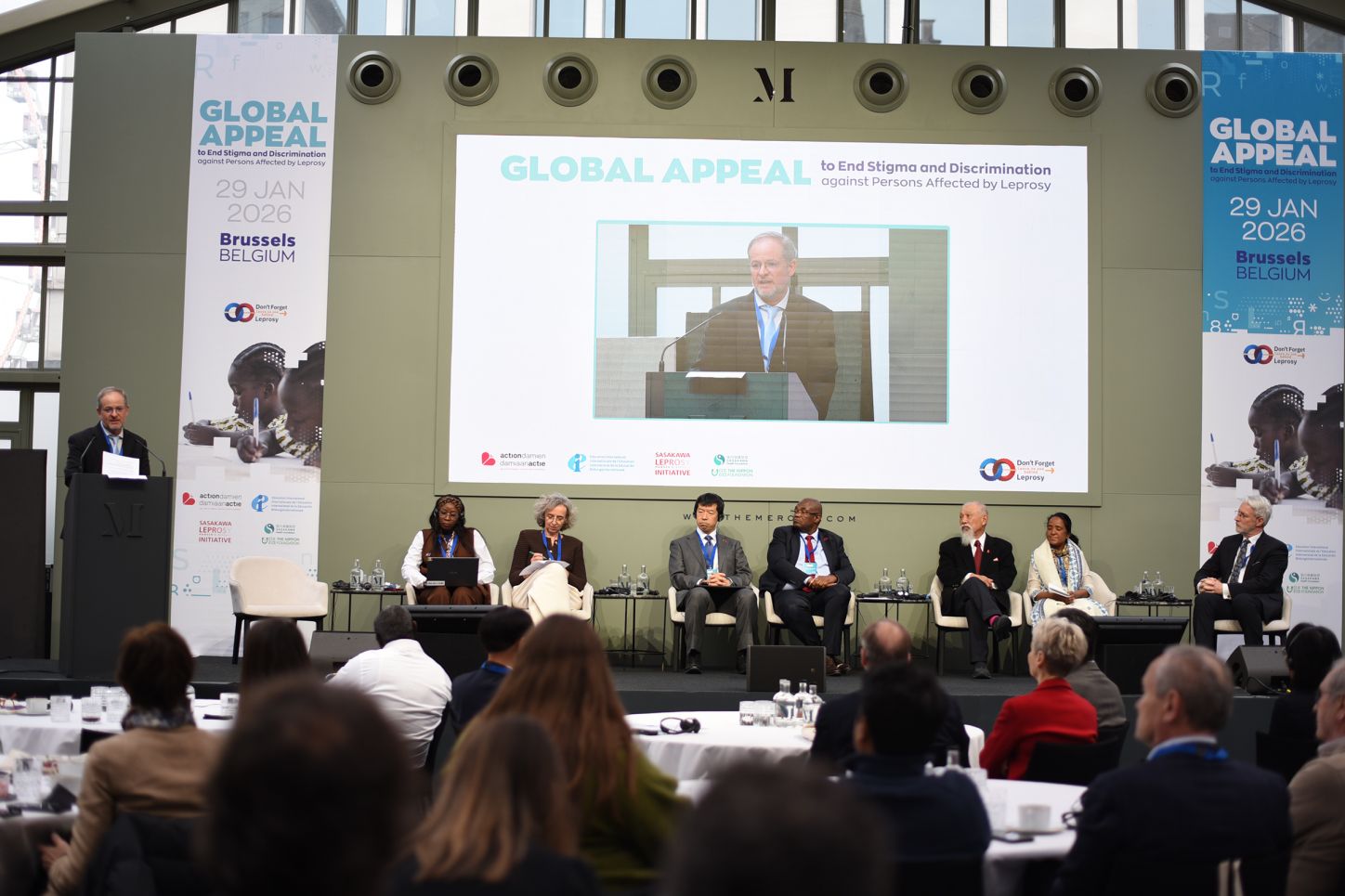
Maguette Ndiaye, representative of persons affected by leprosy and Chair of the Oversight Committee of the 3rd Global Forum of People’s Organizations on Hansen’s Disease, noted: “People affected by leprosy deserve respect, dignity, and the same rights as everyone else. They deserve to go to school, work, and live normal lives in their communities. We are gathered here today to say "stop" to the stigma. Leprosy does not define a person. Every person affected by this disease has dreams, talents, and valuable contributions to make to our world. Let's give them that chance.”
Yohei Sasakawa, World Health Organisation Goodwill Ambassador for Leprosy Elimination, said: “Discrimination related to leprosy excludes individuals from employment and education forcing them into a cycle of poverty. Securing access to education is the key to breaking this cycle. Education has another important role: teaching correct knowledge about leprosy in schools and showing that discrimination is wrong. Schools can become places where discrimination ends, not where it begins. Education gives people opportunities and it also raises awareness.”
Takashi Kajiwara, Education International Vice-President and President of the Japan Teachers’ Union, emphasised three essential measures to ensure inclusion for persons affected by leprosy:
- Calling on governments to enact legislation similar to Japan's “Leprosy Compensation Law,” which was developed in collaboration with persons affected by leprosy.
- Teaching science to dispel fears and ensure a correct understanding of the disease among the public.
- Implementing anti-discrimination education to end leprosy stigma and discrimination.
“These three points are crucial and align with our mission to achieve a democratic society that respects fairness, equity, and inclusion”, Kajiwara concluded.
The opening ceremony also featured messages of support from Beatriz Miranda, United Nations Special Rapporteur on the elimination of discrimination against persons affected by leprosy and their family members, as well as Stefania Giannini, UNESCO Assistant Director-General for Education.
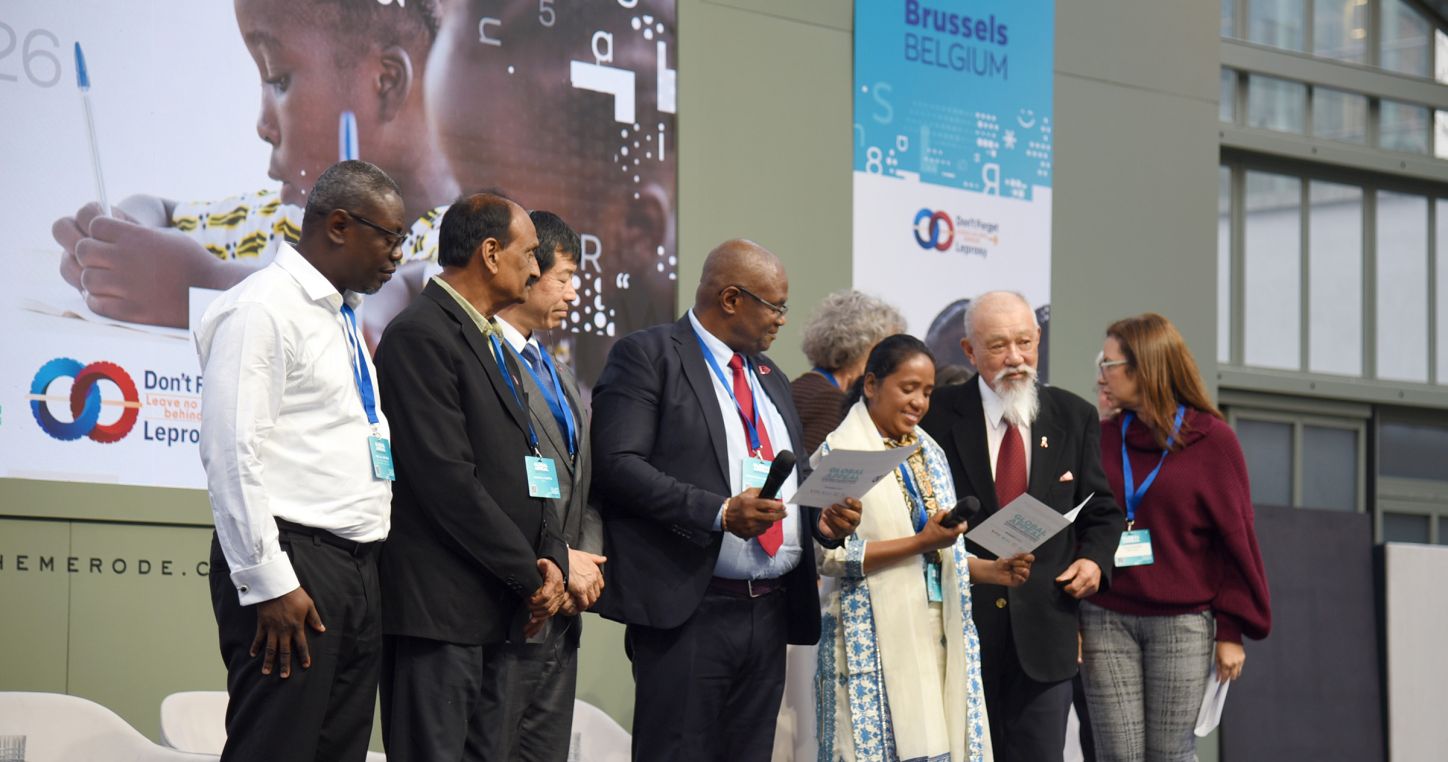
The Declaration of the Global Appeal 2026 was read out by Bimla Kujur, representative of persons affected by leprosy, and EI’s Mugwena Maluleke:
Global Appeal 2026
Leprosy, also known as Hansen’s disease, is an infectious bacterial illness that primarily affects the skin and peripheral nerves. Although it is curable, persons affected by leprosy and their families continue to face stigma and discrimination in many parts of the world.
Addressing the misconceptions that perpetuate this injustice requires the transformative power of education. Education plays a crucial role in shaping the values of future generations, and the right to quality education is a precondition for equity, inclusion and social justice.
As the global voice of teachers, Education International is committed to advancing education that fosters critical thinking, challenges prejudices and eliminates all forms of discrimination, within schools and across society.
Equipping teachers and education personnel with accurate knowledge of leprosy and supporting them to share this information with students can help reduce fear and misunderstanding. Such education also fosters empathy and strengthens respect for human rights.
Schools also serve as vital community hubs for health promotion and disease prevention. Promoting awareness and screening can help to identify early signs of leprosy, enabling timely treatment and reducing the risk of disability and stigma.
Education trade unions also have a vital role to play. Through training, campaigns and collaboration with health and education authorities, unions can empower educators to become champions of inclusion and health.
As educators, we will use our collective voice to promote knowledge, empathy and action, working toward a society in which the dignity of all individuals is upheld.
Mobilising for change
The event enabled representatives of people affected by leprosy and education union leaders to share insights and open pathways for further collaboration at national, regional and global levels to fight stigma and discrimination against educators and students affected by leprosy and other health-related disabilities within education.
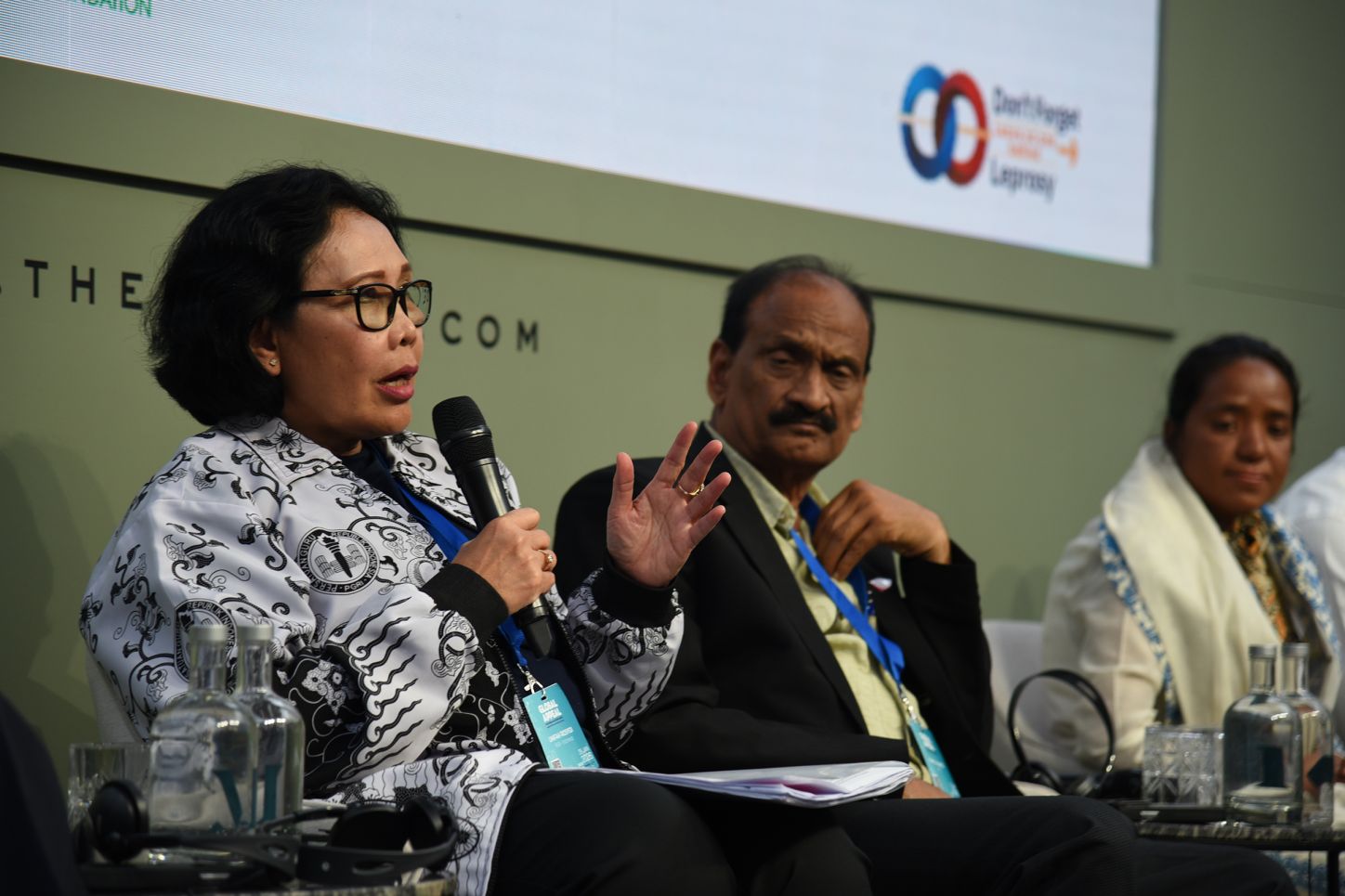
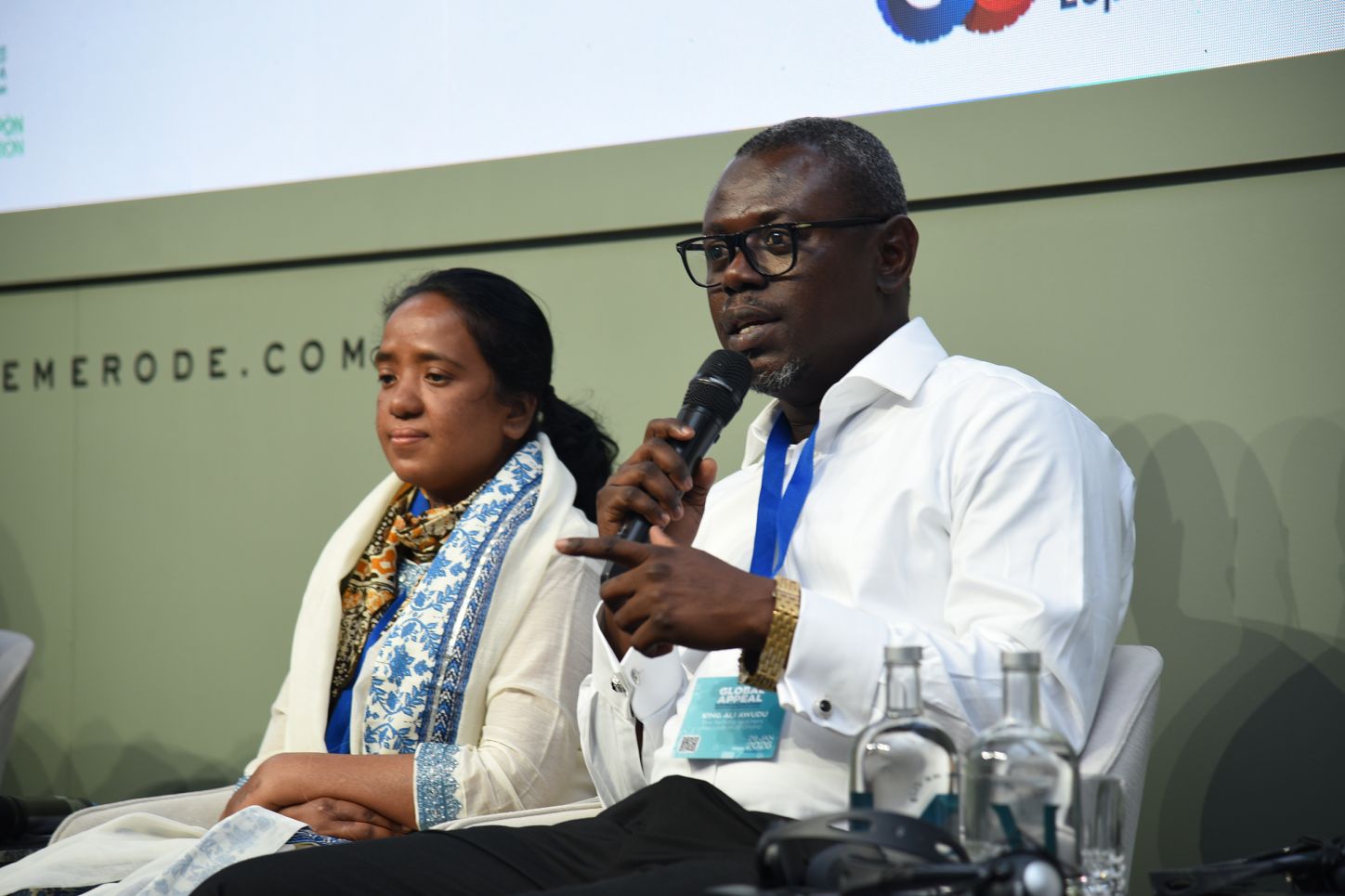
Unifah Rosyidi, member of the Education International Executive Board and President of the Teachers' Association of the Republic of Indonesia, Kamala Kanta Tripathy, member of the Education International Executive Board of the All India Primary Teachers’ Federation, and King Ali Awudu, President of the Pre-Tertiary Teachers Association of Ghana engaged in dialogue with persons affected by leprosy in their respective countries, forging new partnerships to advance inclusive education.
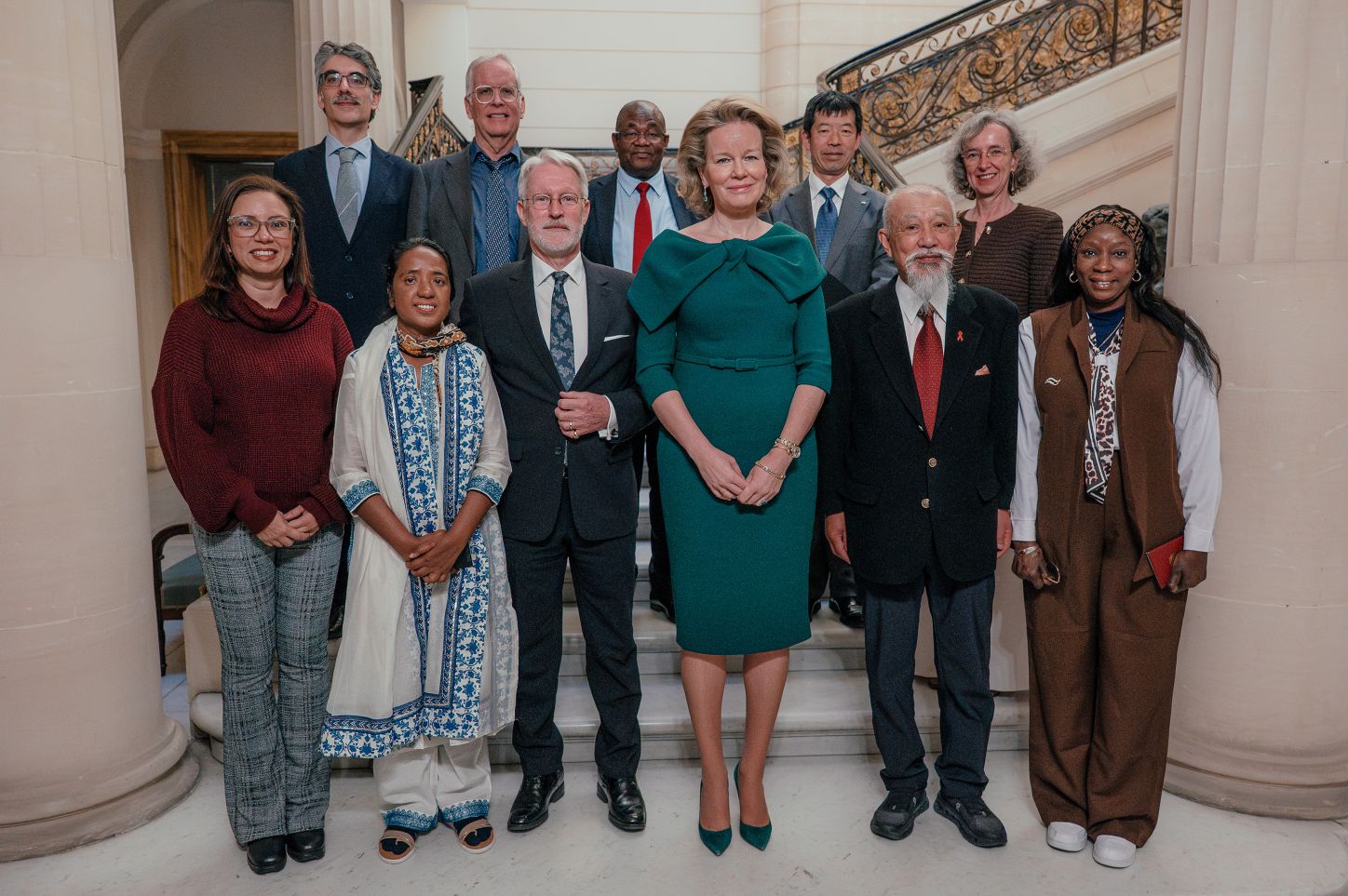
A delegation of persons affected by leprosy from Brazil, India, and Indonesia and Global Appeal 2026 hosts and partners also attended a roundtable audience with Her Majesty Queen Mathilde of the Belgians. The discussion highlighted the challenges people affected by leprosy face, the role of education in ending stigma and discrimination, and synergies with the Sustainable Development Goals framework.
A message from the Queen was later read out at the launch ceremony by Dr. Jean-Pierre Baron Schenkelaars, former President of the Damien Foundation: “I warmly welcome the Global Appeal 2026, which unites key actors around dignity, inclusion, and the fight against leprosy-related stigma. By linking health, education, and equality, this Global Appeal reflects the spirit of the Sustainable Development Goals and deserves my full support.”
“Education is an act of hope. It is an act of resistance against despair. So let’s join hands and stand in solidarity to end stigma and discrimination against people affected by Hansen’s disease”, Maluleke urged.