Africa ECE Network: Unions sharpen strategies to develop and strengthen early childhood education
Improving the professional status of early childhood education (ECE) personnel is central to improving both access and quality. Education unions across Africa are strengthening their collective advocacy to secure quality ECE, as well as recognition and decent conditions for workers in this sector.
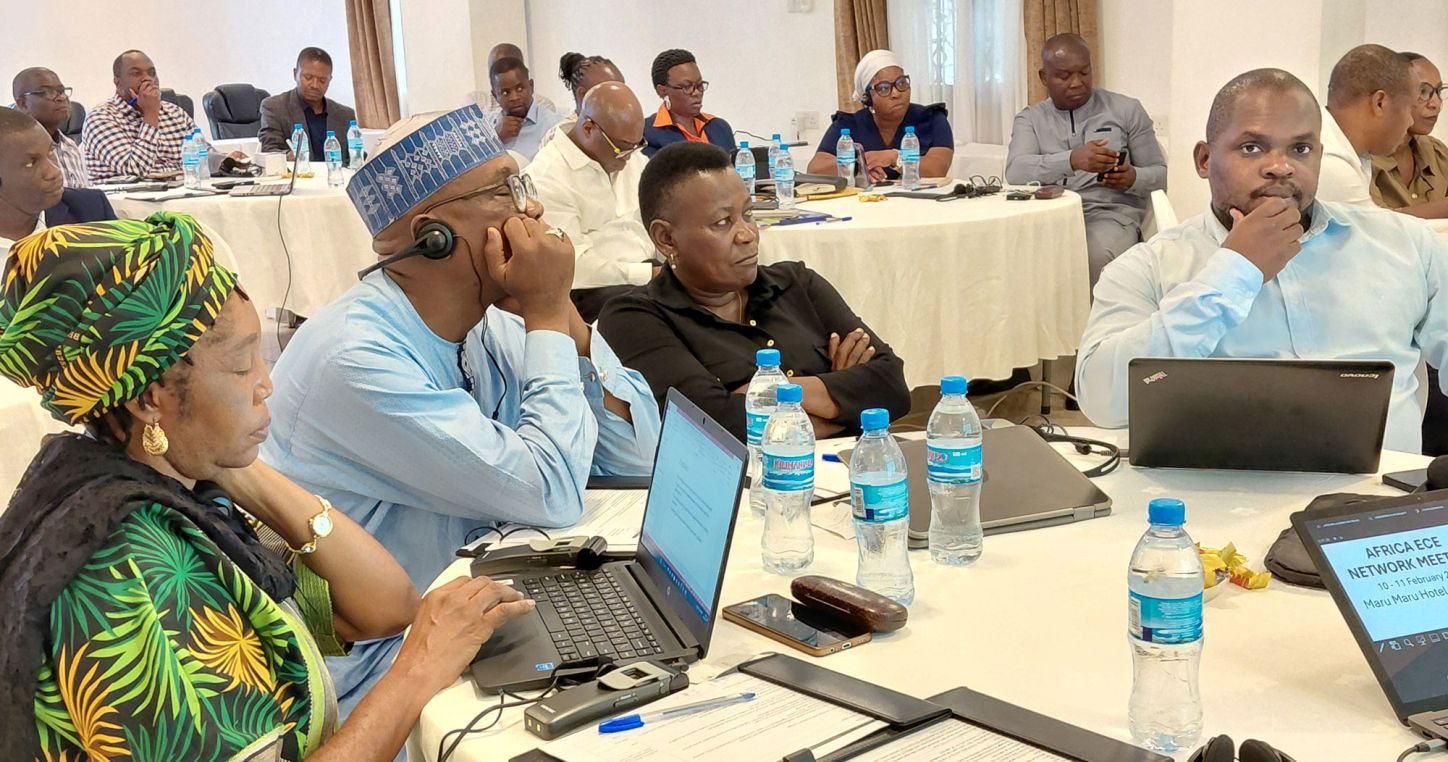
These priorities emerged from the latest meeting of the Education International (EI) Africa ECE Network held in Zanzibar from February 10th-11th, 2026, where over 30 union representatives exchanged experiences and identified shared strategies to advance ECE across the continent.

Social dialogue delivers results
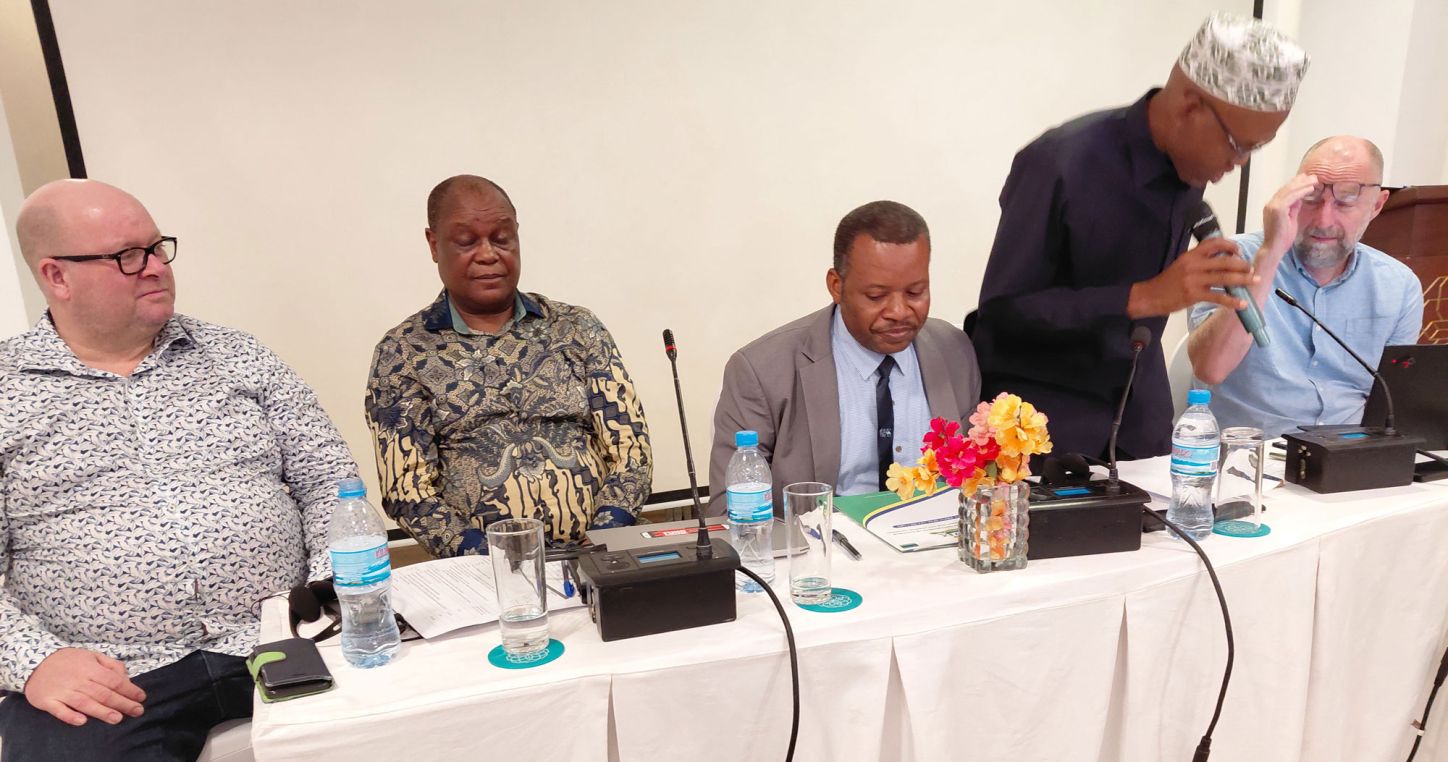
The Deputy General Secretary for Administration of the Zanzibar’s Ministry of Education and Vocational Training, Amosi John Henock officially opened the EI Africa ECE Network meeting by commending “the partnership of trust” between the Ministry of Education and Vocational Training and Zanzibar Teachers Union (ZATU) which promotes quality education in the country.
He also acknowledged the positive contribution of ECE in preparing children for entering primary school and indicated that the government of Zanzibar’s strategic plan for education recognizes ECE.
He went on to highlight a series of actions implemented by the government of Zanzibar to promote ECE: Construction and rehabilitation of ECE infrastructure, recruitment and deployment of ECE personnel, a reform of the ECE curriculum with the introduction of the Learning Through Play methodology and the alignment with the Competency Based Curriculum. He also acknowledged the governmental collaboration with various civil society organizations and development cooperation partners to get the needed resources to create a vibrant ECE sector in Zanzibar.
In his opening remarks, EI Africa Regional Director Dr. Dennis Sinyolo reminded participants that education starts at birth. He stressed the fundamental role of early childhood education in achieving quality education, as well as the need to ensure that children in ECE centers are taught by professionally well-trained and supported personnel.
ECE as a public education priority
Participants also reaffirmed that early childhood education is foundational to quality education systems and must be fully integrated into public education frameworks. Union representatives highlighted persistent challenges, including fragmented governance, underfunding, and the marginalisation of ECE educators within national education systems.
Across countries, unions stressed the need for governments to:
- Recognise ECE educators as trained professionals.
- Ensure fair and competitive remuneration.
- Provide access to continuous professional development (CPD).
- Commit sustained public funding to ECE.
Learning through Play: Pedagogy and policy go hand in hand
Participants envisioned Learning through Play (LtP) prominently as both a pedagogical approach and a union advocacy issue. Experiences shared by unions from Kenya, Malawi, and in Zanzibar illustrated how understanding of ECE pedagogy shapes policy choices, workforce recognition, and investment.
In Kenya, LtP is embedded in the national competency-based curriculum, reinforcing recognition of ECE as a distinct and professional field of education.
In contrast, limited understanding of LtP in Malawi has contributed to misconceptions that ECE should replicate primary education, undermining support for age-appropriate pedagogy and trained educators.
Zanzibar’s experience demonstrated how unions can drive change through social dialogue. After a targeted training of ECE educators, the Zanzibar Teachers’ Union successfully engaged with government authorities, leading to the full adoption of LtP across public ECE institutions.
Professional standards strengthen union bargaining
The Danish Union of Early Childhood and Youth Educators (BUPL) shared lessons on how professional standards enhance collective bargaining power. In Denmark, the requirement for ECE personnel to hold a bachelor’s degree has enabled the union to negotiate improved salary scales and staffing ratios, including the recruitment of additional staff to reduce workloads.
Participants highlighted the relevance of linking qualification frameworks, professional recognition, and working conditions, while adapting strategies to national contexts in Africa.


Shared priorities for union action
Group discussions identified common strategic priorities for unions at national and regional levels, including:
- Pushing for the full implementation or review of national ECE policies.
- Advocating increased and sustained public funding for ECE.
- Strengthening evidence-based advocacy through data and research.
- Securing decent employment conditions for trained ECE educators.
- Promoting International Labour Organization and EI recommendations on ECE and decent work.
A collective commitment
The meeting concluded with the adoption of an ECE Africa Network Statement on how unions can use the ECE Network to coordinate and work together in promoting quality, inclusive Early Childhood Education and improved conditions of work for educators in Africa. This statement calls on governments to expand investment in ECE, recognise ECE educators as professional practitioners, and ensure access to CPD aligned with inclusive, play-based pedagogies. Network members also committed to strengthening mobilisation, recruitment, and representation of ECE personnel. They will also define concrete national advocacy commitments.
As Dr. Sinyolo noted in his concluding remarks, continued progress will depend on constructive, evidence-informed union advocacy that positions unions as key partners in building strong and equitable early childhood education systems.