Union partnerships are redefining professional development worldwide
From Canada to The Gambia, from Denmark to Zanzibar, education unions are reshaping professional development as a collective, teacher-led project rooted in solidarity, dignity and local realities.
Through concrete cooperation projects — designed and delivered by unions — professional development is being used as a lever to build membership, enhance advocacy and demonstrate to governments that unions are indispensable actors in the pursuit of quality education.
On January 22nd, 2026, Education International convened an online Development Cooperation Café that brought together union leaders and education professionals from across continents to examine the following question: how can professional development strengthen both teaching and unions themselves?
Two initiatives were highlighted: the long-running “Teaching Together” program linking the Canadian Teachers’ Federation (CTF) and the Gambia Teachers’ Union (GTU) - as one example of 15 such projects carried out by CTF each year -,and a partnership between the Danish Union of Early Childhood and Youth Educators (BUPL) and the Zanzibar Teachers’ Union (ZATU) focused on early childhood education.
“Teaching Together”: Professional Learning, Union Building
At the heart of the CTF–GTU partnership is “Teaching Together,” an international professional learning program.
“It is an immersive collaborative professional learning program,” said Beverley Park, Director of the International Cooperation Program at the Canadian Teachers’ Federation. “And the significant thing is that it is for teachers by teachers.”
The program connects Canadian teachers with peers in partner countries to co-design and co-facilitate projects based on locally identified needs. Curriculum is not exported; pedagogy is discussed, adapted, and lived through practice. “We don’t go in and say, ‘Here’s how you’re supposed to teach,’” Ms. Park explained.

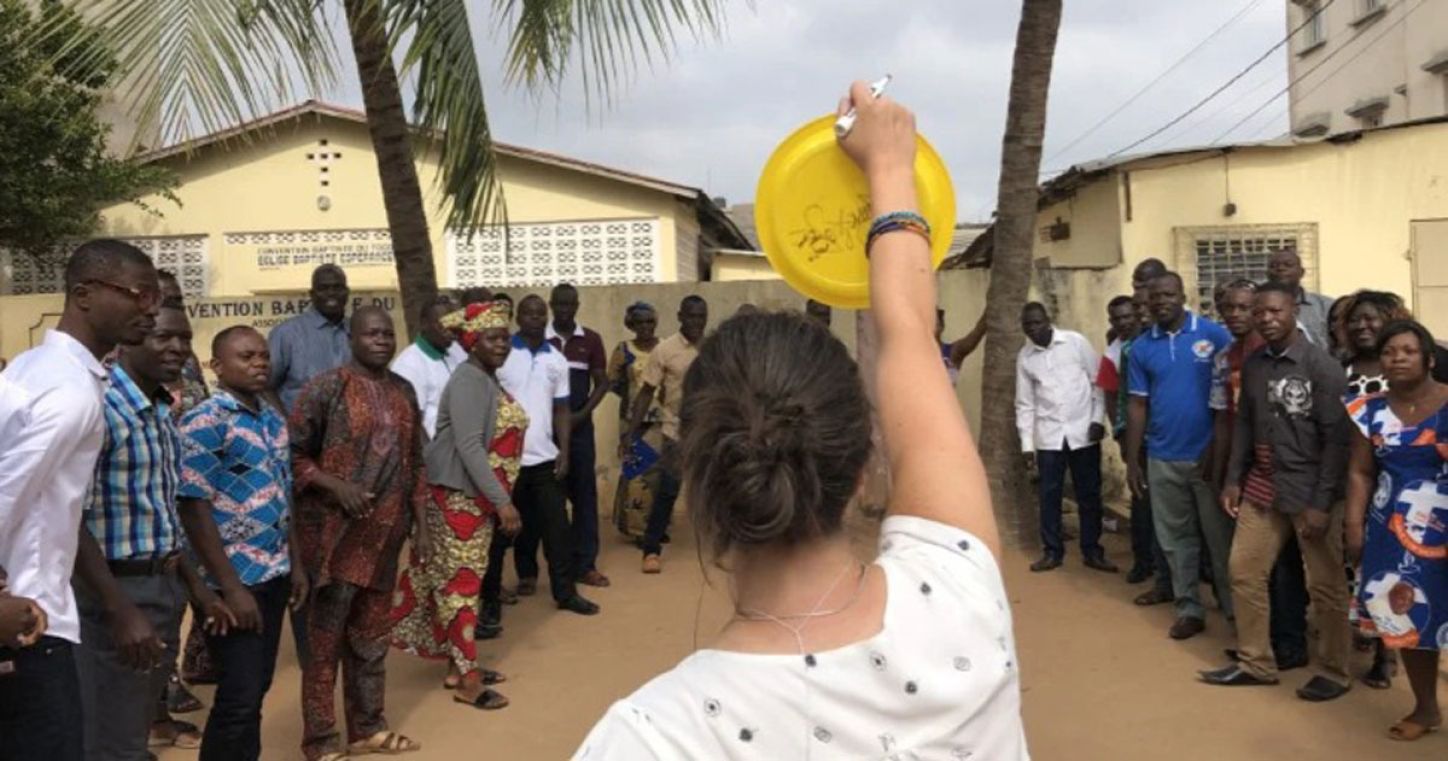
For the Gambia Teachers’ Union, the impact has been both pedagogical and profoundly organizational.
“Especially having some of the Canadian teachers here with us, it is an enriching program for the teachers,” said Momodou Baka Dem, Program and Communications Officer of the GTU. Many participants are early-career educators, paired with more experienced colleagues from abroad — a combination that, he said, has had a visible effect in classrooms.
But the union dimension is just as central. “Teaching Together” has become a recruitment and visibility platform, allowing the GTU to reach young teachers who might otherwise never get to know about the union. “They would always ask: what is the Gambia Teachers’ Union doing for us?” Mr. Dem said. “This program is that platform where we answer some of those questions.”
He also explained that the program has been a crucial tool in recruiting young teachers into leadership roles within the union. “We encouraged participants to be part of the union to take up leadership roles during these programs. For example, he underlined that the regional chairperson for the educational region one – out of 8 regions - during one of the programs, became the Vice-Chair of the Gambia Teachers Union Ladies Society, and the Vice-President of the Gambia Teachers’ Union. Because of the lessons that they got from this program, some of our trainees, those that attended the program, are winning National Teacher Awards because of the impact of the program that they attended, as is the case for the first winner of the Gambia Teacher Prize that was initiated in 2022.”
Through direct engagement, the union has strengthened its advocacy capacity, gathered evidence from lived realities of members, and used it to press government on issues such as teacher housing — with tangible results.
Early Childhood Education and the Power of Context
If “Teaching Together” shows how professional development can renew union life, the partnership between Denmark’s BUPL and Zanzibar’s ZATU illustrates how cooperation can help build entire policy frameworks — especially in underdeveloped sectors like early childhood education.
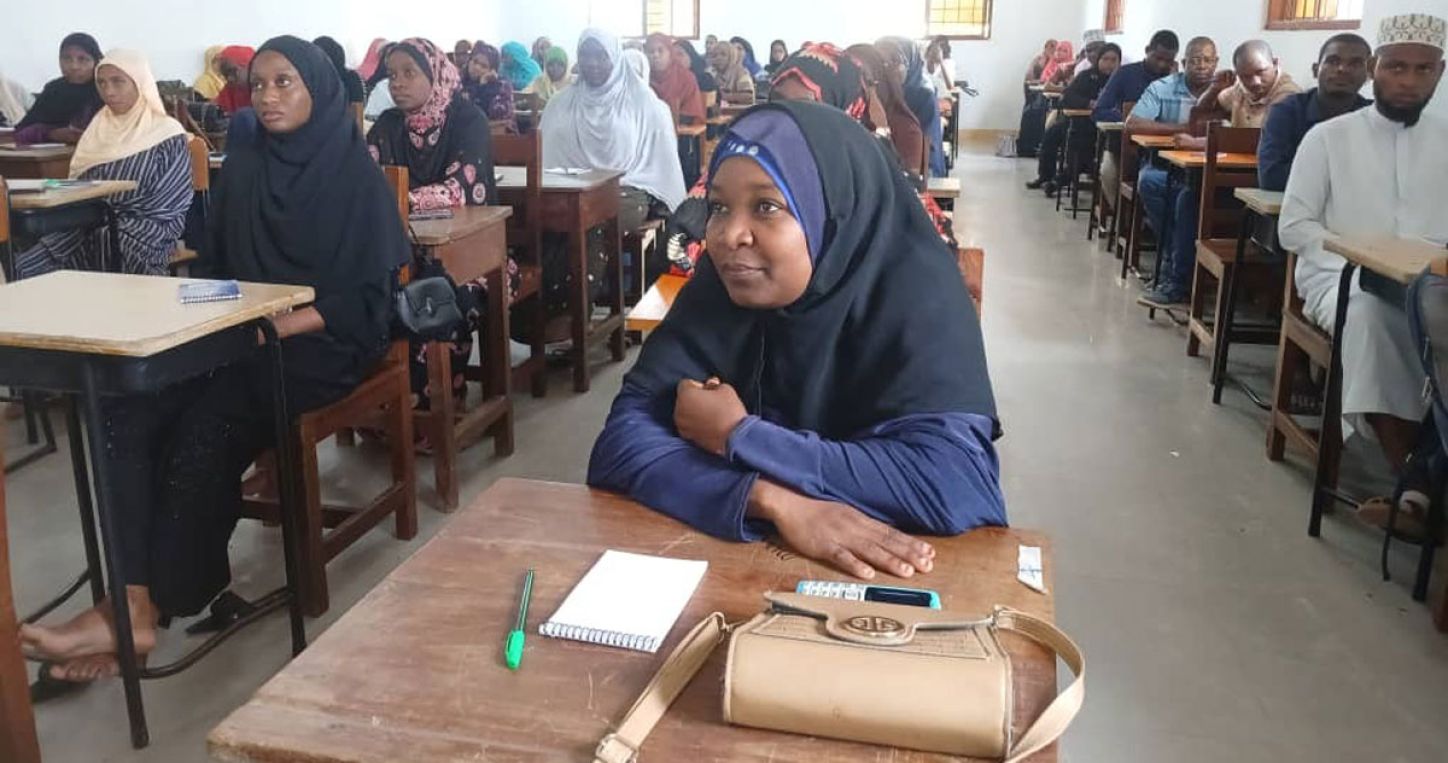
“Our focus is early childhood education,” said Lasse Bjerg Jørgensen, Treasurer and Head of International Affairs at BUPL. “But we very much make agreements with those countries we cooperate with on what your biggest challenges and issues are, and then we work on that.”
In Zanzibar, those challenges were systemic: low pay, informal employment, weak labor protections, and limited recognition of early childhood educators. According to ZATU General Secretary Haji Juma Omar, the project aimed to address these issues simultaneously — through professional training, advocacy, and social dialogue.
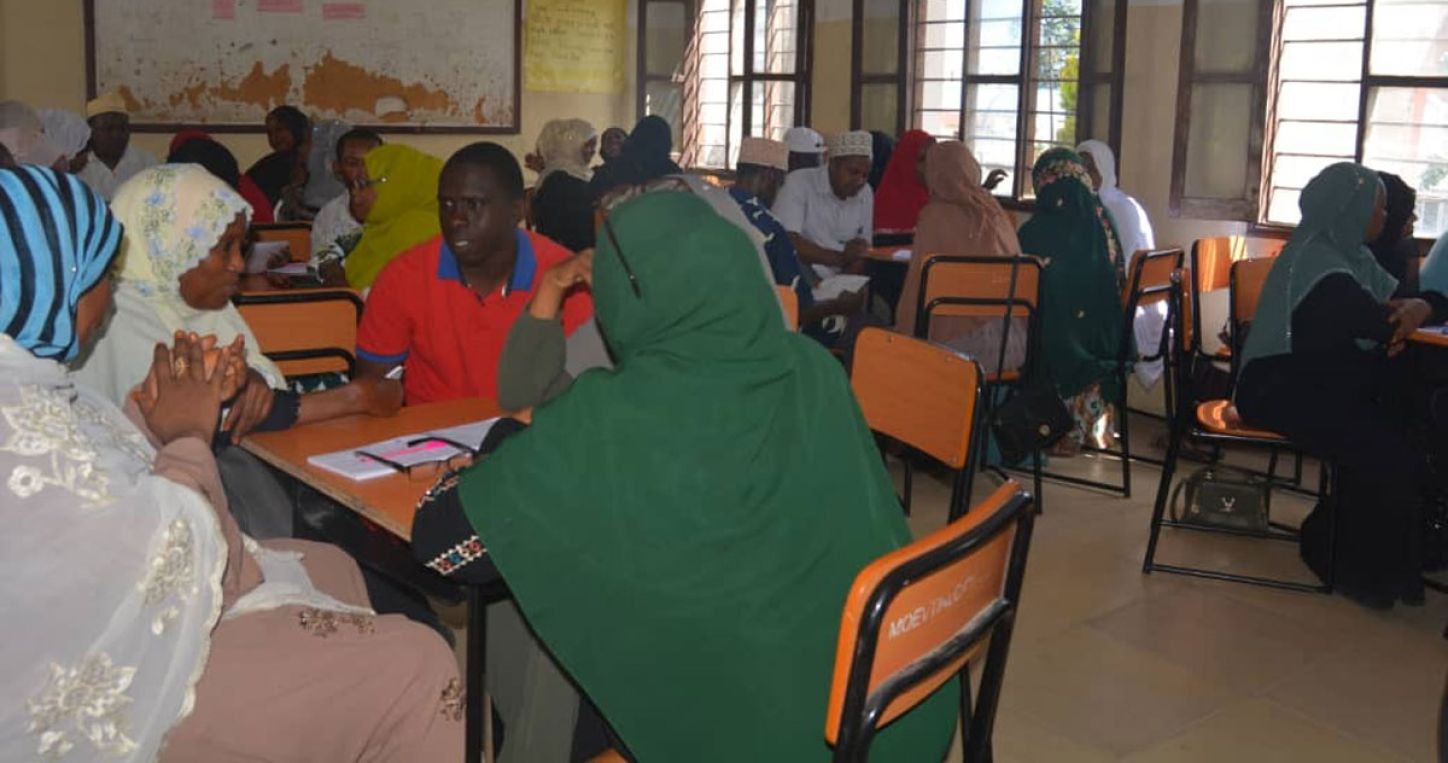
“The project aimed to improve early childhood education by enhancing labor law compliance, working conditions and teacher competence,” Mr. Omar said, emphasizing learning-through-play methodologies alongside union-led advocacy.
The results have been concrete. Teachers have moved onto government payrolls; collective bargaining agreements have been signed in private schools, and early childhood education has been formally integrated into national education policy discussions.
Beyond Numbers, Toward Lasting Impact
Speakers also noted that formal evaluations are rare, and impact is often narrated rather than quantified. But that, Ms. Park suggested, may be precisely the point: “We can give you statistics,” she said, “but that doesn’t tell the story of the impact.”
What does, however, tell the story are teachers who become union leaders, educators who win national awards, and unions that gain the credibility to sit across from governments as equal partners.
The message from the Development Cooperation Café was clear: when teachers lead their own professional development — through their unions — they are not just improving classrooms. They are rebuilding the collective power of the profession itself.