Education unions are key to the global fight against raging global inequality
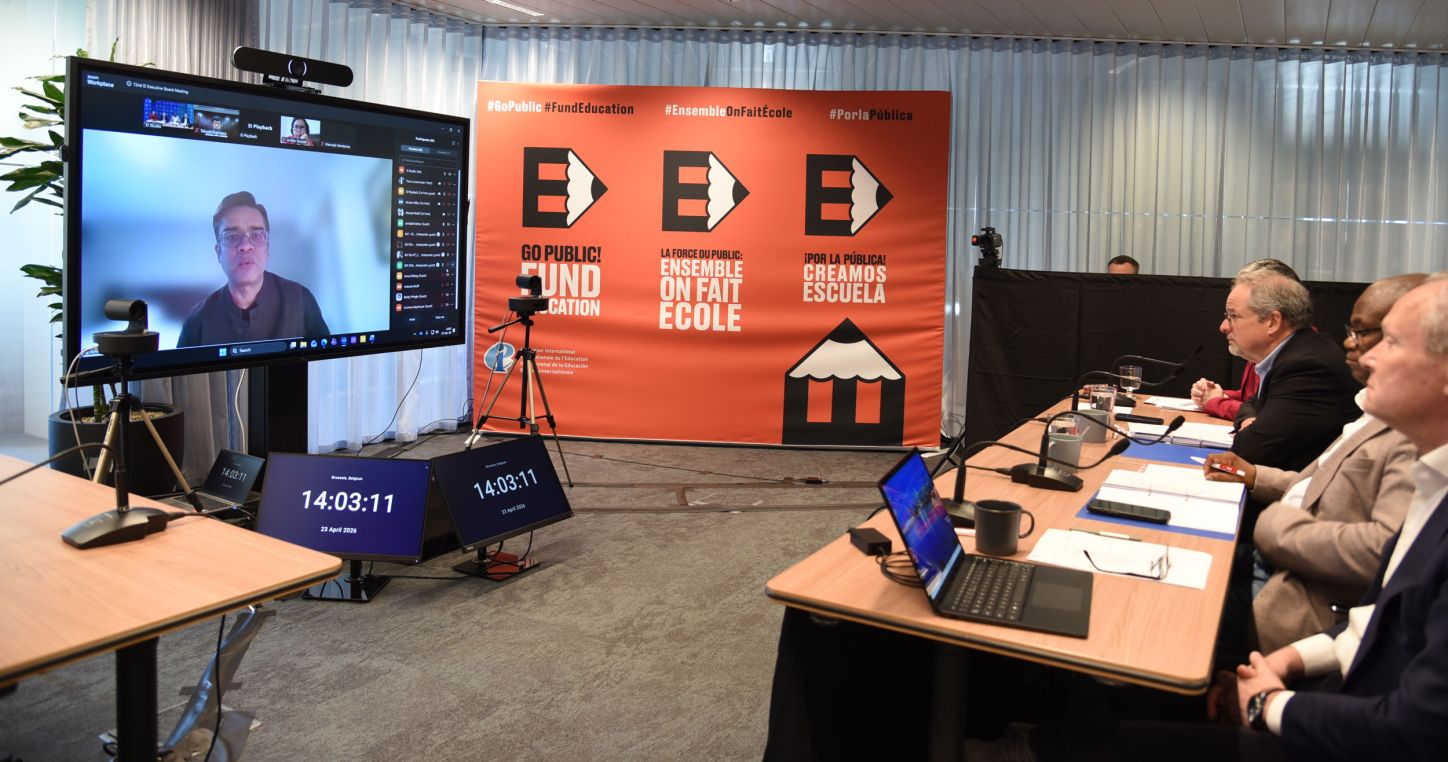
Education unions are a key force in the global struggle against extreme inequality and the growing political power of the ultra-rich, according to Amitabh Behar, Executive Director of Oxfam International. Behar described how billionaires are no longer content with buying yet another luxury yacht and are pursuing political influence to keep the inequality structures that fuel their profit making.
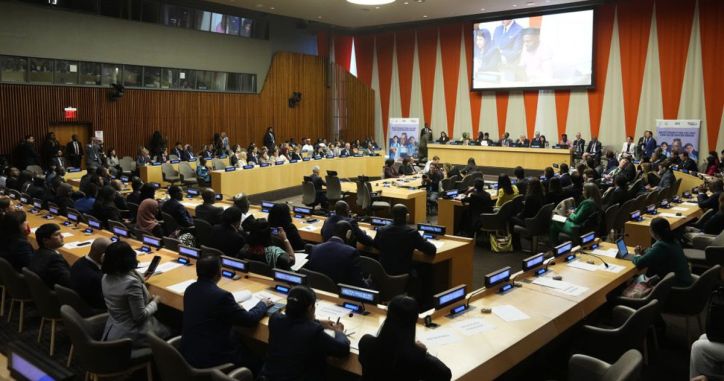
Addressing the 72nd meeting of the Education International (EI) Executive Board, Behar underlined the urgency of building broad alliances to confront what he described as an inequality “emergency”.
Behar referenced the recent Oxfam report, Resisting the Rule of the Rich – Defending Freedom Against Billionaire Power, which reveals that the number of billionaires worldwide has surpassed 3,000 for the first time, with their combined wealth reaching the highest level in history. At the same time, one in four people globally is facing hunger, exposing what Oxfam describes as a deep and dangerous contradiction at the heart of today’s global economy.
Beyond the staggering concentration of wealth, the report warns that billionaires are increasingly using their fortunes to accumulate political power. Through buying political influence, shaping government decisions, owning major media outlets and social media platforms, or out-lawyering critics and regulators, billionaires are placing themselves above democratic accountability.
Billionaires have started “buying votes, buying politicians, buying elections, and buying governments,” he warned. He added: “They are not content with economic power. What we are seeing is this rise of oligarchies, which is essentially about concentration of economic wealth and political power,” he said.
He warned that governments end up defending the accumulation of wealth of top level, instead of defending the rights of people, the freedom of people, adding: “Let's not forget that economic poverty leads to hunger, but political poverty leads to anger.”
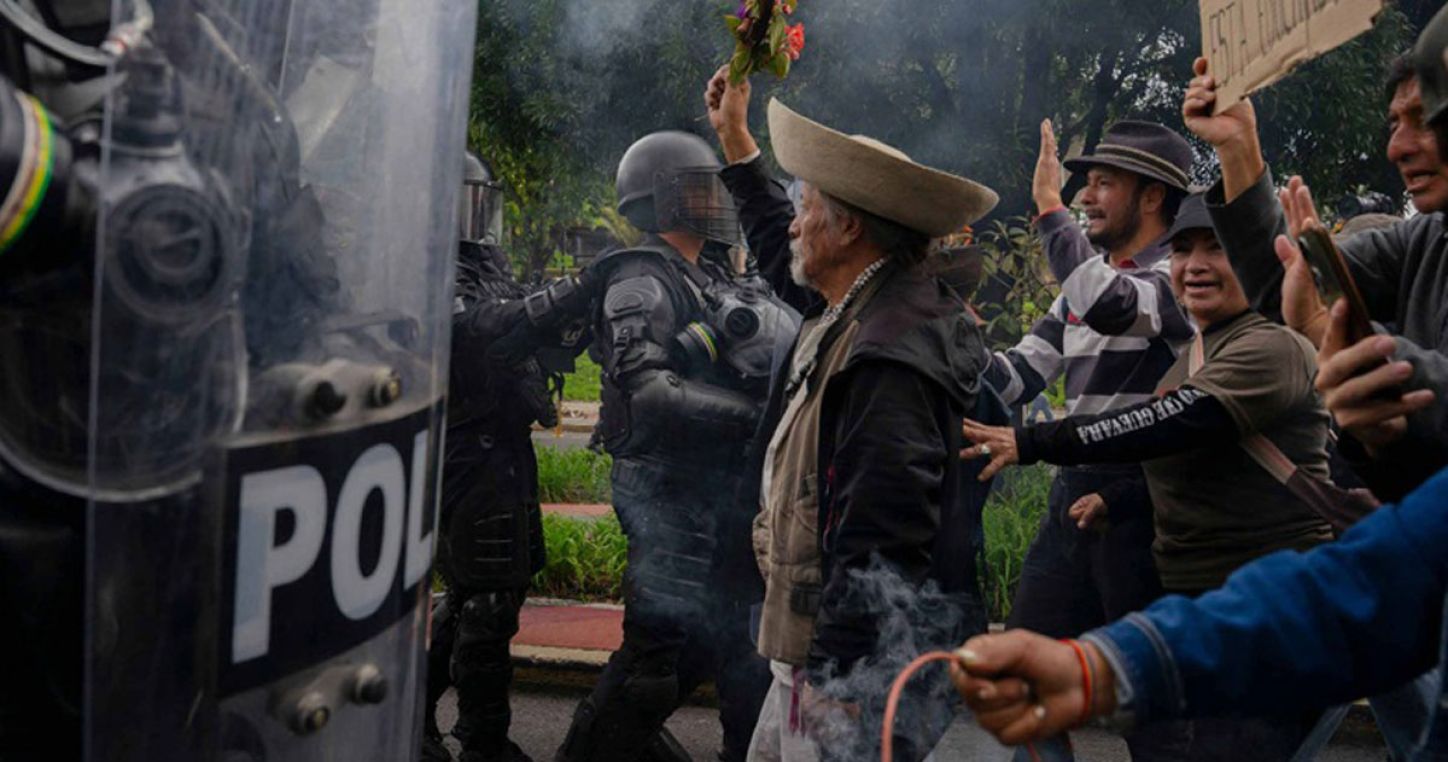
He also referred to popular protests emerging worldwide against growing inequalities: “There were 144 large-scale protests just last year in more than 60 countries. This has led to change of regimes. This has led to change of policies. People have had to take financial bills back, so it is massive. People's power is massive, it is thriving.”
“More than 50% of the large media houses are owned by the same billionaires,” he stressed. “Nine out of the 10 largest social media platforms, and we know what social media has done to the world in polarizing societies, in shifting opinions, are owned by, again, the same billionaires.”
He went on to stress these media “are not reporting that the common average people are not accepting these oligarchies. The anger is spilling onto the streets.”
For education unions, this concentration of power has direct and damaging consequences. Extreme inequality undermines public education systems, weakens public services, and erodes democratic institutions. As billionaire influence grows, policies that protect workers’ rights, fund public education, and promote social justice are increasingly sidelined.
Education International has consistently argued that strong, well-funded public education systems are essential to reducing inequality and strengthening democratic societies. The Oxfam report reinforces that message, calling on education unions to recognise their central role in resisting billionaire dominance and defending democratic freedom.
Behar made a call to take action and presented five ways of fighting inequality:
- Tax the super-rich.
- Invest in education, social security, health.
- A living wage for all workers.
- Cancel international debt.
- Change the colonized international financial architecture.
Behar concluded that union power is one of the most effective and powerful forces to confront extreme inequality and maintain democratic institutions from being taken over by oligarchs.