Education International demands an immediate and sustainable ceasefire to protect education in the Middle East
In the face of a war across the Middle East which continues to destroy lives, communities, and education systems. Education International (EI) calls for an immediate and sustained ceasefire, full de‑escalation of hostilities, and the protection of students, teachers, and education workers across the region.
Considering that the ongoing war in the region continues to cause unacceptable loss of civilian life, widespread trauma, forced displacement, and the destruction of critical civilian infrastructure; the Executive Board of Education International issued an urgent resolution during the EI Executive Board meeting on April 23rd, 2026.
The resolution adopted unanimously during its 72nd meeting, states that "any ceasefire must be comprehensive and lead to full de‑escalation; and that it must explicitly include Lebanon, where ongoing Israeli military assaults linked to the regional escalation have already caused severe human, social, and infrastructural consequences."
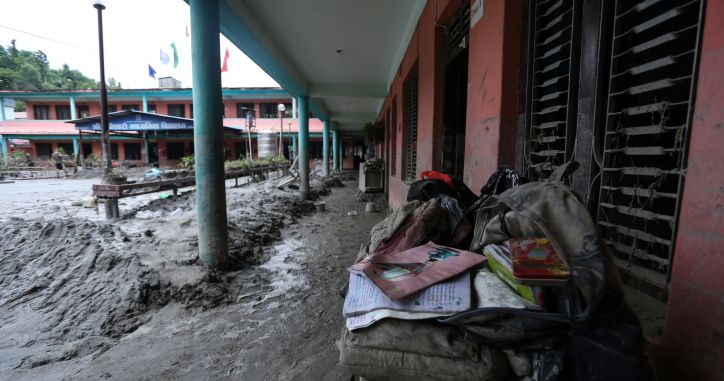
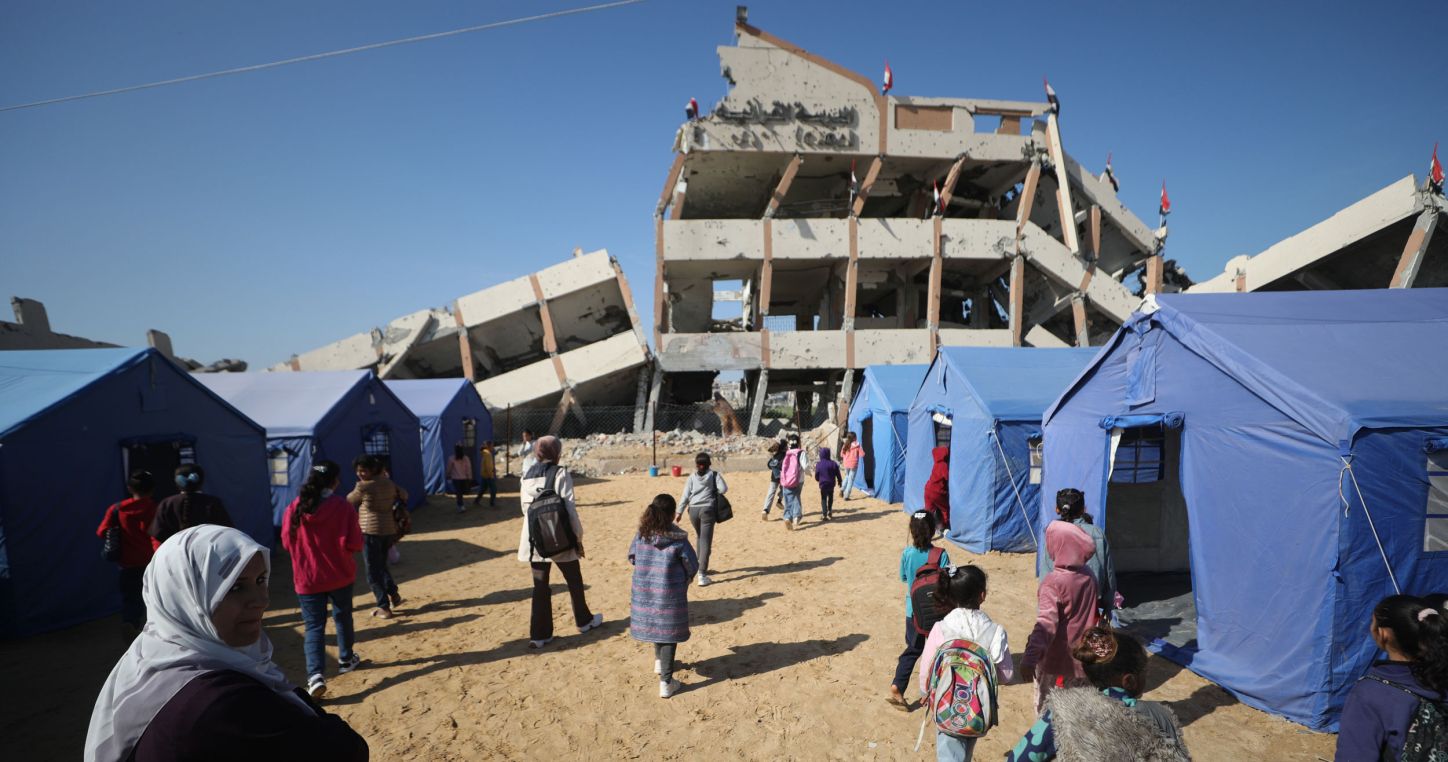
As the war continues, schools and universities across the Middle East have been damaged, destroyed, or rendered inaccessible, depriving millions of children and young people of their fundamental right to education. Teachers and education support personnel are among those most severely affected, facing violence, intimidation, unpaid or disrupted livelihoods, and the collapse of safe learning environments.
A call for ceasefire, protection, and humanitarian access
The resolution also demands “full respect for international humanitarian law and international human rights law, including the protection of civilians, the prohibition of attacks on schools and universities, and adherence to the principles of distinction, proportionality, and necessity.”
Reaffirming that schools, universities, and all education facilities are “protected civilian spaces and must never be targeted under any circumstances,” EI insists “on the protection of teachers and education workers from violence, persecution, harassment, and intimidation, enabling them to carry out their professional duties safely and with dignity.”
Education International also calls on “all parties to ensure safe, unhindered, and sustained humanitarian access to affected populations, with particular attention to children, students, teachers, and education workers.”
The resolution furthermore calls on "action to defend the right to education and the rights of teachers and education workers in situations of conflict and crisis (and to) continue supporting the struggles of education unions against authoritarianism and for democratic and union rights."
For EI, post‑conflict recovery must include: restoration and reconstruction of damaged and destroyed education infrastructure; psychosocial support for students, teachers, and education workers affected by trauma; rebuilding strong, equitable, inclusive, and quality public education systems; and meaningful involvement of teachers and their trade unions in recovery and education reform.
Global solidarity and political pressure
The global federation of education unions further calls on member organisations to “increase advocacy and political pressure on their respective governments to support a ceasefire, uphold international humanitarian law, and take concrete action to end attacks on civilians and education.” They should also “advocate for increased and sustained financing for education in emergencies,” to ensure continuity of learning and the protection of education systems in crisis contexts.
EI will continue mobilising advocacy, solidarity, and international action to defend the right to education and the rights of teachers and education workers in situations of conflict and crisis.
The full resolution is available here.