The hidden crisis facing women who work in kitchens in Ghana’s pre-tertiary schools
Sign up
Sign up for the Worlds of Education newsletter.
Sign up
Sign up for the Worlds of Education newsletter.
Thank you for subscribing
Something went wrong
They feed thousands. Who cares for them?
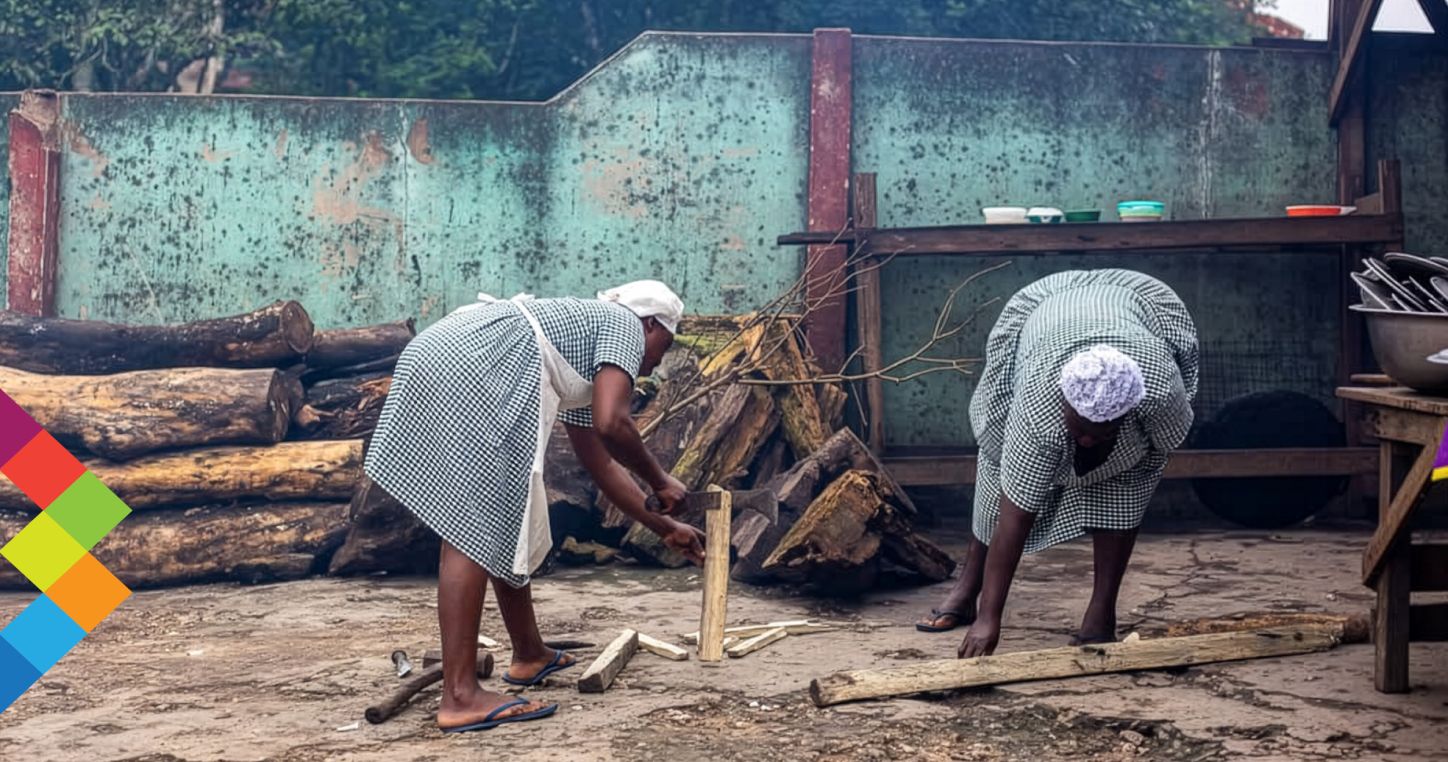
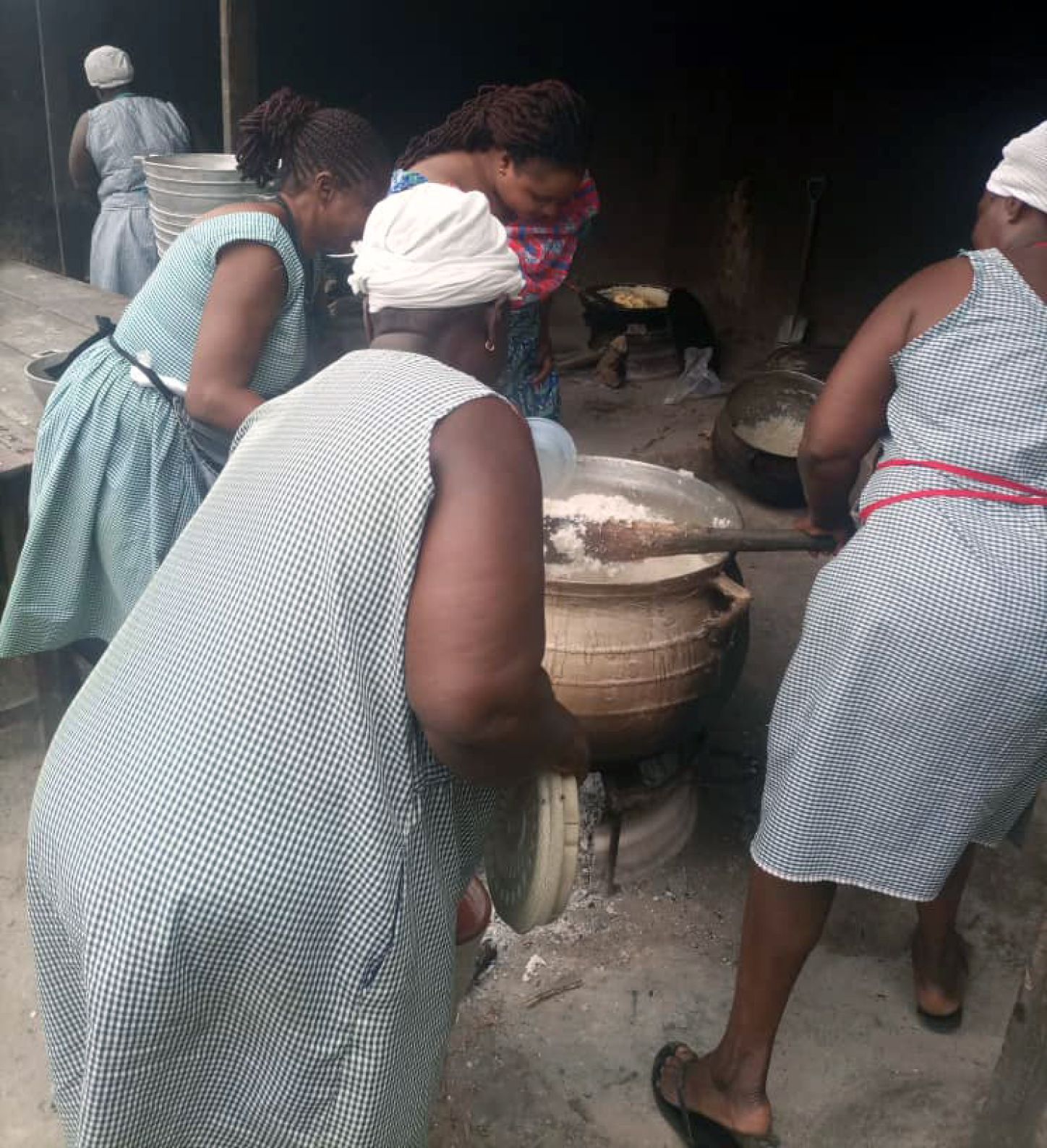
Every morning before the first bell rings and the first lesson starts, a group of women are already on the job at Ghana’s schools. They light fires, lift heavy pots, chop vegetables and cook meals for thousands of students across the country. By the time students sit down to eat, these women have already been working for hours in smoke-filled, inadequately ventilated spaces, often without proper personal protective equipment, clean water, or even basic safety infrastructure. These are Ghana’s school kitchen women. They are the invisible backbone of the country’s pre-tertiary education system. They make the Free Senior High School coupled with high enrollment possible. And yet they are among the most ignored, underappreciated, and unprotected workers in the education sector. That invisibility ends now.
A double burden and a gendered crisis in plain sight
All the daily hazards facing kitchen staff at Ghana's pre-tertiary institutions are not abstract. They are physical, immediate, and compounding. Women are largely dominant in these roles, faced with heat from open fires, hot surfaces, and sharp tools that result in burns and cuts. These women breathe smoke every day inside kitchens with little or no access to ventilation and, over years of service, get affected by these exposures. They stand for hours on hard surfaces and lift heavy loads repeatedly under the pressure of feeding hundreds of children within a time schedule. These are all done without the proper ergonomics, appropriate safety equipment, or institutional protection their work demands. Beyond the physical toll, these women do double duty, an additional load that has a hard time getting any policy attention. After long hours cooking and serving food in schools, they return home to unpaid care work such as cooking, childcare, and overseeing their household with almost no time to rest, develop professionally, or recover. Also, these women are faced with limited pathways to promotion, job insecurity, low systemic visibility, and, in some cases, exposure to harassment. This is not just a safety issue on a job. It is a gender justice issue. And it calls for a gender justice response.
A system that harnesses their labour without protecting them
It is imperative to note that Ghana’s pre-tertiary education system cannot run smoothly without the function of the kitchen staff. Thus, without them, learners will stay hungry in the classroom, and the energy that enables students to focus and learn will diminish. The Ghana Education Service conditions recognise that kitchen staff at Ghana’s pre-tertiary level still work in at-risk settings and require health and safety and protective clothing. However, there is a huge gap in policies and initiative towards addressing these challenges.
TEWU's response: Green and safe kitchen campaign
The Teachers and Educational Workers' Union of TUC-Ghana (TEWU) launched a national campaign on green and safe kitchens in all Ghana pre-tertiary institutions. This is a practical and principled campaign. Green kitchens are energy-efficient, environmentally friendly settings with proper ventilation, free from smoke and heat exposure, and pollution to workers and surrounding communities. Importantly, TEWU’s campaign is underpinned by an explicit, gender-responsive framework. It requires fair, humane scheduling which recognises the importance of rest, protection from harassment in the workplace, and equal opportunities for women to be trained and promoted to leadership. TEWU acknowledges that it is not sufficient to simply improve kitchen infrastructure if the structural gendered inequalities in these workplaces are not tackled. TEWU of TUC is calling on the Ghana Education Service, TVET Service, Ministry of Education, governing boards of schools and districts, and regional education offices to act promptly in resolving the issues.
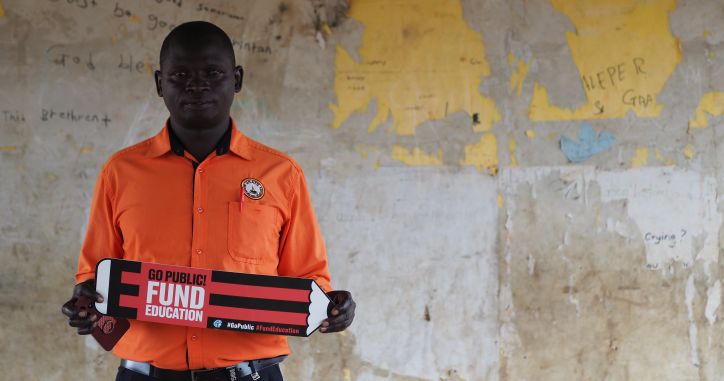
TEWU is also leveraging the Go Public! Fund Education campaign, calling on the Ghanaian government to increase education funding to the benefit of the education support staff.
Towards global responsibility
Ghana cannot tackle the issue on its own. The challenges for kitchen women in Ghana’s schools reflect patterns across low- and middle-income countries where food is prepared for students. Women continue to carry the operational burden of such practices where the occupational safety infrastructure is falling behind. TEWU of TUC urges global education partners, development actors, non-governmental organisations, as well as international labour rights organisations to participate in this initiative by providing advocacy support that promotes modern, ventilated, energy-efficient kitchen infrastructure; capacity development programmes and trainings on occupational health and safety; and documentation and dissemination of best practices from those countries where green school kitchens and women-protective labour policies have successful outcomes. The well-being of kitchen staff needs to be part of the global conversation about school feeding, quality education, and decent work, not a side issue.
Investment not gratitude: A call to action
Kitchen staff in Ghana’s pre-tertiary schools have no need for token accolades. They need safe workplaces and protective tools. They need kitchens built for human dignity, not just minimum function. They need institutional recognition that their labour is skilled, essential, and entitled to equal investment as the rest of the education system. If kitchen staff are protected, learners are well fed and healthier. When women in these roles are truly valued, Ghana's education system will be more equitable and sustainable. The evidence is overwhelming. Investment in kitchen staff equals investment in quality education. TEWU of TUC will not relent until each school kitchen in the country embodies safety, sustainability, and respect for the women who work in them. We ask Education International, its affiliates and the world to stand with us for the women who cook, for the children who eat, and for the future of public education in Ghana.
The opinions expressed in this blog are those of the author and do not necessarily reflect any official policies or positions of Education International.