North Asia Network of educators joins forces for democratic, resilient, and truly representative unions
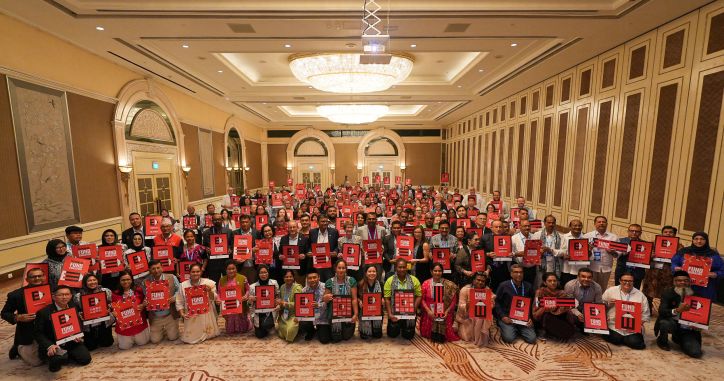
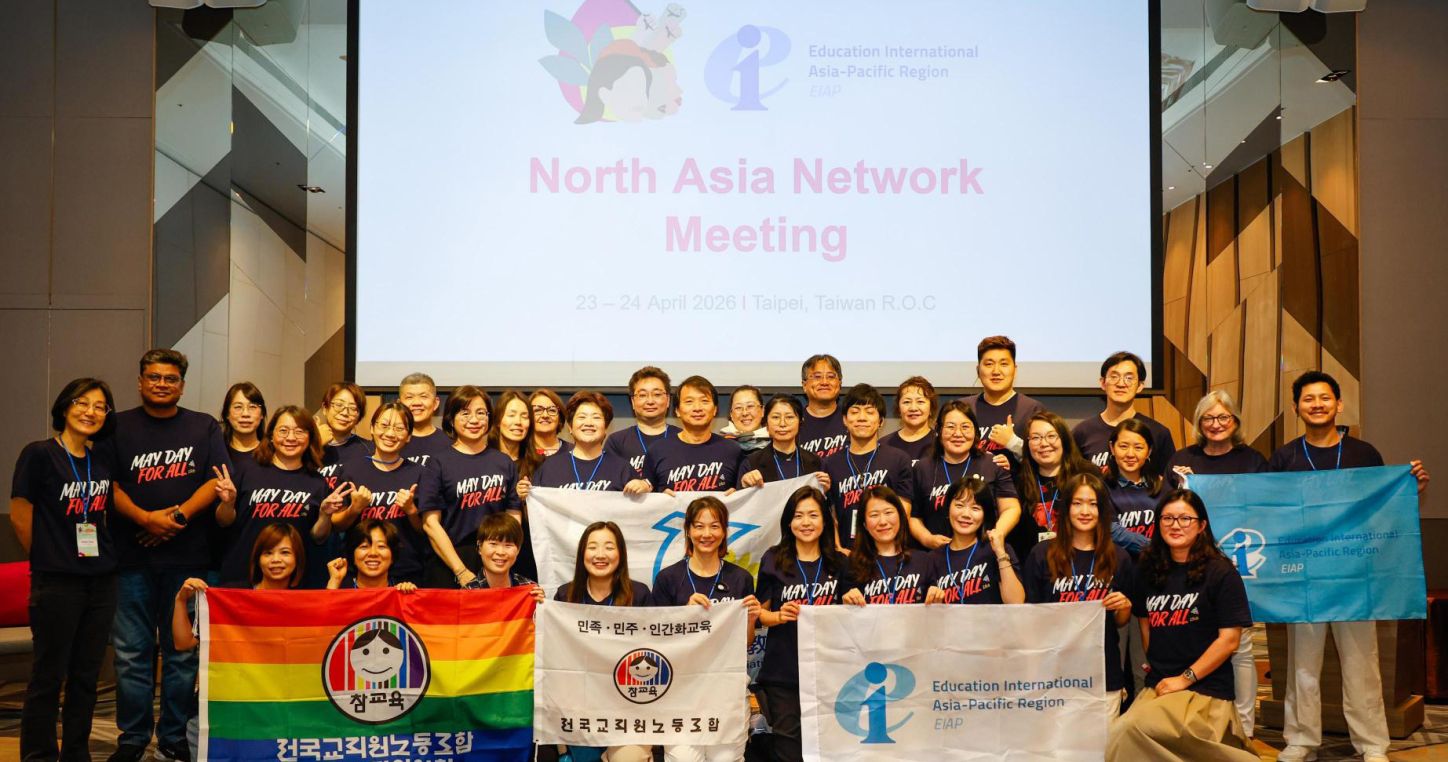
The North Asia Network (NAN) convened for its first ever face-to-face meeting in Taipei on 23–24 April, marking a historic milestone for the sub-region. Education International, affiliates from North Asia came together for the first time as a structured network, a significant step forward in regional solidarity and collective action.
The NAN was established as an outcome of the first EI Asia-Pacific Women’s Conference in July 2024. Distinctive in its inclusive and intersectional character, the network brings together representatives from the women’s, youth, and LGBTQIA+ committees of education unions from Japan, Mongolia, South Korea, and Taiwan. Since its formation, the network has met regularly online to define its objectives, working methods, and action plan making the Taipei gathering its long-awaited first in-person convening.
Opening the meeting, EIAP Regional Director Anand Singh set the tone with a clear message about the purpose and promise of the network. “This network represents something powerful,” he said. “It brings together a diverse and dynamic community of Education International affiliates, leaders, organisers, activists, youth, women, and LGBTQIA+ members.”
Mr. Singh underscored that inclusion is not optional, but fundamental to building unions that are democratic, resilient, and truly representative. “A strong union movement in North Asia and everywhere must be a movement where every voice counts, every identity is respected, and every member feels they belong,” he told delegates.
He also called on unions to ask themselves honestly whether they are truly relevant to all members including first-year teachers, women seeking leadership roles, and LGBTQIA+ members seeking dignity and representation. “Unions cannot grow if people feel excluded. Unions cannot be strong if some feel invisible,” he said, urging delegates to build unions as “safe, inclusive, and empowering spaces.”
Mr. Singh also highlighted EI’s global campaigns including Go Public! Fund Education, trade union rights, gender equality, and LGBTIA+ inclusion as part of a shared commitment anchored in a single principle: “Strong public education systems require strong, inclusive unions.”
Sharing strategies, amplifying voices
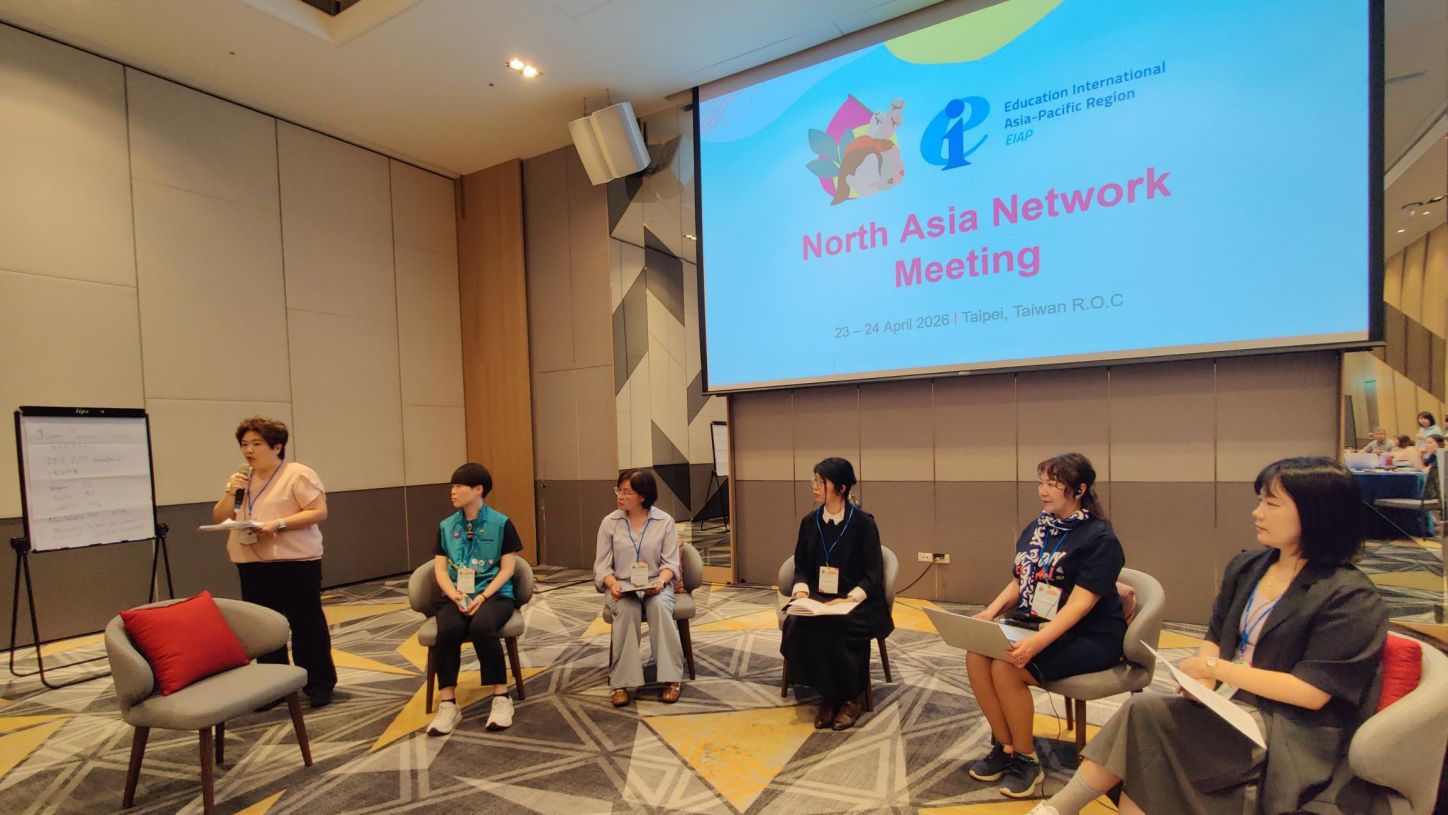
Over two days, participants shared their union priorities, key challenges, and campaign strategies, with a focus on how each constituency effectively organises and engages politically. Highlights included:
- The Japanese Teachers Union (JTU) shared their campaign on workload reduction in schools and efforts to engage young people in political participation, including bringing the issue to the Japanese Diet.
- The Korean Education Workers and Teachers Union (KTU) presented strategies for membership engagement to raise awareness about class size and its impact on both teachers and learners.
- The National Teachers Association of Taiwan (NTA) outlined strategies for engaging pro-union legislators, highlighting the successful campaign to secure a May Day public holiday.
- The Federation of Mongolian Education and Science Unions (FMESU) described how a targeted public campaign using institutional social dialogue mechanisms have enabled and contributed towards a teachers’ salary increase in just 13 days.
- The Korean Federation of Teachers Union (KFTU), EI’s newest affiliate, attended its first EI meeting during the gathering. The union shared insights into its structure, membership, and the work of its youth and women’s bodies. Notably, with the majority of its members in their 20s and 30s, youth concerns are central to the union’s agenda rather than siloed within a dedicated committee.
Key themes and collective commitments
Discussions underscored the importance of union renewal, with participants identifying shared challenges across all constituencies: the need to mainstream gender, youth, and LGBTQIA+ issues into union agendas; strengthening internal communication between local branches and central committees; building awareness and community engagement beyond membership; and diversifying union income, organising and expanding coalitions with like-minded organisations.
The meeting provided a safe and supportive space for participants to build trust, learn from one another’s experiences, and develop concrete plans for strengthening the power of their constituencies within their respective unions.
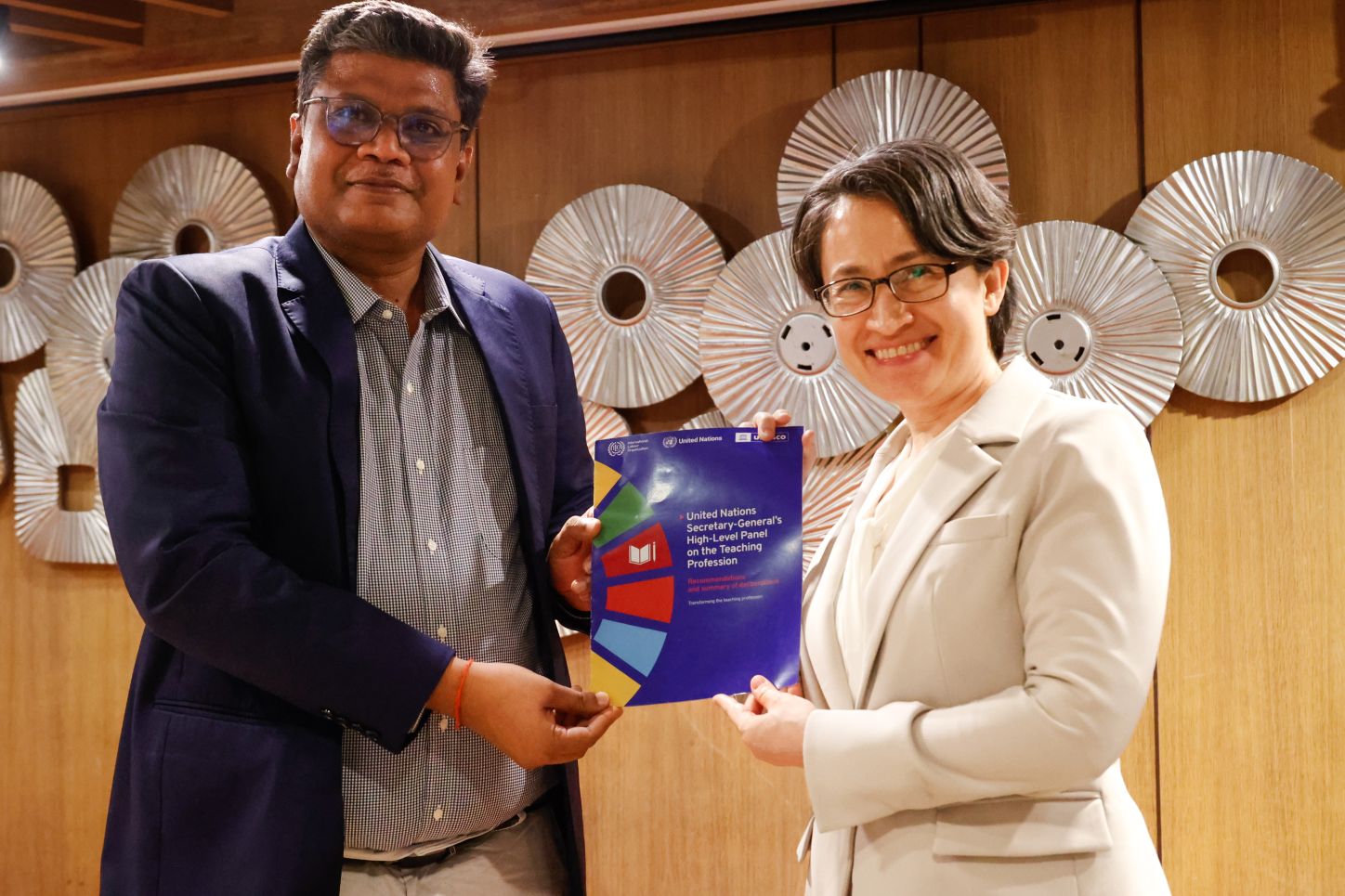
On the sidelines of the meeting, NAN delegates had the opportunity to meet with Taiwan’s Vice-President Hsiao Bi-khim. Regional Director Anand Singh presented the Vice-President with the UN High-Level Panel Recommendations on the Teaching Profession. Vice-President Hsiao warmly welcomed the delegations from Japan, Mongolia, and South Korea, expressing appreciation for international educational exchanges involving Taiwan and reaffirming Taiwan’s readiness to engage with global partners beyond its borders. She noted that quality education is the foundation of a sustainable society.
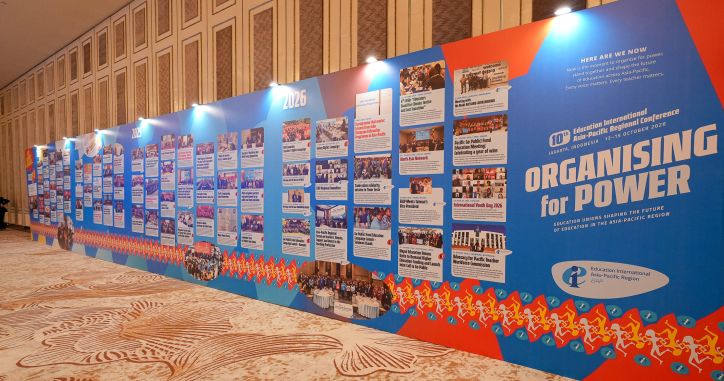
The inaugural in-person NAN meeting set a strong foundation for deeper regional collaboration. As Mr. Singh put it in his closing call to delegates, “the strength of this network will not be defined by documents or discussions alone. It will be defined by what we build together.” Participants left Taipei energised, equipped with shared priorities and a collective vision for the road ahead with many discussions set to continue at the upcoming EIAP Regional Conference in Jakarta.