Education International brings educators’ voice to the International Labour Conference
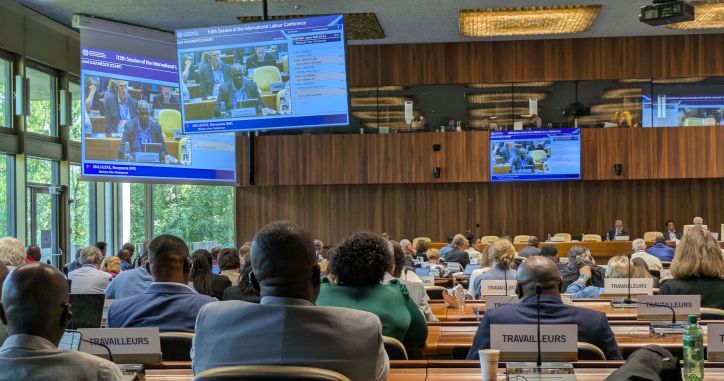
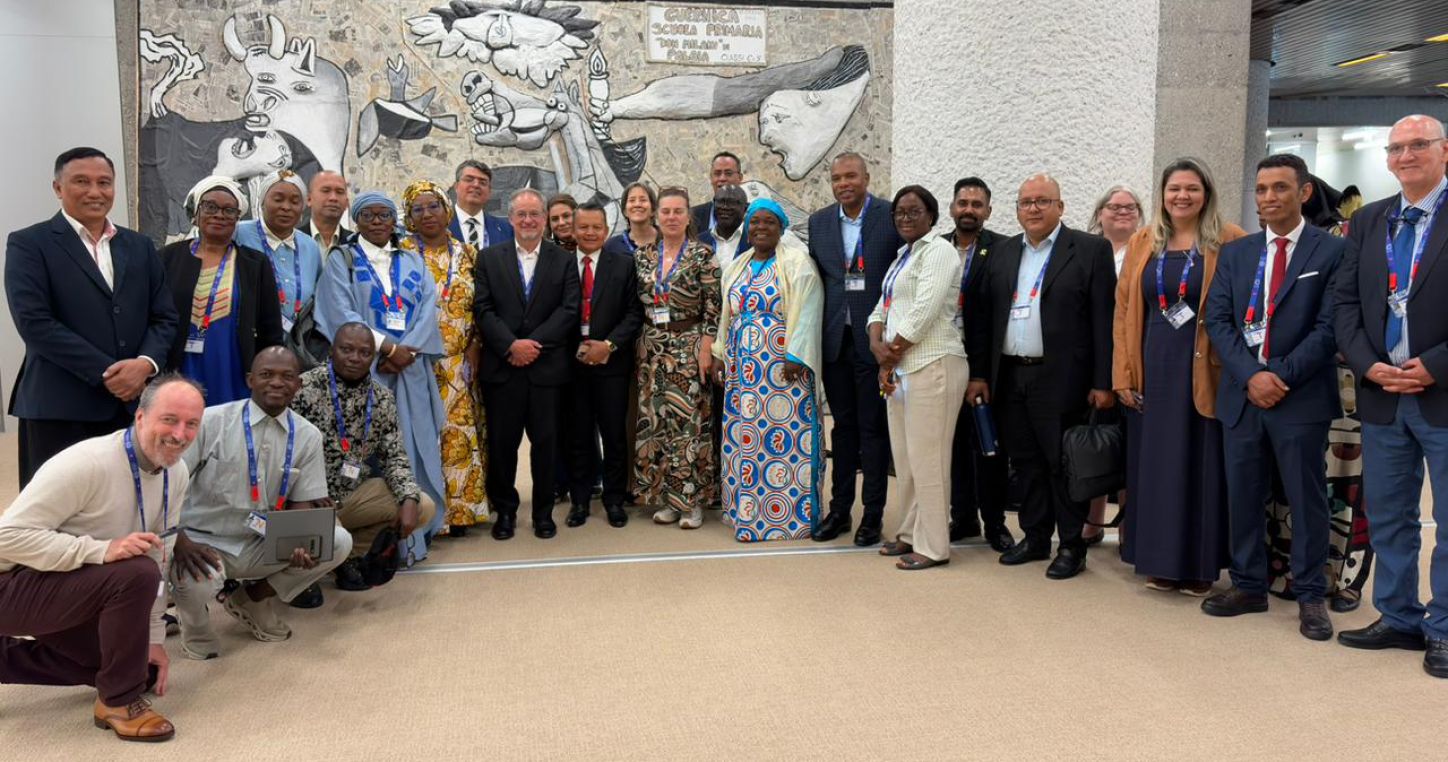
Education International (EI) will bring a diverse delegation of 17 representatives to the114th International Labour Conference (ILC), taking place from 1–12 June 2026 in Geneva. Reflecting EI’s global reach, the delegation includes members from all regions of the world and is led by EI General Secretary David Edwards, who is scheduled to meet with ILO Director-General Gilbert F. Houngbo.
The ILC is the annual convening of the International Labour Organization, held in Geneva under the auspices of the United Nations. It brings together representatives of governments, as well as workers’ and employers’ organisations from around the world. As the ILO’s highest decision-making body, the Conference is where global labour priorities are debated, international labour standards are adopted, and their implementation is reviewed and supervised.
In addition to leading EI’s participation, Edwards also serves as Chair of the Council of Global Unions (CGU), a key platform for advocacy among Global Union Federations.
During the Conference, EI will closely monitor the work of the ILO Committee on the Application of Standards (CAS), a cornerstone of the ILO’s supervisory system. As every year, the Committee will review the implementation of labour standards and examine specific country cases of trade union rights violations. EI will engage actively in the discussions, particularly where issues of trade union rights, education workers’ conditions, and fundamental labour standards are at stake.
In the address to the plenary, EI will welcome the ILO Director-General’s report, Harnessing Artificial Intelligence for Decent Work, while firmly highlighting a critical omission: the insufficient recognition of the teaching profession. Quality education is impossible without qualified, supported, and properly valued teachers. Any vision of the future of work that sidelines educators fundamentally misreads the foundations of sustainable and inclusive societies. Education draws its strength, its purpose, and its transformative power from the human relationship between teachers and learners—an essential dimension that no technological development can replace or replicate.
EI will also take the floor in the general discussion on decent work for peace and resilience, with a particular focus about teachers conditions in Iran after another disrupted schoolyear. This intervention will highlight the critical role of educators in sustaining social cohesion and democratic values, as well as the serious challenges they face in contexts marked by war and repression.
Beyond this, the EI delegation will follow the deliberations of the Committee on Equality at Work, Social dialogue and tripartism, as well as the standard-setting discussions on decent work in the platform economy, both of which carry significant implications for education personnel and the broader world of work.