Young teachers from the Caribbean are strengthening their leadership skills and building regional solidarity
For four days in Saint Lucia, young teacher trade unionists from across the Caribbean shared ideas, debated challenges, built new connections, and reflected on the future of their unions.
For some, the experience was transformative.
"It was far more than an opportunity to travel. It became a transformative experience that allowed me, as a young leader within BNTU, to realistically envision the direction of my leadership and the future I hope to help build for our union," said Ayoni Esquiliano of the Belize National Teachers' Union (BNTU).
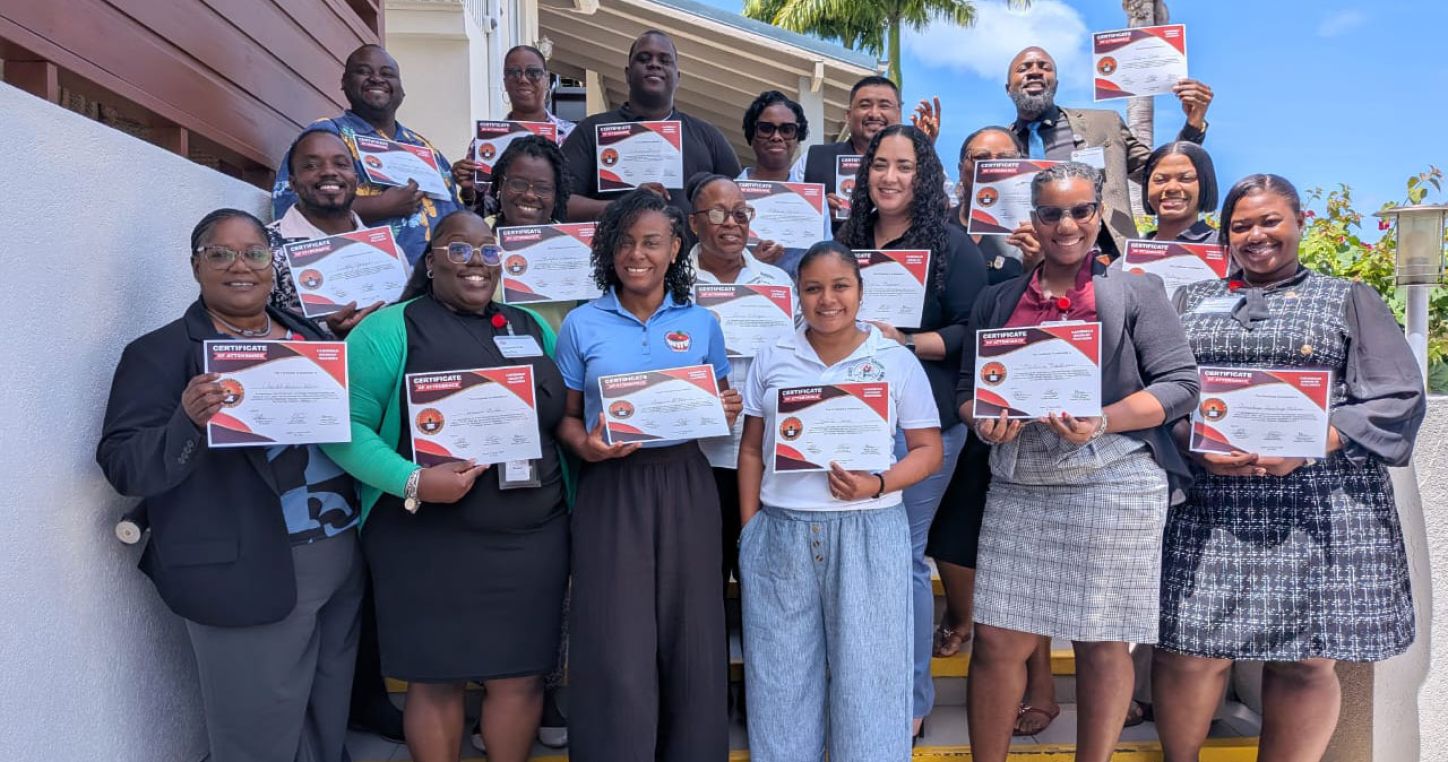
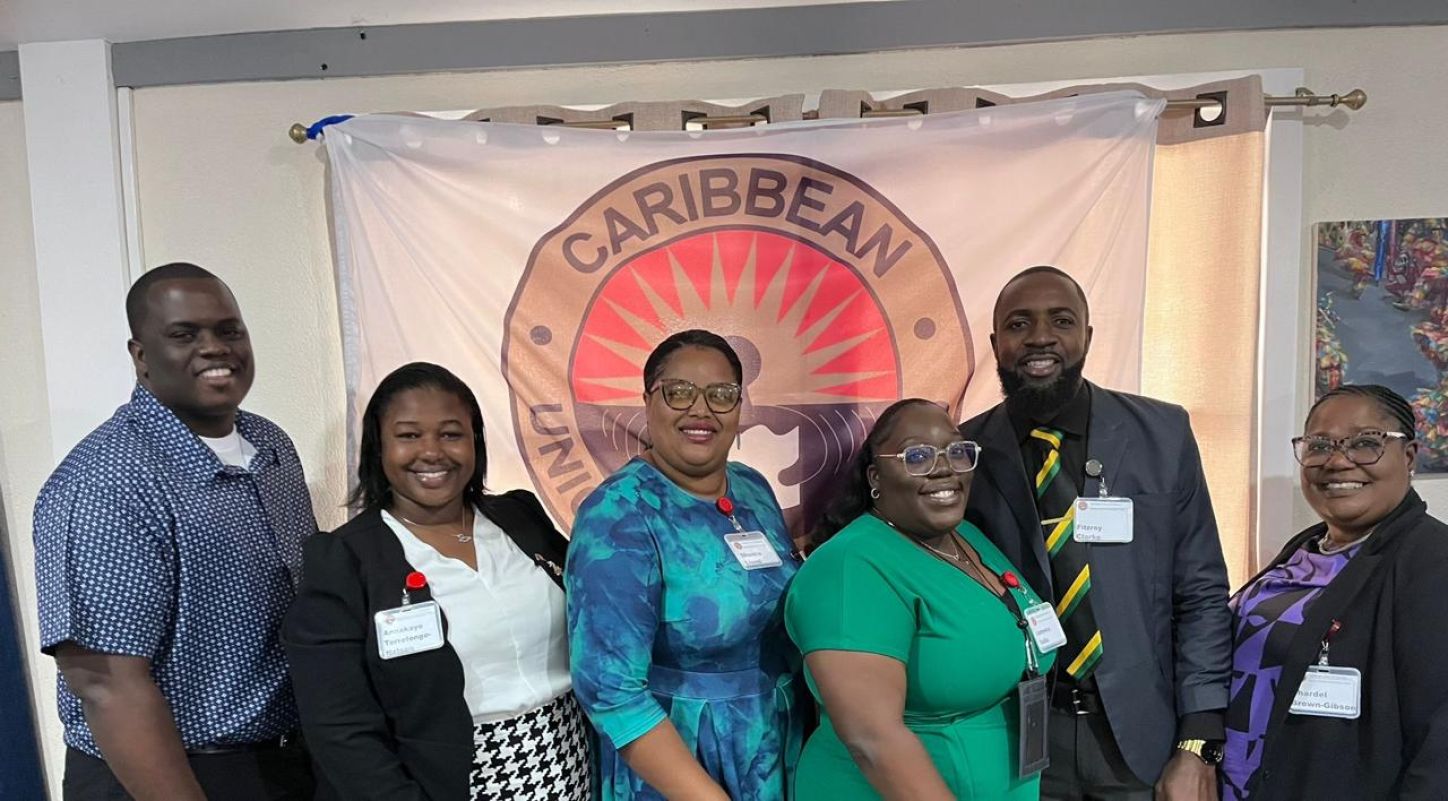
Esquiliano was among eighteen young union leaders who participated in the Caribbean Union of Teachers (CUT) Young Leaders Workshop in Castries, Saint Lucia, from March 2nd to 5th, 2026. The workshop focused on strengthening leadership skills and advancing gender equality in education unions across the region.
Similarly, Annakaye Terrelonge-Nelson, who represented the Jamaica Teachers' Association (JTA) at the event, acknowledged that this "was a truly transformative experience."
"I arrived expecting to strengthen my leadership skills, deepen my understanding of trade unionism, and build meaningful relationships with fellow young leaders from across the Caribbean. I left with a renewed sense of purpose and a broader perspective on our collective responsibility as union leaders. One of the most powerful realisations for me was that, although we came from different islands and education systems, many of the challenges we face in Jamaica such as declining union engagement, teacher well-being, advocacy, and leadership succession, were echoed by colleagues throughout the region. It reminded me that while our geography separates us, our purpose unites us."
Bringing together participants from Antigua and Barbuda, The Bahamas, Bermuda, Belize, Grenada, Jamaica, Saint Lucia, Anguilla and Saint Martin, the workshop aimed to equip young educators with the knowledge and skills needed to take on leadership responsibilities within their unions. Women represented more than half of the participants, reflecting the programme's commitment to promoting women's leadership in the trade union movement.
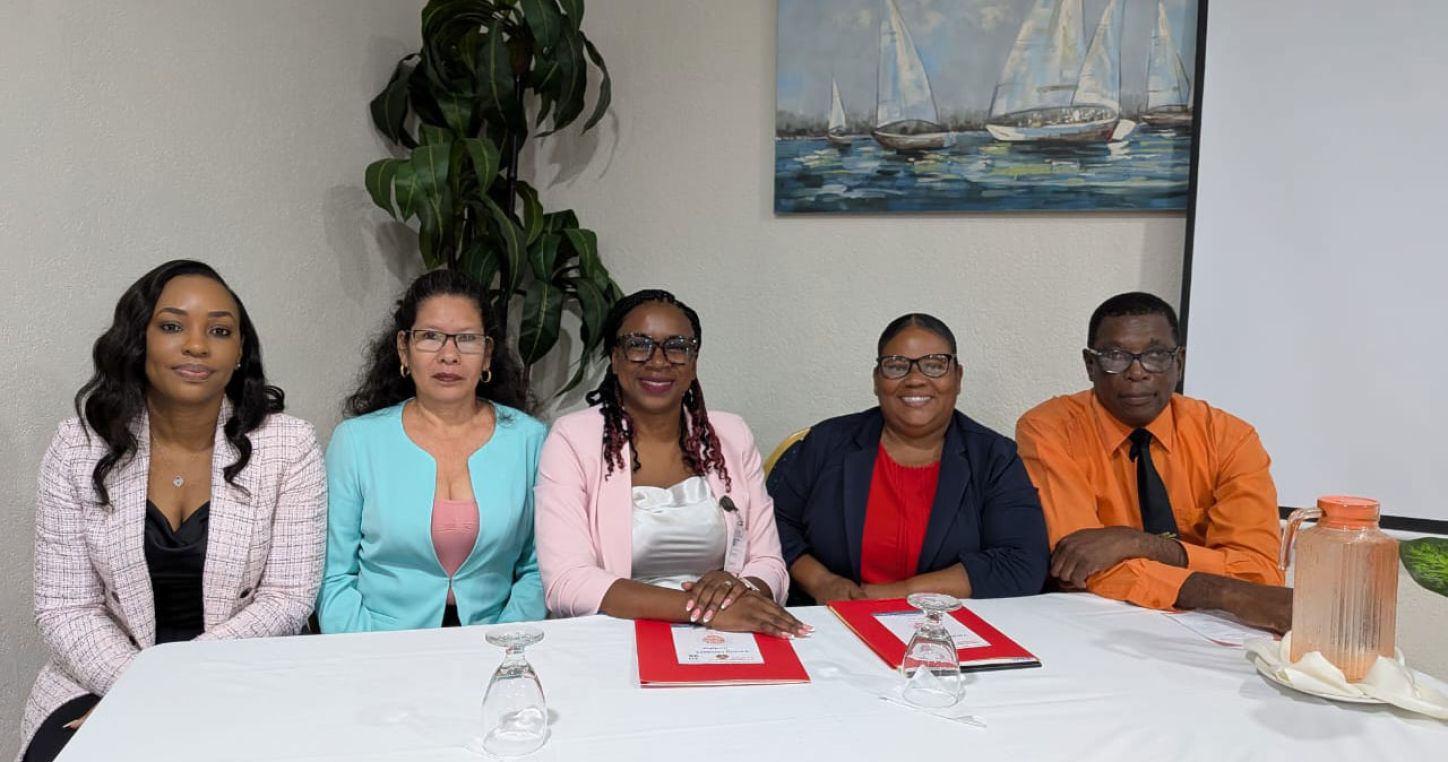
The training was organised by CUT with the support of Education International (EI) and the assistance of the Canadian Teachers' Federation (CTF/FCE).
Investing in the next generation of union leaders
Welcoming participants, CUT President Sharon Kelsick highlighted the importance of preparing a new generation of activists to defend educators' rights and strengthen democratic trade unions across the region.
Throughout the four-day programme, participants explored the foundations of trade unionism, the history of the Caribbean labour movement, organising and mobilisation strategies, and current challenges facing unions. They also discussed the role of workers' organisations in advancing the Sustainable Development Goals (SDGs), especially SDG 4 urging governments to ensure inclusive and equitable quality education and promote lifelong learning opportunities for all.
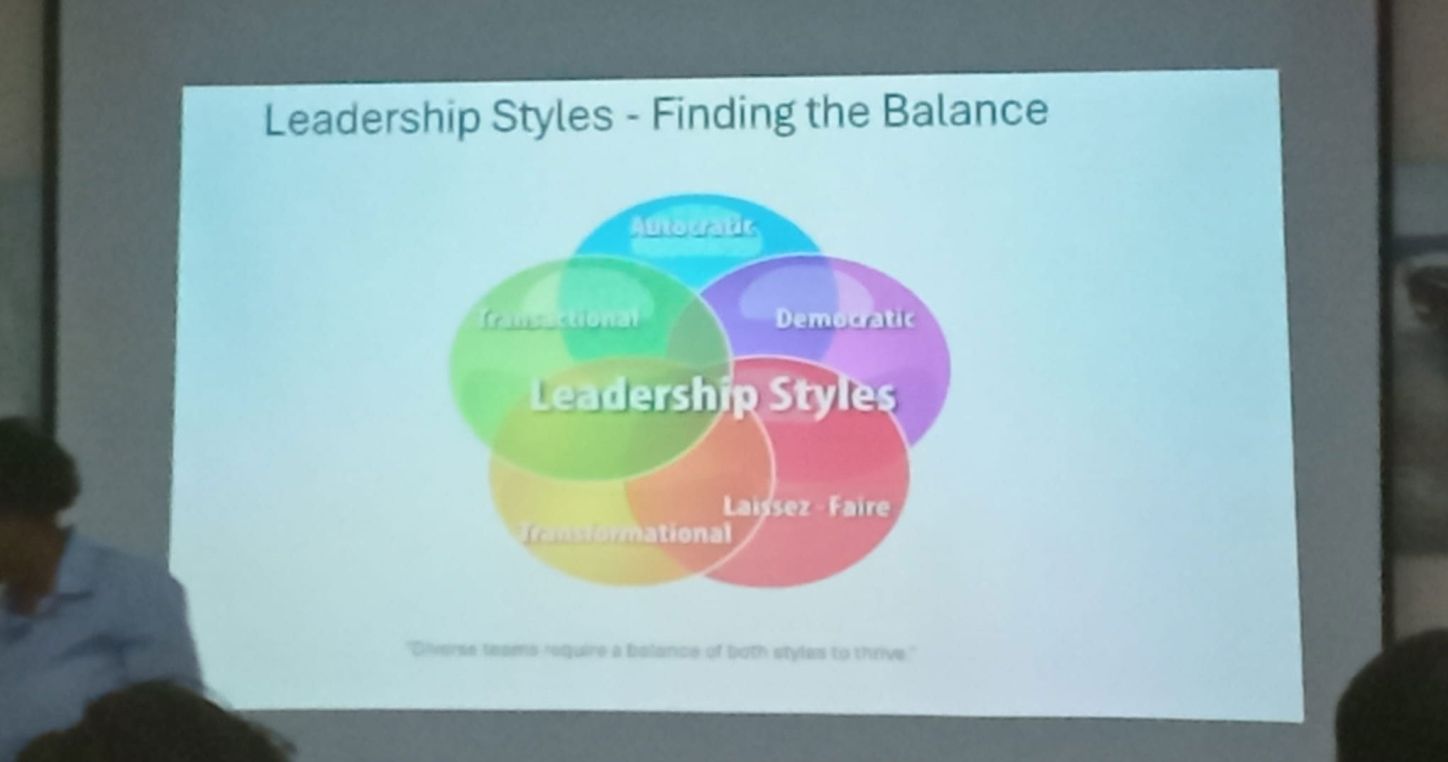
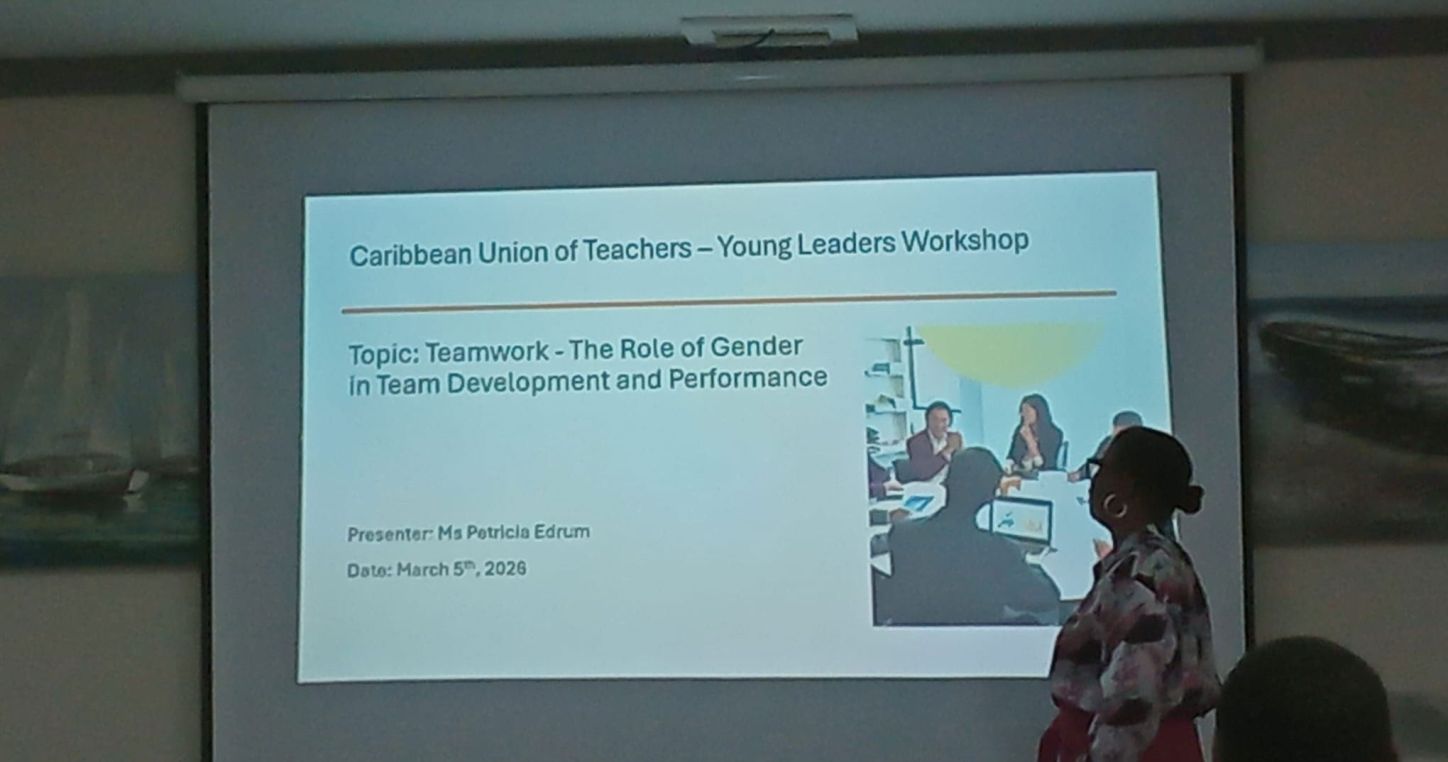
Reflecting on the lessons learned, Paul Taylor of the Bahamas Education Managers Union said that among his key takeaways were the impact of trade unions on national development; ways of recruiting new members and actively engaging current members; the importance of having a wide and balanced approach to issues through collective discussion; strategies to build connections and partnerships internationally; and the importance of proactively planning and helping members through crisis and, as a union leader, being aware of members' mental health state.
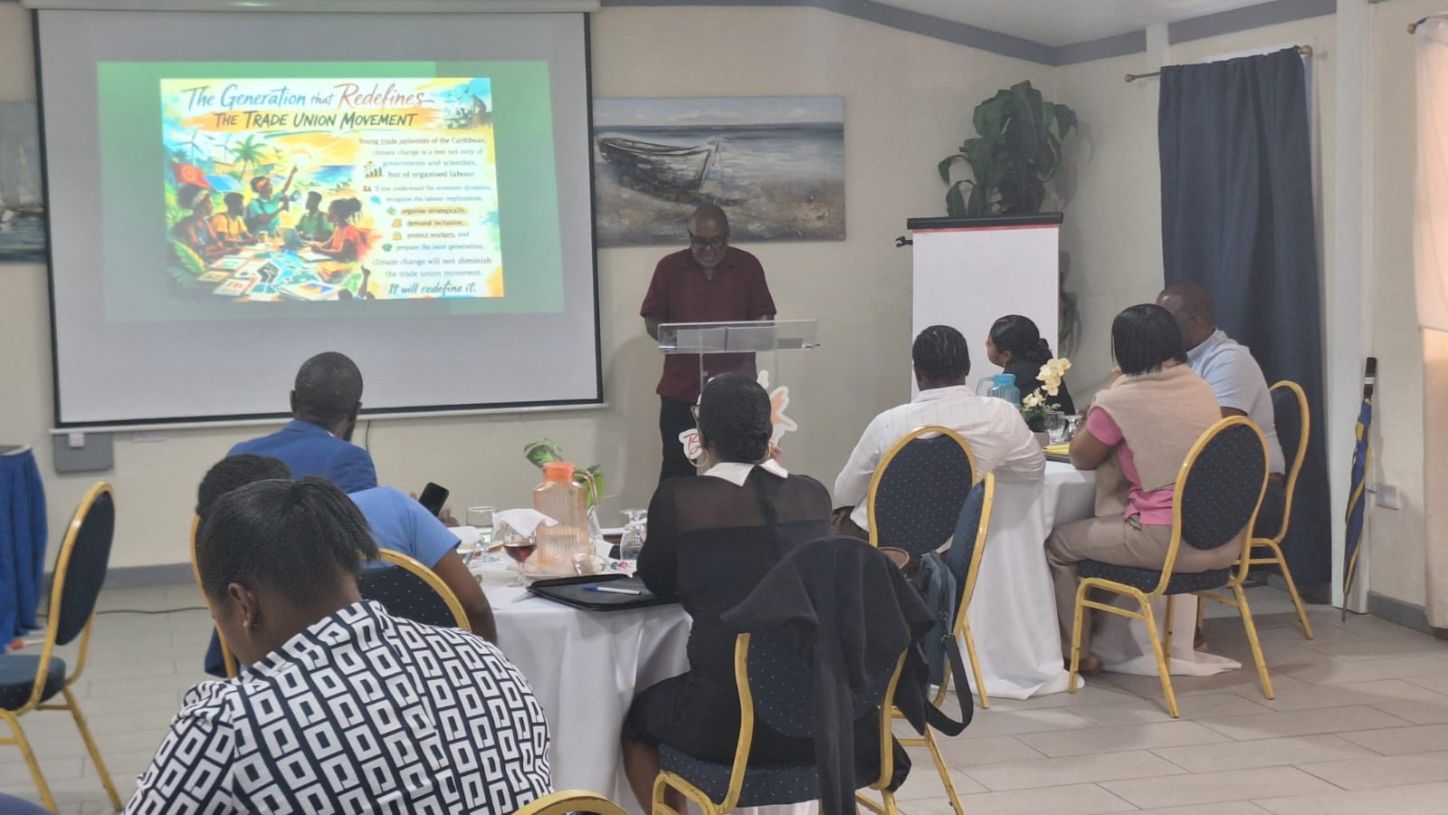
The workshop also included sessions examining the impact of climate change on workers and the future of trade union action. Presentations were delivered by experienced trade union leaders and advocates, including EI Executive Board member Nadine Molloy; CUT General Secretary Vern Charles; CUT 2nd Vice President Elena Smith; CUT Program Officer Julian Monrose; Saint Lucia's Minister for the Public Service, Home Affairs, Labour and Gender Affairs Virginia Albert-Poyotte; former SLTU President and former CUT General Secretary Don Howell; and former SLTU General Secretary Kentry Jn. Pierre.
CUT General Secretary Vern Charles insisted that "the workshop sought to deepen participants' understanding of the vital role of trade unions in protecting teachers' rights, advancing the teaching profession, promoting quality public education, as well as championing equality, diversity, inclusion."
She welcomed the fact that participants were equipped with the knowledge, skills, and confidence to become effective union leaders. Through presentations by experienced trade unionists, interactive discussions, and collaborative activities, participants gained practical strategies to engage more young teachers, strengthen their unions, and prepare the next generation of leaders, she said. The opportunity to network with peers from across the Caribbean also fostered lasting relationships and a regional support network for emerging leaders.
Putting gender equality at the centre of union work
Gender equality was a central theme throughout the workshop.
Participants examined the implementation of Sustainable Development Goal 5, discussed challenges facing women in the Caribbean, and considered how unions can promote equal opportunities and representation at all levels of their structures.
Esquiliano said the gender sessions provided an opportunity to reflect deeply on inclusive leadership.
"Rather than viewing leadership through a single lens, I developed my own understanding that the goal should be balanced, creating equitable opportunities for both women and men to contribute meaningfully in leadership positions."
He also noted that the sessions on the history of the Caribbean trade union movement, recruitment and mobilisation, and the critical issues facing trade unions challenged her to think beyond the present and consider how BNTU can remain relevant and responsive to teachers in an ever-changing world.
He added that the discussions made him think about the challenges confronting trade unions across the Caribbean.
"More importantly, they encouraged me to examine how successful regional approaches could be adapted to fit the Belizean context rather than simply replicated. I returned home with critical questions about the future of BNTU: What must we do to remain relevant? How do we continue to effectively represent educators in a rapidly changing profession? These questions will guide my leadership moving forward."
Sessions led by Sharon Kelsick and Elena Smith, members of the CUT Status of Women Committee, as well as Vern Charles, explored topics ranging from women's leadership and workplace equality to gender-responsive approaches to mental health and team development.
Participants also worked in groups to develop practical plans for incorporating gender perspectives into the activities and priorities of their respective unions.
Strong engagement and practical outcomes
Using interactive methods including role plays, group exercises and peer learning, the workshop encouraged participants to exchange experiences and develop practical organising skills. By the end of the programme, participants had produced action plans to be implemented within their own organisations.
Melissa St. Rose, President of the CUT Status of Women Committee, noted that this experience was particularly meaningful for her because she once sat where the participants now sit.
"This experience was particularly meaningful for me because I once sat where the participants now sit. As a former recipient of this very training, returning as a facilitator was a full-circle moment and a reminder of the lasting impact that Education International's investment in leadership development continues to have across our region. I had the privilege of contributing in my capacity as Chairman of the CUT Status of Women's Committee, helping to prepare the next generation of trade union leaders."
She further said that what impressed her most was the enthusiasm and openness of the participants.
"The sessions were highly interactive, with rich discussions, thoughtful questions, and honest reflections. Participants engaged respectfully with one another, shared their own lived experiences, and demonstrated a genuine desire to become leaders who are not only effective advocates for educators but also champions of equality and inclusion."
Feedback was overwhelmingly positive: nearly 95 per cent of participants indicated that they felt confident applying what they had learned to their trade union work, while almost 89 per cent described the overall experience as positive. Participants also expressed enthusiasm about sharing their new knowledge with colleagues in their unions.
Young leaders' voices for a united Caribbean education trade union movement
Participants left the workshop with new skills, and concrete plans for strengthening their organisations.
Terrelonge-Nelson highlighted that "we have already begun applying what was learnt. Upon our return, a comprehensive report containing key recommendations from the workshop was prepared and shared with members of the JTA Secretariat, the International Relations Committee, and the General Council, ensuring that the learning extended beyond those who attended. As I prepare to assume the role of President of my District Association, I intend to build on this foundation by implementing strategies that strengthen member engagement, promote inclusive leadership, and develop emerging leaders. I see this as an opportunity to help create a more engaged, informed, and future-focused union."
For Nolyka Watson, General Secretary of the Windward Islands Teachers' Union-St. Maarten (WITU), the workshop reinforced the idea that leadership is about commitment rather than age or title.
"When I was invited to attend the CUT Young Leaders workshop, I hesitated. Attendees had to be young. By age, I was well beyond the target group, but I was 'young' in my journey with unionism. Thankfully, someone looked beyond my years and recognised leadership potential. Their confidence in me reminded me that leadership is not defined by age or title, but by one's willingness to serve, grow, and inspire others."
One statement from the workshop has remained with her, she said:
"'The purpose of this workshop is to mentor future leaders, not followers.' Those words challenged me to ask myself: What can I do to ensure that WITU grows not only in numbers, but in strength."
One lesson she is eager to put into practice is the importance of sponsorship, not just mentorship.
"Someone once saw leadership qualities in me and opened a door that I may not have opened for myself. Now, it is my responsibility to pay that forward by identifying those members who consistently show up, ask questions, volunteer, and demonstrate initiative."
She was also adamant that "the future of our unions will not be secured by a handful of elected leaders. It will be shaped by members who choose to become involved, invest in others, and lead by example. The question is not whether our unions need more leaders. The question is whether each of us is willing to become one."
Building stronger unions for the future
The workshop concluded with participants identifying future training priorities, including collective bargaining, conflict resolution, digital safety, mental health programmes, proposal writing and union financing.
By strengthening leadership skills and deepening understanding of gender equality, the initiative contributed to the development of a new generation of union activists committed to building strong and sustainable unions in the region.
CUT General Secretary Vern Charles also acknowledged that "a significant outcome of the workshop for her was the development of practical action plans by each participating affiliate. These plans outline concrete initiatives to recruit and engage young teachers, develop future leaders, increase youth participation in union governance, and establish sustainable youth structures within their unions."
To sustain the momentum, CUT established a WhatsApp network to provide ongoing support, encourage collaboration, and monitor progress as affiliates implement their action plans. Regular follow-up will enable CUT to measure impact, share best practices, address challenges, and continue building a strong network of young trade union leaders across the Caribbean.