Education support personnel in public education in Mexico

Sign up
Sign up for the Worlds of Education newsletter.
Sign up
Sign up for the Worlds of Education newsletter.
Thank you for subscribing
Something went wrong
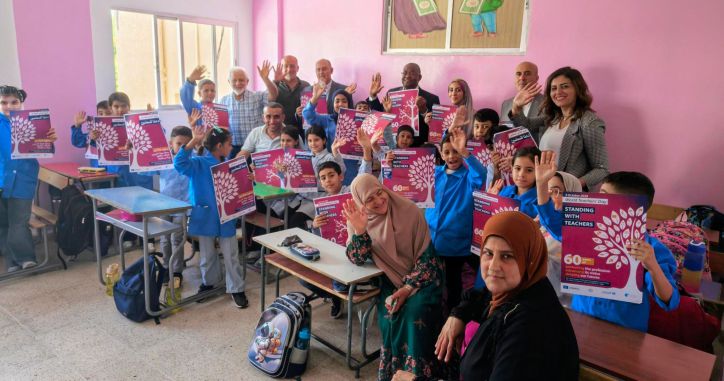
Mexico is one of the twenty-seven countries that form part of Education International in North America and the Caribbean. Mexico’s national union of education workers, the SNTE, is one of the world’s largest, with a total membership of 1.6 million active workers and 1 million retired workers. Of the former, 285,000 are education support personnel (ESP), 250,000 of whom work in primary and lower secondary education, and 35,000 in upper secondary and higher education.
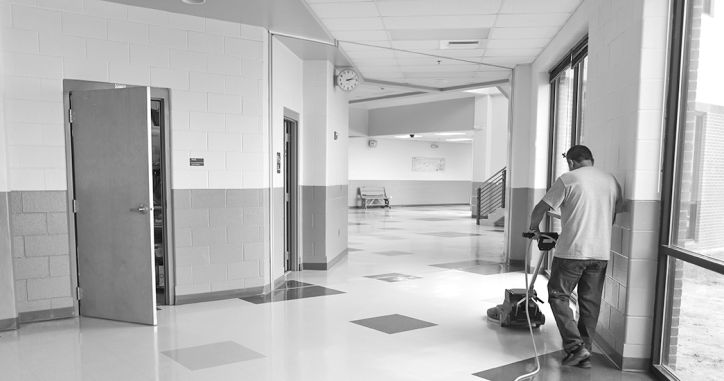
Education support personnel in Mexico includes the administrative, general services, maintenance, technical, and specialist staff supporting teaching activities in state schools, such as secretaries, librarians, social workers, psychologists, security, and maintenance staff.
As in many countries, the ESP sector in Mexico was long neglected. However, over the past seven years, this situation has been reversed in our country. It is now a matter of basic justice: in today’s education institutions, education support personnel are essential to the creation of healthy learning environments. Their role has expanded to cover the diversity of students, preventing violence and bullying, and promoting safety.
Championed by our General Secretary, Alfonso Cepeda Salas, the defence of labour rights, better pay, entitlements, and gender equality for education support personnel have been priorities for our trade union. Our efforts have resulted in sizeable pay rises. From 2018 to date, pay for ESP increased by 95.72% in primary and lower secondary education and by 75.72% in upper secondary and higher education.
Our union places special emphasis on defending labour rights from a gender perspective, and rightly so, given that 65% of education support personnel are women. Gender justice has a permanent place on our union’s agenda.
To address the demands of women in education support personnel roles, a permanent structure has been established for dialogue and negotiation between the SNTE, the Secretariat of Public Education (SEP) and the Institute for Social Security and Services for State Workers (ISSSTE). This is where gender-related issues are discussed.
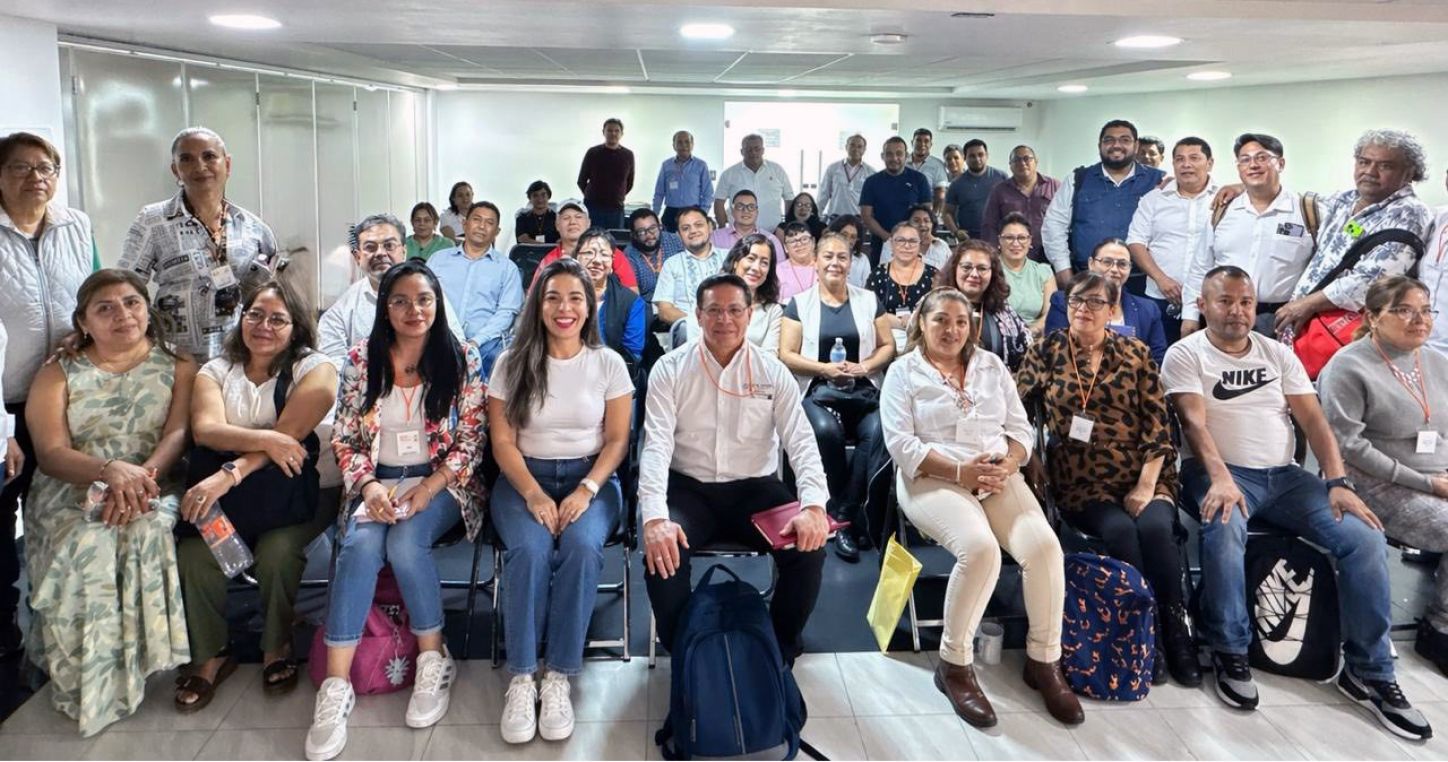
In 2025, the SNTE consulted over a million union members to draw up the annual list of collective bargaining proposals to inform negotiations on ESP workers’ demands with the authorities. Key issues included:
- Better pay;
- Better working conditions;
- The right to a professional development scheme, enabling staff to receive training relevant to their role and financial incentives;
- Maternity or breastfeeding leave;
- Scholarships for the children of education support personnel;
- Permissions for the transfer of their school-age children to their education centres;
- Gender-sensitive campaigns and the promotion of women’s rights.
Women’s participation and respect for women are a permanent feature within the SNTE. We have set a target of 50-50 for the membership of the 56 Branch Executive Committees that comprise the trade union. In other words, 50% of members must be women. This target has already been met on the National Executive Committee and in several union branches, and we are working to reach it throughout the country.
This is how we at the SNTE mobilise and organise for gender justice.
The opinions expressed in this blog are those of the author and do not necessarily reflect any official policies or positions of Education International.