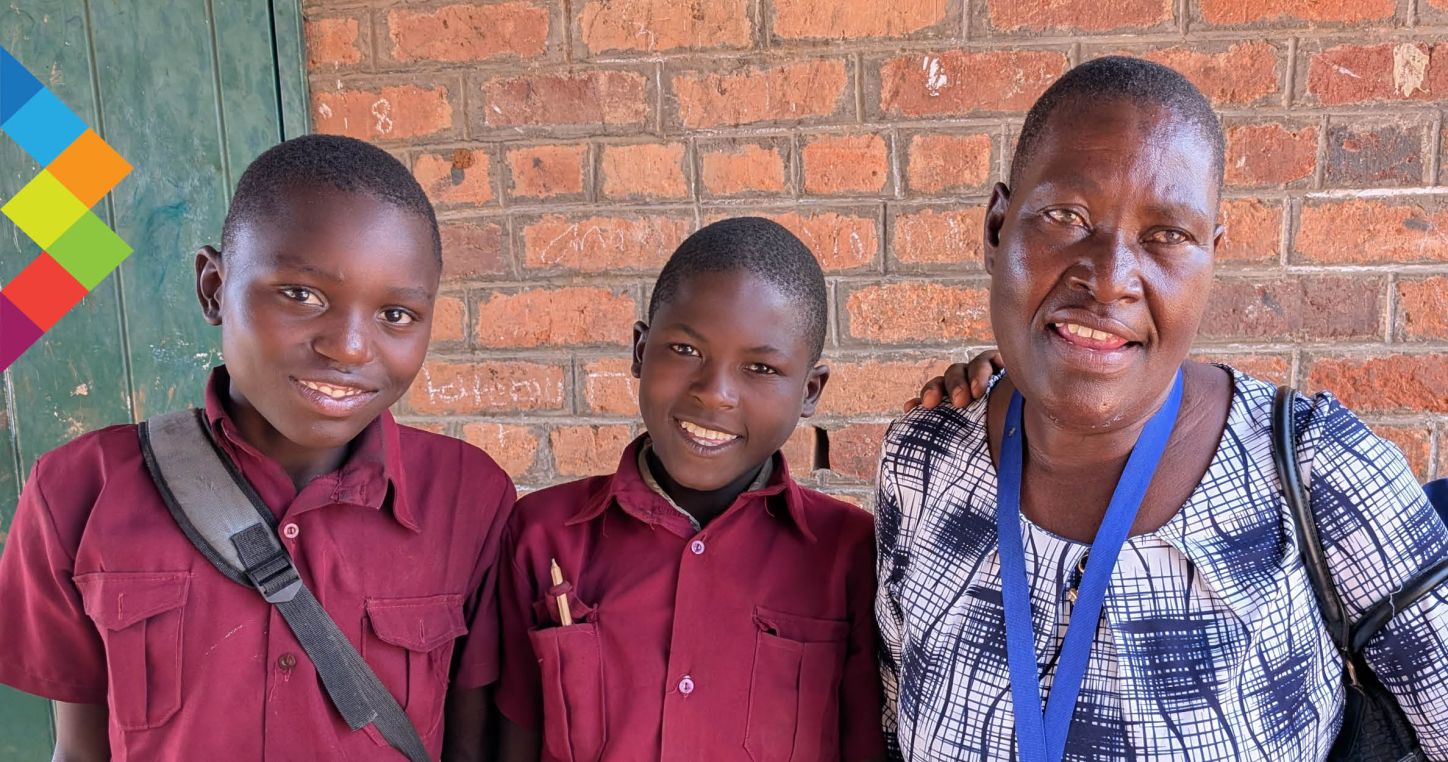
Education voices | Changing hearts and minds to end child labour and keep girls in school
Sign up
Sign up for the Worlds of Education newsletter.
Sign up
Sign up for the Worlds of Education newsletter.
Thank you for subscribing
Something went wrong
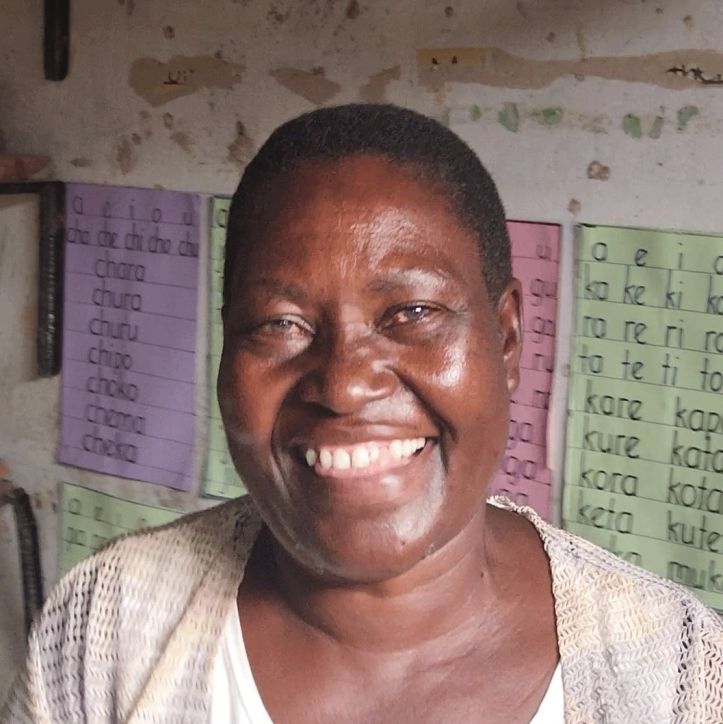
To mark World Day against Child Labour, we are featuring the story of Ms Ndakaziva Masinire, Deputy Head of Goromokwa Primary School in Zimbabwe. She works to end child labour in her community and ensure girls are not deprived of their fundamental right to education, as part of a project led by education unions ZIMTA and PTUZ, with support from Education International, the AOb (the Netherlands), GEW Fair Childhood Foundation (Germany), and Mondiaal FNV (the Netherlands).
Worlds of Education: Ms Masinire, please tell us about yourself, your school, and your community.
I am Ndakaziva Masinire and I am a primary school teacher at the Goromokwa Primary School in Muzarabani, Zimbabwe. I am also Deputy Head of my school. In total, 336 students attend our primary school, and we have 10 teachers working here. Goromokwa is a resettlement area, so the population is quite mobile. At the moment, there are about 4,200 people living here.
Conditions in the area are harsh, and some children have to walk 6 kilometres to get to school every day. Many have no electricity at home and people are struggling. This is why children here are particularly vulnerable to child labour.
In addition, girls are vulnerable to child marriages and pregnancies. This is why some girls drop out of school and spend their lives doing unpaid labour in the home.
Worlds of Education: How did you get involved in the ZIMTA and PTUZ project to create a child labour free zone in your area and why are you so passionate about this issue?
I found out about the project from my union, ZIMTA. I was invited to a training organised by ZIMTA and PTUZ. I participated alongside other teachers, School Development Committee members, school heads, and others.
The training was a real eye opener for both educators and community members. Before the training, if a 14 year old child wanted to enrol in our primary school, I would hesitate and think that he or she is too old to register. After the training, I realised that every child has the right to be in school and that we must do everything in our power to end child labour.
I understood that this was something we teachers could change if we mobilised and worked with our community. It was up to us to change hearts and minds and give our children a chance for a better future.
Worlds of Education: This is a very ambitious mission. Where did you start?
After the union training, I organised a general meeting with members of the School Development Committee and the Child Protection Committee to discuss the situation of children out of school. During this exchange, I explained that the project aims to identify all children who are not currently attending school and to ensure their enrolment.
The committee members shared that many children were not in school due to a lack of money or food, or because they were considered too old to return. In response, I emphasised that no child should be denied access to education for reasons of poverty, food insecurity, or age.
This led to a strong commitment from the community members, who agreed to actively identify these children and work together for their return to school.
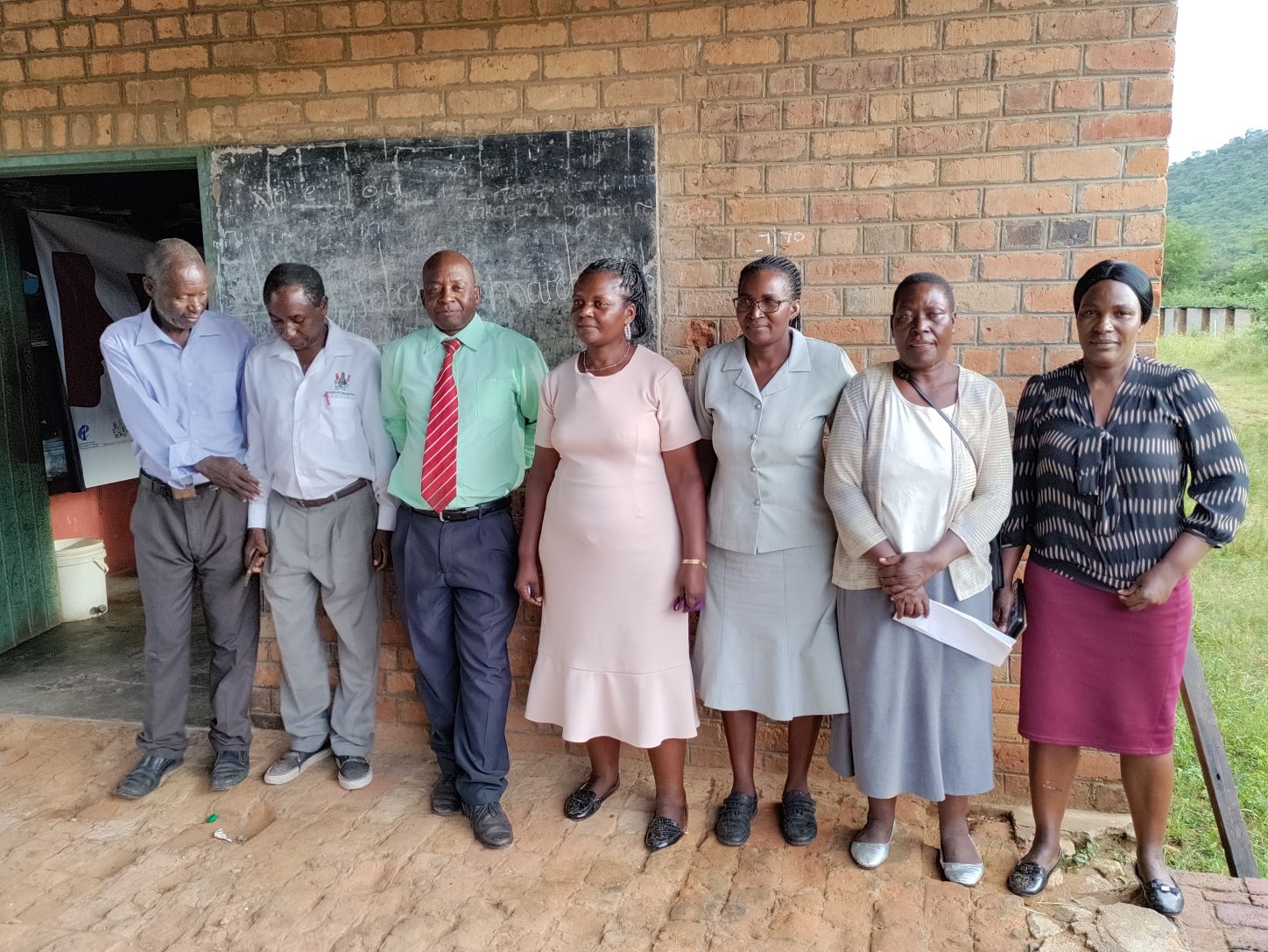
Worlds of Education: How did you change the mindset of the local community in favour of education?
Through the awareness raising campaign, many in the community got involved, the police, social welfare officers, and all relevant authorities. Thanks to this mobilisation, parents are becoming increasingly aware of children’s rights.
During village events and community gatherings, I take the opportunity to speak about children’s well-being and the importance of ending child labour. Each opportunity can be used to talk to parents, even when meeting them while going to fetch water at the river or at the well.
I take the parents step by step, help them understand the risks associated with child labour, the difference between child labour and child work.
We reassure them that their children will be welcome and well treated in our school, even if they cannot afford a school uniform. Parents can see that the school offers an environment conducive to learning and growing, we built more classrooms and toilets, and offer games and sports activities that help keep children in school.
We also received support from the ZIMTA and PTUZ to launch an income generating project. We chose to develop a broiler project, raising chickens and selling them. With the profits, we purchase stationery and pay school fees for children whose parents cannot afford them.
Worlds of Education: What has been the impact of this mobilisation?
We’ve seen really good results in terms of the enrolment of former child workers.
In 2022 and 2023, we enrolled 26 former child workers. Some of them are now in grade 7. Several children, at 12 years old, could not read or write when they arrived, but we worked together as a team to help them progress. When necessary, we place them in the lowest class and start from there.
In 2024 and 2025, we enrolled 32 more former child workers, although some of them have since transferred to schools in Centenary township. Out of the 32, eighteen remain with us.
I believe there are no more school aged children in this area who are still working.
We’ve also been able to significantly reduce absenteeism.
Absenteeism has fallen to well below 5%, whereas it used to be much higher, up to 30% in 2021.
After the training provided to the School Development Committee and to the teachers, we all became more motivated. Everyone benefited as more children began attending school. The pass rate has increased, and teachers’ motivation has improved significantly.
Worlds of Education: What has been the reaction of local authorities?
They have become a big support for the project and the school community. We’ve seen local authorities advocate in favour of education in the community.
Our local counsellor has also taken on a new role. He works with the parents to support the school. For example, he collected bricks from parents to build another classroom and new toilet blocks. He purchased the cement out of his own resources and he also helps teachers.
We now hope to build a well with his support because we have no drinking water. We’re forced to drink water from the river even though it’s not safe.
Worlds of Education: How has the relationship with parents changed through this project?
The relationship between teachers and parents has improved significantly. Parents see how much we care about their children and they now come to me when there’s a problem. We work together.
For example, the ZIMTA and PTUZ project taught us how to make solar lamps using recycled materials that can be found in the village. The solar lamps are making a big difference. Previously, pupils were unable to do any homework because there was no light at home. We distributed 100 lamps to the children, and they come to the school every day to charge them. We are producing more lamps so that all students can have light and be able to do their homework.
Parents see all our efforts to support our students at school and at home and they appreciate it.
Worlds of Education: Throughout the project, is there a story that marked you and that you’d like to share?
Yes, there is one story that stands out. Grace lost her father in 2015, when she was 5. She was raised by her mother in Muzarabani and her mother later remarried. At the age of 12 she was abused a number of times by her stepfather, and he even threatened her with a gun so that she wouldn’t tell anyone about the abuse. When she became pregnant, her stepfather had her taken to Mozambique to conceal the pregnancy and avoid prosecution. She was left there with a man who continued the abuse.
While in Mozambique, she was taken in by another family and it was in their home that she gave birth. One day she overheard the man her stepfather had sent her with saying that her stepfather wanted her killed. She was very afraid but she opened up to the family she was staying with and they helped her run away and report her case to the police in Mozambique. They contacted the police in Zimbabwe and her stepfather was arrested and sentenced to 40 years in prison.
Grace was reunited with her mother who had been desperately searching for her. She now lives with her mother and her little girl.
After a year, Grace wanted to return to school, to our school. We welcomed her warmly and did our best to help her complete her primary education. She brought her child to school and we helped with things we knew she needed for herself and her little girl.
Grace’s case encouraged others to come forward and report situations of abuse. Two other girls found the courage to speak up, and two additional men were convicted for acts of sexual abuse against minors in the community.
Grace has now graduated from primary school and she is continuing her studies because she wants to become a human rights activist. Her future looks bright and I am very proud of her.
I am grateful to the ZIMTA and PTUZ project because it opened my eyes to how important education was for the future of our children. Without the project, I would not have known how to support Grace and many other children in my community.
The opinions expressed in this blog are those of the author and do not necessarily reflect any official policies or positions of Education International.