Keeping education alive in exile: Palestinian teachers supported by global union solidarity
Solidarity and emergency support by Education International (EI) and its member organisations have made a concrete difference for Palestinian teachers displaced by war, enabling them to continue supporting students and upholding the right to education under extraordinarily difficult circumstances.
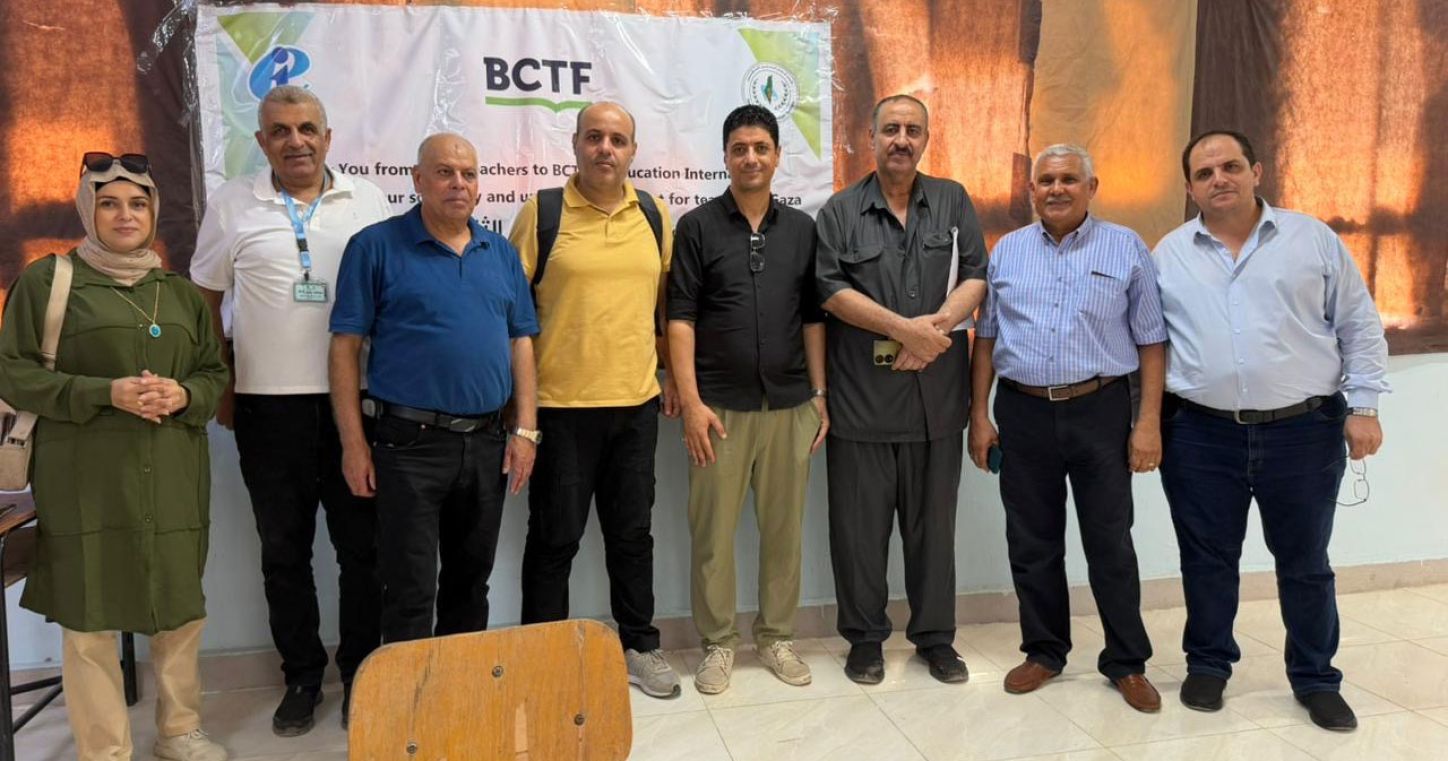
General Union of Palestinian Teachers (GUPT) General Secretary Saed Erziqat has highlighted how targeted financial assistance helped teachers from Gaza currently in Egypt carry out their professional duties during the 2026 Palestinian General Secondary Education Examinations (Tawjihi). It helped Palestinian educators continue their vital work despite war and displacement.
Displacement and resilience
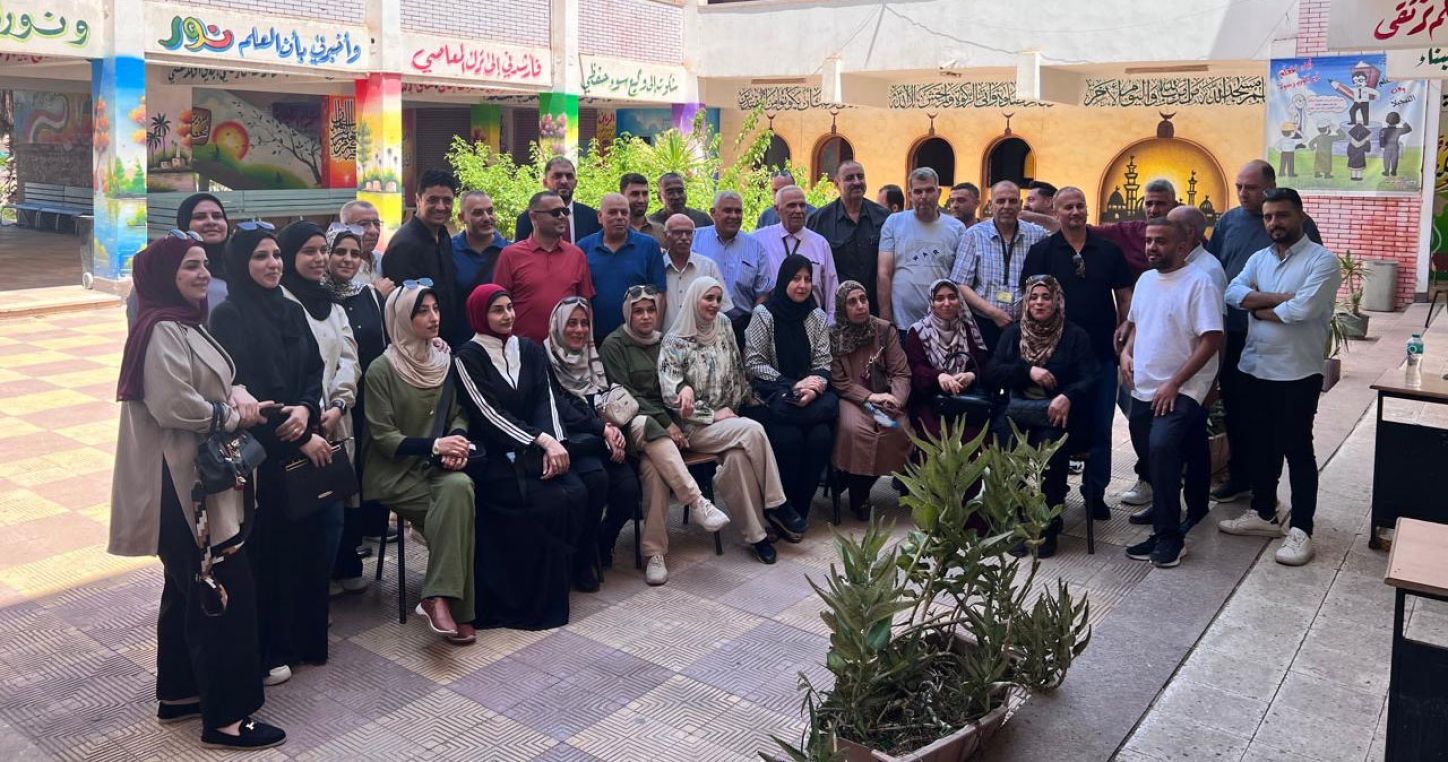
The situation facing Palestinian teachers in Egypt remains severe. Following the ongoing war and destruction on Gaza, hundreds of educators have been forced to flee destruction, loss, and displacement.
As of 2026, 225 teachers from Gaza are living in Egypt under extremely challenging conditions, many without stable income. Their salaries have been suspended or only partially paid due to the financial crisis affecting Palestinian authorities, leading to mounting debt and economic insecurity.
Even basic logistics has become a struggle: Teachers have gone unpaid for exam-related duties for two years and, in some cases, were unable to afford transportation to exam centers.
Despite these hardships, teachers have continued to serve students, including by participating in national examinations and providing education remotely using the Palestinian curriculum.
Solidarity in action: enabling education against all odds
In a statement on 8 July 2026, Saed Erziqat expressed gratitude to EI and its members for their support:
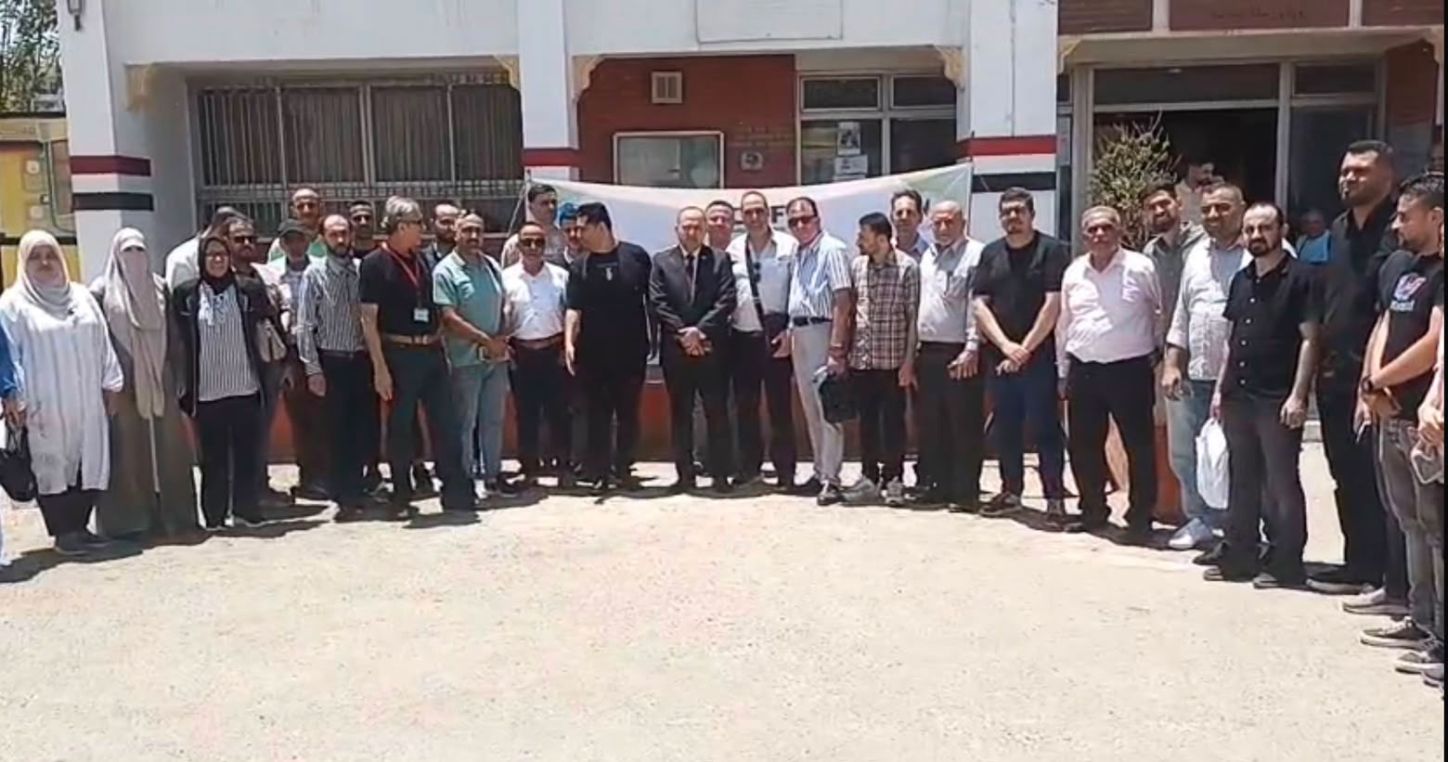
“The financial assistance provided through Education International has been distributed to Palestinian teachers from Gaza who are currently in Egypt. This support helped them secure transportation to reach examination centers and carry out their duties as supervisors and invigilators during the 2026 Palestinian General Secondary Education Examinations (Tawjihi).”
For educators living in exile, even the cost of getting to exam centers had become an overwhelming barrier. EI’s intervention ensured that teachers could continue their work at a critical moment in students’ academic lives.
“Your support came at a crucial moment and had a profound impact on our teachers. It provided practical assistance that enabled them to fulfill their professional and national responsibilities despite the extremely difficult circumstances they are experiencing.”
Beyond the immediate material aid, the union leader stressed the importance of international solidarity: “Your solidarity conveyed a powerful message of support and reaffirmed that Palestinian educators are part of a global education family that stands with them in times of hardship.”
The Egyptian Teachers' Syndicate (ETS) is advocating in support of their Palestinian colleagues. It provides them with healthcare coverage and ensures that they have access to union-run hospitals. ETS has also pressured their Ministry of Education to provide sufficient space and include Palestinian students in public Egyptian schools.
Emergency appeal and collective response at global level
In June 2026, GUPT launched an urgent appeal to EI, calling for emergency financial assistance to support displaced educators in Egypt.
The appeal requested targeted support to cover transportation costs and ensure access to examination centers.
Saed Erziqat wrote to EI: “Your support at this critical moment would represent not only financial relief, but also a powerful message of international solidarity with teachers who have endured war, displacement, and loss, yet remain committed to education as an act of resilience and resistance.”
Thanks to contributions from EI affiliates, this call was answered, demonstrating the strength of global union solidarity in action.
Education as resistance and hope
For Palestinian educators in exile, continuing to teach is more than a job—it is an act of resistance and a commitment to the future of their students and communities. “This meaningful gesture strengthened their morale and gave them hope and encouragement during a challenging period,” Saed Erziqat underlined.