The Gambia: Union solidarity strengthens educators’ capacity to lead fight against gender-based violence
Teachers in The Gambia are at the frontlines of the fight against gender-based violence (GBV), supported by international union development cooperation and a growing commitment to transform schools into safe, inclusive spaces.
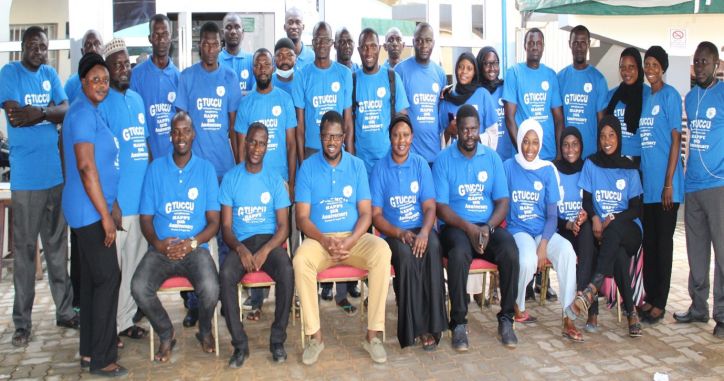
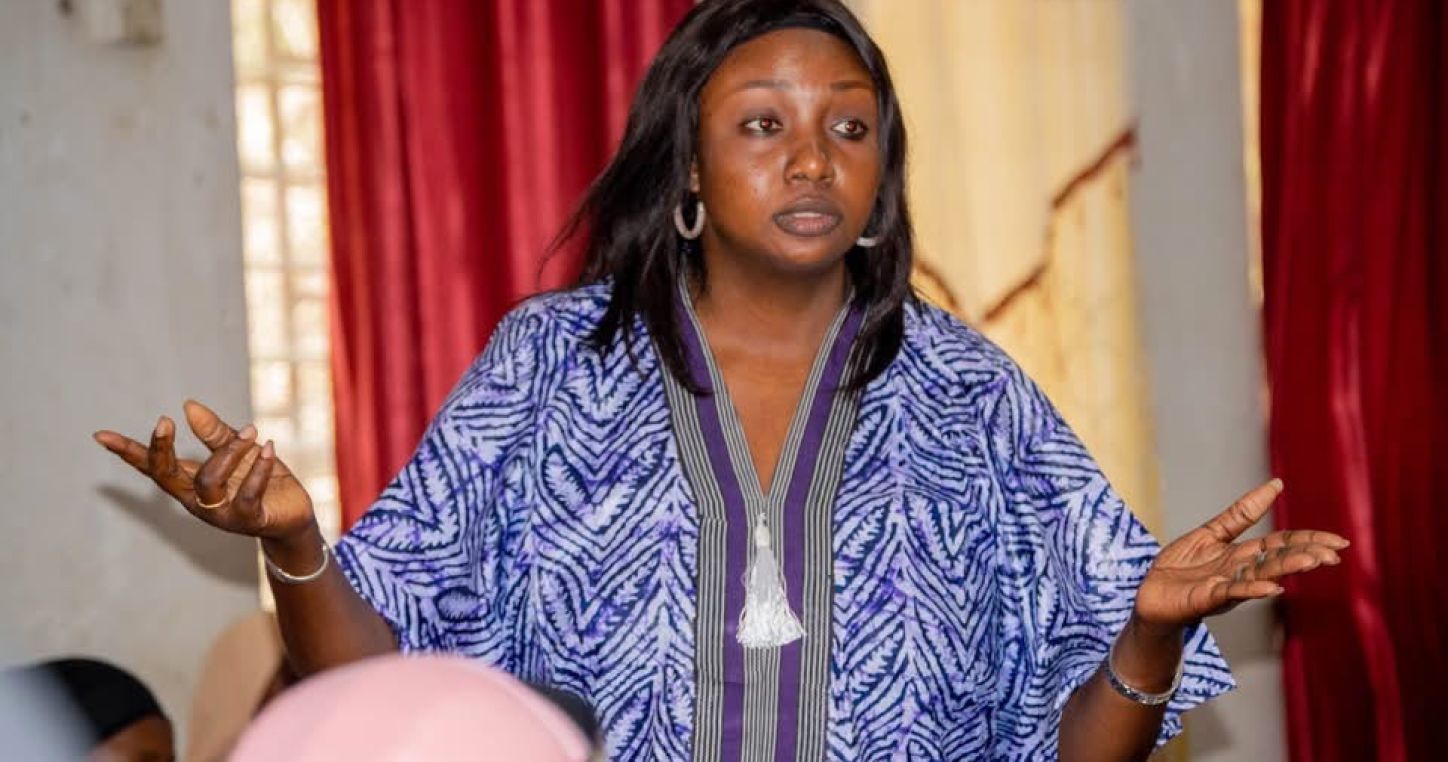
A recent training organised by the Gambia Teachers’ Union (GTU) in Brikama, in the West of the Gambia, brought together 100 teachers for a full day of capacity building, equipping educators with the tools to identify, prevent, and respond to violence affecting students and communities.
Organised with the support of the Irish National Teachers’ Organisation (INTO), the training reflects a broader partnership with the GTU, rooted in nearly two decades of collaboration and shared struggle.
Teachers as frontline defenders of students’ safety
Across The Gambia, rising cases of gender-based violence have made it clear that schools cannot stand aside.
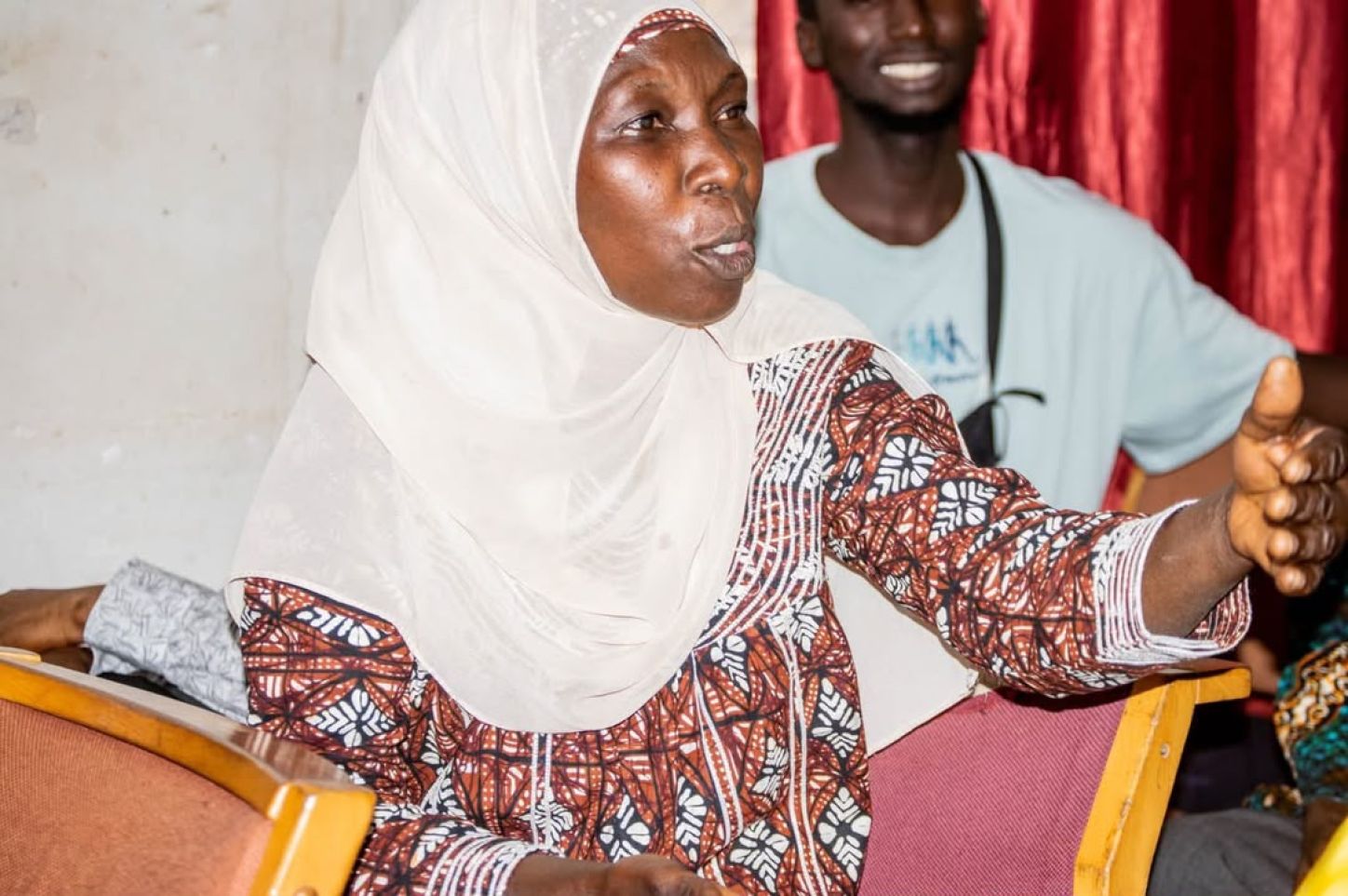
Teachers—often the first to notice signs of abuse—are uniquely positioned to intervene. The Brikama training focused on strengthening educators’ knowledge of different forms of GBV, from physical and emotional violence to psychological abuse, while building practical skills to report cases and support survivors.
Participants engaged in discussions on stigma, underreporting, and the systemic barriers that prevent justice, while also developing strategies to promote safe and inclusive learning environments.
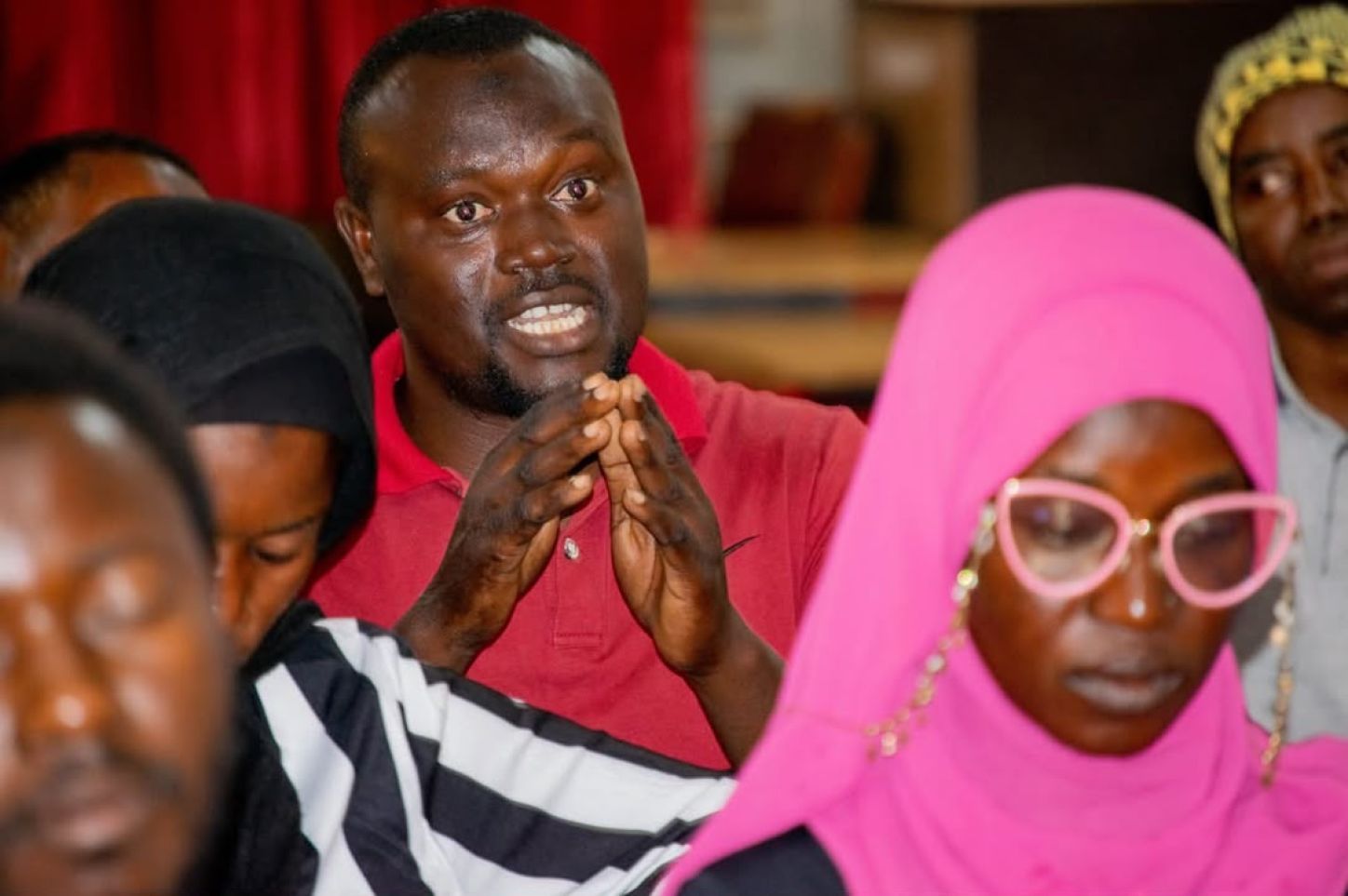
The training resulted in increased awareness, as well as a growing network of educators committed to acting as advocates for change in their schools and communities.
A long-term union commitment to gender justice
For the Gambia Teachers’ Union, this work is far from new. It is part of a long-standing struggle embedded in its organising and advocacy.
“Our relationship with INTO is way back, maybe 18 years ago,” explained GTU General Secretary Marie-Antoinette Corr. “We established a partnership and later on we had discussions about what is happening in The Gambia, vis-à-vis school-related gender-based violence.”
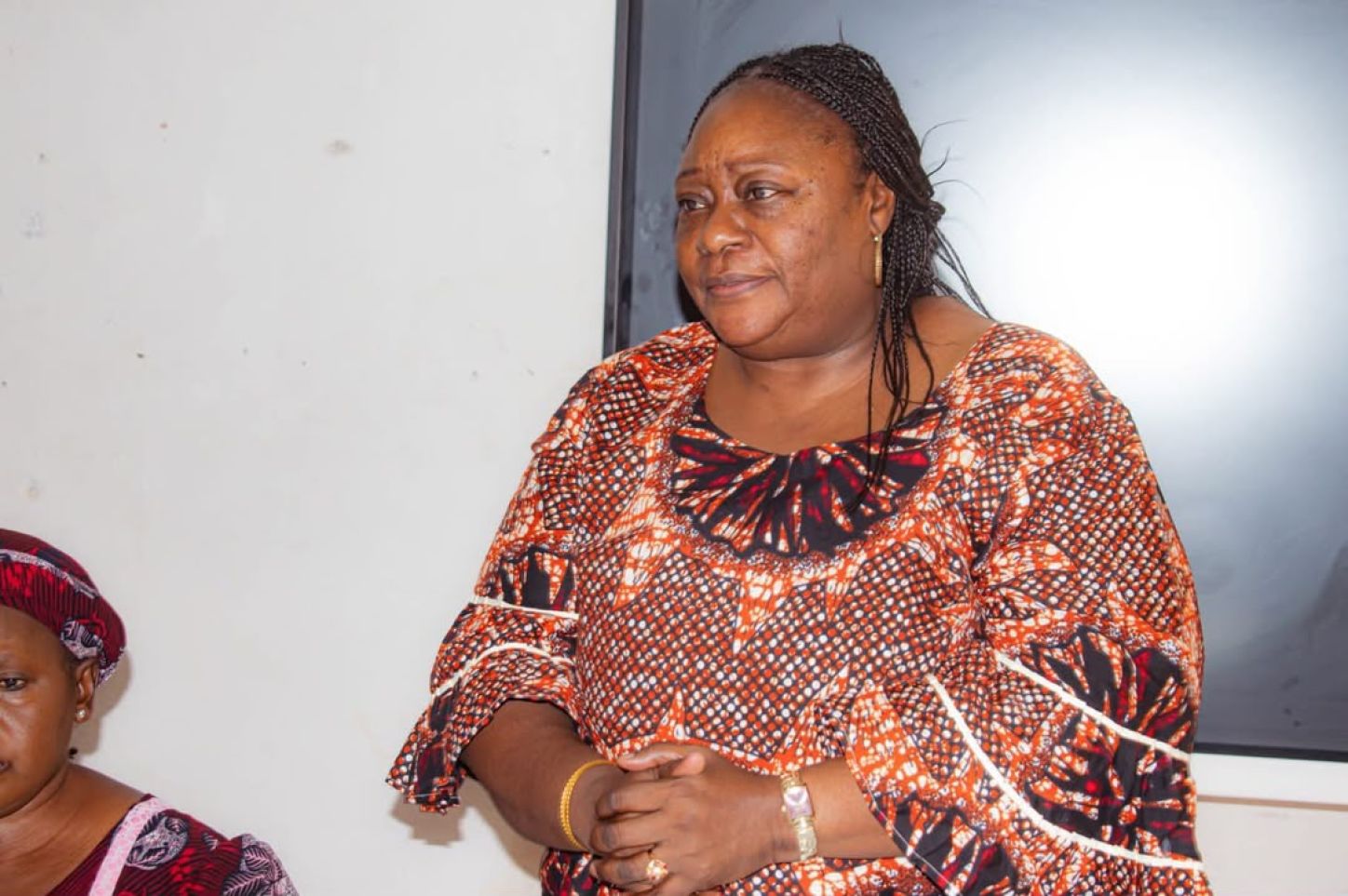
She recalled how the union actively sought international solidarity to expand its efforts: “We want support on gender-based violence, because even though Gambia is very small, you have a lot of gender-based violence cases.”
The first training, supported through this partnership, proved transformative, she acknowledged.
Since then, the union has continued to expand its initiatives, working with multiple partners and embedding GBV prevention into its strategic plans and daily work.
Building union power through community impact
The fight against GBV has also strengthened the union itself. “It is an everyday thing,” Marie-Antoinette Corr stressed, highlighting how the GTU integrates gender equality into its broader work, from policymaking to community outreach.
The impact is concrete, not only in safer schools, but in stronger recognition for the union’s work.
“That space is given to us because of the work we are doing, because of the recognition we got. They know we are doing well,” she said, pointing to increased engagement with government institutions and policymaking bodies.
By addressing real challenges faced by communities, the union has built trust, strengthened social dialogue, and increased its capacity to organise and represent educators.
International solidarity in action
As INTO Deputy General Secretary Deirdre O’Connor noted, “trade union solidarity does not stop at national borders.”
She emphasised the shared responsibility of unions worldwide: “Strong teacher unions are essential for protecting the rights of educators, improving working conditions and ensuring that every child has access to quality education.”
Through such partnerships, unions exchange knowledge, strengthen capacity, and build a collective response to global challenges like gender-based violence, she underlined.
A shared global struggle for equality in education
While contexts differ, the issue of gender-based violence resonates globally, including in Ireland and beyond.
“Gender-based violence remains an issue in every society,” said Deirdre O’Connor, while stressing the crucial role of education: “Schools play an important role in promoting respect, equality and healthy relationships, while also supporting children and young people who may be affected by violence or abuse. Education is one of the most powerful tools we have for creating a more equal and just society.”