Education Voices | The solidarity that supports school communities in the aftermath of extreme climate events
Interview with Susan Rattray-Hammond, PhD., Principal of Petersfield Primary & Infant School, Jamaica
Sign up
Sign up for the Worlds of Education newsletter.
Sign up
Sign up for the Worlds of Education newsletter.
Thank you for subscribing
Something went wrong
Worlds of Education: Susan, thank you for accepting our invitation for an interview. Can you please introduce yourself to our readers?
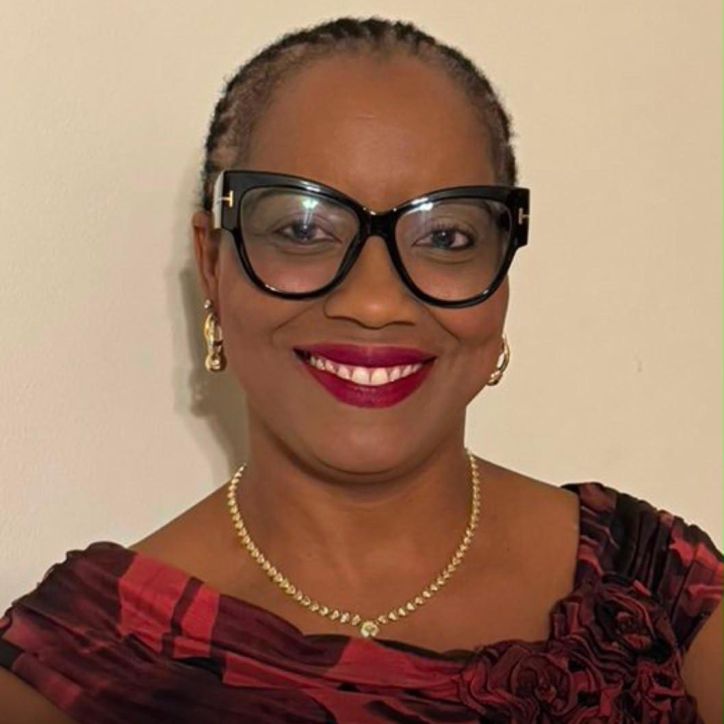
I am Susan Rattray-Hammond, a trained Primary Education teacher, with advanced mathematics training. As an educator for three decades, I have taught at all levels of the education system in Jamaica. Currently, I am the Principal at Petersfield Primary & Infant School in the parish of Westmoreland, Jamaica. I have had the privilege and honour of leading this institution for the past sixteen years.
Worlds of Education: Why did you decide to become a teacher?
I decided to become an educator because I believe that education is one of the most important channels for impactful development at the individual and community levels. My philosophy is, “Knowledge is power, but true power is only achieved when knowledge is used positively for the benefit of mankind”. Being an educator allows me to embrace and demonstrate these principles daily.
Worlds of Education: Can you describe a day in your life as a teacher in the aftermath of Hurricane Melissa? What were your main challenges immediately after the hurricane and what are your challenges now?
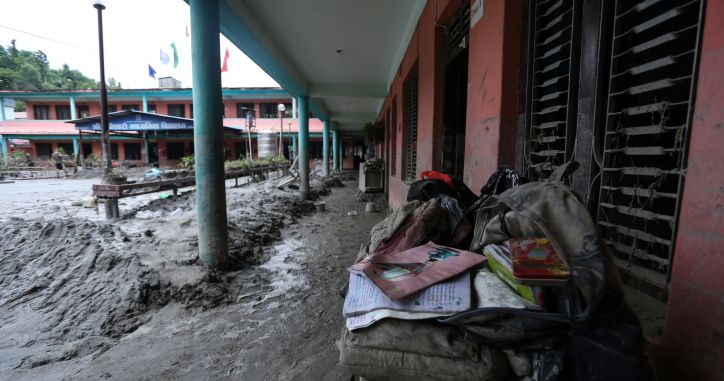
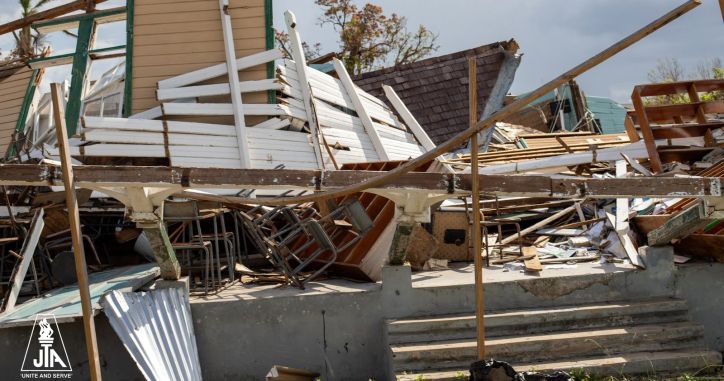
As an educator and school leader, navigating the challenges post hurricane Melissa was not an easy task. In the days following the hurricane, the priority was to connect with members of staff, students, parents, and other stakeholders. While assessing the impact of the devastation to my own home and family, I was also assessing the situation at school, and checking in on staff, students, and parents to ensure that everyone was okay. This became overwhelming at times, particularly when I saw the devastations all around and in some instances persons were not coping very well with the effects of the trauma that came with the destruction. I find myself functioning in a multiplicity of roles, not only in my school community, but also in my home community.
The main challenge post hurricane Melissa were communication as the power sources and telecommunication networks were all adversely impacted. Just being able to connect with family, friends, colleagues was impossible. The lack of power supply meant many communities were in darkness for an extended period, potable water sources were also affected, and accessing certain places was impossible due to the damaged road networks and flooding.
Ten months later we are faced with the challenges of the slow pace of rebuilding and recovery because of high costs, scarce labour, and availability of materials. This is further exacerbated by global logistics challenges, reduced earnings, and ad hoc approach to the distribution of relief supplies.
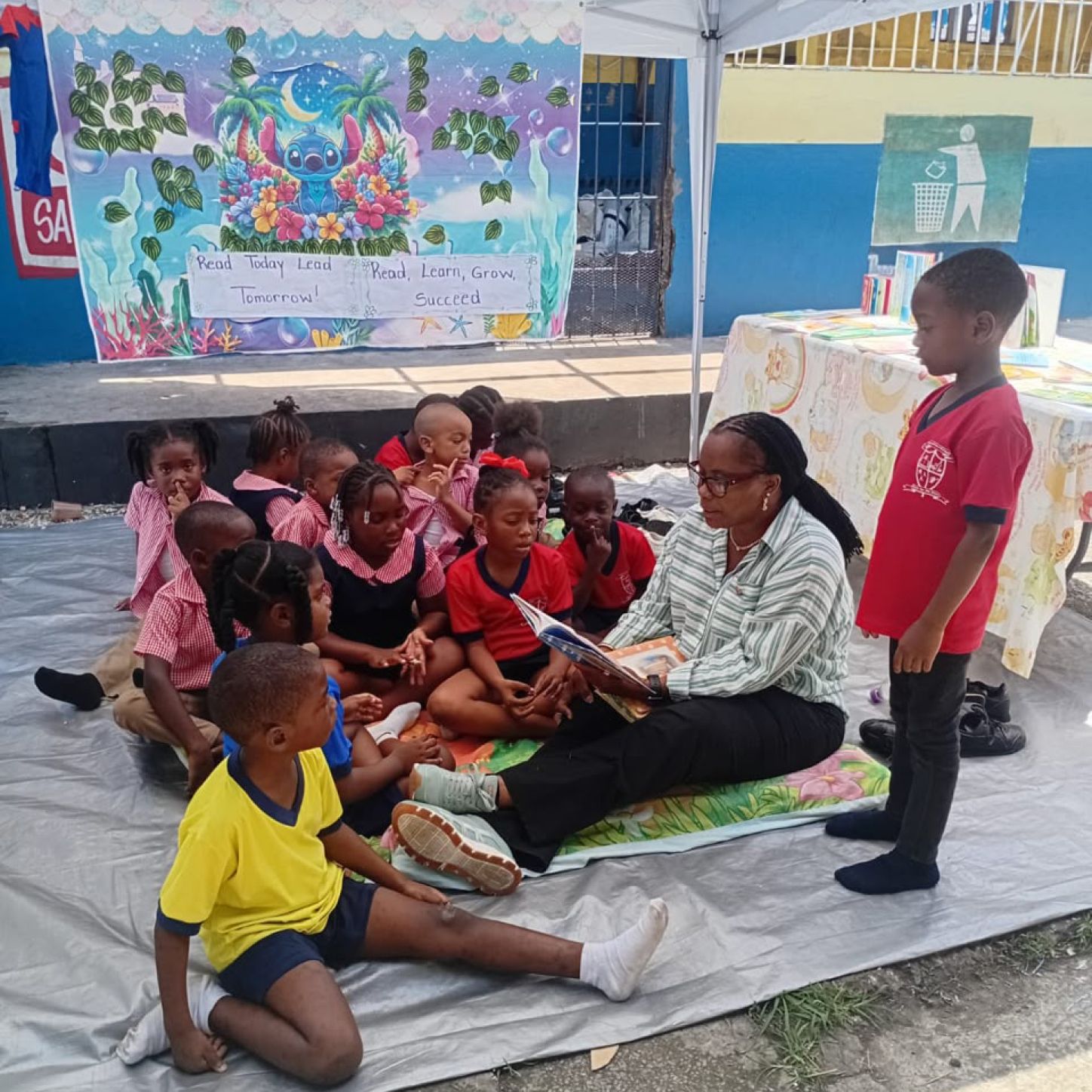
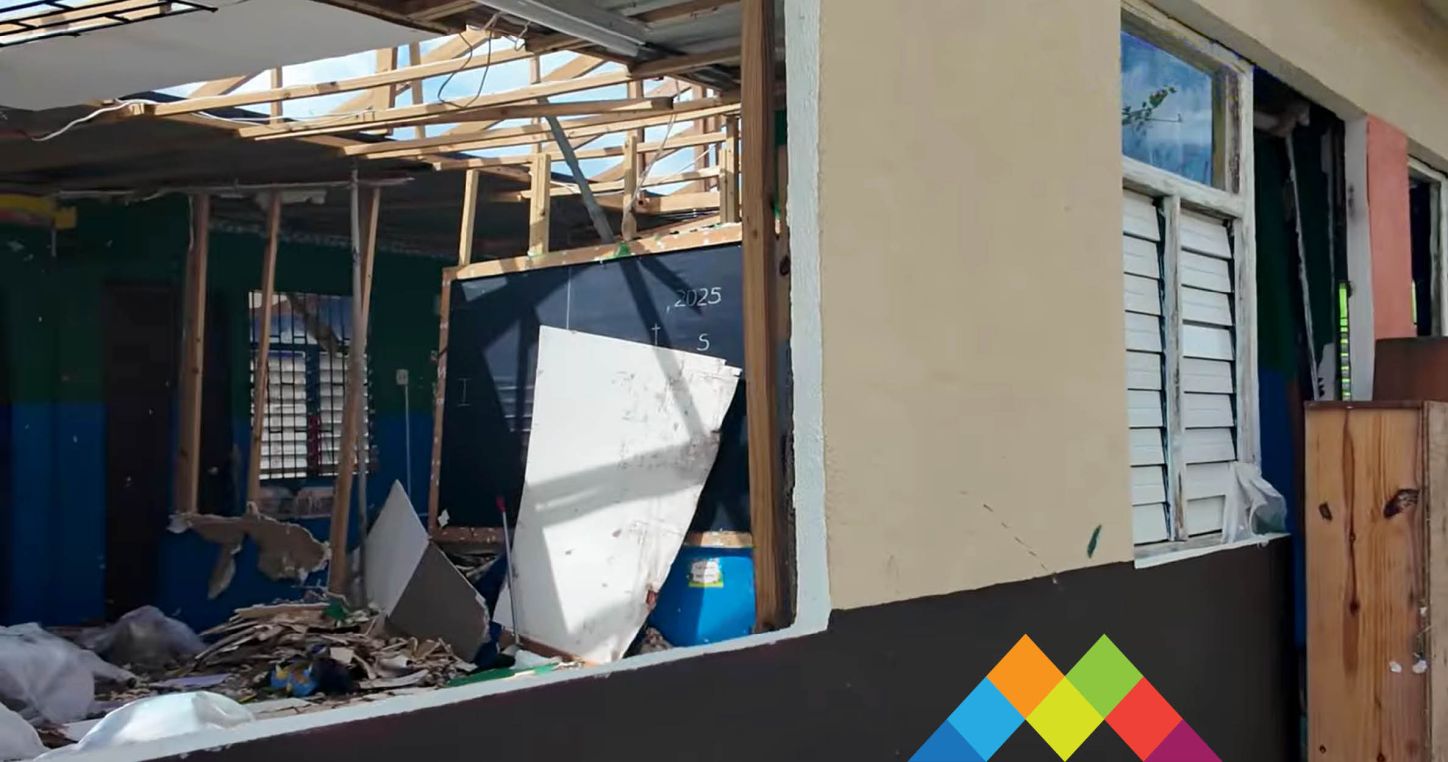
We are only a few weeks away from the start of the new school year and many schools are still not ready. We have to be looking at alternate solutions to what would be a normal start to the academic year. In addition to making do with less than ideal learning environments, we also have to now plan to engage our students from a trauma informed perspective. This means training our teachers in psychological first aid and teaching them to be mindful of all the variables and antecedents that impact on our students’ learning outcomes.
Worlds of Education: Has the hurricane had a disproportionate impact on women educators?
The field of education is for the most part dominated by women, hence the impact of the hurricane on women educators would be disproportionate to our male counterparts. As caregiver and nurturers, women provide that reassuring, nurturing, and stable environment that allows others around them to thrive. Therefore, in the aftermath of a crisis such as hurricane Melissa, our presence on the ground is paramount to the social and psychological healing of those around us; in the classrooms, the churches, the community groups, and service clubs, our women colleagues have demonstrated that “the hand that rocks the cradle rules the world”.
Worlds of Education: How are you and your colleagues supporting each other and what is the role of your union?
As a school family, my colleagues and I are constantly checking in on each other. We offer words of encouragement, reassurance, share information that will benefit each other, and generally look out for each other’s well-being, not just professionally but personally. While we provide a safe, nurturing space for each other at the school level, we are grateful to be a part of an association that cares for its members and seeks to support and promote their well-being. Therefore, I extend our appreciation to the Jamaica Teachers’ Association for being there for us at one of our most vulnerable points. We continue to need the support of our union with tangible resources as we prepare for the 2026-2027 academic year. The continued provision of mental health services to our colleagues who need it is strongly encouraged, as at no point in time should any of our colleagues be made to suffer in silence. Especially in light of the fact that teaching is a very high stress profession.
Worlds of Education: Which measures are in place to prepare the education sector as hurricanes hit Jamaica every year in different locations?
Based on Jamaica’s geographic location, our history of devastating hurricanes, and the realities of climate change and its damaging impact on us, it is my hope that the rebuilding process for our schools will focus on disaster mitigation, climate resilience, and renewable energy sources. While we can not control nature, we can learn from our past experiences and use that to guide how we plan strategically for disaster risk management, thereby reducing the recovery timeline and allowing us to get back to being productive not just in our schools but in the wider society.
Worlds of Education: Your colleagues from around the world mobilised to support educators in your country during these trying times. How did you experience this solidarity? What did it mean to you and your students?
The support from our colleagues around the world was a welcoming intervention at a time when the need was great. When you are faced with a crisis of hurricane Melissa’s proportions, it can be a very daunting experience. Knowing that there are persons in diverse places that are willing to lend a hand can and does make a difference. Your thoughts, prayers, and tangible support were of great help to us. This solidarity showed that educators are not just heroes in the classroom, they are heroes beyond borders, impacting the lives of people they don’t know personally. That is true heroism.
Worlds of Education: Do you have a message for your colleagues around the world?
On behalf of the schools, students, parents, and educators, I extend our sincere gratitude. You reminded us that we were not alone. While you were not personally affected, you felt our pain, understood the implications of the crisis we faced, and you stepped up to help. Your support gave us hope, put smiles on our faces, and moved us closer towards recovery. We are truly grateful. Thank you.
The opinions expressed in this blog are those of the author and do not necessarily reflect any official policies or positions of Education International.