Artificial intelligence is here to stay

Sign up
Sign up for the Worlds of Education newsletter.
Sign up
Sign up for the Worlds of Education newsletter.
Thank you for subscribing
Something went wrong
Artificial intelligence is here to stay, and as unionists, we should feel just as confident harnessing the power of AI as we do harnessing the power of our collective voices.
Every contract bargained reflects the morals, values and priorities of a union. As we look to broaden our subjects of bargaining, AI must be included on that list. There may be skeptics thinking, “AI won’t change my work. Our priorities need to remain focused on bread-and-butter issues like affordability, student safety and staffing”.
I hear you, and while I understand that perspective, we cannot ignore AI’s impact on those exact concerns. Affordability, student safety and staffing are going to be impacted by AI, and it is our job to ensure any workplace changes are made with us, not to us.
Classified employees—or school and college support staff, as many others call them—are increasingly encountering AI in their workplaces. Often, AI is being incorporated without the consent, guidance or input of the workers affected.
- Affordability: My members have watched electricity costs rise for six consecutive years in Oregon, a major tech hub. A significant driver of those increases is the rapid expansion of energy-hungry data centers in our communities. Those rising costs eat away at any wage gains we negotiate at the bargaining table.
- Student safety and advocacy: AI tools have been created to assist in drafting education plans for students with disabilities. While these tools may promise efficiency, they also introduce real risks. A system generating recommendations without ever knowing the student may miss critical context, undermining both privacy and the quality of support students receive.
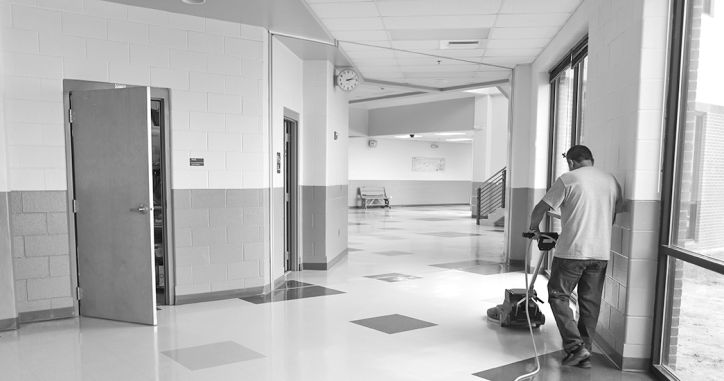
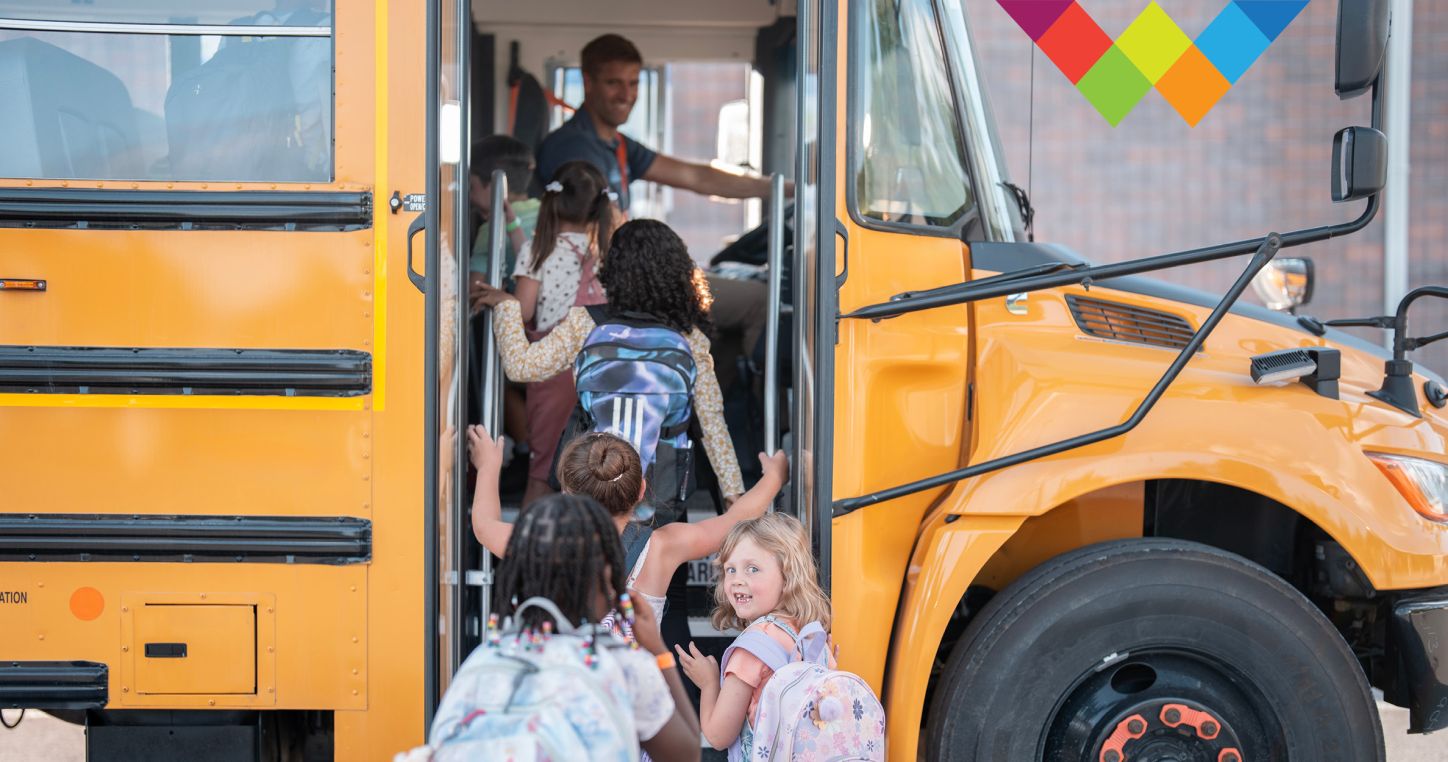
- Staffing and workload: Across K–12 schools, colleges and universities, we are increasingly seeing employers point to AI as a reason not to hire clerical and support staff. Instead of easing workloads, these tools are being used to justify operating with fewer people, placing even more strain on already understaffed teams. Additionally, school cleaning ratios are now being decided by algorithm rather than actual workload (student illness outbreaks, large events, campus protests, etc.). Cleaning staff are expected to adhere to strict ratios that do not account for extraordinary circumstances. Even our school bus drivers—work often seen as “AI-proof”—are not exempt. Routes decided by AI rather than experience have left students in unfamiliar communities waiting for hours to be taken home.
AI’s impact is already being felt, and that reality can feel intimidating.
But as a unionist, I know that the best response to fear is hope. Although AI can be confusing and even, at times, frightening, I see hope in its potential to make our lives and the lives of the students we work with easier. In fact, I see AI in much the same way I’ve seen other technological shifts in my lifetime. The calculator, the television and the cellphone were each once viewed as something to be feared rather than embraced with appropriate guardrails. Those “tools”, when used thoughtfully, improved our daily lives.
Artificial intelligence is at an important juncture. Will we, as organized workers, lead the way in shaping how AI is used to make our lives better, or will we allow those decisions to be made for us?
Transforming AI from a potential villain into a helpful tool comes down to how we wield our power. In this new and confusing landscape, I don’t pretend to have all the answers. But I do believe there are clear first steps we can take together to maintain our power and productiveness.
- Acknowledge reality. AI is not coming. It’s already here, and it is permeating nearly every aspect of our work and daily lives.
- Build collective knowledge. We must educate ourselves about both the risks and the possibilities of AI. That means understanding not just how to use it, but when to question it and when to push back.
- Demand a voice. Workers must have a seat at the table when it comes to how AI is procured, introduced, implemented, used and governed in our workplace, especially when it involves data, privacy and job protections.
We’ve already seen what happens when technology outpaces our ability to guide it. The rapid rise of social media reshaped how our students interact with each other and the world, often without foresight or guardrails. Now, schools across the globe are reacting with restrictions and bans, trying to manage the consequences after the fact.
We should not make that same mistake in our use of AI.
AI is a tool with enormous potential to improve our work and our lives, but only if it is introduced thoughtfully, transparently and with worker input at every step.
As union members and leaders, we have both an opportunity and a responsibility to shape this moment.
We deserve proper training—not only in how to use AI, but in understanding its ethical implications. We deserve safeguards that protect our jobs, our students and our communities. And most importantly, we deserve a meaningful voice in determining how this technology becomes part of our work.
AI is here to stay.
The question is not whether it will change the shape of our future, but whether we will have a say in how those changes impact our future.
The opinions expressed in this blog are those of the author and do not necessarily reflect any official policies or positions of Education International.