Botswana: Unions warn that crumbling infrastructure and unmet needs threaten the right to quality public education
Botswana’s education unions are calling for renewed public investment in school infrastructure, teacher support, and learning resources, arguing that quality public education can only be achieved through funding that reaches classrooms and school communities where it is most needed.
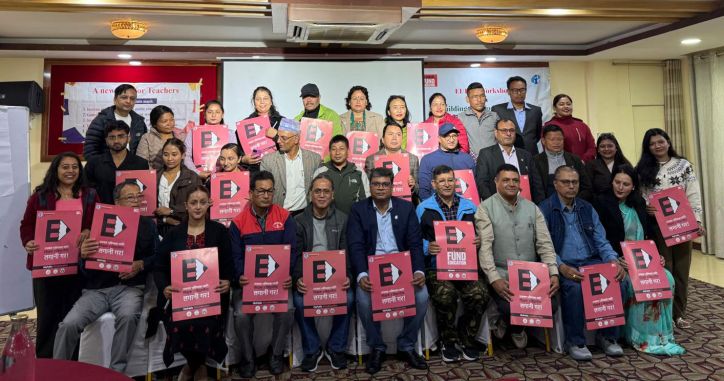
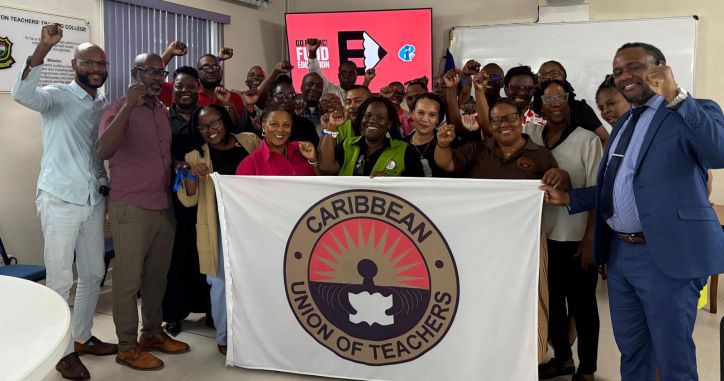
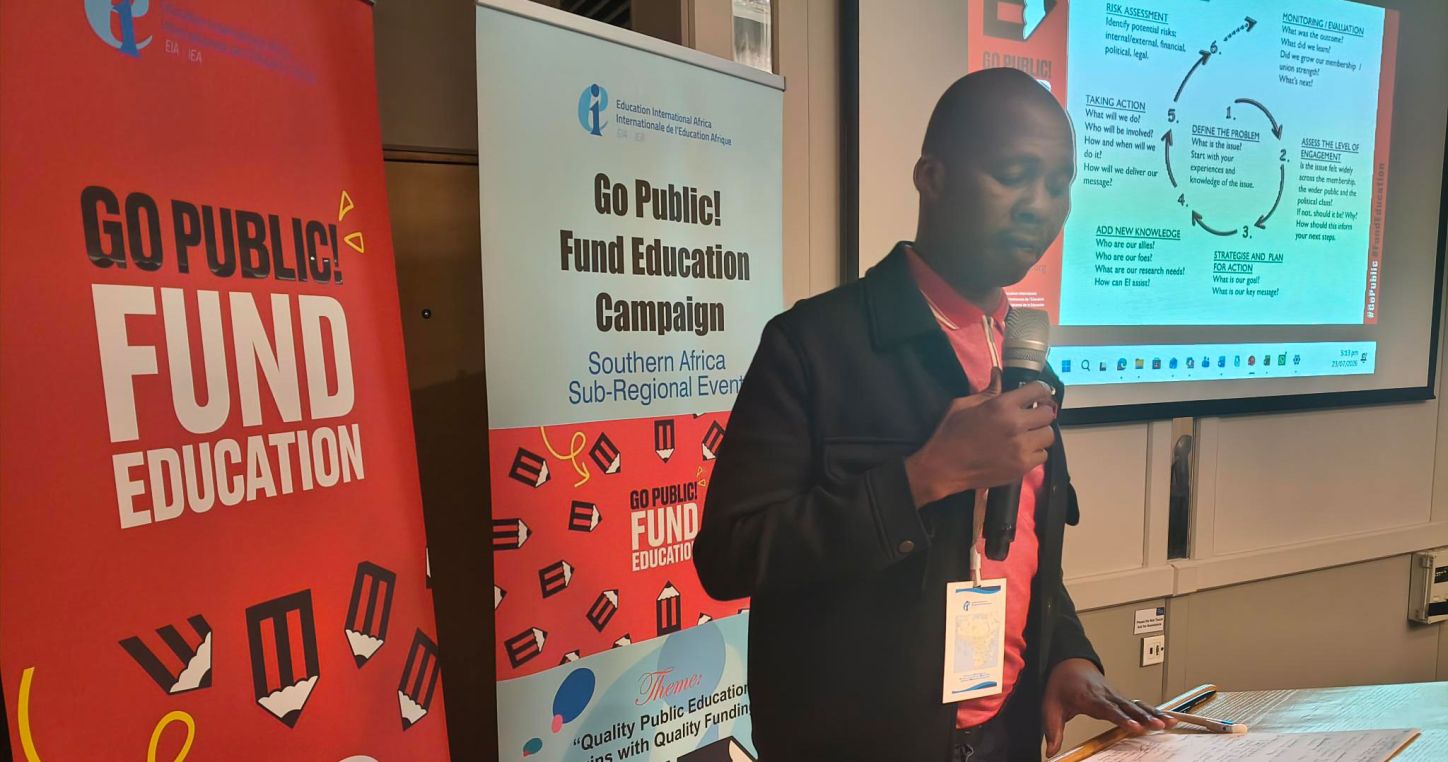
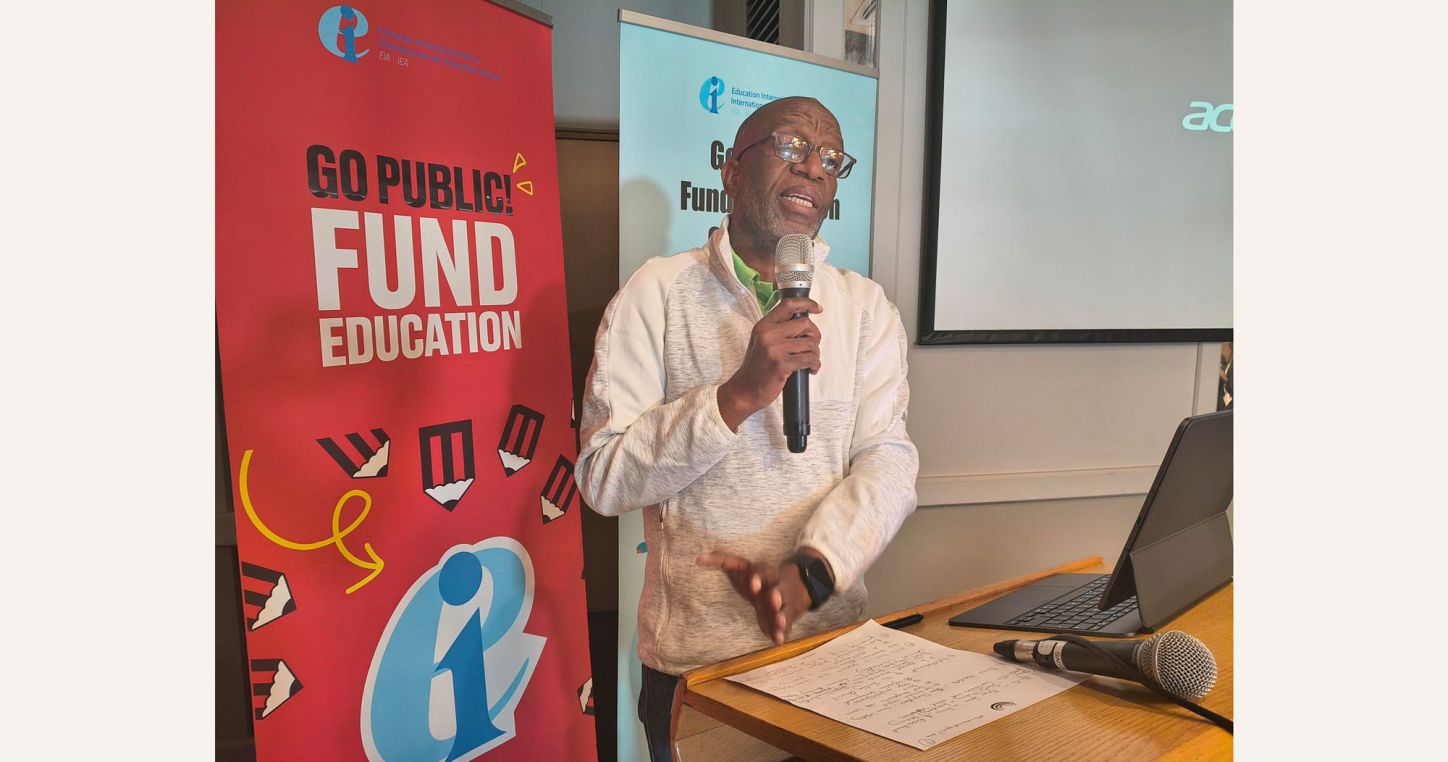
The three national EI member organisations – the Botswana Sectors of Educators Trade Union (BOSETU), the Botswana Teachers' Union (BTU) and the Trainers and Allied Workers Union (TAWU) – presented a country report of the implementation of the Go Public! Fund Education campaign during the Education International (EI) Southern Africa Sub-Regional Workshop focusing on this campaign.
This event was convened by EI Africa and hosted in Johannesburg, from July 23rd-24th, 2026, by the South African Democratic Teachers Union (SADTU) and the National Professional Teachers' Organisation of South Africa (NAPTOSA).
The Botswana’s unions strongly reaffirmed that quality public education begins with quality funding, and highlighted both progress and persistent challenges facing the country’s education system.
Public investment must meet actual needs
They acknowledged that the Government of Botswana has continued to prioritise education spending and reforms. The 2025/26 national budget includes commitments to strengthen technical and vocational education and training (TVET), improve digital connectivity, and better align education with labour market needs.
Education unions however stressed that policy objectives have not translated into improved working and learning conditions. Many public schools continue to face serious infrastructure challenges, including inadequate sanitation facilities, overcrowded classrooms, old boarding facilities, and insufficient maintenance of deteriorating school buildings, they noted.
According to the unions, an excessive focus on digital transformation and curriculum reform risks overlooking the urgent realities facing learners and educators daily and undermining both teaching conditions and learning outcomes.
They clearly reaffirmed that investing in education means more than budget allocations. It means ensuring that resources reach classrooms, schools are safe and well maintained, educators are properly supported, and every learner can access the quality public education they deserve.
Botswana allocated the equivalent of 7.1 per cent of GDP to education in its 2026/27 budget cycle, demonstrating a significant national commitment to the sector. Unions nevertheless argue that funding alone is not enough if implementation remains ineffective and resources fail to reach priority areas.
The report points to delays in maintenance programmes and other issues that allow costs to raise and school conditions to deteriorate further.
Fair work and quality learning conditions
Over the past year, union advocacy focused on improving educators’ welfare and professional conditions. Key priorities have included salaries, career progression, teacher welfare, and engagement with government on education policy.
The unions continued to push for further improvements to public education, and an outstanding development has been the establishment of the Botswana Teaching Professionals Council (BOTEPCO), created to address longstanding professional issues within the sector.
The union also underlined that greater investment is needed in rehabilitation of school infrastructure, teacher support, and basic educational resources to improve the quality of public education.
Social dialogue and communication activities are essential
Botswana’s education unions also used a range of industrial, political, legal, and communication strategies to advance their priorities.
Through collective bargaining and social dialogue mechanisms, they advocated for fair remuneration, improved working conditions, career progression, and the resolution of workplace grievances. They also engaged parliamentarians, education authorities, and other stakeholders to influence education policy and legislative reform.
At the same time, the unions relied on legal action to defend educators’ rights and professional interests. However, the report expressed concerns about delays in resolving court cases and failures to implement court orders.
Communication efforts have included meetings, workshops, social media, newspapers articles, radio programmes, and direct engagement with members. These initiatives helped maintain solidarity among educators and keep union members informed about negotiations and sector developments.
Building stronger unions for stronger public education
The report also detailed the challenges unions face in growing their membership. For the EI affiliates, some potential members continue to see unions primarily as providers of financial services rather than as organisations fighting for sustainable reforms that improve educators’ welfare and strengthen public education.
Despite these challenges, Botswana’s education unions remain committed to the struggle for quality public education, professional dignity for educators, and adequate public funding that responds to the real needs of schools and communities.