Teaching about the fight for democracy in Ukraine
Sign up
Sign up for the Worlds of Education newsletter.
Sign up
Sign up for the Worlds of Education newsletter.
Thank you for subscribing
Something went wrong
Ukraine is the front line in the fight for democracy, freedom and self-determination, and the outcome of their fight against Russia’s invasion has long-term ramifications for the world and for all freedom and democracy-loving people. As a union with a long history of fighting to preserve and expand democracy across the globe, the AFT is committed to doing everything we can to support the fight for democracy in Ukraine and stop Putin’s invasion.
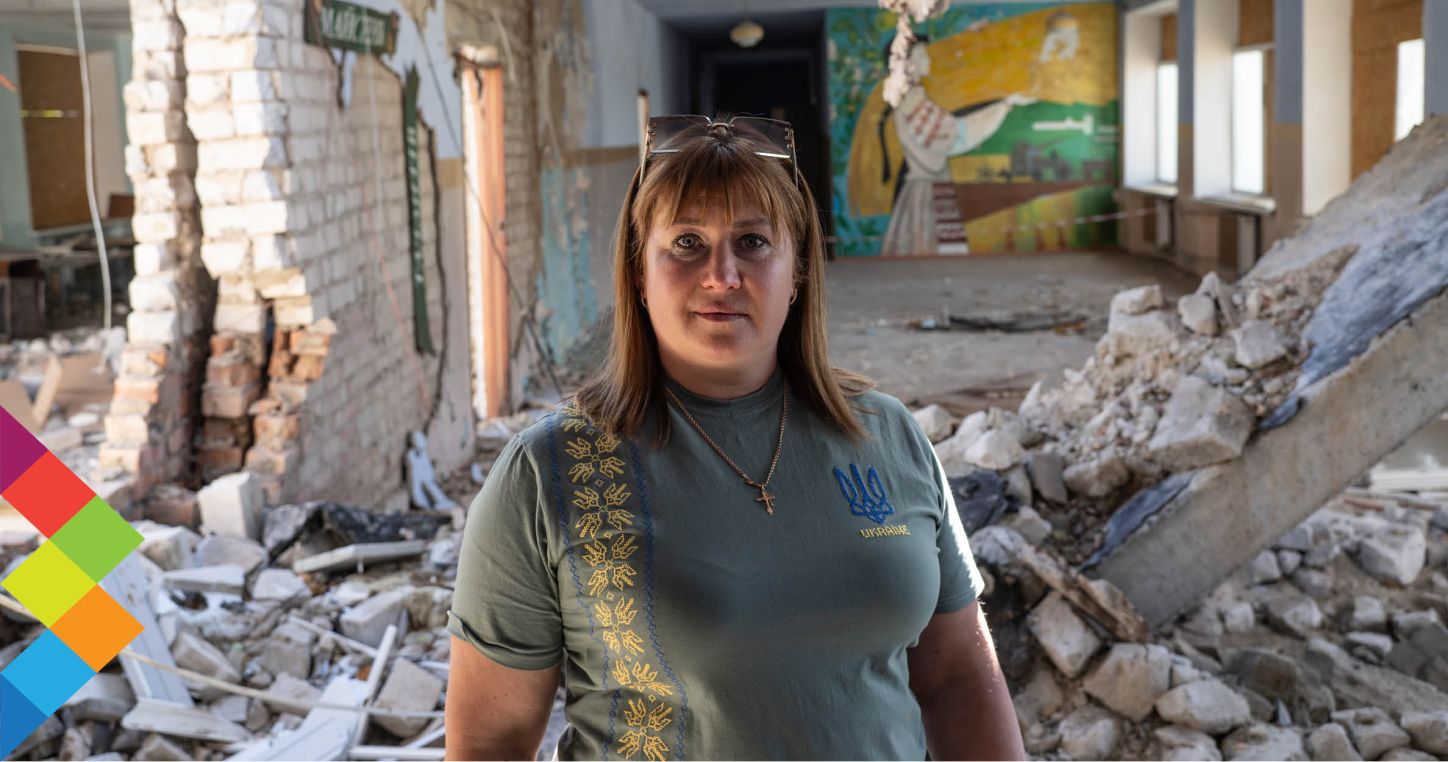
Through multiple trips to Ukraine, I’ve seen what Putin’s deadly ambition has cost. I’ve walked the shattered hallways of schools once filled with children eager to learn that were turned into Russian bases and riddled with bullet holes. I’ve seen entire apartment buildings shelled outside of Kyiv and the husks of burned-out cars. I’ve visited teacher training sites and childcare centers and met with the minister of education to assess how the war has impacted kids’ mental health, learning, education infrastructure, vocational education and more.
In an era of misinformation and disinformation, often manufactured and spread by Putin’s propaganda machine, it’s critical for educators and students to have access to fact-based resources on the war in Ukraine and what Putin is attempting through this invasion.
Through its partnership with The Reckoning Project, the University of Michigan’s Weiser Center for Europe and Eurasia (WCEE) has created free teaching materials designed for high school students that closely examine the war in Ukraine. The materials, utilizing eyewitness testimony and firsthand accounts, allow students to examine issues around war crimes, human rights and international justice. Fully reviewed and approved by the Trade Union of Education and Science Workers of Ukraine, they are an excellent base for any educator in need of resources to engage students around the war in Ukraine.
These resources, which you can access here, are interactive and designed to be engaging and thought provoking. They are split into four main lesson topics: the historical context of the war in Ukraine, a study of war crimes and justice, looking for patterns of war crimes, and incident case studies.
The Weiser Center for Europe and Eurasia, knowing that these topics are applicable to more than high school students, has also adapted a guide on how to integrate these resources into college courses. Focused on social sciences, humanities and law studies, this adaptation puts more emphasis on political sovereignty, international law and nationalism, among other topics, making it ideal for use in higher education.
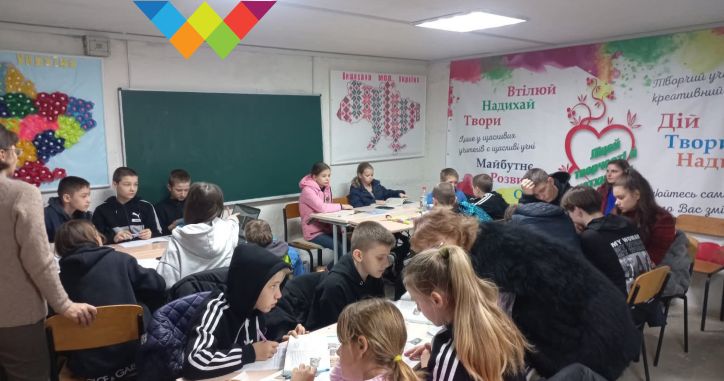
Teaching about a conflict playing out in real time, like the war in Ukraine can be challenging. That’s especially true in places with high concentrations of Ukrainian expats or Ukrainian refugees. The hope is that these materials empower educators and students to have meaningful, thought-provoking conversations and that students are able to think critically about the war in Ukraine, its global ramifications and what they can do in their own community to stand up for democratic ideals and freedoms. This effort is critical to providing our young people with the tools and knowledge they need to be effective citizens and defenders of democracy at home and abroad.
The AFT has worked with the Trade Union of Education and Science Workers of Ukraine and other international partners to provide support to Ukraine since Russia’s first invasion in 2014. Together, we’ve helped Human Rights Watch conduct research on the ongoing atrocities committed by Russia, we’ve worked alongside our Polish colleagues at ZNP to get generators into schools, and we have an ongoing collaboration to provide teachers trauma-informed education materials supplied by the Ukraine Children’s Action Project. We’ve also worked with the Ukraine government to spread awareness of educational materials detailing the impact of the war on teens.
As unionists and educators, we are providing assistance to the children and families devastated by Russia’s attacks and arming the rest of the world with the facts and information they need to understand the facts on the ground, Putin’s true motives and the threats to global democracy.
The opinions expressed in this blog are those of the author and do not necessarily reflect any official policies or positions of Education International.