Cambodia: Trade unions’ united push for greater national investment in public education and teachers
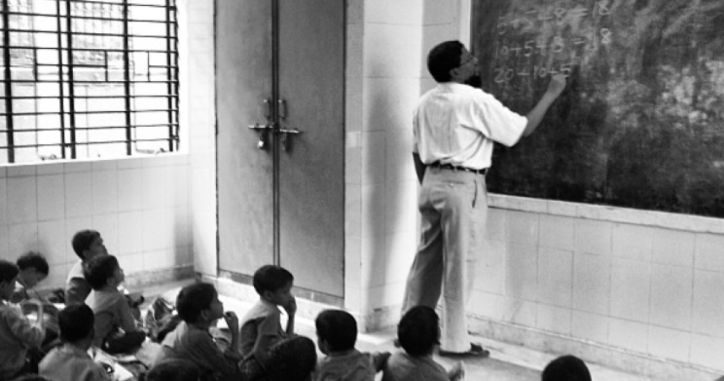
The Cambodian education system continues to face acute teacher shortages, with average class sizes reaching around 44 students in rural areas and up to 71 students in major cities such as Phnom Penh. Teachers’ salaries also remain insufficient to ensure a decent standard of living, contributing to low morale, high attrition, and growing recruitment challenges.
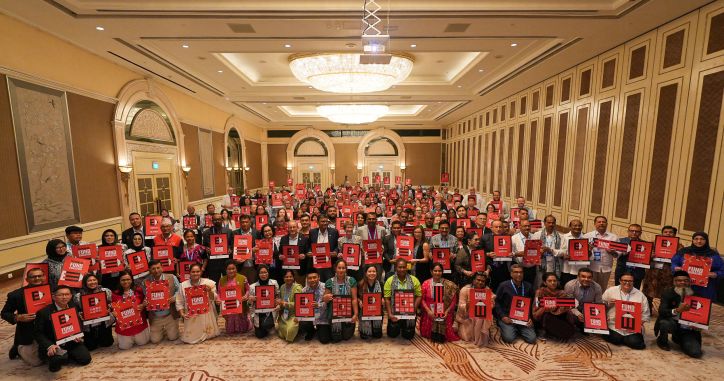
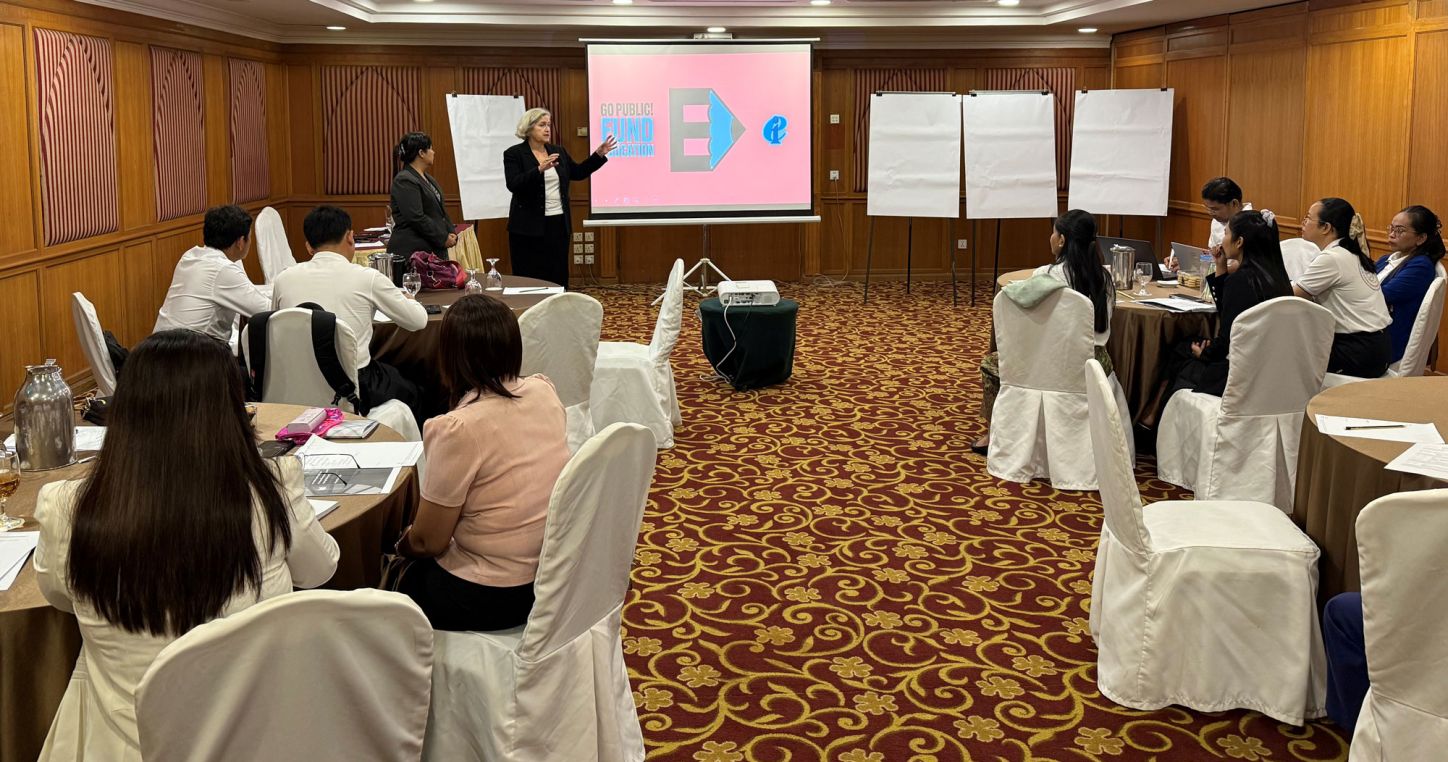
The Go Public! Fund Education planning meeting organized with Education International (EI) national affiliates - the Cambodian Independent Teachers’ Association (CITA) and the National Education Association for Development (NEAD), aimed to strengthen union advocacy for increased public funding for education and the teaching profession, in line with EI Go Public! Fund Education campaign and the Recommendations of the United Nations High-Level Panel (UN HLP) on the Teaching Profession.
The event took place with financial support from the Union of Education Norway from December 12th–14th, 2025, in the capital city Phnom Penh.

Challenges faced by the Cambodian teaching profession and education system
Key challenges identified during the meeting included:
- Low salaries and poor working conditions, alongside the appointment of large number of contract teachers.
- Serious repression of trade union rights, including restrictions on teachers’ freedom of association and collective bargaining.
- Persecution and intimidation of teachers engaged in union activities or joining unions, creating a climate of fear and undermining democratic space.
- Inadequate school infrastructure, overcrowded classrooms, and lack of basic services such as clean water and learning materials.
While Cambodia’s 2025 national budget totals USD 9.32 billion, only USD 548 million were allocated to education, less than allocations to several other sectors. In 2026, the national budget is projected to increase to USD 10.2 billion, i.e. a 7.8% rise, with health and education combined receiving USD 1.88 billion, compared to USD 1.40 billion for national defense alone.
Respecting teachers’ rights to improve learners’ outcomes
Addressing the shrinking democratic space for educators, the meeting underlined that improving educational outcomes is inseparable from respecting teachers’ fundamental rights.
Participants agreed that respect for freedom of association and teachers’ democratic rights is essential to building a stable, motivated teaching workforce. Without these rights, reforms in education financing and quality cannot succeed.
Development of national action plans aligned with key UN Recommendations on the Teaching Profession
The participants further explored how the Go Public! Fund Education campaign and the UN recommendations can be used as strategic tools for national-level advocacy, linking global policy commitments to the lived realities of teachers and learners across Cambodia.
Both CITA and NEAD developed national action plans aligned with key UN Recommendations on the Teaching Profession, including:
- Elevating the status of teaching and restoring respect for the profession (R1).
- Improving working conditions and teacher well-being, including workload and mental health (R2).
- Securing fair and adequate salaries linked to the cost of living (R5).
- Addressing teacher shortages and deployment inequities, particularly in rural areas (R7).
- Expanding professional development, especially in ICT, STEM, and digital skills (R8).
- Defending teachers’ rights and freedom of association (R11).
- Strengthening education financing and accountability (R19).
The Go Public! Fund Education planning meeting translated global policy commitments into concrete national strategies. By aligning advocacy with the UN Recommendations on the Teaching Profession, Cambodian education unions are strengthening their capacity to advance equitable, well-funded public education and a respected, protected teaching profession.
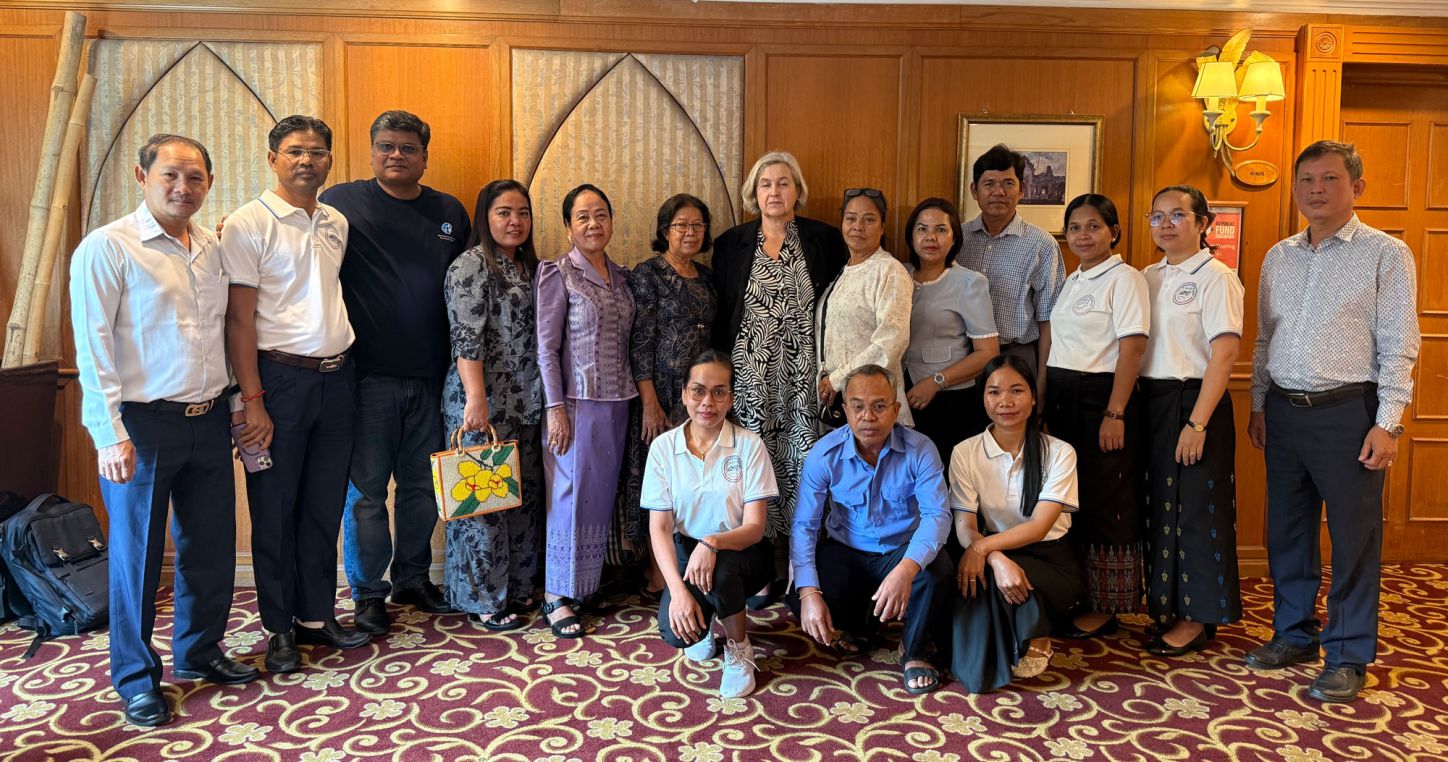
The meeting concluded with a commitment to advance the Go Public! Fund Education campaign in Cambodia by mobilizing teachers, strengthening teachers’ organizations, engaging communities, and putting pressure on decision-makers to treat education as a public good, not a cost.
On March 7th, 2025, the Cambodian education unions had joined other EI member organizations from Indonesia, Singapore, Malaysia, and the Philippines in Bangkok, Thailand, to discuss and plan the next stage of the Go Public! Fund Education campaign in their countries and the region.