Go Public! Fund Education: Building union power and quality education across the Pacific
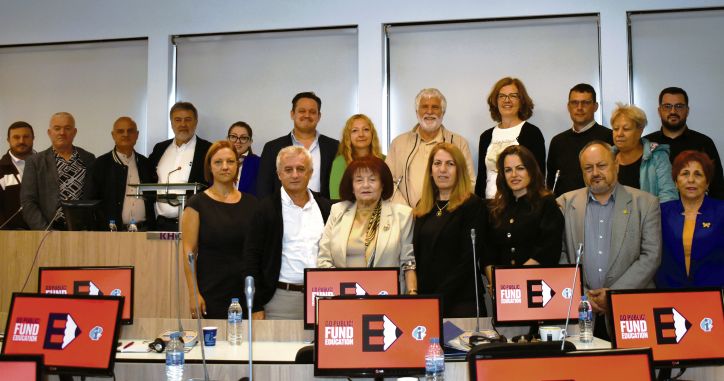
The Education International (EI) Go Public! Fund Education campaign has consolidated itself as a central policy and mobilisation framework for education unions across the Pacific. What began as a strategic regional call to address teacher shortages has evolved into a coordinated effort linking national union action to global education policy commitments and urgent education workforce realities.
From global commitments to regional action
The Pacific campaign is explicitly rooted in international policy frameworks, including the UN recommendations on the Teaching Profession and the Sustainable Development Goals (SDGs), notably SDG 4 on quality education and SDG 8 on decent work. This has given unions a shared political framing of education as a public good and a collective responsibility of the state.
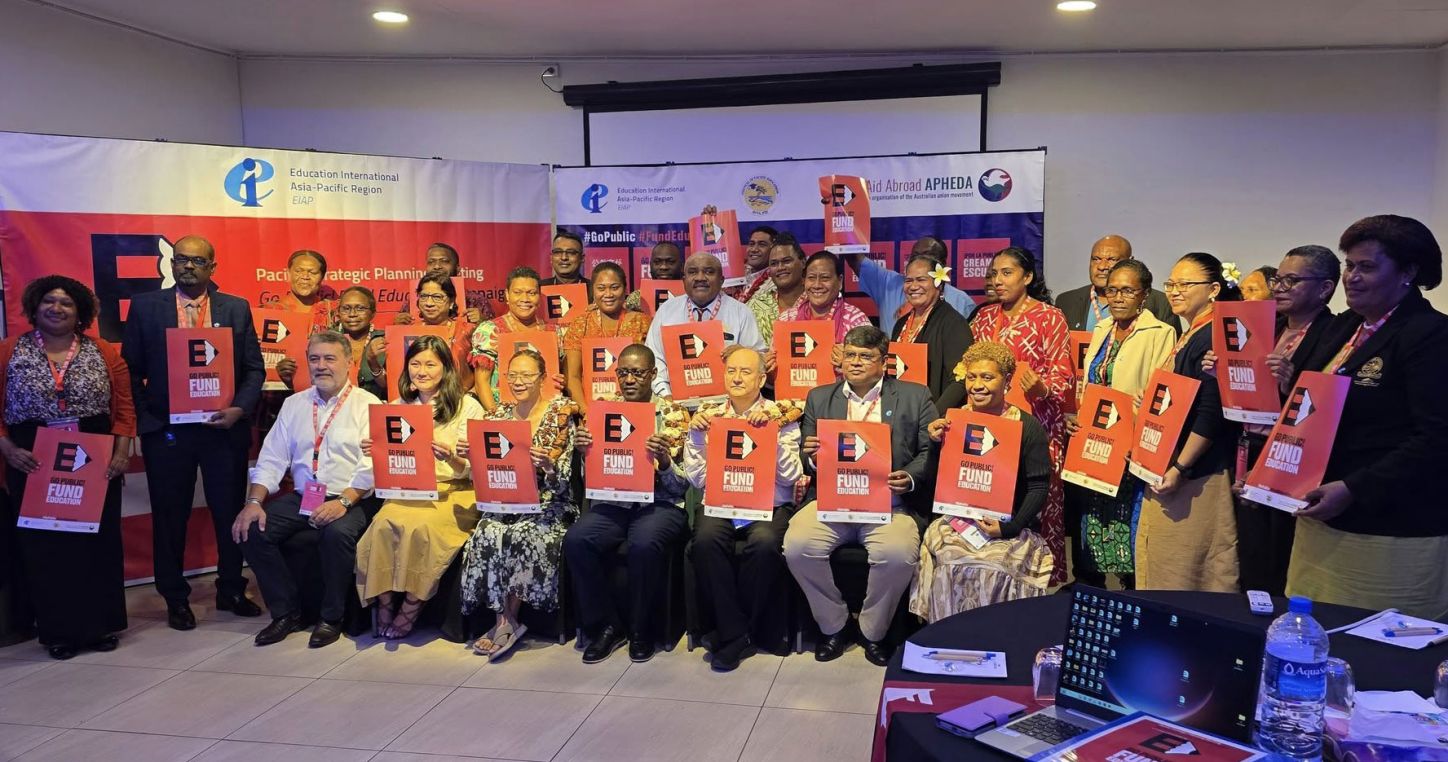
Over time, the campaign has evolved from awareness-raising into a structured regional capacity-building programme, strengthening union advocacy, governance and policy engagement across Fiji, Papua New Guinea, Samoa, Solomon Islands and Vanuatu. Rather than isolated national initiatives, Go Public! Fund Education has become a regional movement, reinforcing solidarity while responding to distinct national realities.
Commending member organisations for their strong involvement in the campaign in the sub-region, Anand Singh, Director of the EI Asia-Pacific region, said: “Across the Pacific, the Go Public! Fund Education campaign has demonstrated the true power of organised educators. By acting collectively, our member organisations have strengthened their unions, amplified their voices, and turned shared global commitments into concrete political demands at national and regional level. This is union power in action — building the conditions for quality public education, decent work for teachers, and social justice for our communities.”
Addressing the teacher shortage crisis
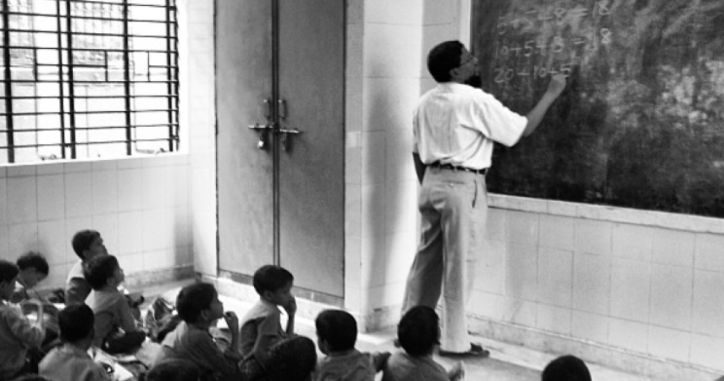
At the core of the campaign lies the growing global teacher shortage, a crisis acutely felt across Pacific education systems. Chronic understaffing has resulted in overcrowded classrooms, increased workloads and declining learning conditions. The campaign has consistently described this shortage as the direct outcome of chronic public underinvestment, linking workforce recruitment and retention to funding, working conditions and professional status.
This policy framing has enabled unions to advance concrete demands. In the Solomon Islands, the union has campaigned for a 1:35 teacher–student ratio, connecting class size to both health and learning outcomes. In Samoa, advocacy has focused on primary and secondary teacher shortages, supported by direct engagement with high-level political leaders, including the Prime Minister, to underline the urgency radical education reform.
Building union capacity
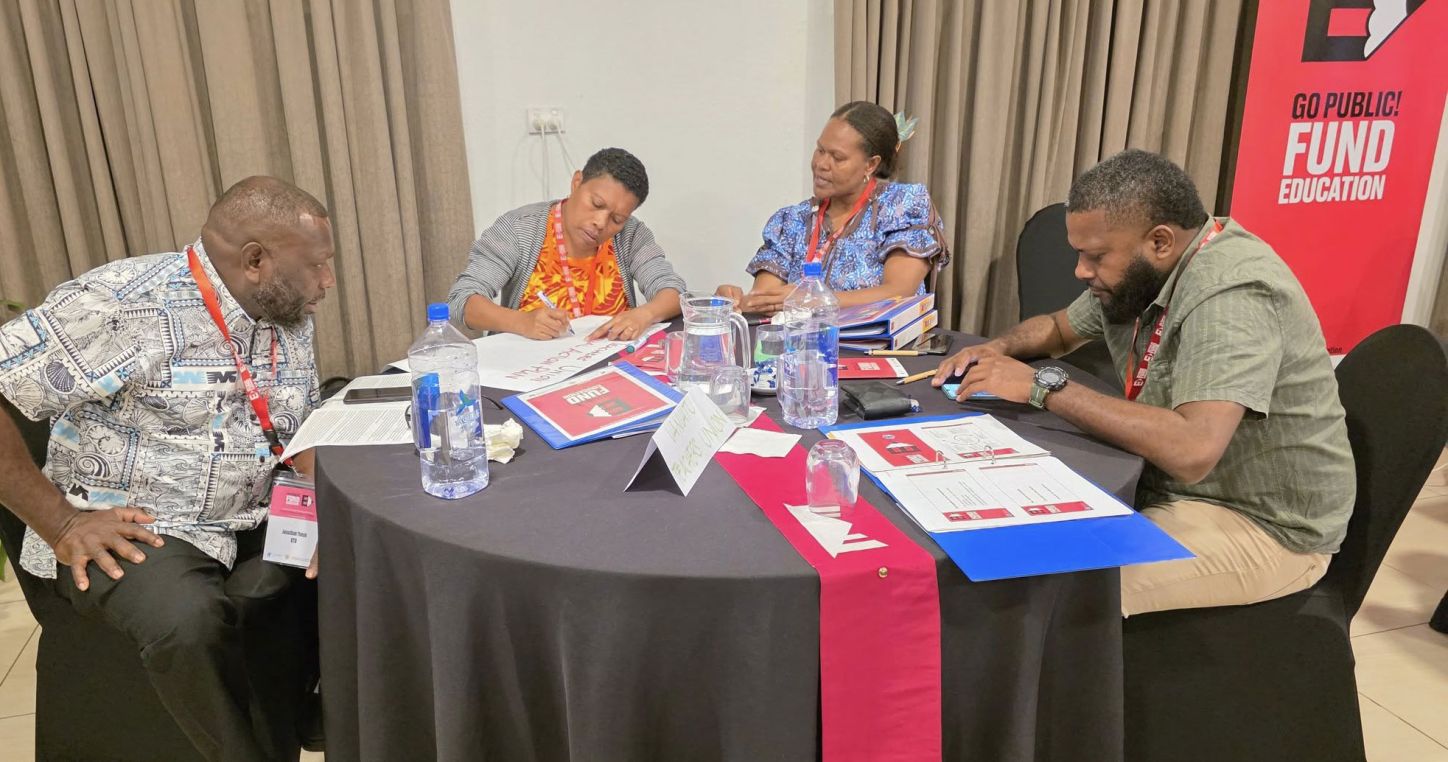
A key feature of the campaign has been its emphasis on union capacity as a prerequisite for policy change. Across the region, resources have been channelled into leadership development, governance training, communication tools and grassroots organising.
In Papua New Guinea, the teachers’ union has combined a media campaign with an online platform to mobilise public support and prepare formal policy submissions to government. In Vanuatu, targeted training for branch executives has strengthened union governance while supporting advocacy for the creation of an Education Services Commission, aimed at improving education system management.

These developments demonstrate a shift from reactive advocacy to policy-oriented unionism, enabling education unions to engage governments with evidence-based proposals rooted in both national needs and global standards.
Youth, gender and intergenerational continuity
The campaign has also prioritised youth leadership and gender-responsive approaches, recognising that sustainable public education systems require long-term union renewal. In Fiji, the teacher union’s youth movement has emerged as a noticeable force within Go Public! Fund Education, articulating demands for public investment, improved working conditions and professional recognition. Top union leaders have actively supported this engagement, reinforcing intergenerational solidarity and support.

This focus positions unions to engage with current members, and as builders of future leadership to sustain policy pressure over time.
A multi-year horizon for systemic change
The campaign is further explicitly designed as a multi-year initiative, with regional cooperation and collective advocacy. Future directions underline deeper policy engagement with governments, expanded capacity-building programmes and the development of sustainable regional coalitions.
Climate resilience, inclusive education planning and gender equality have also been identified as cross-cutting priorities, ensuring that public education systems are prepared to respond to both social and environmental challenges.
As Neselinda Meta, Secretary General of the Council of Pacific Education and EI Asia-Pacific Regional Coordinator, has underlined, Go Public! Fund Education “positions teachers not only as educators but as nation builders, climate leaders, and champions for justice, while reinforcing the need for resilient, inclusive, and well-resourced public schools.”
From campaign to collective power
The Pacific development demonstrates how local education unions take ownership of Go Public! Fund Education and move beyond slogan to substance. By anchoring union action in global policy commitments and translating them into national and regional advocacy, unions are strengthening their capacity to influence public investment decisions and defend education as a fundamental public good.