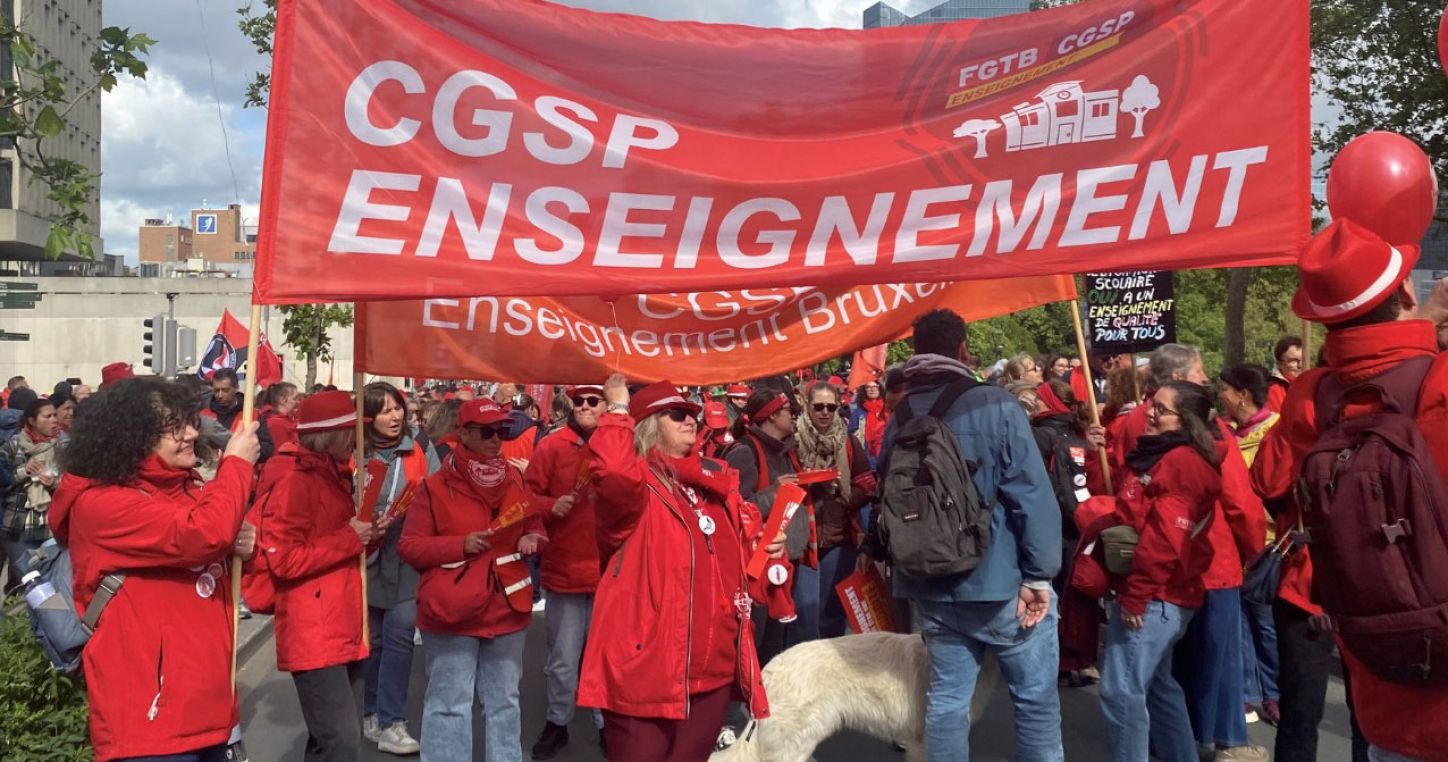
Belgium: trade unions and civil society stand united against rising energy prices and government reforms
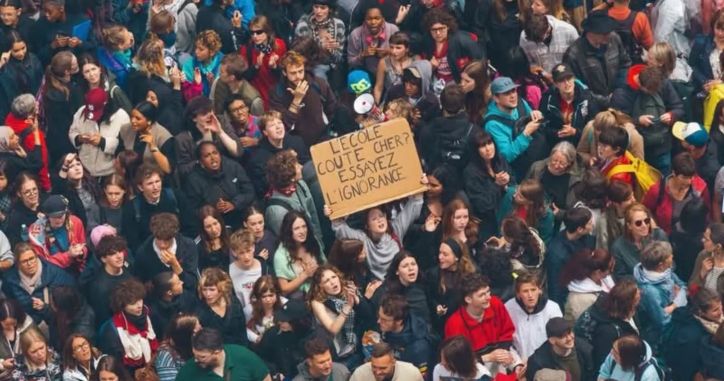
Rising energy prices and the anti-social reforms put forward by the federal “Arizona” coalition government prompted tens of thousands of people to respond to the call from Belgium’s joint trade union front, formed by the CSC, FGTB, and CGSLB.
The day of action was one of a series of protests held in recent months. It was also held on the eve of a crucial parliamentary vote on a pension reform bill, which includes the introduction of a “pension penalty”, a measure widely opposed by the trade union movement.
Pensions, purchasing power, and indexation at the heart of the demands
At the heart of the public outcry are the attacks on pensions, the loss of purchasing power, the challenging of automatic wage indexation, and the deterioration in working conditions. At a time marked by soaring energy prices and persistent economic uncertainty, the trade unions firmly condemn these policy choices, clearly labelling them as “anti-social”.
For the joint trade union front, the facts are clear: “The workers of this country have contributed enough to the effort. It is time to seriously contemplate a fair contribution from those with the ‘broadest shoulders’.”
The trade unions also point out that “the cost of the Arizona reforms are being shouldered exclusively by the workers. It is time to start looking for money from other pockets, to lift the taboo surrounding tax revenues and introduce a wealth tax.”
Disruption across many sectors
As with the previous days of action, the impact of the mobilisation on 12 May was significant. Transport, airports, and several public services were severely disrupted, reflecting the scale of social discontent and the union movement’s determination to make its voice heard.
Education and civil society on the front line
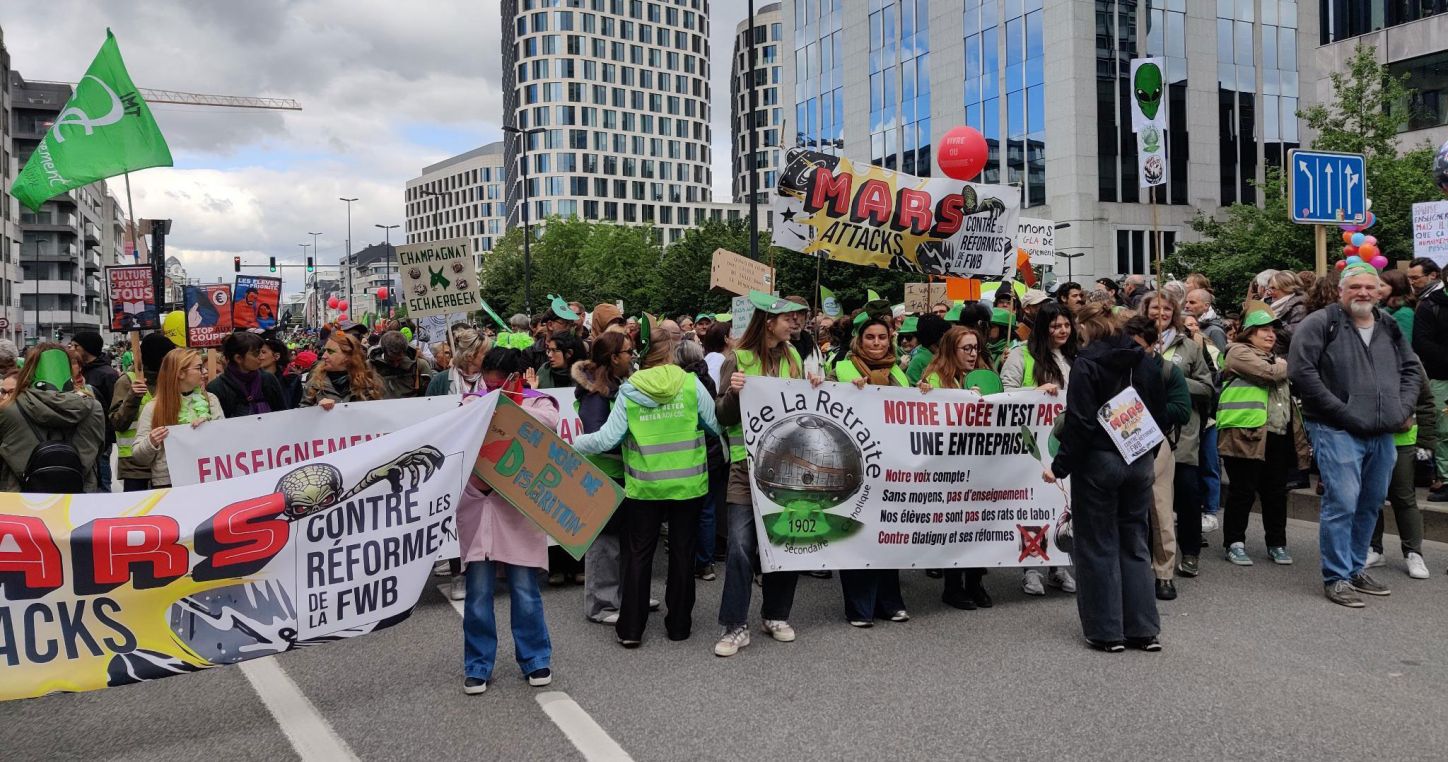
The mobilisation has gone far beyond traditional trade union boundaries. Numerous civil society organisations have pledged their support, particularly in the education sector, a direct target of several contested reforms.
The cross-network education collective in the Wallonia-Brussels Federation, Mars Attacks!, called on all education stakeholders to join the nationwide mobilisation. The collective has condemned the government for “outrageously targeting education” and warns that its policies are widening the inequalities in education and society.

The collective draws particular attention to the scrapping of free school meals for primary school pupils, the application of circulars even before laws have been passed, and the shifting of financial responsibilities onto families. “You realise that the school system is headed straight for disaster because it’s being run by a government without moral or legal principles,” says the collective.
Education unions’ ongoing demands and concerns
Belgian education unions, with the support of parents and pupils, have already organised several protests in 2026 in the Wallonia-Brussels Federation to voice their concerns “about austerity policies targeting young people and jeopardising the future of our children and young citizens”.
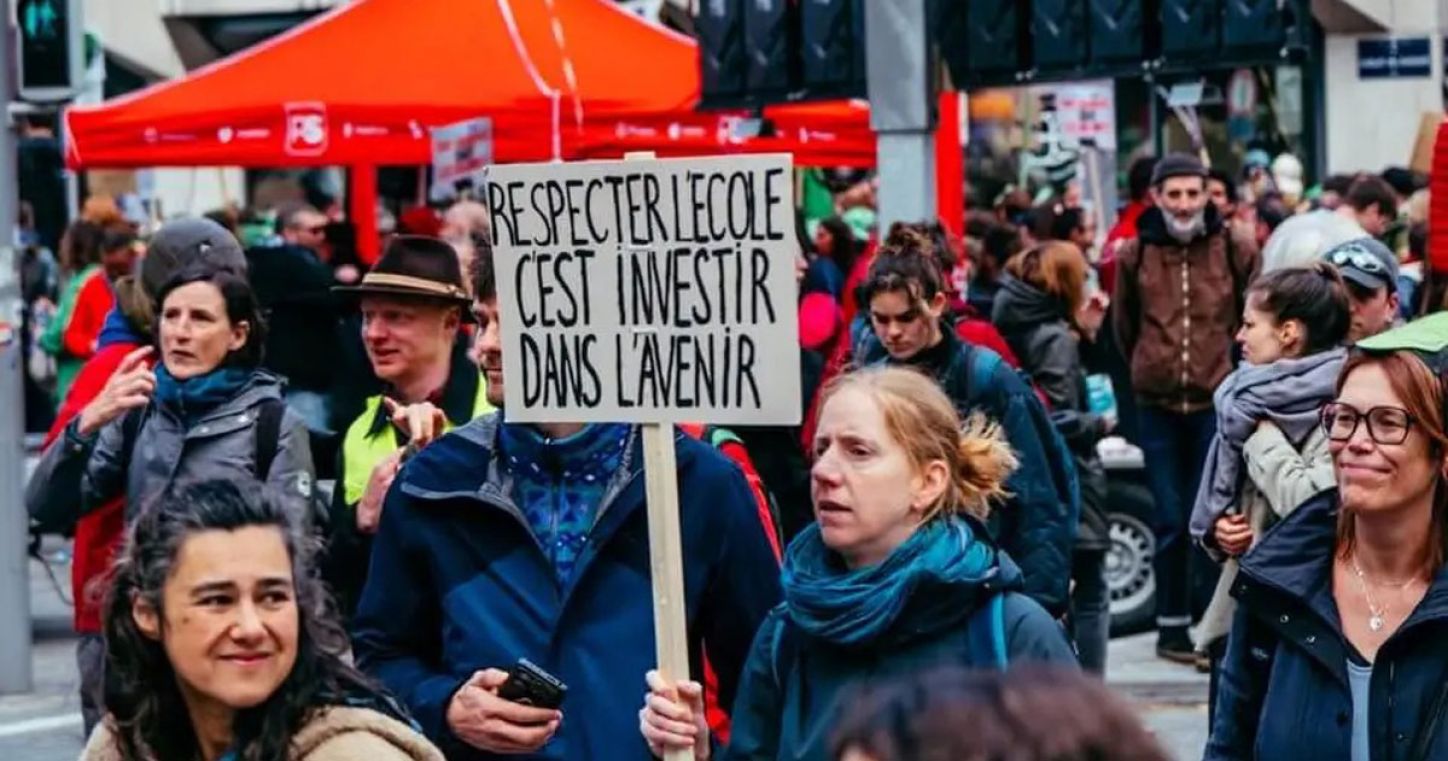
In their view, “current policy decisions are putting staff, pupils, and the future of the public service at risk”. They explain that the budgetary excuse is not valid; the measures taken have a negative impact on education staff, directly affect schools’ resources, strip the profession of its meaning, lead to a weakening of public education, and risk exacerbating inequalities, both for pupils and education teams.
They therefore reject “an education system that excludes rather than supports and empowers” and condemn “the uncertainty and chaos imposed” by current policies and “this government, which turns a blind eye to the plight of young people”.
They are calling for “quality, free education that is accessible to all”, “education that empowers, not education that crushes the most vulnerable”, and “policy measures that reduce inequalities rather than exacerbating them”.
These demands echo those defended by Education International’s Go Public! Fund Education campaign, which is an urgent call for governments to invest in public education, a fundamental human right and a public good, and to invest more in teachers, the single most important factor in achieving quality education.