Belgium: budget cuts to state education adopted in a denial of democracy
Despite strong public opposition and strike action in schools across the Wallonia-Brussels Federation (FWB) called by a united front of education unions, the FWB Parliament, meeting in a plenary session, voted in the early hours of 5 June to approve the government’s planned cuts in education spending.
Austerity measures in education approved
Following a debate lasting 14 hours, the Parliament of the Wallonia-Brussels Federation of Belgium finally approved, at 4 am on 5 June, the education cuts proposed by the MR-Engagés coalition government.
The package of measures adopted includes, for example, a 10% increase in working hours, without additional pay, for upper secondary school teachers, reduced sick leave entitlements for permanent teachers and a tightening of end-of-career arrangements. It also paves the way for an increase in tuition fees to €1,194 for 58% of higher education students as of the start of the next academic year. Cuts will also be made to school meals and, as of 2027, contract teachers will no longer receive permanent employment status.
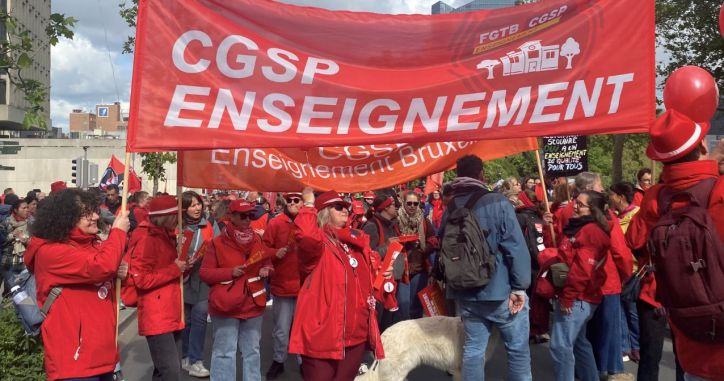
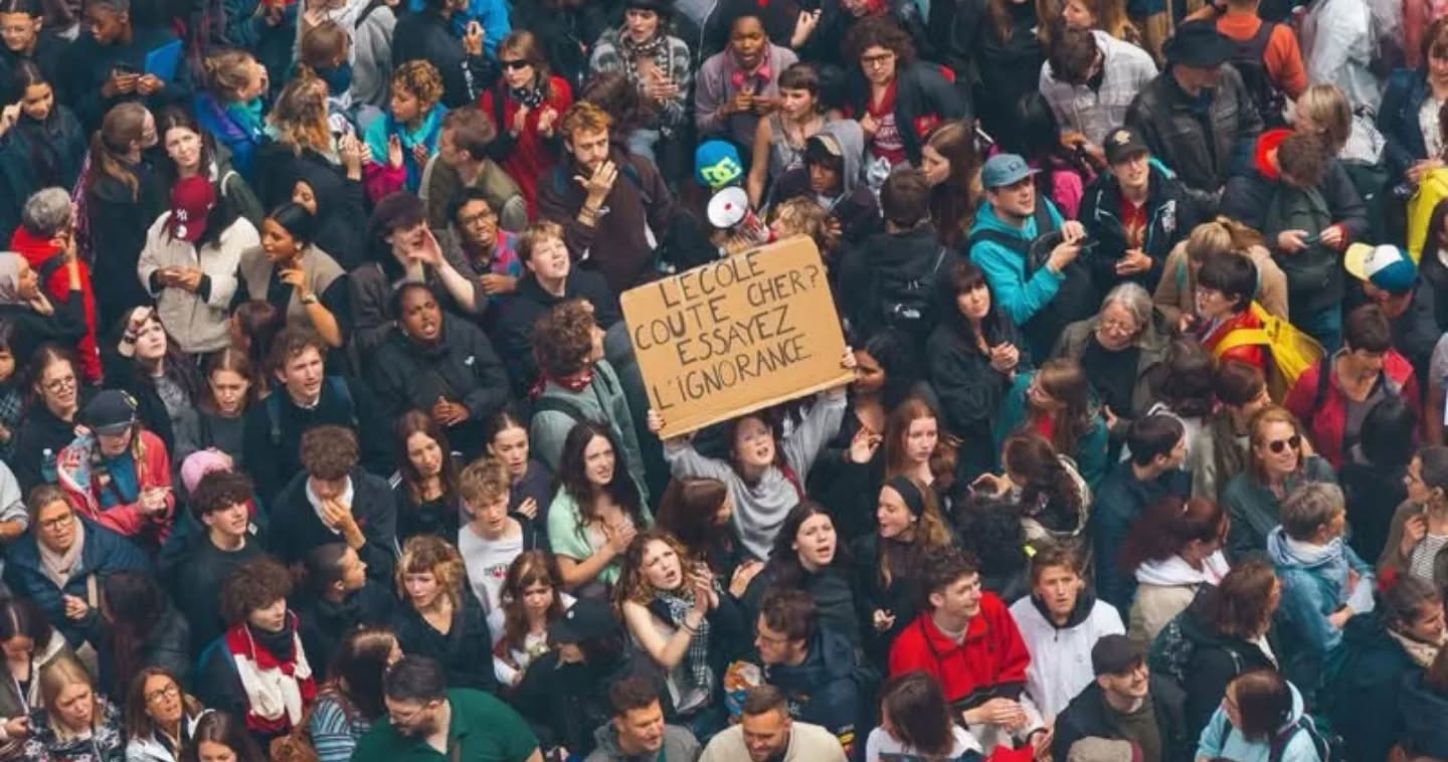
This plan has been the subject of strong public protest for several months and, on 4 June, several thousand people, many young, gathered outside the Parliament building, which was protected by a heavy police presence.
A trade union front comprising organisations affiliated to Education International, CGSP-FGBT, CSC-Enseignement and SLFP, has warned that “these austerity measures will drastically reduce the resources available for supporting young people, worsen the working conditions of the staff to whom they are entrusted, and plunge the education system into chaos”.
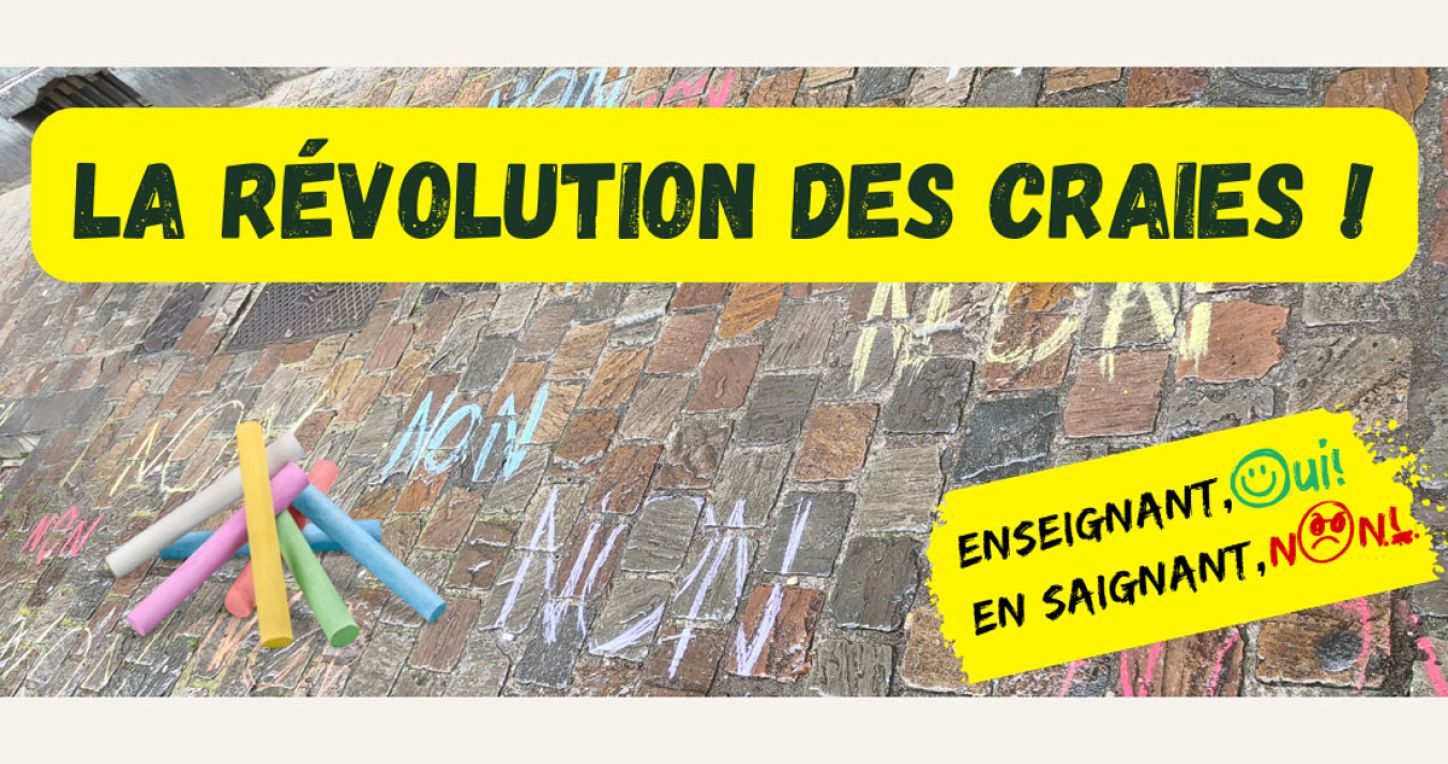
Chalk at the ready, citizens!
The unions also argued that, pursuant to article 26.7 of Parliament’s rules, a draft decree could only be debated in plenary session at least 84 hours following its approval by the Budget Committee, that is, no earlier than 7 June.
Despite this, despite all opposition representatives voting against it, and despite the text under discussion being of major importance to the education and higher education sectors, the MR and Les Engagés decided to convene a plenary session on 4 June, to push through a vote on the decree as quickly as possible, the unions explained.
In their view, the government decided to “force through its draft decree on Thursday 4 June, in defiance even of the rules governing the workings of parliament. It hopes, in so doing, to nip in the bud an ever-growing social movement.”
The unions also stressed that “this sets a very serious precedent for our democratic institutions, bringing about an irreversible breach of trust. Nothing justifies representatives circumventing the rules, especially to impose highly contested measures. The rules guarantee fair democratic practice. By flouting them, the majority is not merely committing an irregularity, it is undermining parliamentary democracy, turning Parliament into a mere rubber-stamp chamber.”
As a result, they issued a statement calling on their members to strike on 4 June, to stage “a day of exceptional action to remind this government that democracy is not the dictatorship of those who win a five-yearly election” and “cannot work without universal access to quality education, constructive social dialogue and respect for the rules governing the workings of institutions”.
The trade union coalition has also called on the public to show their support for the “Chalk at the ready, citizens!” movement.
The opposition, along with the trade unions, has called for the immediate resignation of the Speaker of the FWB Parliament, Benoît Dispa.
Go Public! Fund Education
Trade unions at European and international level have expressed their solidarity with Belgium’s education workers.
Jelmer Evers, Director of Education International’s regional structure for Europe, the European Trade Union Committee for Education (ETUCE), acknowledged that “these decisions clearly run counter to the needs of public education in Europe. Cutting resources, increasing teachers’ workloads and circumventing the rules of democracy will only exacerbate the crisis. Through our Go Public! Fund Education campaign, we are calling on governments to opt to invest in education, pupils and teachers, rather than for austerity. Our Belgian colleagues have our full and wholehearted support in their fight for quality education.”
The global Go Public! campaign is an urgent call for governments to invest in public education, a fundamental human right and a public good, and to invest more in teachers, the single most important factor in achieving quality education.
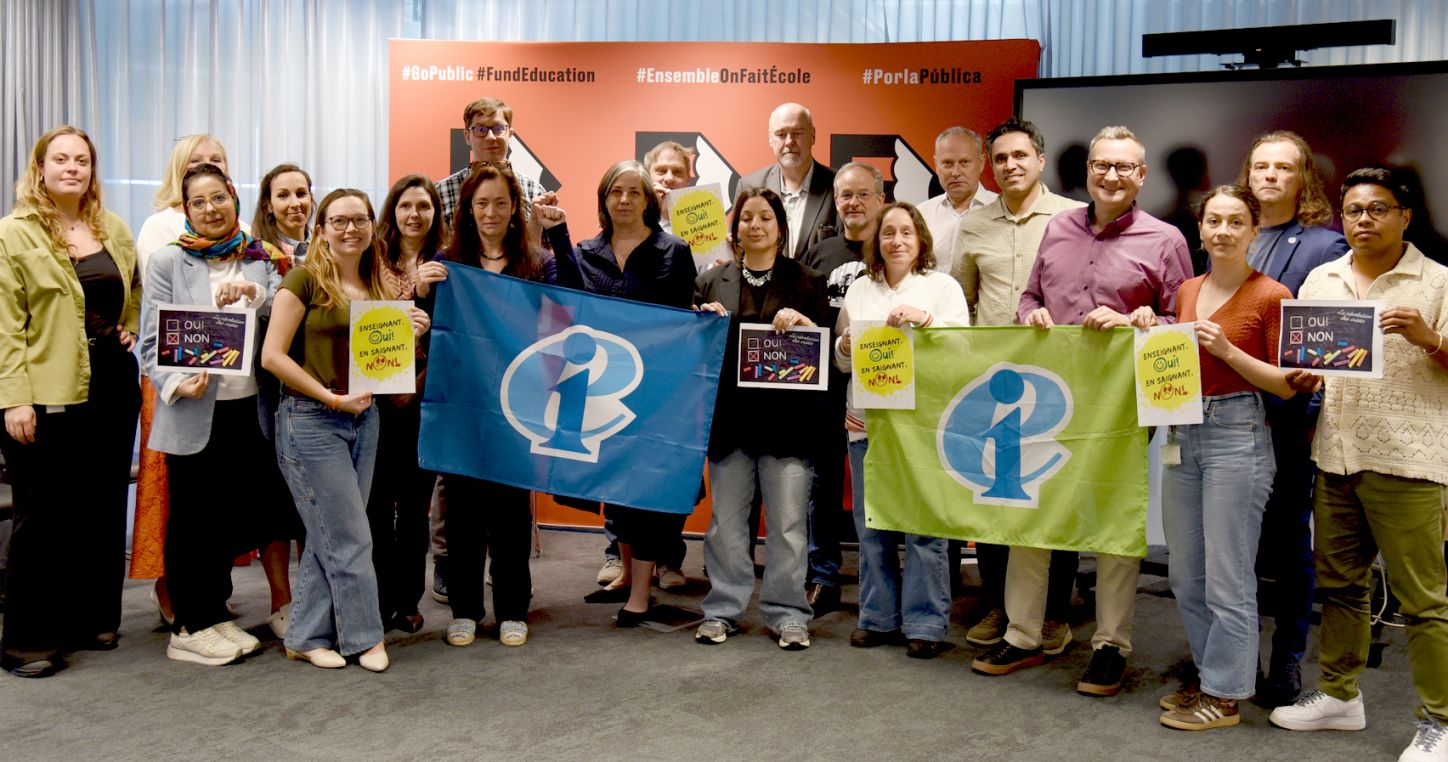
Education International stands firmly with its Belgian affiliates in their fight against these austerity measures, which can only undermine the quality of education and exacerbate the shortage of teaching staff in the Wallonia-Brussels Federation.