Southern African teacher unions’ renewed commitment to Go Public! Fund Education campaign
Education union leaders from across Southern Africa have reaffirmed their commitment to quality, inclusive, equitable and publicly financed education as a fundamental human right and a public good.
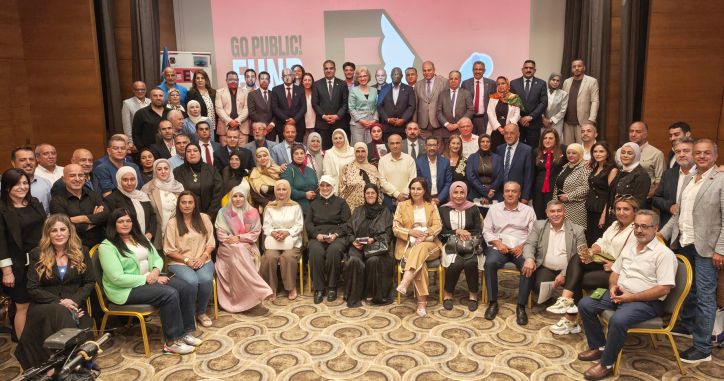
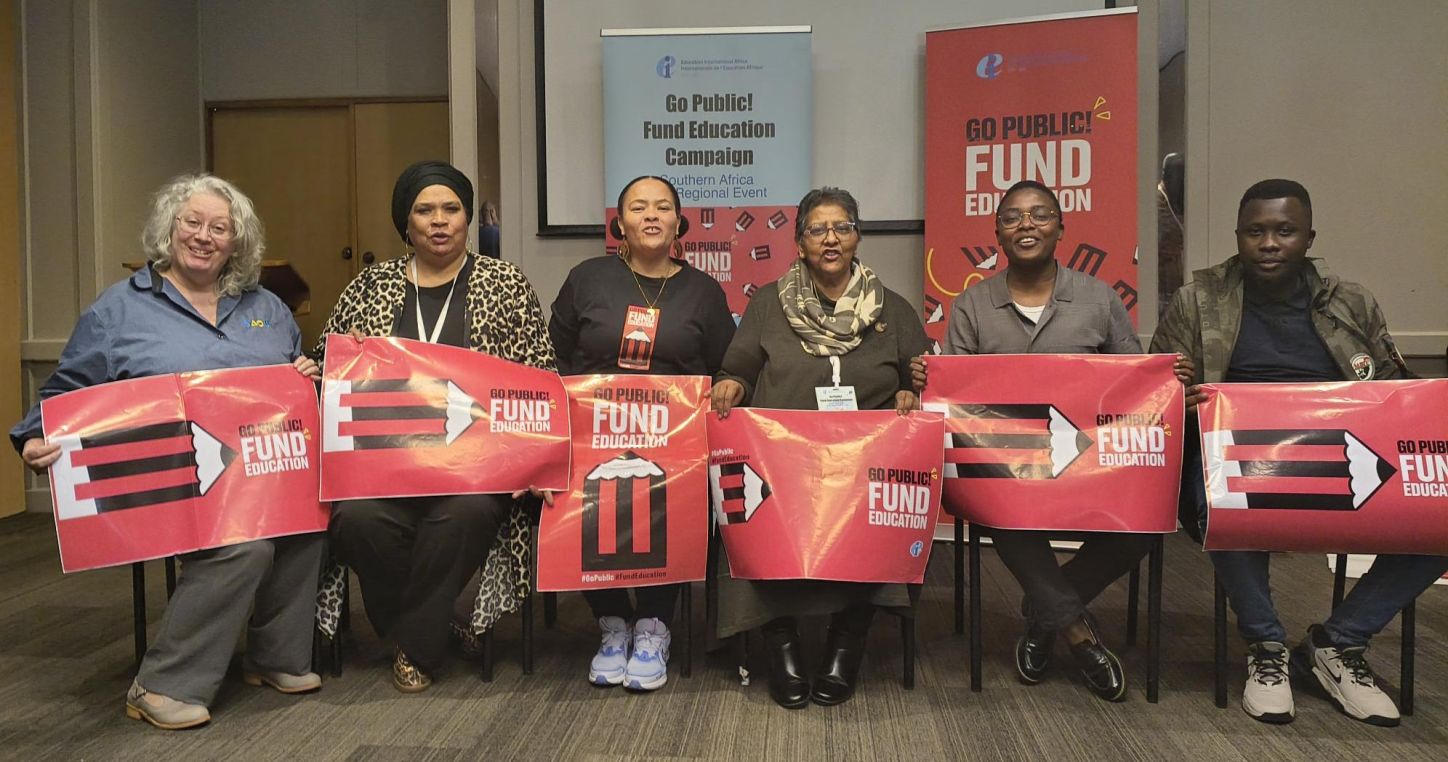
The Education International (EI) sub-regional meeting, “Quality public education begins with quality funding,” held from July 23rd-24th, 2026, in Johannesburg, South Africa, gathered 33 representatives from EI member organisations from Botswana, Eswatini, Lesotho, Malawi, Namibia, South Africa, Zambia and Zimbabwe, alongside officials from Education International, the Global Partnership for Education (GPE), and the Regional Teacher Initiative for Africa (RTIA), to strengthen collective advocacy for Education financing under the Go Public! Fund Education campaign.
“We fund what we value”
Addressing participants, EI President Mugwena Maluleke reasserted that “education is not a privilege. It is a fundamental human right and the foundation upon which just, democratic and prosperous societies are built.”
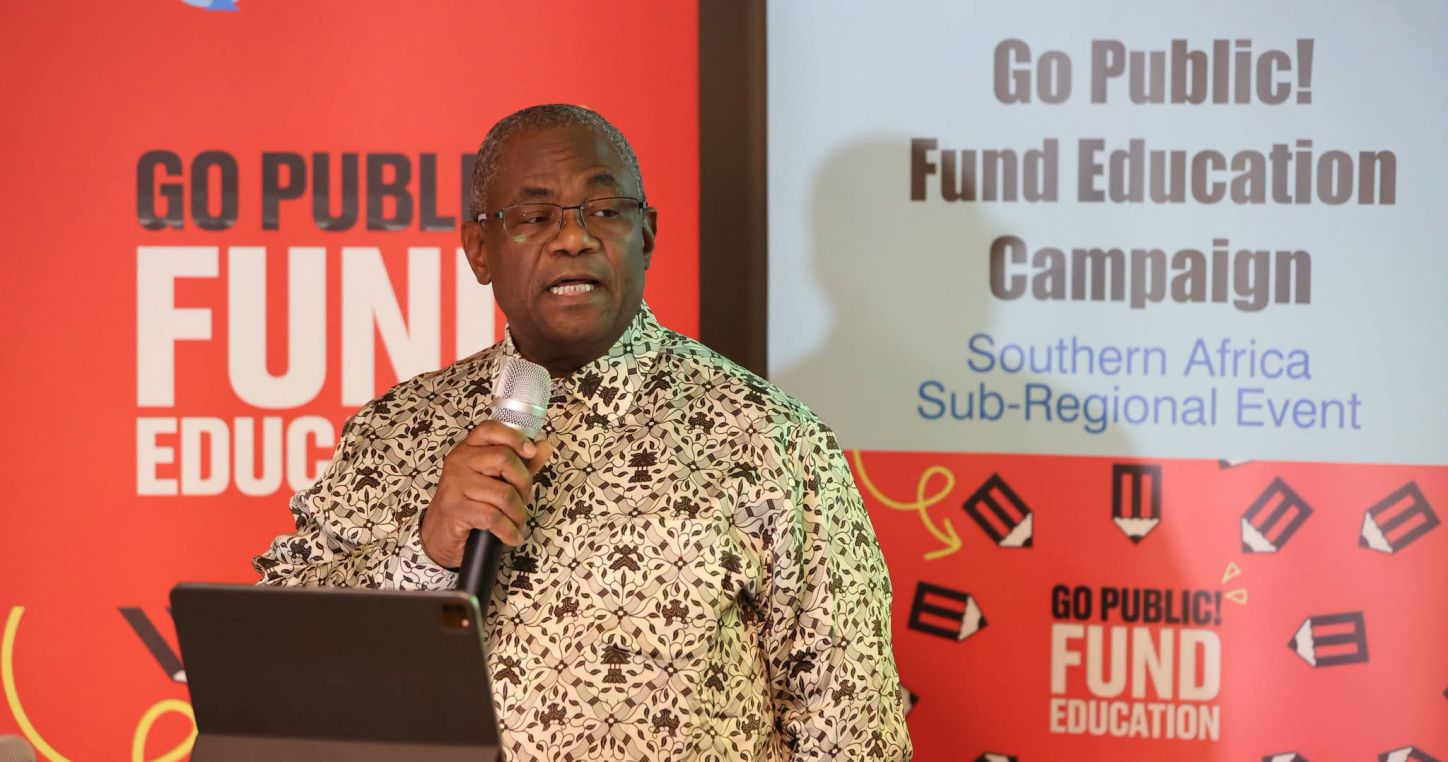
He however noted that, “across Southern Africa, the reality remains harsh. Classrooms are overcrowded, schools lack resources, teachers are overstretched, and millions of children are denied the quality education they deserve. Governments often tell us there is no money for education, no money for teachers, and no money for infrastructure and learning materials.”
For him, the question is not whether money exists, it is rather: what are our governments choosing to fund?
Across Africa, he reported, due to the international monetary structures, countries spend far more on debt repayments than on education. Money that should be building schools, employing teachers and supporting learners is instead flowing to creditors, he said, stressing that, at the same time, billions of dollars leave the continent every year through illicit financial flows, tax avoidance, and profit shifting.
“These are not economic accidents. They are political choices,” Maluleke explained. “When teachers are denied decent salaries, when recruitment is frozen, and when schools crumble while wealth accumulates in the hands of a few, we must speak honestly about injustice. We must challenge austerity policies that place debt before development, creditors before children, and profits before people.”
He went on reminding the Go Public! campaign is not simply about increasing budgets. “It is about building a different vision of society – one where public education is recognised as a public good, where teachers are respected as professionals, and where every child has access to free, inclusive and quality public education regardless of their background.”
The EI leader also reiterated the education unions’ demands globally: Fully fund public education; invest at least 20% of national budgets in education; recruit and retain qualified teachers; end austerity measures that undermine public services; advance tax justice and stop illicit financial flows; and reject the privatisation and commercialisation of education.
He also highlighted that “we fund what we value. If we value our children, our future, our democracy and our development, then we must fund public education accordingly. Budgets are moral documents. They reveal our priorities. Let us therefore demand that governments put their money where their promises are and invest in the future through quality public education.”
“Let us organise. Let us mobilise. Let us act. Because we fund what we value, and there is no greater investment than the education of our children. The future of our nations depends on it,” he concluded.
Identifying advocacy spaces where EI and education unions can act
Also addressing participants, EI Africa Regional Director Dr Dennis Sinyolo stressed that greater investment in teachers, education support personnel, infrastructure, teaching and learning resources are required throughout the continent.
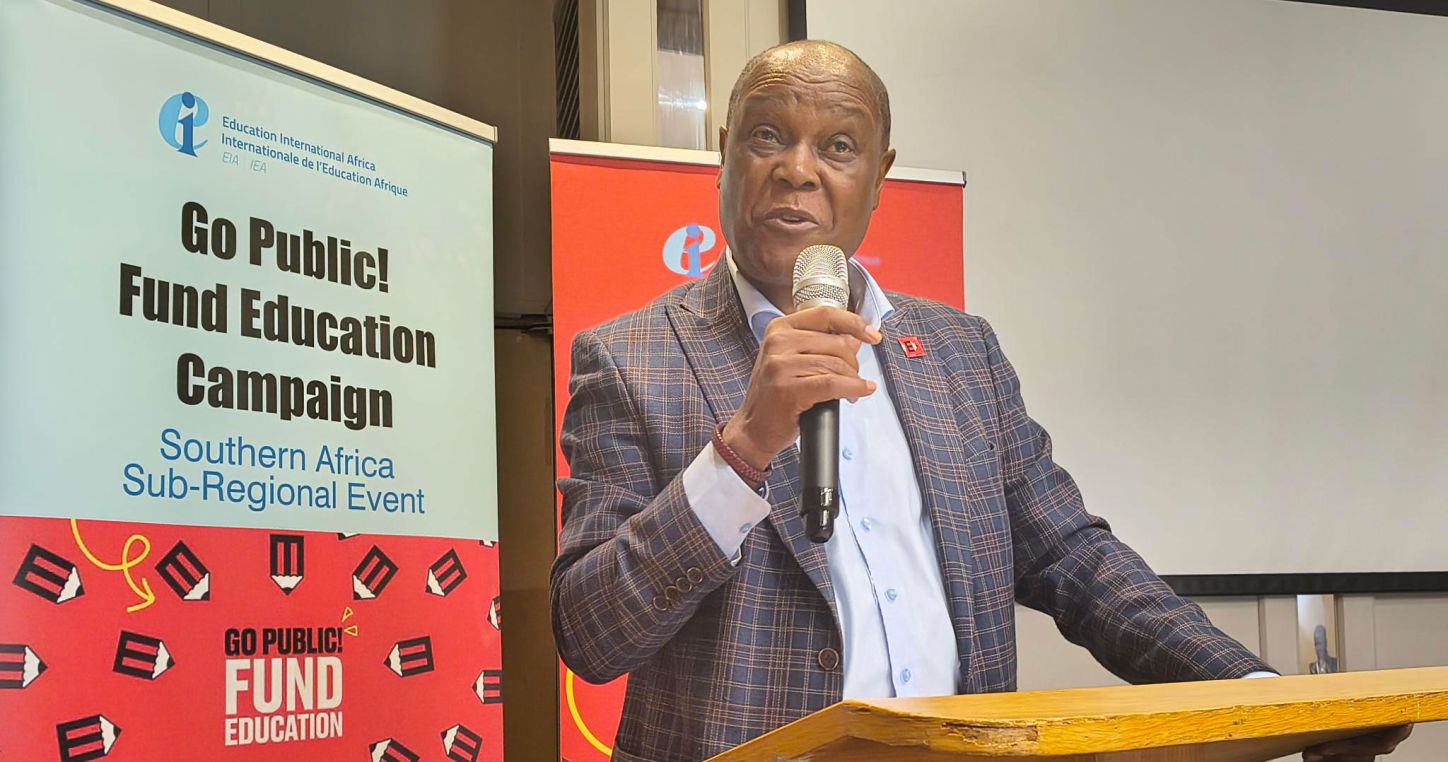
He also identified spaces where EI and teacher unions can be present and advocate for increased funding in public education. There are clear opportunities for engaging with the African Union and the Southern African Development Community, he said.
Mentioning the Decade of Accelerated Action for the Transformation of Education and Skills Development in Africa launched in Addis Ababa, Ethiopia, in October 2025, he said that the Decade, in line with the Agenda 2063 – The Africa We Want and the Sustainable Development Goal (SDG) 4, is anchored on three major continental frameworks: the African Union’s Continental Education Strategy for Africa 2026-2035; the Science, Technology and Innovation Strategy for Africa ; and the Continental Technical and Vocational Education and Training.
The Decade is guided by three main commitments, : end learning poverty and ensure foundational literacy and numeracy for all African children; elevate the teaching profession, ensuring teachers are trained, valued, and empowered; and align education with the future of work, emphasising digital transformation, innovation, and skills relevant to green and digital economies.
After participants reported on the campaign efforts in their respective countries, he commended them, saying: “You have painted clearly what the context is, the challenges you face, and more importantly the progress you have made despite the challenges.”
He further encouraged unions to engage in evidence-based advocacy and to use strategic regional and continental platforms to influence policy and budget decisions.
EI’s Go Public! Fund Education Campaign Manager, Angelo Gavrielatos, highlighted the global teacher shortage crisis and outlined strategies for teacher unions to mobilise members, engage policymakers, and build public support for education financing. He also stressed that the UN Recommendations on the Teaching profession are key tools teacher unions can use to lobby governments for increased investment in public education.
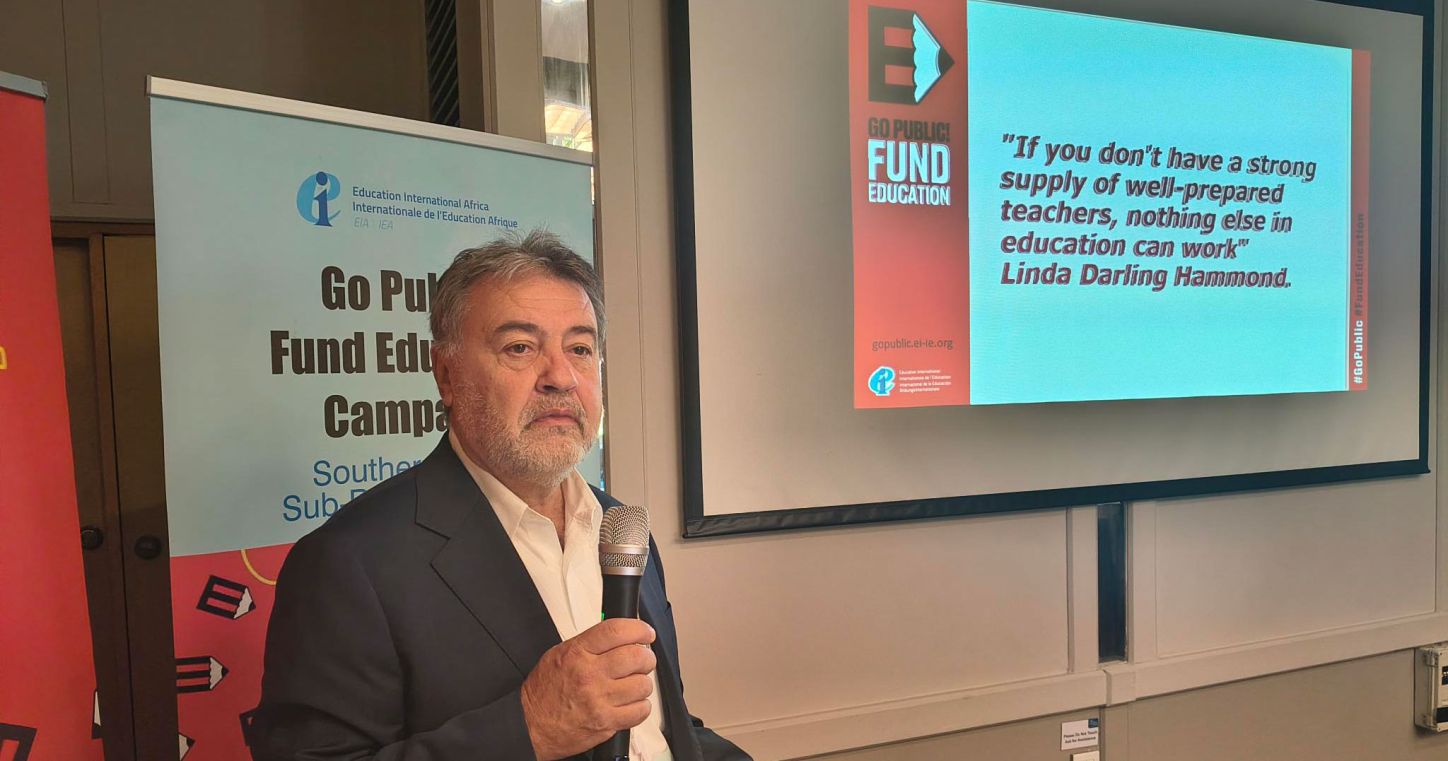
Investing in education at country level
Sharing examples of how the Global Partnership for Education supports countries in the region through grants, technical assistance, and reforms aimed at improving teaching quality, equity, accountability, and domestic education financing, GPE Senior Partnerships Specialist April Golden acknowledged that teachers shape public opinion, influence fiscal decisions, and hold governments accountable.
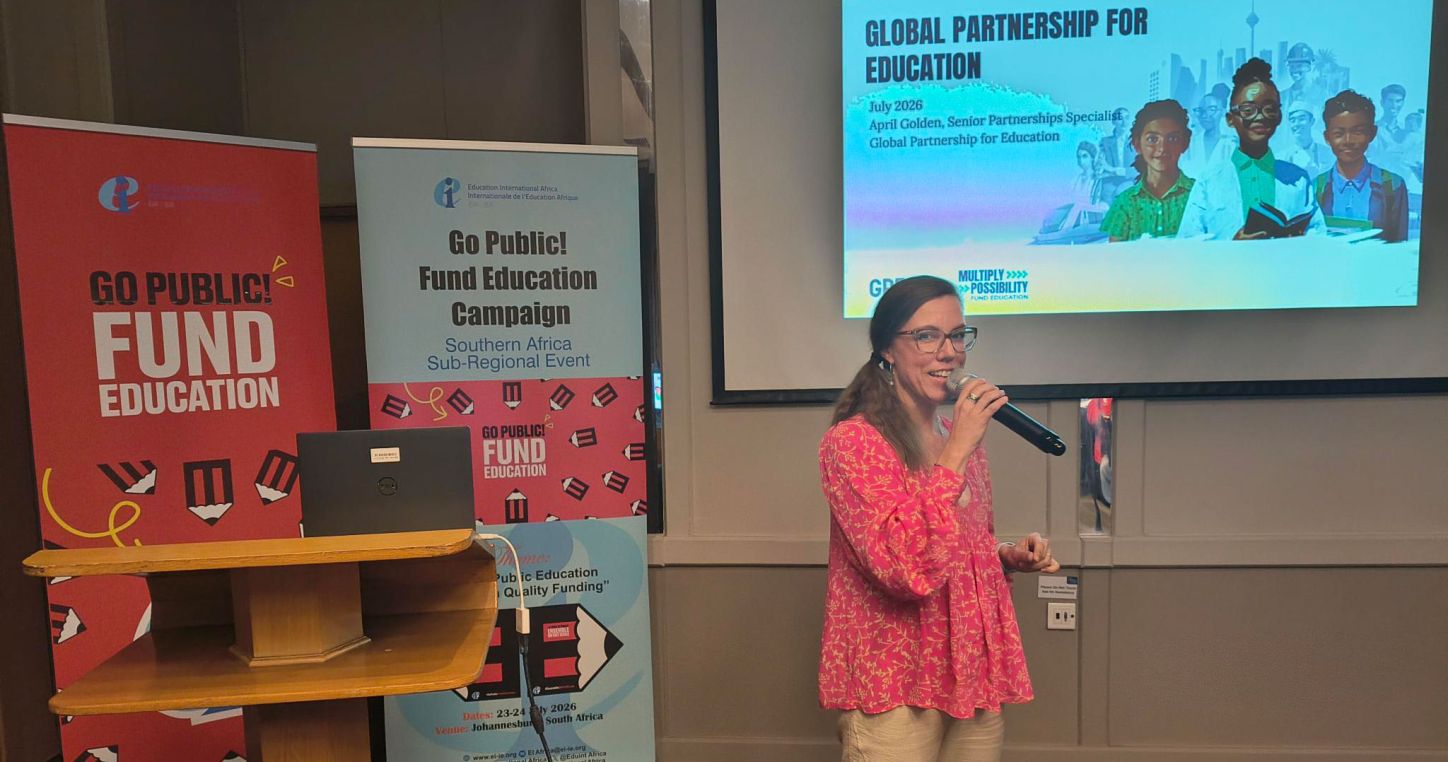
She also underlined a paradox: while education is the most powerful source of resilience, yet it is being deprioritised when it matters most.
She went on to explain that GPE organises local education groups, acting as country level platforms for education planning, monitoring, and dialogue.
GPE has been working with EI to find ways to bring teachers into policy dialogue spaces, she also agreed.
She also reported on GPE funding-adjustment for Eswatini, Lesotho, Malawi, Namibia, Zambia, and Zimbabwe, and insisted on a dual approach to education financing: raising funds for GPE, as well as raising domestic budgets.
Johannesburg Declaration on Financing Public Education
The teacher education leaders also adopted the Johannesburg Declaration on Financing Public Education.
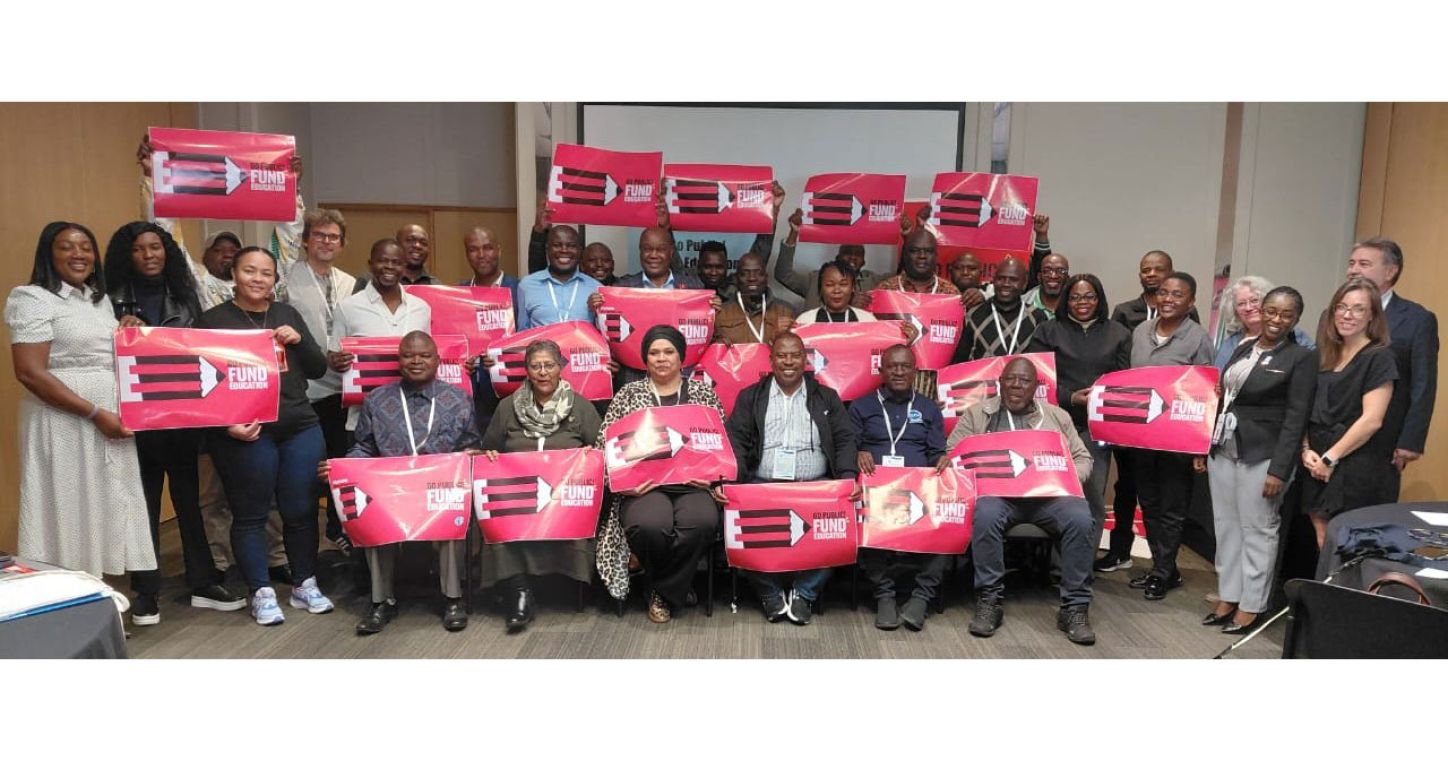
The declaration recognises that “education is central to sustainable development, social justice, economic transformation, peace and democratic participation,” and that “no education system can exceed the quality of its teachers and that sustained investment in the teaching profession is essential for delivering quality education for all.”
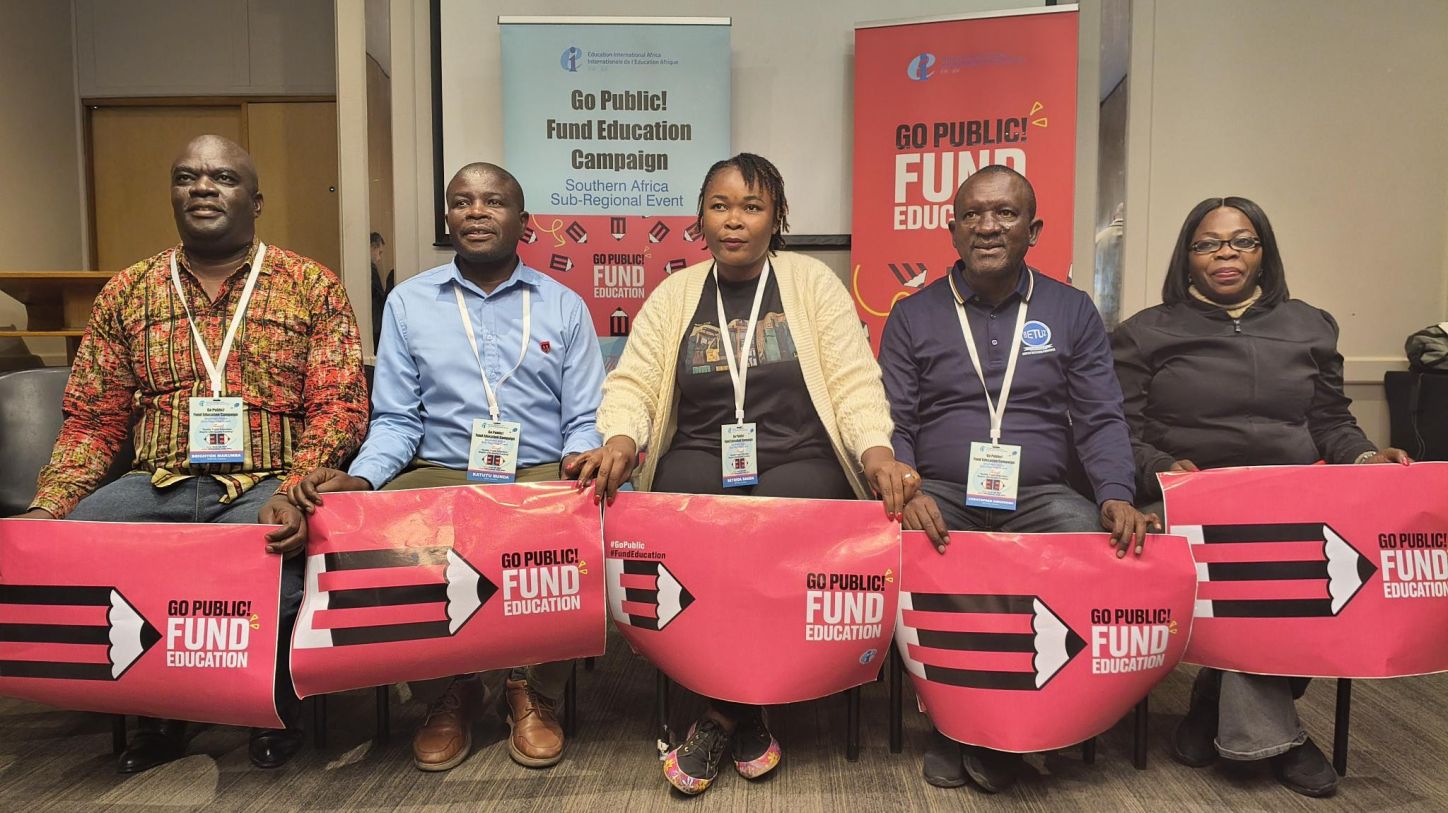
It also expresses “deep concern over the teacher shortage and infrastructure crises caused by chronic underfunding of public education across Southern Africa.”
It calls on Southern African Development Community’s member states and all education stakeholders to:
- Increase public investment in education by meeting the internationally agreed education financing benchmarks of 6% of GDP and 20% of the national budget;
- Prioritise investment in the teaching profession, including teacher training, recruitment, professional development, decent salaries, and improved conditions of service;
- Strengthen public education systems through investment in infrastructure, teaching and learning materials, digital resources, and safe learning environments;
- Reject policies that commercialise or privatise public education at the expense of equity, quality and social justice;
- Promote social and policy dialogue by engaging education unions and their members in the design, implementation and monitoring of education policies;
- Implement the UN Recommendations on the Teaching Profession as a pathway to strengthening education systems and achieving SDG 4;
- Support tax justice and progressive domestic resource mobilisation to ensure sustainable financing for quality public education; and
- Protect education as a public good and a human right, ensuring that every child, youth and adult has access to free, inclusive and quality public education.
It also urges EI member organisations to “expand and accelerate national and regional mobilisation under the Go Public! Fund Education Campaign, strengthen alliances with civil society, parents, learners, parliamentarians and development partners, and intensify advocacy aimed at securing increased and sustainable public investment in education.”
EI affiliates should also “monitor government commitments, sharing evidence and experiences across the region, and collectively advancing the vision of strong, well-resourced and fully funded public education systems that leave no one behind.”
You can read more about this meeting on the EI Africa website.