Education support personnel and education unions unite for gender justice
This year’s World Education Support Personnel (ESP) Day, May 16th, is an opportunity to celebrate, thank, and organise alongside ESP. Education International (EI) and its member organisations are focusing on gender justice in 2026. This reflects a structural reality across education systems worldwide: education support roles are highly feminised, systematically undervalued, and too often characterised by low pay, insecurity, and excessive workloads. They are also the targets of harassment and violence.
This gender injustice is not accidental—it is produced by austerity, privatisation, sexist labour markets, and the historic devaluation of care and support work:
- Work that is feminised is underpaid and underprotected.
- Insecure contracts and outsourcing disproportionately impact women.
- Gender-based violence and harassment are present in education workplaces.
- Racialised, Indigenous, migrant, disabled, and LGBTI+ women ESP face compounded discrimination.
Fighting for ESP rights is therefore a core feminist and trade union struggle.
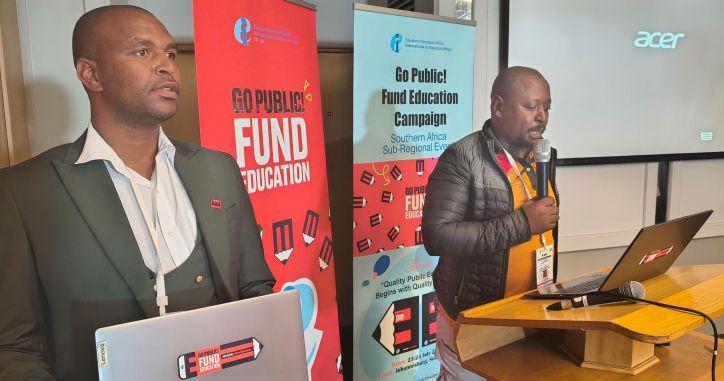
As EI President Mugwena Maluleke stressed: “When we speak of gender justice, we speak with an intersectional voice. We speak for women ESP with disabilities. For Indigenous women, Black women, and women of colour. For LGBTI+ ESP. For migrant workers. For every woman whose voice is left out of the conversation."
"To every ESP woman in our schools and universities: we see you, we value you, and we are with you," he added.
Education International policy on Education Support Personnel (ESP)
Education support personnel are essential to quality public education and to safe, inclusive learning environments. Their work must be fully recognised and properly valued. Education International policy is clear: ESP must enjoy the same rights, status, pay, and working conditions as other education personnel with comparable qualifications and experience, as set out in the EI Declaration on the Rights and Status of ESP.
This Declaration also affirms that all aspects of ESP preparation, employment, and remuneration must be free from discrimination. However, unions consistently report that discrimination remains widespread. Women ESP — particularly those who are non white, Indigenous, LGBTI+, or living with disabilities — face unequal pay, insecure work, limited career progression, and exclusion from decision-making in education systems.
As recognised in the Aveiro Statement, education unions are key to organising for workplaces that are free from violence, harassment, and intimidation and for quality working conditions necessary for gender equality. The statement also calls for increased domestic and international public education financing and specific funding for education support personnel, to ensure regular salaries and fair working conditions.
Unions also play an essential role in defending the well-being of ESP. The EI World Congress Resolution 2024 on Teacher and ESP Well-being highlights the unmanageable workloads and demands that negatively impact the work life balance of ESP. These pressures disproportionately affect women due to unequal care responsibilities at work and at home. These challenges are further intensified by the growing use of artificial intelligence in education, often introduced without consultation, safeguards, or concern for workers’ rights.
Gender justice for ESP will not happen without organising. It requires strong unions, collective bargaining, and sustained action to secure fair pay, safe workplaces, manageable workloads, and full respect for the rights and dignity of all education support personnel.