Air raid sirens, power outages, danger, and uncertainty: a day in the life of a teacher in Ukraine
Sign up
Sign up for the Worlds of Education newsletter.
Sign up
Sign up for the Worlds of Education newsletter.
Thank you for subscribing
Something went wrong
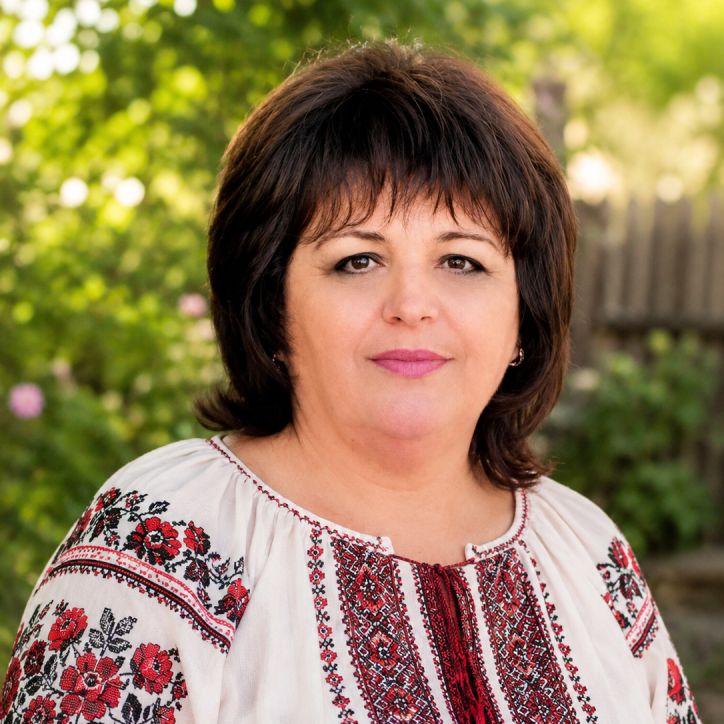
My name is Natalia Tereshchenko. I am a teacher of world literature and the Ukrainian language in the town of Kamyanske, Kryvyi Rih region. I work with students in grades 5–11. I have 36 years of teaching experience.
I’ve always wanted to be a teacher. I never doubted my choice of profession, because I grew up in a family of teachers. My grandparents worked at a school their whole lives, and from an early age I saw how much heart they put into their work. What I remember most isn’t how they prepared for lessons or checked homework, but their meetings with former students. Already grown-up and successful, these people would greet them warmly, thank them, and recall their school days. It was then that I realised a true teacher remains an important person in their students’ lives even many years later. This became the main reason for me to choose this profession.
I teach world literature because I believe that books help us better understand not only the world but also ourselves. Today, when our children are living amid war, air raid alerts, and constant uncertainty, literature classes often become a place where we can speak honestly about fear, choice, responsibility, and humanity.
My students inspire me deeply. They aren’t afraid to ask uncomfortable questions or stand up for their own opinions. That’s what reminds me time and again why I stay in this profession. I want my students to leave my classes not only with knowledge about books, but also with the ability to think, empathise, and remain human under any circumstances.
Teaching in wartime
Being a teacher today isn’t just about teaching a subject, it’s a daily act of flexibility, resilience, and emotional control. A workday in a hybrid learning environment, amid air raid alerts and power outages, is an exhausting marathon where plans fall apart every minute.
Here’s what a day looks like:
7:30 am- The day begins with checking power outage schedules, news channels, and chat groups. The power is out. I need to think quickly which group is in school today, who’s staying online, and are my power banks, laptop, and phone charged? The main question of the morning: “Will I manage to teach the online class before the connection drops?”
08:30 am - We connect to the lesson via mobile internet, which is barely holding up. The screen shows black squares instead of the students’ cameras, because they don’t have any light either. I try to explain the topic in an engaging and interesting way, but the connection keeps cutting out. Every five minutes, someone “gets kicked out” of the conference. I’m talking into the emptiness, not knowing if the kids can hear me. This triggers the first wave of mental exhaustion, a feeling of helplessness and futility.
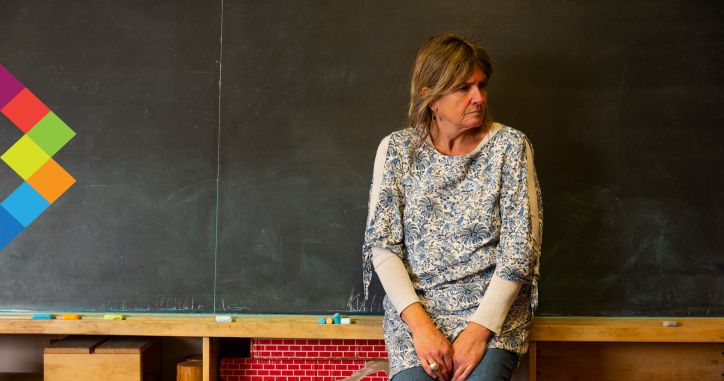
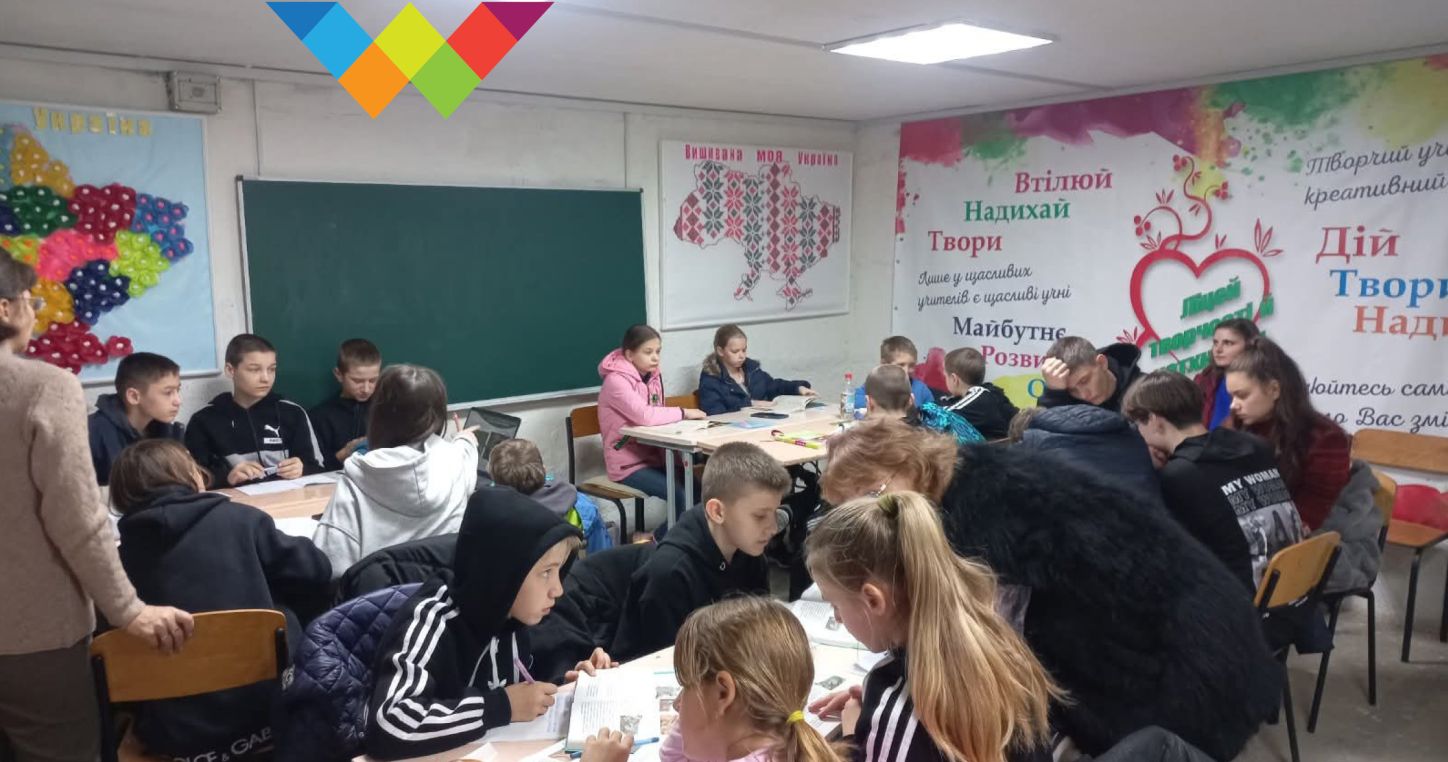
10:00 am - I switch to working with the children who have come to school. The classroom is dark; it’s gloomy outside. I have to adapt very quickly. The presentation on the interactive whiteboard is cancelled, so we return to the usual chalk and textbooks.
The children are nervous and anxious from lack of sleep (because the sirens were wailing all night, too). Instead of teaching, the first 15 minutes are spent simply calming the class down, getting their attention, and giving them at least some sense of stability.
11:15 am - Siren. Heading to the shelter. A long, shrill air-raid siren sounds. My heart sinks, but as a teacher, I mustn’t show my fear. We begin the evacuation. Quickly but calmly, without panic, I organise the children, check to make sure everyone has their emergency backpack (which should contain water, some food, and warm clothes), and we head down to the shelter. It’s stuffy and noisy in here, since the whole school has gathered. The emotional tension is off the charts. Some of the children start crying, some withdraw into themselves, and others, on the contrary, become hyperactive from stress. Teachers turn on the flashlights on their phone and try to continue the lesson or simply distract the children with stories, games, and songs.
Psychologically, this is the hardest moment. We have to be a rock for these children, when inside we are trembling with anxiety for our own families and the future.
2:00 pm - Exhausted parents pick up their children. We return to an empty, cold classroom. The moment of the so-called “crash” sets in. My energy is drained. I need to check a pile of homework, some of it sent via messaging apps as blurry photos, some written by hand. My eyes ache from constant strain and poor lighting.
6:00 pm- I return home, where the power might also be out. Since blended learning requires double the work (preparing for both those in the classroom and those online), I write out plans for if the power comes back on and if there’s another emergency alert. This day leaves me with a deep sense of guilt: “I didn’t have time to cover all the material”, “I couldn’t give everyone my full attention”.
I go to bed with a headache from the constant noise, tension, and staring at screens. But the strangest thing is, as I fall asleep I think: “The main thing is that the children are safe, we’ll catch up on the lesson later.”
This is a day when you work not only as a teacher, but also as a psychologist, a guiding light, a protector, and a source of comfort. And this work is sustained solely by boundless love for the children and incredible inner strength.
Our solidarity is our strength
At our high school, the union plays a major role. It currently has 25 members. Each of us feels the support, mutual aid, and solidarity of the team. We constantly support our colleagues during difficult and joyful moments, we volunteer together and celebrate happy moments. Moral support from everyone is especially valuable during this difficult time for our country.
For me, the past year has been incredibly difficult. I was exhausted by the constant attacks. One of the airstrikes damaged my home. On top of that, I unexpectedly learned of my own diagnosis - cancer. The union leader was the first to call me and offer support. I received financial assistance from the union. Later, I learned that this was financial aid from Education International.
At times like these, you realize the importance of teamwork, the union, unity, humanity and solidarity, because these are difficult times for everyone, and it’s very important to feel supported and to know that you’re needed.
Thanks to this kind of cooperation, every teacher and staff member gains self-confidence and a sense of security, which boosts their motivation to work.
In Education International we are not alone
In the hardest moments, it’s especially valuable to feel that you’re not alone. For me, international solidarity isn’t just big words, it’s people who reached out to help us when we needed it most. It’s support that wasn’t just practical—it also gave us the feeling that Ukrainian teachers and our children are not forgotten.
Thanks to joint union initiatives, our teachers participated in trainings and workshops, had the opportunity to take a break from the difficult realities of the present and continue their professional development. Our students also had the chance to take part in projects that taught them to believe in themselves and never lose hope.
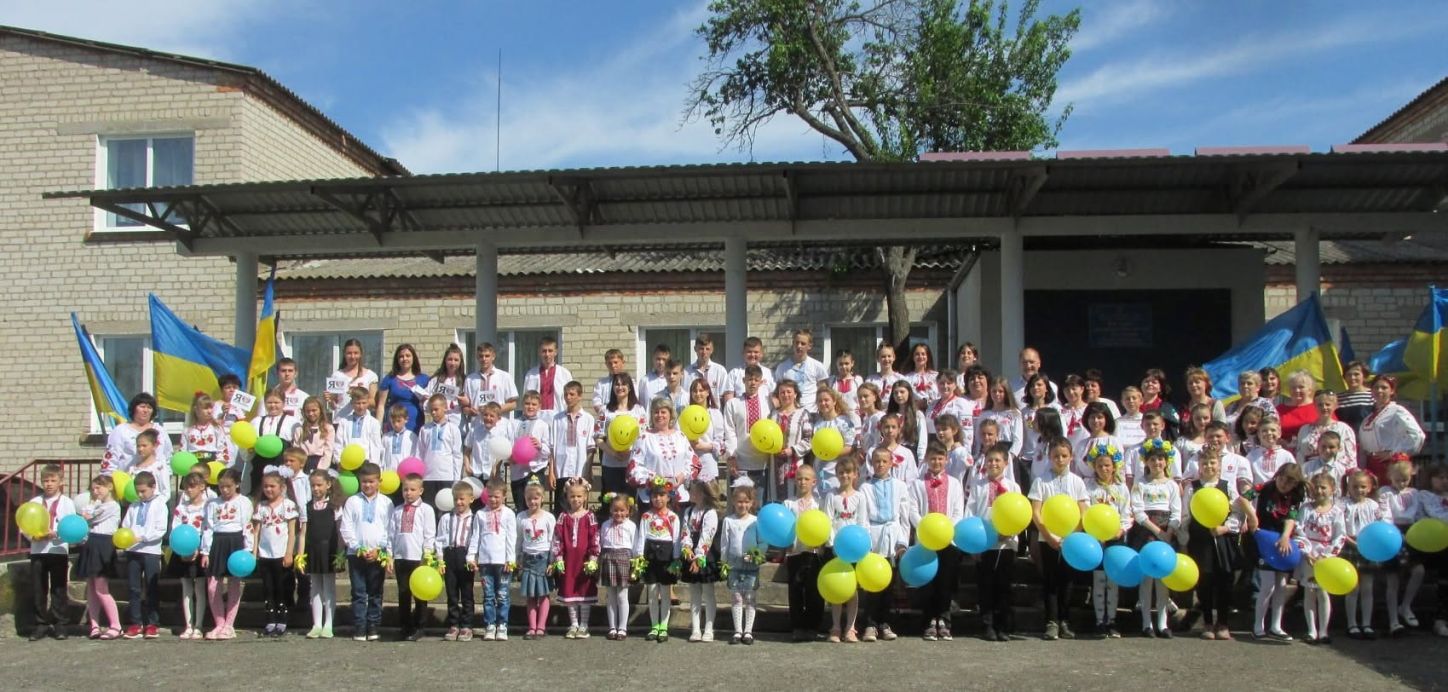
I am sincerely grateful to everyone who stood by us. At a time when the war tests our resilience every day, it is precisely these acts of international solidarity that restore our faith in people, in the power of education, and in the fact that even from a distance, it is possible to give others a sense of support and hope.
Dear colleagues, thank you for standing with us, with Ukraine, during the darkest of times.
Today we work in different countries and under different circumstances, but we are united by a single goal—to protect children. While the war continues, please help children not to lose their faith in goodness, in people, and in the power of knowledge. After all, they are the ones who will one day build a world where no child will ever again wake up to the sound of a siren.
Thank you for being here. It means so much more than words can express.
The opinions expressed in this blog are those of the author and do not necessarily reflect any official policies or positions of Education International.