Education unions pledge to fight for and lead a new era of education financing
Following the disappointing outcome of the Global Partnership for Education (GPE) replenishment meeting, education union leaders from around the world came together to demand urgent government action. Education International (EI) and its member organisations will intensify pressure on political leaders to fully fund public education and uphold every child’s right to learn.
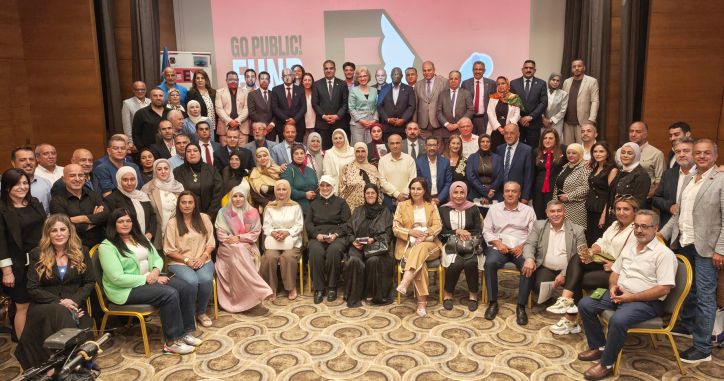
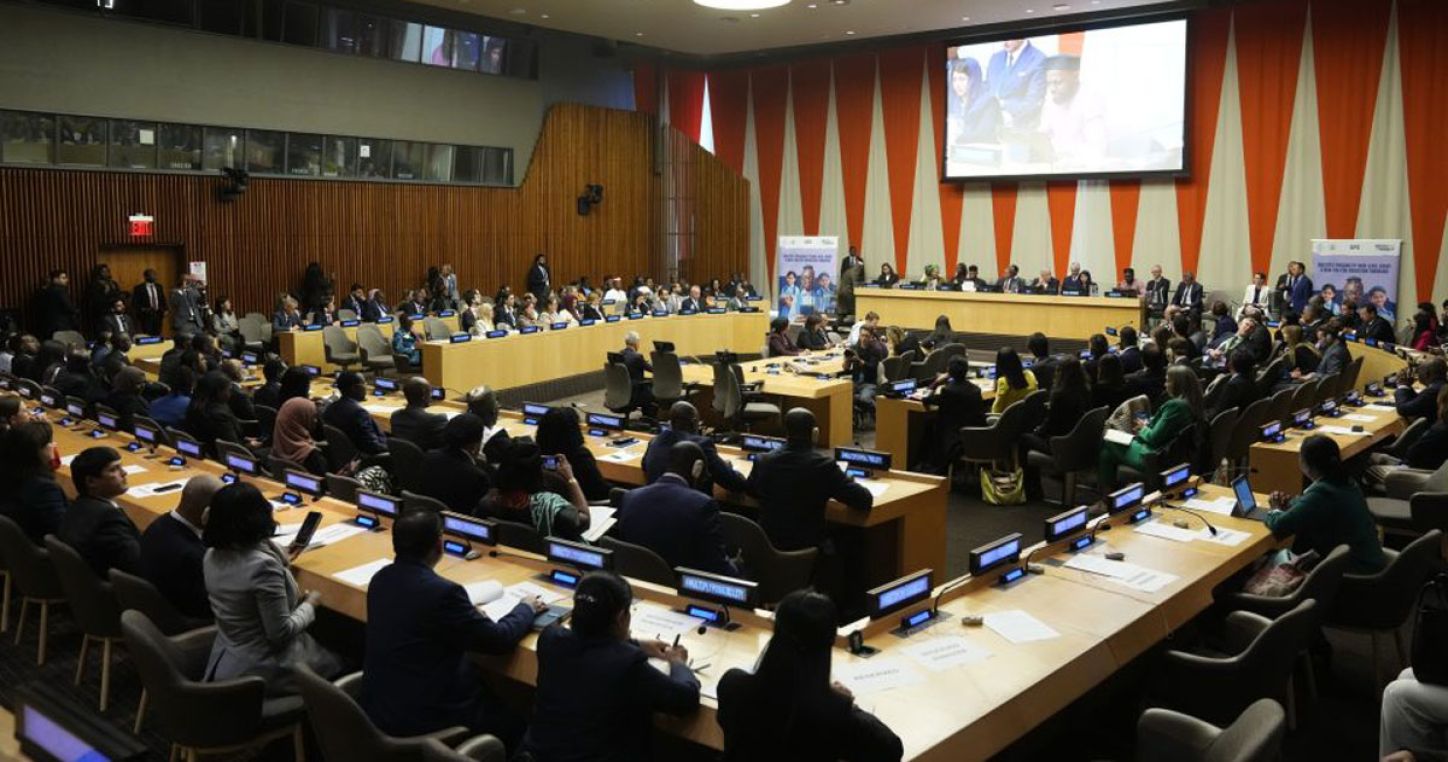
The online meeting, Unions driving a new era of leadership in education financing, took place on September 24th, 2026, one day after the Global Partnership for Education’s Multiply Possibility High-Level Event, held in conjunction with the United Nations General Assembly. It provided an open space for union leaders to assess the results of the replenishment effort and discuss the next phase of collective action.
The GPE supports education-system transformation in more than 90 lower-income countries. Its replenishment is therefore crucial to sustaining public education, supporting teachers, and ensuring that children facing poverty, inequality, conflict, and other crises can exercise their right to education.
Funding falls far short of what children need
The GPE’s campaign sought US$5 billion for the GPE Fund and an additional US$10 billion in co-financing. However, the initial outcome was US$2.1 billion in confirmed and anticipated pledges to the fund, alongside US$1 billion in co-financing commitments and US$400 million from philanthropic and private-sector partners.
While several governments maintained or increased their commitments, the overall result fell dramatically short of what is required. The annual funding gap in low- and lower-middle-income countries for education is estimated at US$ 97 billion by UNESCO.
For education unions, the funding gap threatens programmes supporting teachers, school meals, scholarships, gender equality, and access to education in some of the world’s most vulnerable communities.
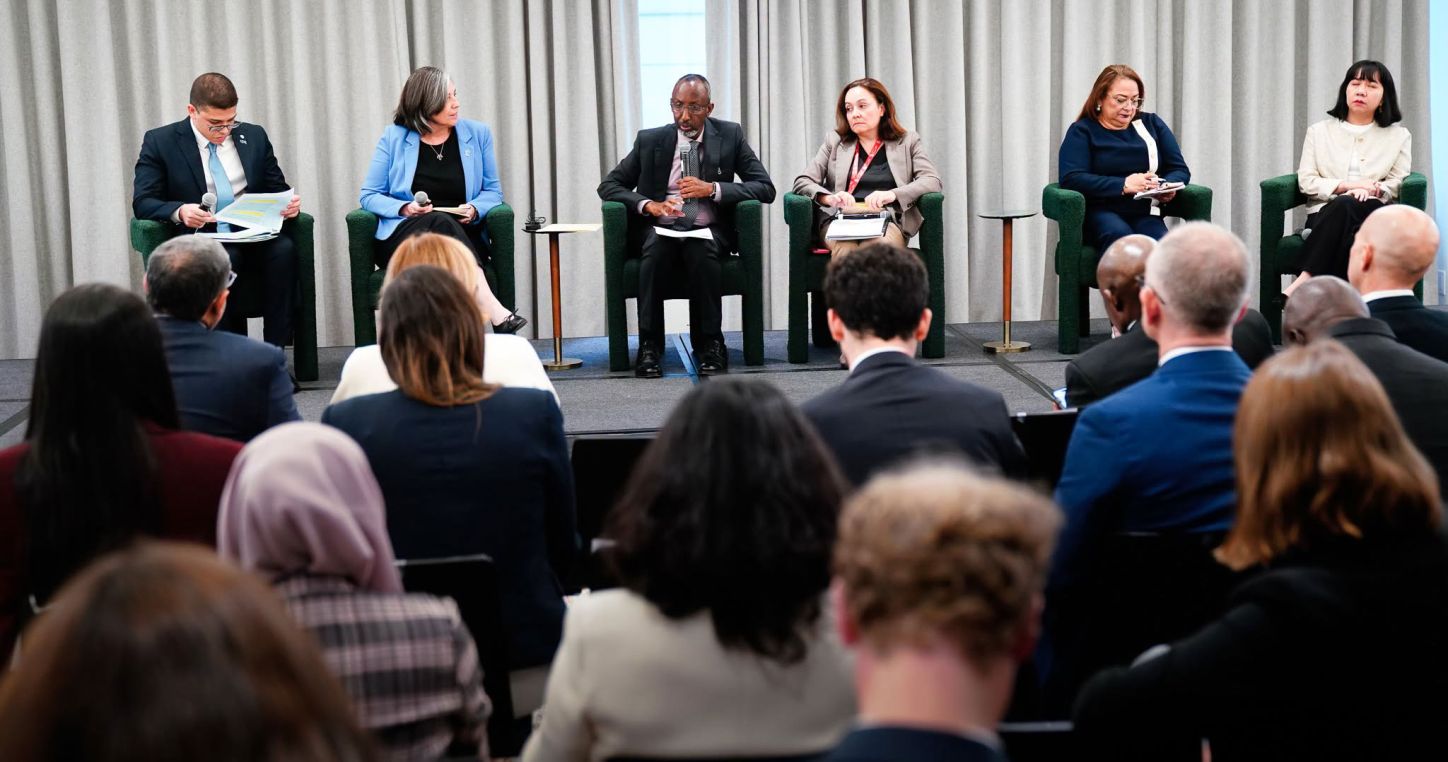
Cassandra Hallett, Education International Deputy General Secretary and member of the GPE Board of Directors representing the teaching profession, acknowledged the governments that stepped forward but warned that the outcome failed the children most in need.
“Yesterday was not in many ways the day that the world’s most vulnerable children need. Many wealthy nations did not step up and make commitments to the Global Partnership for Education,” she told participants. “While Education International commends the countries that maintained or increased their commitments, we are deeply concerned about the shortfall, because what it means is that many of the 270 million children out of school are still going to be left behind.”
Hallett also emphasised that the GPE is built on partnership rather than charity, bringing donor and partner countries together around a shared responsibility for public education.
“The Global Partnership for Education is a shared commitment to public education and to ending the world’s learning crisis,” she said. “It is a partnership model, and that’s one of the strengths of the Global Partnership for Education and why Education International is so invested.”
Education unions will not stand idle
Mugwena Maluleke, President of Education International, also thanked the countries that increased or maintained their support. However, he stressed that the failure of many wealthy countries to commit adequate resources amounted to an abandonment of the most vulnerable.
He called on member organisations to lobby governments, engage parliaments, and mobilise public support. Education unions, he insisted, must make clear that education is a human right and a public good, as well as a powerful force for peace, democracy, and social progress.
“We know that education is a human right. We know that education is a public good. And we know that education is one of those particular powerful instruments. for peace, for democracy, and for progress in many countries. Our economies are the mirrors of our education system, and where we can be able to make a difference and take one child in the classroom every day. The difference in their lives, in their communities, in their countries will then be witnessed. And at a time of a deepening learning crisis, unprecedented global war and conflict, and a growing climate crisis, we know that quality, inclusive public education is essential for the future of our planet.”
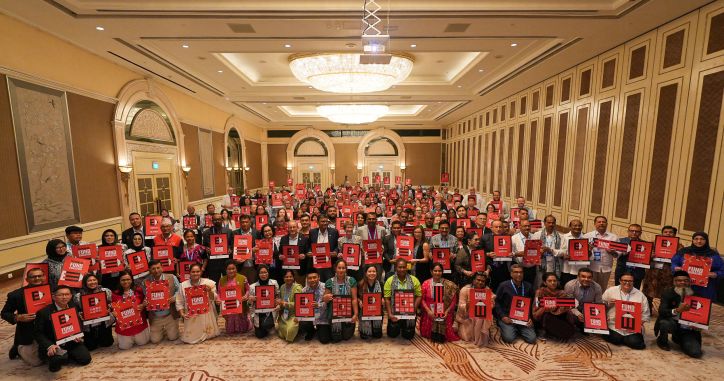
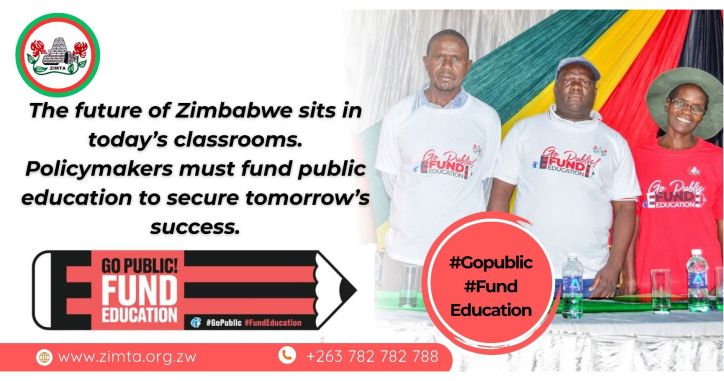
“We must continue to step up our efforts, to put pressure where it matters and to mobilise public support for adequately funded public education systems,” the EI leader stated. “I urge you to rally behind the Education International Go Public! Fund Education campaign with renewed energy.”
He went on reminding that Go Public! Fund Education is more than a campaign. “It is a movement. It is bringing us together because we are fighting for something together. We are fighting for education together: communities, government, and those who can be able to contribute in education.”
A global union response
Participants discussed how unions can strengthen advocacy in donor and partner countries, mobilise their members, and demonstrate the consequences of political choices that prioritise austerity, debt repayment, or military expenditure over public education.
Data from the Stockholm Peace Research Institute, global military spending now reaches almost three trillion dollars a year. Military spending has risen for eleven consecutive years, increasing by more than 40 percent over the past decade. NATO countries alone account for more than half of global military expenditure.
The webinar highlighted the importance of combining international solidarity with domestic action. GPE resources complement rather than replace national investment, while grants can help countries expand education without adding to already unsustainable debt burdens.
Closing the discussion, Hallett stressed that the webinar marked the beginning of a renewed phase of union advocacy.
“Solidarity is part of our DNA, and with our shared commitment and advocacy to our campaign, Go Public!, and to our members, regardless of their postal code and where they live in this world of ours, I am confident that we can usher in a new era of education financing,” she said. “This is but a start of this next phase of advocacy.”
EI statement demands coherent, courageous, and creative leadership
In a statement issued following the GPE replenishment event in New York City, Education International highlighted what it described as a collective failure of political leadership. The statement warns that most donor countries chose “inaction over solidarity and austerity over investment”.
EI recognised the commitments made by Australia, Canada, Denmark, France, Germany, Ireland, Italy, Kuwait, Spain, the United Kingdom, and the European Union. It also welcomed contributions from foundations, while stressing that private donations cannot substitute for sustained public investment backed by government action.
“The GPE replenishment campaign called on donor countries to multiply possibility, but instead, most chose to subtract funding and add to the very learning crisis they claim to be worried about. This is not the type of leadership the world needs. In these exceptional times, we need exceptional leadership.”
The statement therefore calls on political leaders to be:
- Coherent, by matching their actions to their commitments under the Sustainable Development Goals and the Education 2030 Agenda and providing the necessary domestic and international funding.
- Courageous, by adopting legislation that increases education budgets and protects them from austerity.
- Creative, by working with teachers and education support personnel to develop public policies that respond to current challenges and deliver the best possible education for children and young people.
The statement also reaffirms that access to education is a fundamental human right and declares that the global education union movement will not rest until every child and young person has access to a free, quality public school that meets their aspirations.
The message from the webinar was unequivocal: wealthy governments still have an opportunity and a responsibility to act. Education unions will organise, mobilise, and keep up the pressure until governments provide the sustainable public funding needed to make quality education a reality for every child, everywhere.