This World Teachers’ Day, join the global mobilisation calling on governments everywhere to value the voice of teachers, invest in the profession, and in quality public education.
Valuing teacher voices: towards a new social contract for education
Overworked, undervalued, and underpaid, more and more teachers are leaving the profession they love and that the world needs. At the same time, few young people aspire to become teachers. The result is a global shortage of over 44 million teachers, a crisis that puts the right to education at risk. This has prompted a global call to strengthen the profession.
This World Teachers’ Day highlights the need to establish a more robust social dialogue with teachers everywhere. The 2024 celebrations will focus on "Valuing teacher voices: towards a new social contract for education". The theme underscores the urgency of engaging with teachers to address the challenges they face but, most importantly, to acknowledge and benefit from the expert knowledge and input they bring to education.
The official event marking World Teachers' Day will be livestreamed on the UNESCO website on October 4th from 9:30 am (CEST). Education International President Mugwena Maluleke will represent the teaching profession in the event. Tune in!
Join the global mobilisation calling on governments to engage in meaningful social dialogue with the profession. Here’s how you can add your voice.
Share Education International messages
Spread the word by sharing the post below on Twitter.
Teachers are at the ❤️ of education. They must also be at the 💙 of decision-making in education.
✊🏿 For teachers to be heard, education unions must be listened to. - @daveswords
Raise your voice in support of teachers on social networks. Use the suggested posts and images below and don’t forget to tag Education International so we can amplify your message:
If you would like the poster translated to your language, get in touch at [email protected]. We're happy to help!
Related Items
Achieving Sustainable Development Goal 4
14 October 2026
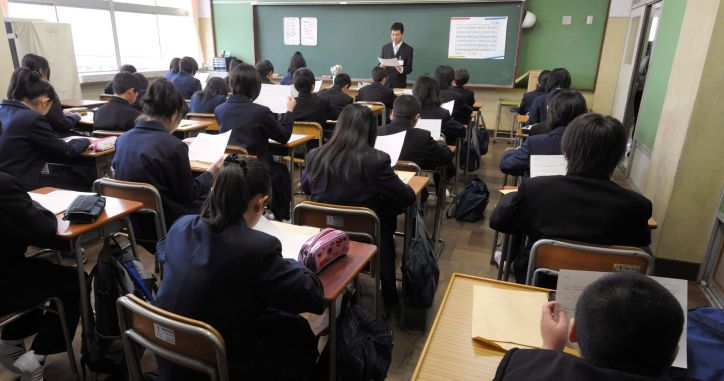
Japan’s PISA results a lesson for all: High achievement cannot come at the expense of students and teachers’ wellbeing
Japan’s results in the 2025 edition of the Programme for International Student Assessment (PISA) recently released by Organisation for Economic Co-operation and Development (OECD) confirm the strength and relative equity of its public education system. But they also reveal growing pressures on students, severe staffing and resource shortages, and low...
Education unions turn collective action into results through the Go Public! Campaign in Egypt, Iraq, Lebanon, and Morocco
Education unions from Egypt, Iraq, Lebanon and Morocco gathered in Beirut, Lebanon to turn the growing momentum of the Go Public! Fund Education campaign
into stronger union power and action. The Regional Go Public! Strategic Review and Planning Meeting held on 3–4 October 2026 provided an opportunity to take stock...
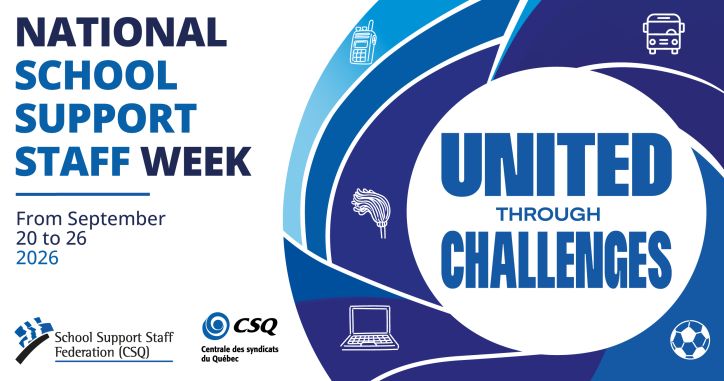
Education support staff in Quebec at breaking point: trade unions call for urgent action
A dramatic rise in absences from work, sick leave, and disability leave highlights the decline in working conditions for education support personnel (ESP) in Quebec. To mark National School Support Staff Week, their trade unions have called on the authorities to take action to protect these workers who ensure the...
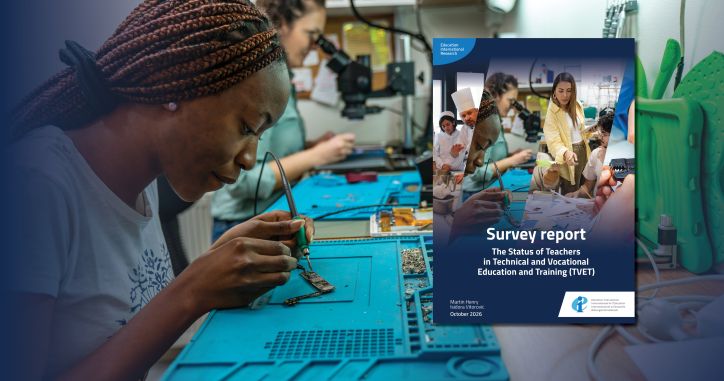
The mismatch between expectations and investment: New report on the Status of Technical and Vocational Education and Training (TVET)
A new report from Education International on the Status of Technical and Vocational Education and Training (TVET) identifies a clear policy contradiction: TVET is increasingly recognised as strategically important, yet public investment, workforce planning, professional development, and support for educators frequently fail to match that ambition.
Trade union rights are human rights
5 October 2026
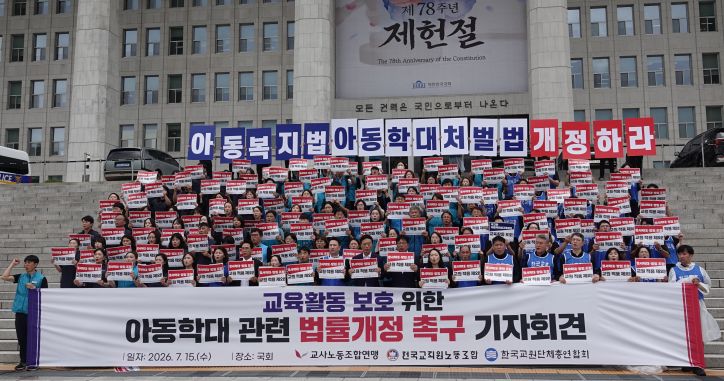
South Korean teachers call for solidarity as they mobilise for rights and public education
On 9 October 2026, the three largest education unions in South Korea will mobilise for a joint mass rally in defence of teachers' rights and public education in front of the National Assembly, in Seoul. The Korean Federation of Teachers' Associations (KFTA), the Korean Federation of Teachers' Unions (KFTU), and...
EI World Women’s Conference: No gender justice without peace, democracy, and climate justice
On the final day of the 5th EI World Women’s Conference, delegates discussed global challenges and their impact on women in education. Recognising that peace, democracy, and climate justice are preconditions for gender justice, women education unionists committed to join forces to advance a justice-focused agenda around the globe.