Using Artificial Intelligence: Takeaways from TALIS 2024

Sign up
Sign up for the Worlds of Education newsletter.
Sign up
Sign up for the Worlds of Education newsletter.
Thank you for subscribing
Something went wrong
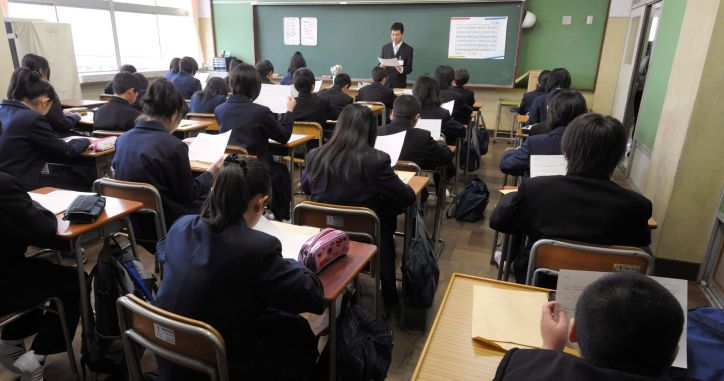
Education systems around the world are asking if and how to incorporate artificial intelligence into teaching and learning. At the forefront of this conversation are teachers, who must not only monitor their students’ usage of artificial intelligence, but also decide whether to use it themselves.
The Teaching and Learning International Survey (TALIS) 2024 collected data on the extent to which teachers use artificial intelligence, for what purpose, and what their beliefs about artificial intelligence are.
Teachers are already using artificial intelligence
Around 41% of teachers across the OECD use artificial intelligence in their teaching (data collected in 2024), ranging from 75% in the United Arab Emirates and Singapore to 14% in France. Out of teachers who do use artificial intelligence, the most common uses are to efficiently learn about and summarize a topic (68%) and generate lesson plans or activities (64%). The least common uses are assessing or marking student work (26%), and reviewing data on student participation or performance (25%).
Teachers recognize that artificial intelligence has tremendous potential to improve education. For example, 52% believe that artificial intelligence can enable teachers to adapt learning materials to different student abilities. On the other hand, teachers also recognize the risks that artificial intelligence poses. Around 72% believe that artificial intelligence enables students to misrepresent their work and 66% believe that artificial intelligence makes inappropriate or incorrect recommendations.
Out of those teachers who do not use artificial intelligence, the most common reason is not having enough knowledge and skills in how to use it (75%). However, only 48% believe that artificial intelligence should not be used in teaching, suggesting that many wish to use it but do not know how. The least common reason for not using artificial intelligence is schools not allowing its use (12%).
Education systems are providing training in how to use artificial intelligence
Education systems have rapidly responded to this changing education environment. Around 38% of teachers across the OECD already report that using artificial intelligence was part of their professional learning in the past year. Some systems have responded more quickly, however. In Singapore, almost 76% of teachers received training in using artificial intelligence, compared to just 9% in France.
There is a strong relationship between teachers receiving professional development in artificial intelligence and using artificial intelligence in their teaching. This is a positive development, as it suggests that teachers are not using artificial intelligence independently. Rather, education systems are providing guidance on how the technology can be used productively and safely.
Where artificial intelligence can help teachers more
TALIS also collects information about teachers’ routine activities and their levels of stress. A constant trend is that having too much administrative work is one of the most stressful activities for teachers. More teachers indicate that this is a significant source of stress (52%) than maintaining classroom discipline (45%) and having too many lessons to teach (31%).
While not all administrative work is equally stressful, the overall volume nevertheless does matter. In Korea, for example, teachers on average spend over six hours per week on administrative work. In Japan and South Africa, teachers spend almost five hours per week on administrative work, compared to under three hours across the OECD. In all three of these countries, a higher share of teachers than the OECD average believe that artificial intelligence can help teachers automate administrative tasks.
There is opportunity for artificial intelligence to alleviate the administrative burden that teachers face. Compared to other aspects of teaching, administrative work is more easily automated. Artificial intelligence can help fill out paperwork and communicate student progress to parents more efficiently than teachers can on their own. Teachers would not only be less stressed, but would also have more time to do what they do best - teach students.
Note: statistics in this article refer to lower secondary teachers.
The opinions expressed in this blog are those of the author and do not necessarily reflect any official policies or positions of Education International.