Côte d’Ivoire: FOSEF-CI works to strengthen women’s leadership
Strengthening women’s leadership is not only a requirement for equality but also a prerequisite for more democratic, representative, and influential trade unions. By placing women teachers at the heart of its trade union project, the FOSEF-CI (Federation of Education and Training Trade Unions - Côte d’Ivoire) is redefining the balance of power within unions and building their capacity to defend the right to quality public education for all.
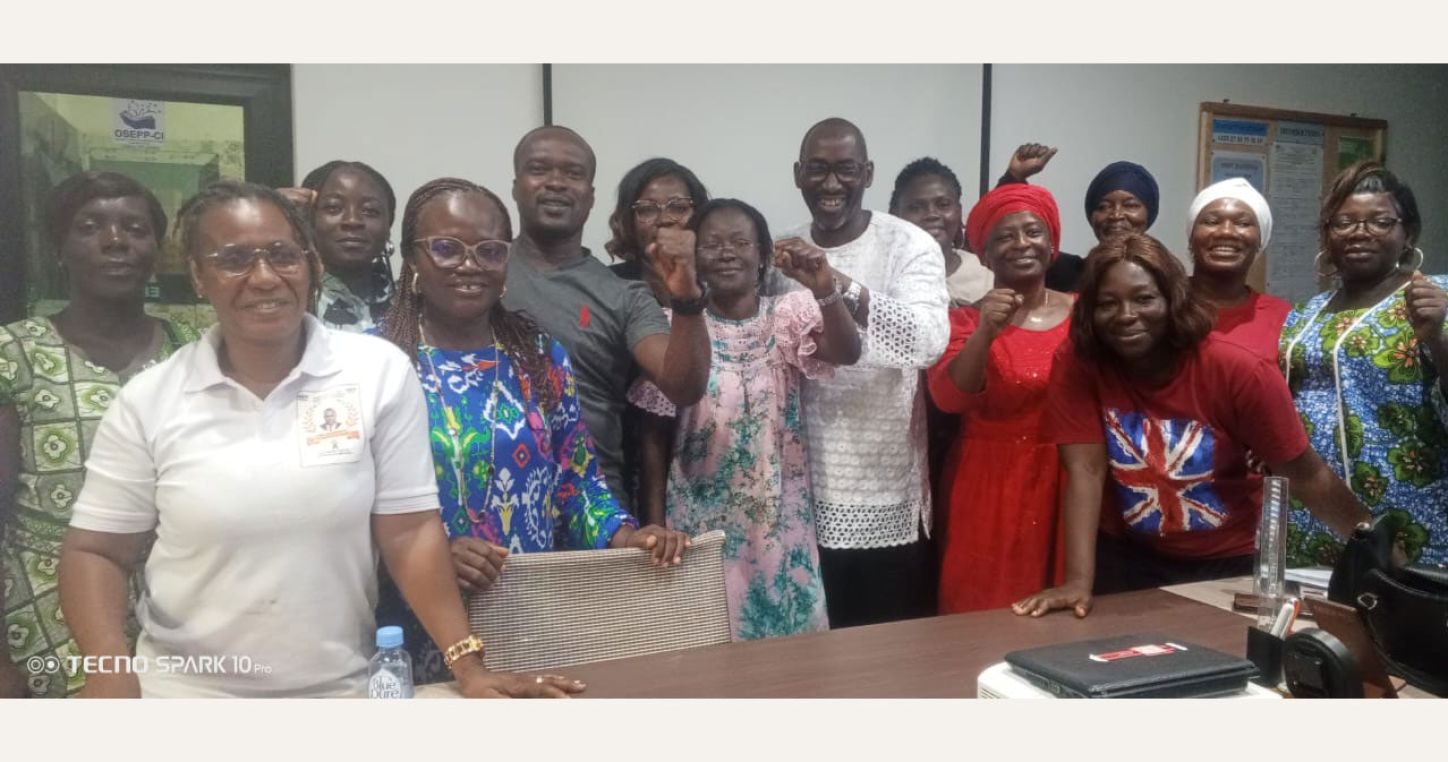
On 21 February 2026, the FOSEF-CI, an affiliate of Education International (EI), held the very first meeting of its women’s structure, named the Modern-Day Amazons. This founding meeting marks a political and organisational turning point for the federation, placing the promotion of women’s leadership at the heart of its trade union action.
Attended by the federation’s President, Kaba Sory, and other union leaders, the meeting confirmed the federation’s commitment to making gender equality a long-term strategic priority. For the FOSEF-CI, the creation of this women’s structure serves a dual purpose: to strengthen the participation of women teachers in trade union life and to help build a more representative, inclusive, and stronger movement.
A clear commitment to transform trade unionism
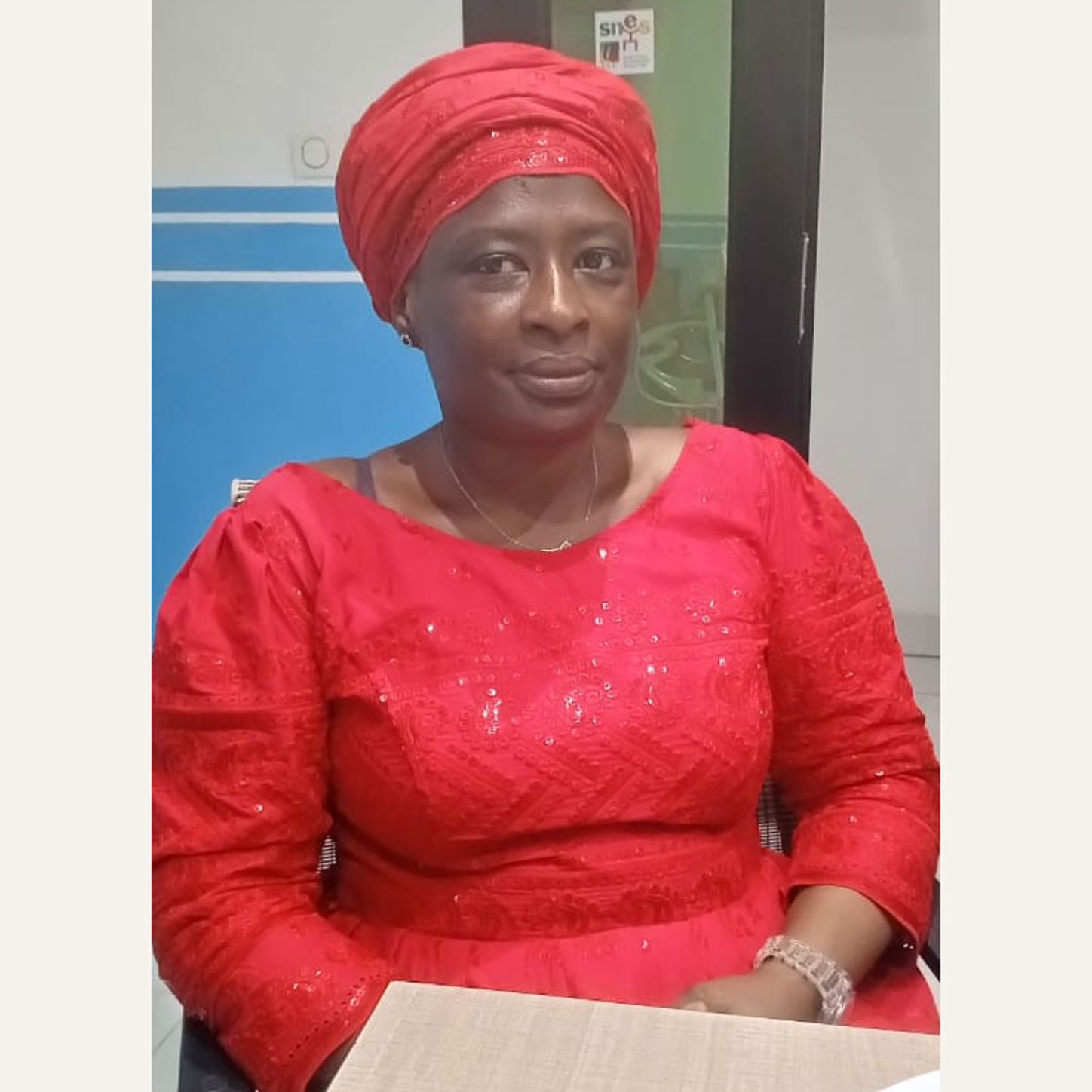
The Chair of the women’s structure, Maman Bangoura, emphasised the determination of women trade unionists to play an active role at both national and international levels. The women’s structure intends to organise as quickly as possible around specific actions: awareness-raising campaigns, trade union conferences and training, preparing a list of demands and mobilising for International Women’s Day on 8 March 2026.
Beyond the activities planned, this move reflects a broader political ambition: to foster the emergence of a new generation of women leaders capable of influencing policy within trade unions and education. In a context where women remain under-represented in decision-making structures, the FOSEF-CI is sending a clear message that gender equality is not just a sectoral issue, but a vital lever in the drive for trade union renewal.
International support crucial to effecting change
The federal secretary in charge of communication at the FOSEF-CI, Doférin Sékongo, pointed out that “it isn’t easy to bring women together in a trade union context. Women trade unionists are very rare these days”.
He also stressed the crucial role played by Education International in facilitating this transformation. “EI, particularly during the training linked to the John Thompson Fellowship programme in 2024, in Ghana, taught us to promote women leaders and gender equality in trade unionism,” he explained, highlighting the direct impact of international training programmes on the strategic choices made by the union federation in Côte d’Ivoire.
Training new generations of leaders
Ms Bangoura also pointed out that EI has funded several trade union training courses in Côte d’Ivoire, for all its affiliated organisations, focusing on the participation of women and young people. “Anyone can take part in this training. Each organisation has to send its leadership and a young representative,” she explains.
As part of this drive, a delegation from the FOSEF-CI women’s structure is soon to take part in regional training for women trade unionists, in Burkina Faso, helping to bolster South-South exchanges and trade union solidarity across Africa.
A collective voice to influence union decisions
For the head of the Modern-Day Amazons, the challenge now is to breathe life into this structure and broaden its mobilisation. “At national level, we need to make ourselves known. The outcome will depend on our determination. All the women we have added to the group need to work hard. It’s a challenge,” she said, calling on women teachers to take full ownership of this trade union space.
Although the FOSEF-CI women’s structure is one of the newest structures within the trade union movement, it already stands out for its rapid mobilisation and clear political mandate.