United Nations Commission on the Status of Women: Recognizing the connections between our struggles and joining forces
Sign up
Sign up for the Worlds of Education newsletter.
Sign up
Sign up for the Worlds of Education newsletter.
Thank you for subscribing
Something went wrong
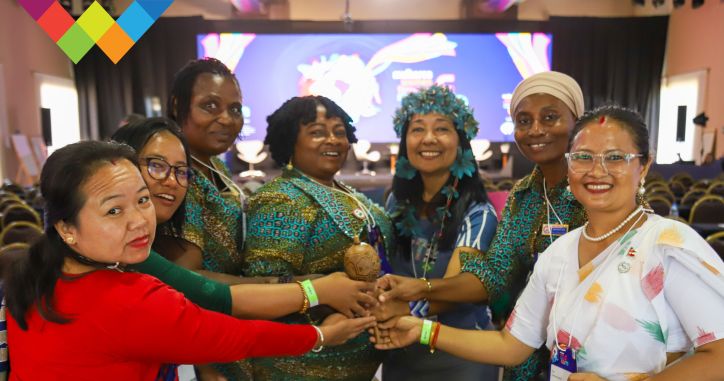
There’s always something powerful about being in a space with women from all over the world, each carrying their own stories, responsibilities, and reasons for being there. You feel the weight of that, but also an understanding of shared strength in knowing you’re not alone in the work.
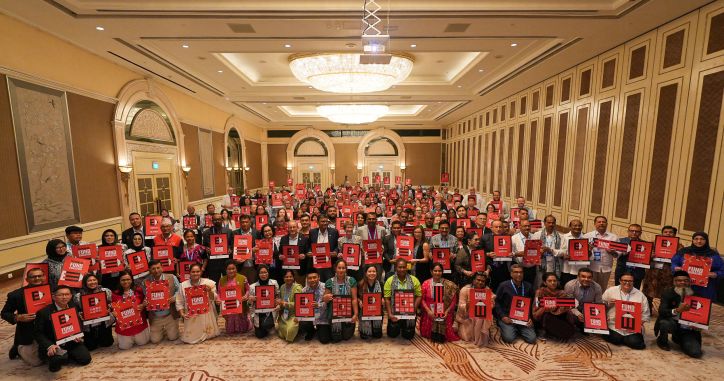
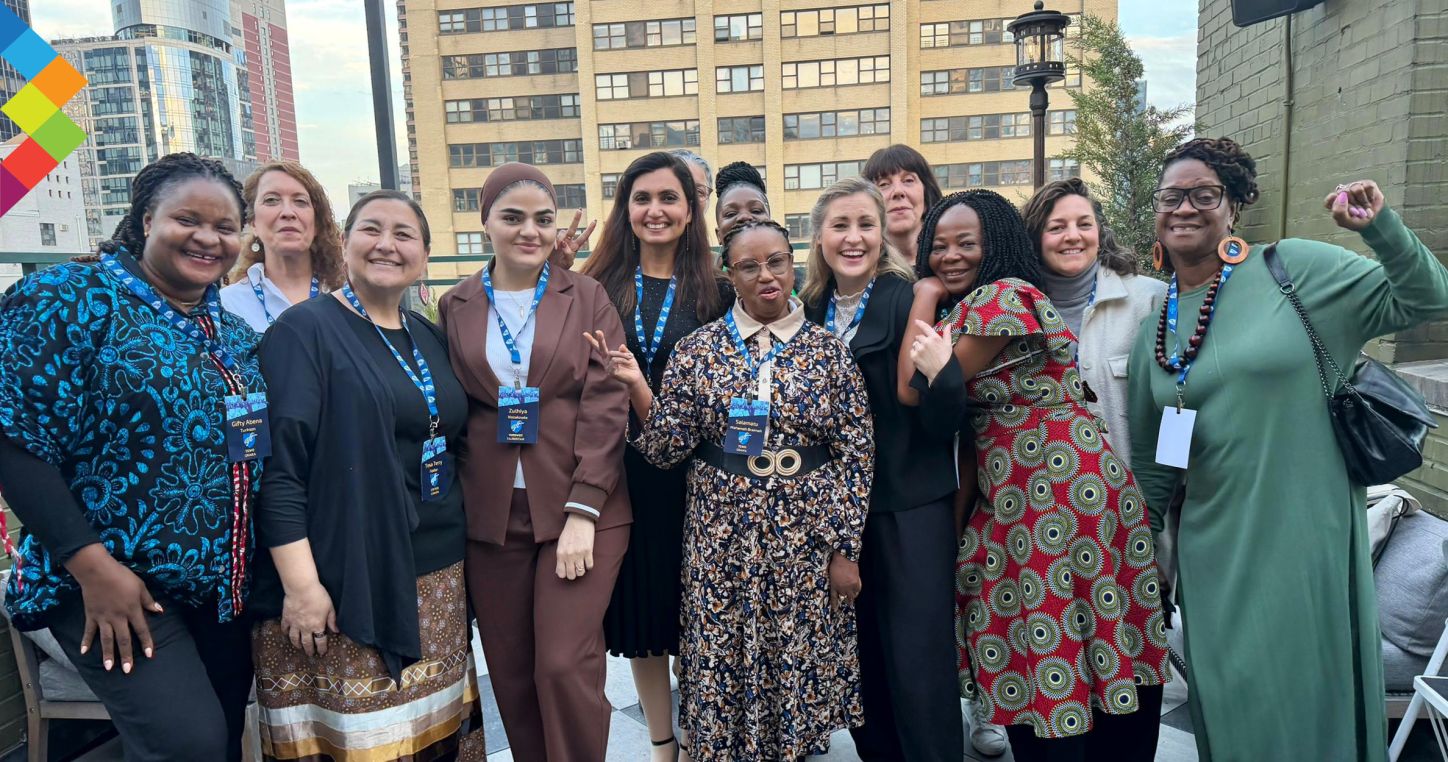
This was my sixth time attending the United Nations Commission on the Status of Women (UNCSW), but this year felt different. This year, I attended as part of the Education International (EI) delegation, alongside women union leaders in education from Ghana, Tajikistan, The Bahamas, Norway, Canada, India, and the UK. The gathering was noticeably smaller than in past years, something many attributed to the current political climate, but it also seemed the conversations felt more focused, and in some ways, more urgent.
The theme this year centred on ensuring and strengthening access to justice for women and girls. That means looking closely at how systems work, or don’t work, challenging discriminatory laws, and identifying the structural barriers that continue to limit full and safe participation in society. These might sound like big ideas, and may seem overwhelming, but they definitely connect directly to what we see every day in our own communities and schools.
UNCSW is one of the few spaces where women from across the world come together in this way: different languages, cultures, and lived experiences, and a shared commitment to gender equality and human rights. This year, I couldn’t ignore the absence of Indigenous voices from North America in many of those spaces. At a United Nations gathering, with the building itself located on Lenape peoples’ ancestral land, that absence matters. It needs to be named, especially in spaces where global decisions are being shaped.
Through EI, and alongside colleagues from the Canadian Labour Congress (CLC), we were part of a broader global trade union presence. We worked closely with the International Trade Union Confederation (ITUC), alongside other global union partners like Public Services International (PSI). The labour voice was clear, intentional, and demonstrated that there was a common understanding of the shared priorities around female workers’ rights, equity, and strong public systems.
One of the key outcomes of UNCSW is the Agreed Conclusions, the document that Member States negotiate and adopt, outlining commitments moving forward. It’s not a simple process. Countries come with very different perspectives, and there are times that tension is evident in the discussion.
From a trade union perspective, there was a strong push to ensure that safe, and equitable working conditions were included in the final document. That matters, because gender equality is very connected to working conditions. It’s about safety, fair wages, and protection from violence, real issues that affect women every day, including those working in education and public services.
There were also moments that reminded me how fragile progress can be. During negotiations, there were efforts, led by the United States, to revisit language used in the documents, to reconsider how gender is defined, to narrow the definition to “male” and “female”. The original and more inclusive language was adopted, but it was a reminder that accessible, inclusive, and equity-focused values are under attack. Now more than ever, we must remain vigilant in upholding standards that protect everyone.
In the end, Member States adopted the Agreed Conclusions, with a focus on strengthening access to justice. The agreement includes commitments to legal reform, eliminating discriminatory laws, and addressing systemic barriers, the kinds of barriers that prevent women and girls from safely and meaningfully participating in society.
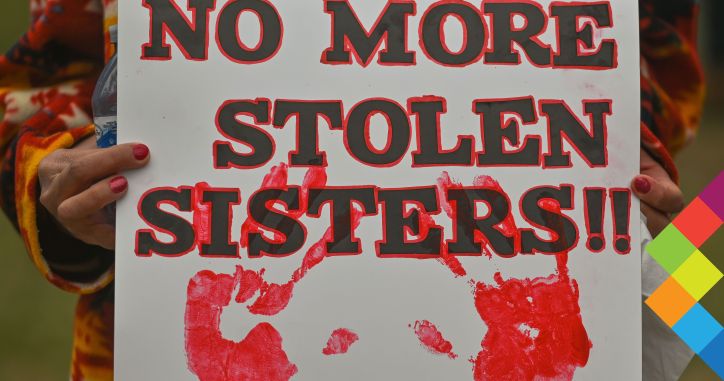
For me, as an Anishinaabekwe (First Nations woman), a mother, an educator, and a union leader, these global conversations are never separate from what we see at home. Gender-based violence continues to impact communities across North America and disproportionately affects Indigenous women and girls. When we talk about justice, we have to be honest about where systems are still failing, where supports are not accessible, not equitable, or not culturally safe.
Being at the UNCSW, sitting with women from around the world, hearing their experiences, and recognizing the connections between our struggles reinforced to me that this work is shared. Our lived experiences may be different, but many of the challenges are the same, and so is the need for collective action.
As educators, we are part of this work whether we name it or not. Schools are places where these realities show up, but they are also places where change can happen. Public education has a responsibility to create safer, more inclusive environments, and to help students understand equity, justice, and what their role is in shaping that future.
As trade unionists, we carry responsibility as well. Our work is not only about contracts and working conditions, but also about ensuring we maintain dignity, fairness, and advocacy. The work we do through bargaining, member support, and public advocacy is directly connected to addressing systemic barriers and advancing gender justice. Strong unions contribute to strong public systems, and both matter.
Leaving UNCSW70, I’m reminded that global commitments only matter if they are carried forward into our daily work and interactions with those around us. The conversations that happen at the United Nations have to continue in our classrooms, our schools, our unions, and our communities.
Because access to justice isn’t just something we talk about globally, it’s something our students, families, and communities deserve and should be able to feel in their everyday lives.
The opinions expressed in this blog are those of the author and do not necessarily reflect any official policies or positions of Education International.