Indigenous Peoples need unions to Kimi Haeata/seek a new beginning
Sign up
Sign up for the Worlds of Education newsletter.
Sign up
Sign up for the Worlds of Education newsletter.
Thank you for subscribing
Something went wrong
The education system of Aotearoa New Zealand was developed by the colonisers to meet the goals and outcomes of the majority and is racist for Māori and all other minorities. The situation in the Nordic countries, including Greenland, is similar. For the Sámi Nations and the Inuit in Greenland, the establishment of these education systems has led to the demise of all their Indigenous practices and perspectives.
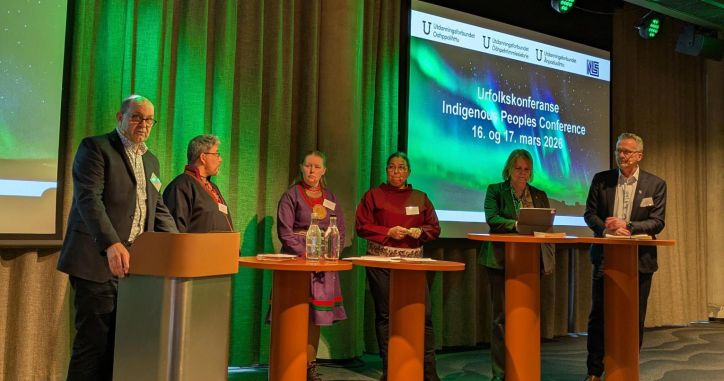
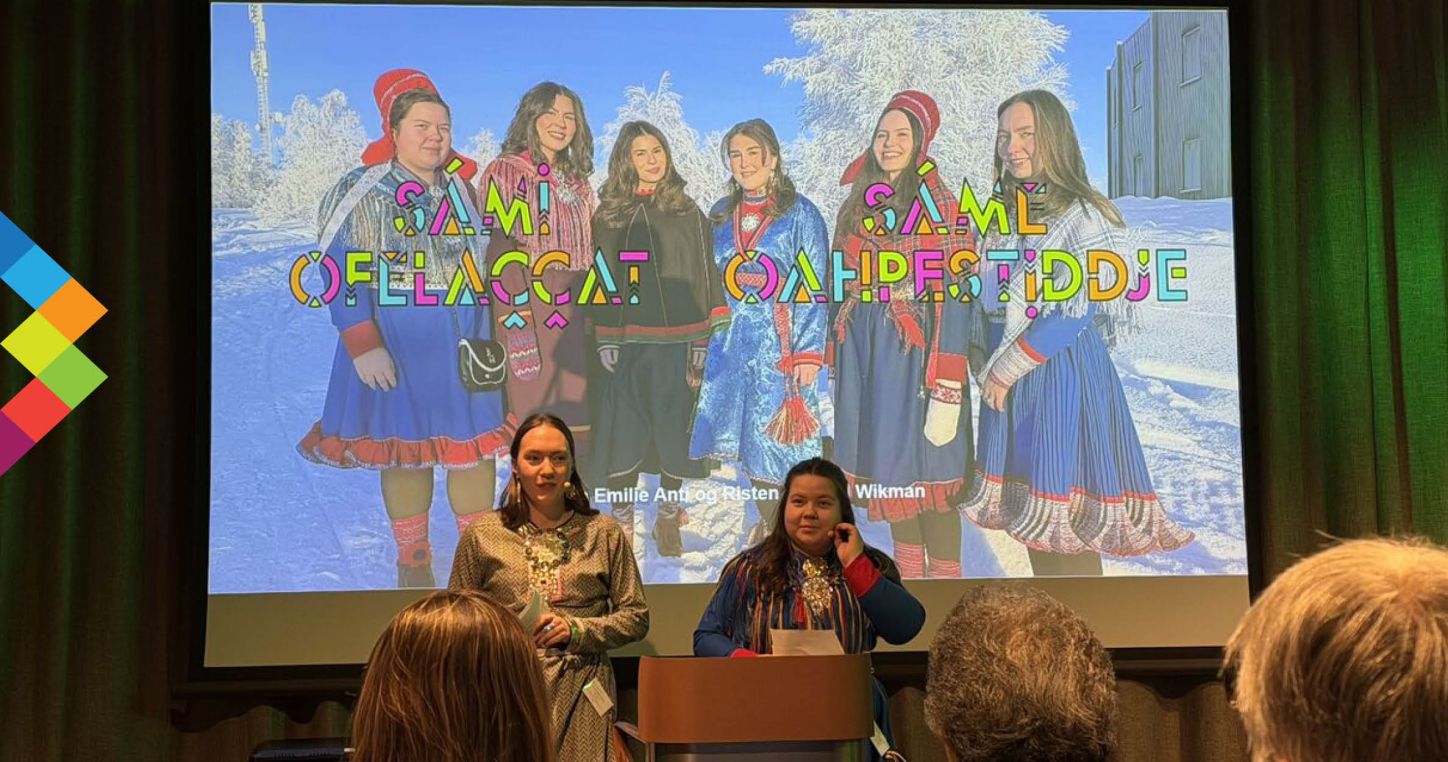
During the Indigenous Peoples Conference in Tromsø, it was acknowledged that, across the Nordic Countries, the main actors in the assimilation of the Sámi Nation have been the teachers. This statement also rings true for the Inuit in Greenland and for the Māori in Aotearoa New Zealand. But it’s also possible for teachers to be the saviours of our mokopuna (children), as has been the case for Māori in Aotearoa New Zealand.
Kōhanga Reo (pre-school learning in Māori language only), Puna Reo (early childhood learning centres that use Māori language only), Ngā Kura a Iwi (Māori language schools with tribal connections), Kura Kaupapa Māori (Māori language schools based around Māori thinking), Reo Rūmaki (classes in mainstream schools that are conducted in Māori language only), Reo Rua (classes in mainstream schools conducted in both Māori and English) and Māori language subject specific classes in secondary schools are all examples where teachers must have Māori language fluency and be culturally competent to teach mokopuna (children) Māori from pre-school through to secondary school levels.
During the conference, there were clear statements of support from Nordic unions to lobby Nordic Parliaments to provide more teachers able to teach Sámi children and more teachers able to teach Inuit children in their own cultural contexts so that Sámi and Inuit children receive the education to which they are entitled.
As a Māori woman from Aotearoa New Zealand attending an Indigenous Conference on the other side of the world, in the Arctic region, I can say that the discussions reflected what was our reality as well some twenty years ago. It does not matter who is the Coloniser, the effects on the Indigenous population are the same. The global education union movement should draw on these experiences to provide direction and support to Indigenous populations around the world who are desperate for others to understand their struggles. Our movement should also be clear about possible directions in which the willing can make changes for the betterment of humankind, not just the Indigenous populations of the world. It can and must Kimi Haeata (Seek the Dawn), a new beginning for the mokopuna (children) of the world.
We must also address the elephants in the room, the Colonisers. Colonisers will need to recognise the need to decolonise themselves and step aside to allow Indigenous populations to move forward towards achieving their goals. This recognition process by the Colonisers will be difficult and maybe in some cases insurmountable, but I think our focus must remain on our mokopuna (children) who will lead us into the future.
While the Colonisers decolonise themselves, the Indigenous populations must reindigenise themselves using their own processes to strengthen and prepare for a different future. Unions can and should be fully involved, integrating Indigenous perspectives into their everyday practice. Thinking through how Indigenous perspectives and practices can work for unions can be daunting but even small steps can help us reach the same destination.
Bringing together 12 representatives from around the world, the Education International Indigenous Peoples' Advisory Group can focus on Indigenous perspectives and practices but first we need to create a space within the global education union movement. The proposals of our Advisory Group must come from a position of collective strength and knowledge.
The knowledge that has nourished and sustained Indigenous Nations across time and space now has the potential to be the last bastion of hope for all humanity if we only choose to open our eyes and see, open our ears and hear, open our hearts and feel. Perhaps, it may be time to call on Māui—Maui the assertive, Maui the explorer, Maui the protector.
The opinions expressed in this blog are those of the author and do not necessarily reflect any official policies or positions of Education International.