Decolonising education in Africa: The role of education unions
Sign up
Sign up for the Worlds of Education newsletter.
Sign up
Sign up for the Worlds of Education newsletter.
Thank you for subscribing
Something went wrong
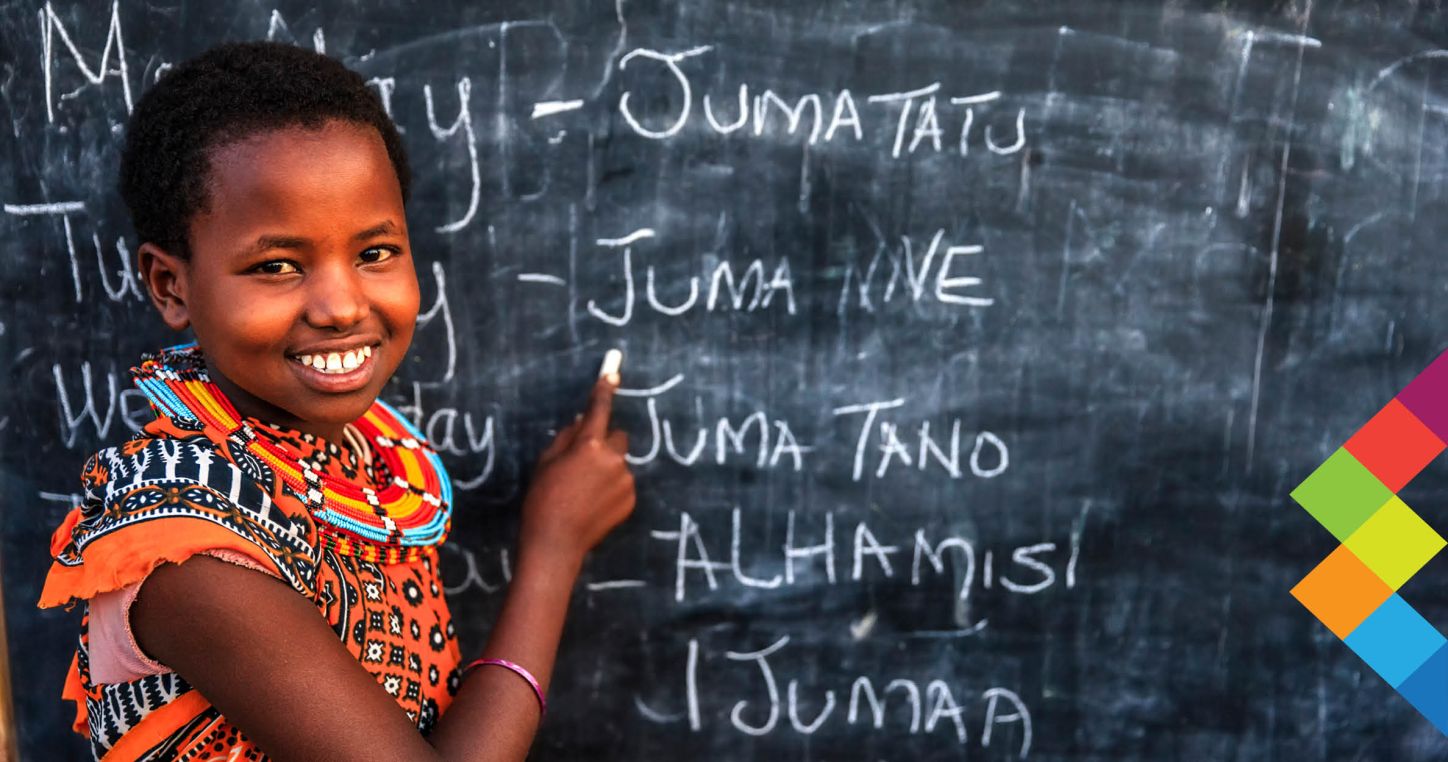
Many education systems in Africa still perpetuate the legacy of colonialism. As a result, many of our countries’ education systems still struggle to reflect African values, histories, cultures, languages, and the lived experiences of our continent’s citizens. Indigenous knowledge and wisdom are often pushed to the periphery of the curriculum, while colonial and western ideas occupy centre stage.
I remember growing up in rural Zimbabwe learning about the rivers, towns, and cities of England. Quite frankly, I couldn’t even pronounce some of the names.
When we were in grade one, we used to recite Humpty Dumpty and to sing Baa Baa Black Sheep, have you any wool? These were alien and far removed from our reality and everyday experiences.
But I cherish those wonderful evenings when we were seated around the fire, and my father or mother would begin to share those wonderful traditional stories and folktales about animals, local trees, rivers, and mountains. They always began with the sentence: Kuthiwa kwakukhona - it is said there was. The English equivalent would be ‘once upon a time’.
In one of the programmes developed by Education International Africa, we train teachers to write reading materials rooted in the local context for children in disadvantaged schools. Children enjoy reading these stories and last year alone we donated over 70,000 books to Ministries of Education for use in disadvantaged schools.
To decolonise education is to ensure that it responds to the social, cultural, and developmental needs of our people. It is about building education systems that are rooted in African realities while engaging confidently with the rest of the world.
As the collective voice of teachers and education workers, we play a central role in this transformation. We have a responsibility to challenge the status quo, defend professional autonomy, and advocate for inclusive, relevant, quality, and democratic public education systems.
In 2024, Education International published the research Unions Leading the Way to Decolonise Education, which clearly indicates that education unions across Africa and beyond are at the forefront of this fight, taking concrete steps to challenge colonial legacies in the curriculum, language policy, and education governance.
Four areas are essential to our mission:
- Decolonise the mind – we cannot decolonise our education systems while remaining prisoners of colonial education systems in our minds or thoughts. The colonial education systems were designed to subjugate the majority and promote a privileged few.
- Decolonise the curriculum – the curriculum should be rooted in the national context and reflect our values, cultures, and aspirations, while embracing relevant regional and global trends.
- Decolonise education reforms – education reforms are often dictated by donors or hired experts from the Global North. Teachers and their unions should be at the table when decisions on education policies and reforms are made.
- Decolonise education financing - He who pays the piper calls the tune. Our governments have enough resources to invest in education. That is the reason why EI’s Go Public! Fund Education campaign is so important. Through the campaign, we call for investment in education, teachers, and infrastructure.
Communication is power. How we frame these issues, whose voices we amplify, and the stories we tell will shape public understanding, opinions, and policy debates.
Let’s think strategically about how to move from dialogue to action. How to persuade, push, and pressurise our governments to decolonise education.
We are stronger together!
This speech was first delivered at the meeting of the Education International Africa Communicators’ Network on 18 March 2026.
The opinions expressed in this blog are those of the author and do not necessarily reflect any official policies or positions of Education International.