Education voices | International solidarity supporting the fight against child labour in the Democratic Republic of Congo
Sign up
Sign up for the Worlds of Education newsletter.
Sign up
Sign up for the Worlds of Education newsletter.
Thank you for subscribing
Something went wrong
Worlds of Education: Please introduce yourselves.
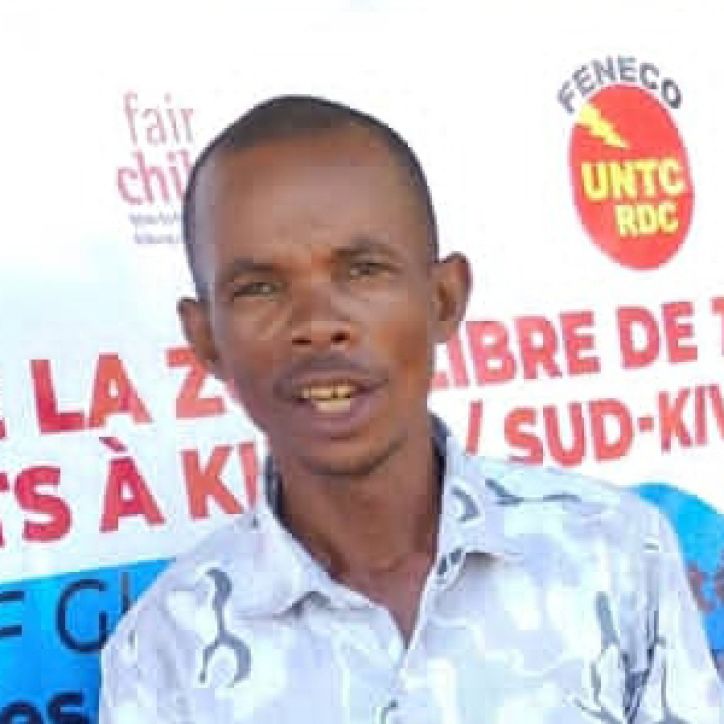
Roger Isaya: My name is Roger Isaya. I have been a teacher for some 20 years. I teach at Musenga primary school in Kiliba, in the Democratic Republic of Congo. I’ve been active in the trade union movement for many years and currently chair the local branch of FENECO-UNTC in Kiliba.
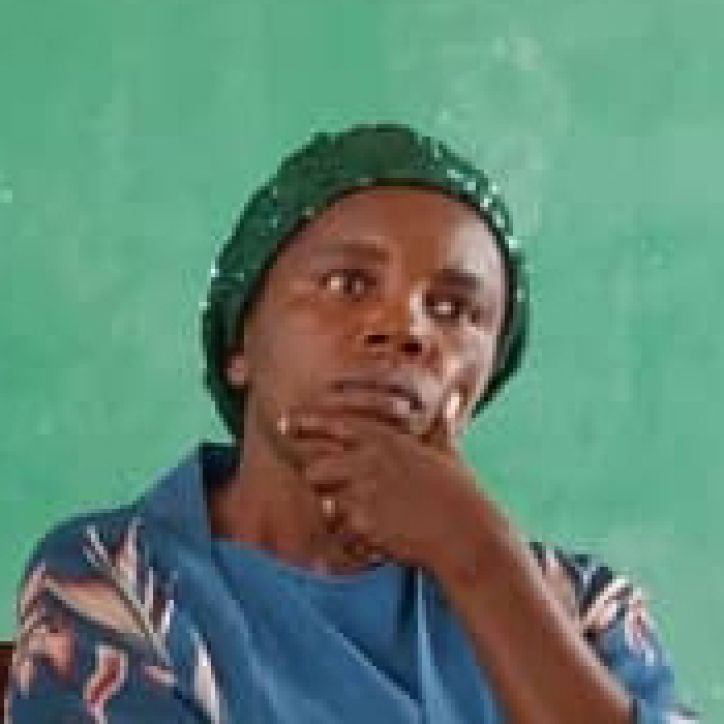
Denise Kigabi Mulangaliro: My name is Denise Kigabi Mulangaliro and I teach at Kiliba primary school. I am also Vice President in charge of women’s advancement within the local branch of my trade union, FENECO-UNTC.
Worlds of Education: Why did you become a teacher?
Denise Kigabi Mulangaliro: I decided to become a teacher because I love children and I believe that education is the best weapon to combat poverty and ignorance. Despite the security challenges our country is facing, I remain convinced that every child who attends school represents a ray of hope for the future of Kiliba and the Democratic Republic of Congo.
Roger Isaya: For me, teaching is a vocation. From a very young age, I have wanted to contribute to children’s education and to my community’s development through education. This passion led me to pursue teacher training in humanities, to prepare for this noble mission. After many years in the profession, I remain firmly convinced that education is the cornerstone of social progress and human development.
Worlds of Education: How is the current situation, marked by war and the recent Ebola outbreak, affecting everyday life?
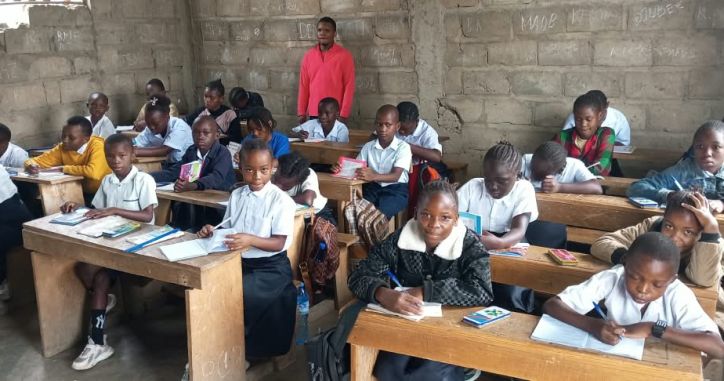
Denise Kigabi Mulangaliro: War and health crises, especially the Ebola epidemic, have seriously disrupted our work. We’ve had to suspend lessons on several occasions for security reasons. Children would arrive at school traumatised after fleeing the hostilities or losing loved ones. As a teacher, it’s difficult not only to teach, but also to comfort students living in constant fear.
Roger Isaya: Working as a teacher is still an extremely difficult job. My memory of Tuesday, 9 December 2025 is particularly vivid, as we were in the middle of the first-term exams. The sound of heavy weapons suddenly rang out around Kiliba. Panic immediately took hold of the students and teaching staff, as everyone looked to get home or find shelter in a safe place.
The rapid deterioration in the security situation meant that I had to flee with my wife and six children to Gatumba, in Burundi, as did many other families. The living conditions there were extremely precarious: we didn’t have enough drinking water, food or proper shelter. We were living in a state of tremendous uncertainty, and there were times when we had to sleep in the open.
Despite all these trials, we always held on to the hope of returning to our hometown and to our school.
Denise Kigabi Mulangaliro: When classes resumed after the attacks of December 2025 and the AFC/M23 rebels’ capture of Uvira, many children didn’t return to school for fear of experiencing similar events again. As teachers, we were deeply saddened by the situation.
Worlds of Education: How does the programme to end child labour help your school and your community?
Denise Kigabi Mulangaliro: The programme to combat child labour has had a very positive impact on our school and the local community in Kiliba. Several children who had dropped out of school have now returned, thanks to the joint efforts of teaching staff, parents, and project partners.
The various awareness-raising campaigns organised by FENECO-UNTC have helped many parents realise that children must be protected and kept in school rather than sent to work in the fields. The children’s clubs set up within schools enable students to speak freely about the difficulties they face, and to learn about their rights. And the school kits distributed have also provided some relief to vulnerable families.
Roger Isaya: We are gradually seeing a mindset shift and a change in behaviour within the community, a growing awareness of how important education is for all children, without discrimination. The programme is therefore helping to promote respect for children’s rights and access to quality education.
The COOPEDUC initiative is another key development. It encourages parents to develop a culture of saving, however modestly, to better prepare for their children’s education. If this trend continues over the coming years, I think we could achieve a remarkable level of community commitment to education in Kiliba.
Worlds of Education: How do international solidarity programmes help to strengthen FENECO?
Roger Isaya: International solidarity programmes have significantly boosted the credibility and visibility of our union, FENECO-UNTC, both within the local community and among political, administrative, and education authorities.
Thanks to the project to combat child labour, our organisation is now recognised as a reliable partner in the education sector. Such initiatives have also helped increase the number of teachers joining our union, convinced by the practical steps taken in support of children and teaching staff.
Denise Kigabi Mulangaliro: Teachers’ active involvement in community activities is a source of strength for our union. FENECO-UNTC now has a much better public image thanks to the projects carried out in schools and within families.
These programmes also enable us to share our experience with other partner unions. Despite the difficulties our country is facing, we don’t feel alone. These partnerships give us even greater motivation to defend our rights and those of our students.
Worlds of Education: Is there a message you’d like to share with your colleagues around the world?
Denise Kigabi Mulangaliro: The message I would like to send out to teachers all around the world is this: let’s continue to protect children through education. Even in areas affected by war, poverty or epidemics, education remains a beacon of hope.
Roger Isaya: I would like to send out a message of courage and perseverance. Despite the many challenges we face, we must never abandon our mission to educate. Our profession plays a vital role in transforming society. Through education, we shape future generations and help to build a fairer, more conscious, and more humane world.
The opinions expressed in this blog are those of the author and do not necessarily reflect any official policies or positions of Education International.