DR Congo: Ebola is undermining education and increasing the vulnerability of school communities
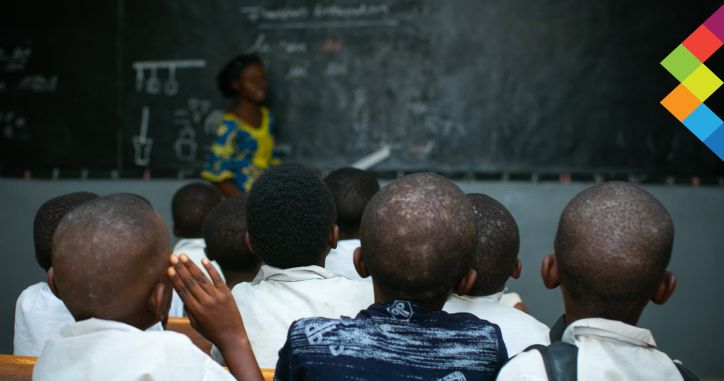
As the Ebola outbreak continues to spread across several provinces of the Democratic Republic of Congo (DRC), its impact on education is an ever-growing cause for concern. School closures, falling attendance rates, disruption to learning and fears of infection are taking a heavy toll on pupils, teaching staff, and the wider education community.
According to the FENECO-UNTC teachers’ federation, affiliated to Education International (EI), the situation requires an urgent response from the public authorities. Action is needed to ensure the right to education and the continuity of learning in line with the DRC’s strategy for education and training in emergency situations and the various standards of the Inter-Agency Network for Education in Emergencies (INEE), while protecting people’s health.
Schools under pressure in the affected areas
According to FENECO-UNTC’s General Secretary, Jacques Taty, the closure of schools located in outbreak epicentres or high-risk areas is one of the first consequences of the epidemic. And even where schools remain open, many families are reluctant to send their children, for fear of infection.
“Firstly, the temporary closure of schools, particularly in the epicentres of the disease and high-risk areas, is a preventive measure aimed at limiting the spread of the epidemic and protecting the health of pupils, teachers, and the entire school community. Although this measure disrupts the continuity of learning, it nevertheless appears to be justified, as it saves lives. The temporary closure of schools in heavily affected areas is a precautionary measure designed to reduce the risk of transmission within the school environment, but requires the establishment of measures to ensure, as far as possible, the continuity of learning.”
In the province of Ituri alone, information provided by the union shows that 28 health zones have been affected by the Ebola outbreak. This province has 3,045 schools, 1,007,620 pupils, and 32,043 teachers. These figures highlight the scale of the needs that the public authorities must address in terms of prevention and education continuity.
Health and safety measures still incomplete
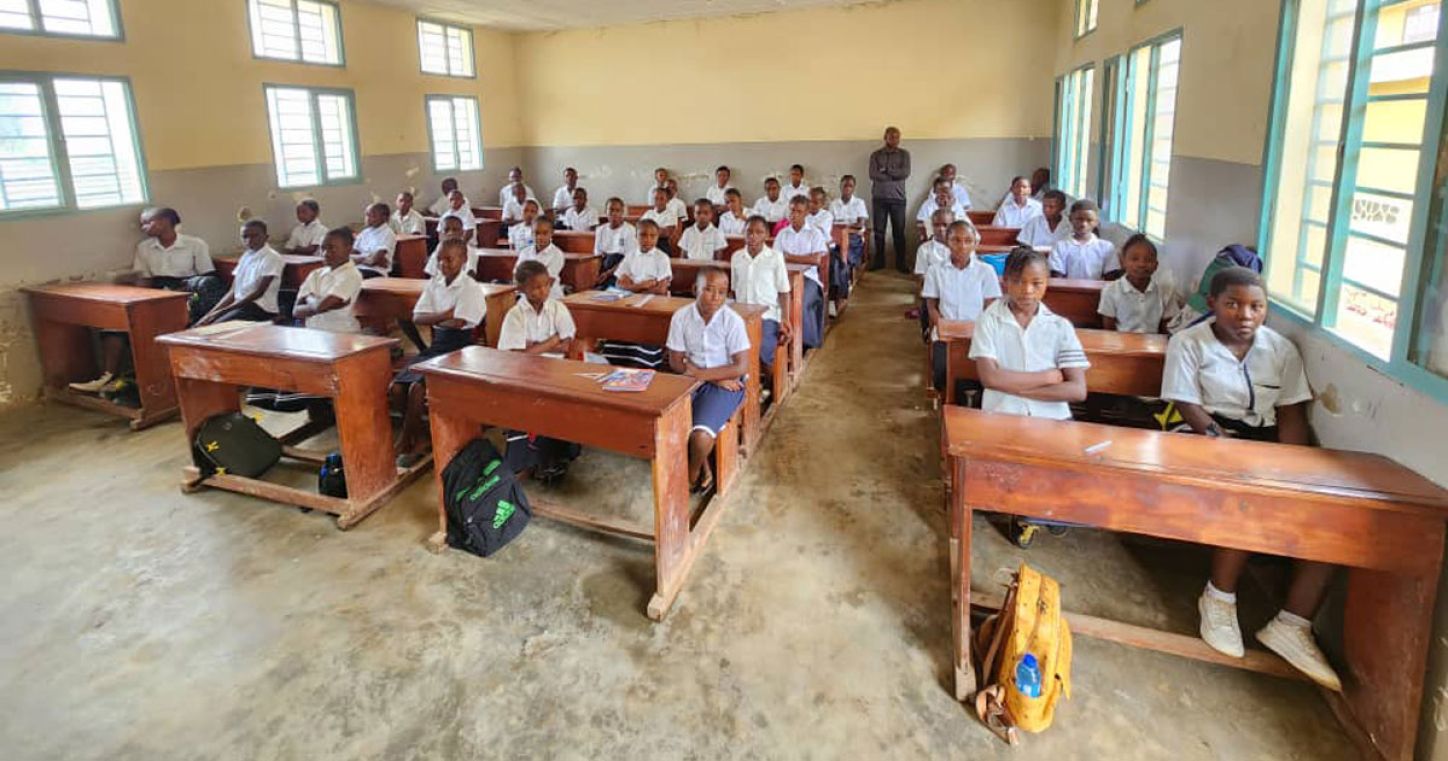
Patcho Tshienda Mulunda, President of the Ituri 1 provincial division of FENECO-UNTC, reports that in Bunia the new school term did start on 1 September 2026, but preventive measures are not yet in place in all schools. Access to washbasins, soap, hand sanitiser, water, and infrared thermometers for contactless temperature checks remains difficult in schools that do not have the necessary resources.
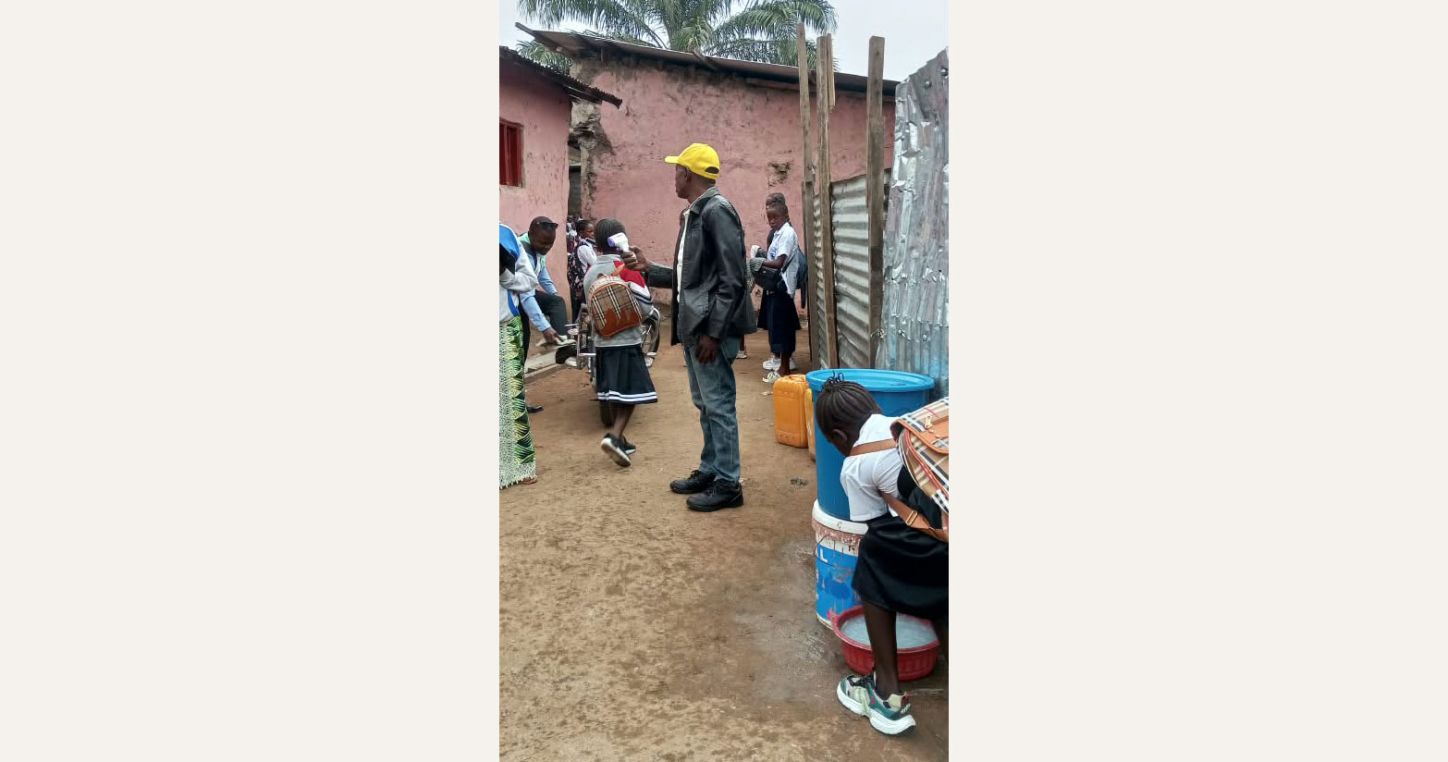
“We were waiting for the government to provide complete kits to protect pupils and teachers. They’re being given out in schools now, but there has been a slight delay,” he notes.
The trade union leader also highlights the cost of contactless thermometers and water supplies. He calls on the authorities to provide complete kits and a regular supply, so that preventive measures do not depend on the financial resources of each school or family.
Trade unions: monitoring, sounding the alarm, and raising awareness
On the ground, trade union representatives are visiting schools to check whether they have been provided with the protective equipment pledged and to remind pupils and staff of the preventive measures. This community-based mobilisation supplements the work of the awareness-raising teams sent by the Ministry.
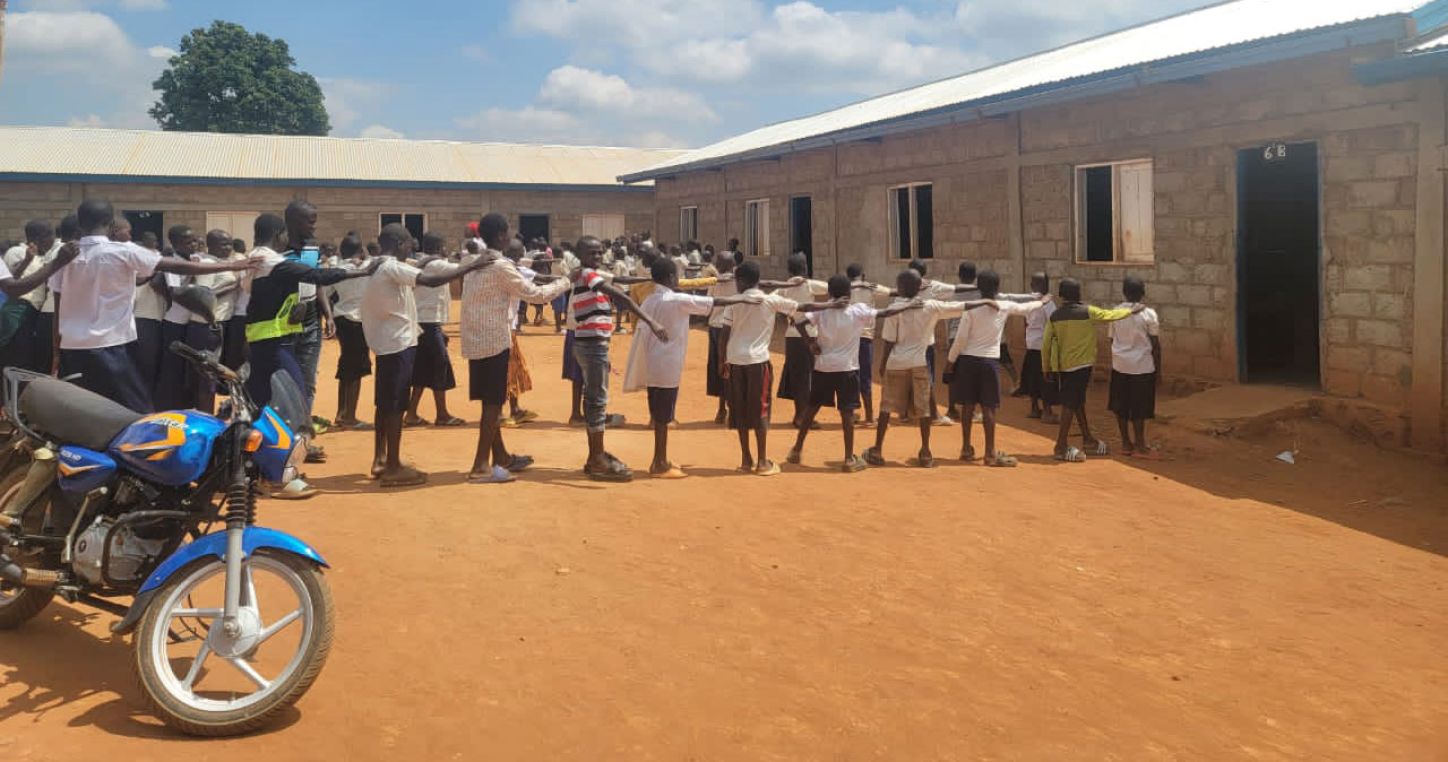
The provincial trade union leader reports:
“The trade unions are visiting schools to carry out checks. Has the government delivered the kit promised? And, if necessary, the union can explain the importance of handwashing and social distancing to pupils and teachers.”
The presence of teaching staff is not necessarily enough to allay families’ concerns. As Tshienda Mulunda explains, attendance has gradually picked up following a first day of term with very low attendance in some classes, even though the teachers were consistently present.
Learning seriously disrupted
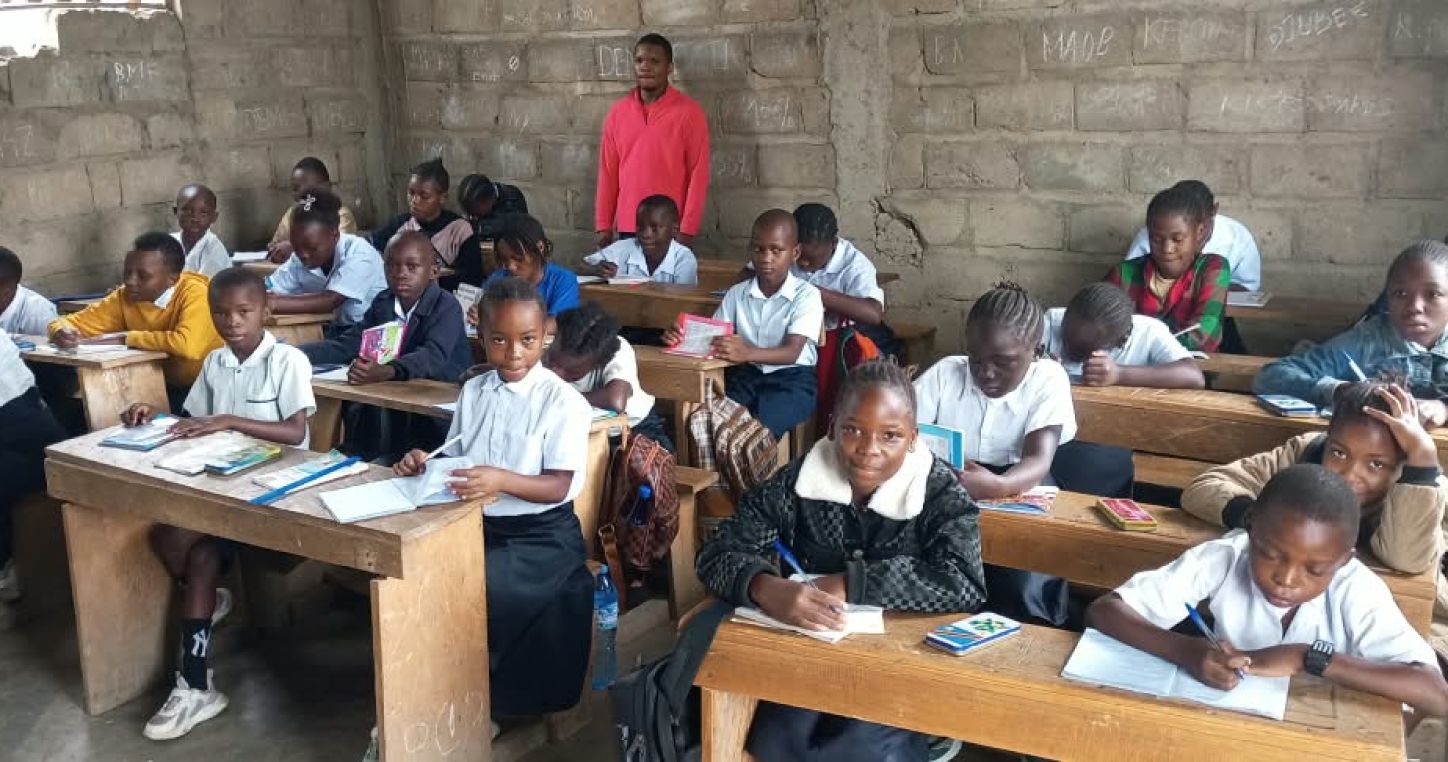
Since free primary education was introduced in public schools, the number of pupils has risen considerably, leading to heavy overcrowding in classrooms, with over 100 pupils in some cases. Physical distancing is difficult to maintain in such circumstances. Some schools are introducing a rota system, at the cost of reducing learning time and cutting back on the curriculum. In primary schools, for example, helping children with their first attempts at writing sometimes requires the teacher to be in close physical proximity to the child, which compromises preventative measures and increases the risk of infection.
Taty explains that “when we are asked to ensure social distancing between pupils, the classroom is no longer big enough for everyone. The other children have to go outside. And those who end up outside cannot follow the teacher, who is giving lessons inside the classroom.”
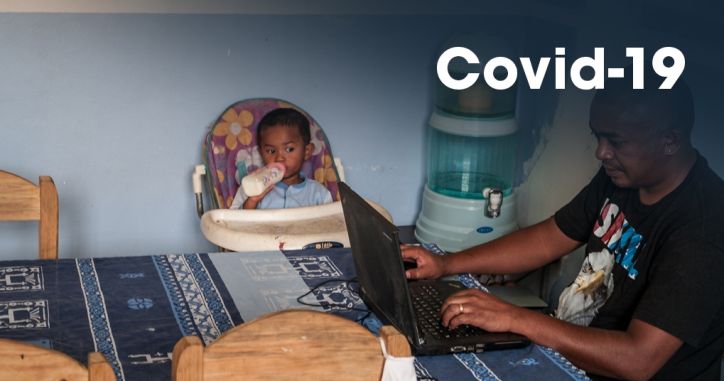
To address this situation, the government has envisaged distance learning as a way of ensuring the continuity of learning. This approach is not, however, a one-size-fits-all solution, given the disparities in access to infrastructure and technology. In Ituri, for instance, limited access to electricity, television, radio, and other technological tools and resources essential for distance learning represents a major obstacle. This situation risks excluding a significant proportion of pupils who are from vulnerable families or live in areas without the infrastructure needed, exacerbating inequalities in access to education and compromising the continuity of learning.
As Tshienda Mulunda points out:
“Distance learning hasn’t worked out. Our parents can’t afford televisions, radios, and so on. Here in Ituri, it just can’t work.”
Patcho Tshienda Mulunda, President of Ituri 1 provincial division of FENECO-UNTC
The General Secretary of FENECO-UNTC also points out that a hybrid approach based on exercise books, prepared centrally and then distributed to and monitored by teachers in pupils’ homes, had also been considered. But the idea was ultimately dropped due to its cost, and face-to-face lessons resumed, despite the risks posed by overcrowded classrooms.
An inclusive public response, in partnership with trade unions
Taty explains that he participated, as a trade union representative, in national-level meetings on the response to the epidemic and the development of an action plan designed to ensure the continuity of learning. FENECO-UNTC advocated a comprehensive approach involving the relevant ministries, such as Health and Social Affairs.
The union has also called for the involvement of local communities and their leaders, teachers, churches, religious leaders, and media outlets. For FENECO-UNTC, their participation is crucial to raising awareness about and increasing compliance with prevention measures.
Taty went on to specify and welcome the fact that several trade union proposals had been taken on board.
Protecting employees’ mental health and rights
Beyond the disruption to schooling, the health crisis is causing fear and trauma within education communities. To address this, FENECO-UNTC is calling for psychosocial support for pupils, staff, and education leaders.
Taty explains:
“There are psychological traumas, as there is a fear of infection. There’s everything the local people are going through, be they the teachers, the pupils or those in charge of education.”
Jacques Taty, General Secretary, FENECO-UNTC
The challenges go beyond the health emergency alone. Teachers also point to delays in their pay and significant logistical difficulties in receiving their salaries, as well as the insecurity caused by the armed conflicts. A credible education response therefore needs to protect people’s health, guarantee safe working conditions, and ensure the safety of individuals and their property, as well as their fundamental labour rights.
Solidarity with the education communities in the DRC
FENECO-UNTC is staying in touch with its representatives in the affected areas, such as Beni and Bunia, to gather information on the difficulties they are facing, alert the authorities and provide support for staff. In a context marked by disease, insecurity and forced displacements, schools are a vital source of protection, stability, and hope.
Education International expresses its solidarity with the teachers, pupils, their families, and the trade unions mobilised in the DRC. Ensuring education continuity cannot mean putting school communities at risk. Public investment, genuine social dialogue, and the full and active involvement of trade unions is required at every stage of the response.